


 En
En English
 Français
 Español
OEM Fabric Bar Chair Manufacturing: The Complete Sourcing & Production Guide
Posted by Admin | 14 Oct
Content
Fabric bar stools look deceptively simple, but an OEM program converts them into a specification document: fabric grade, foam density, tube wall thickness, gas-lift class, swivel travel, and carton construction. A cafe chain ordering 600 units is not buying a chair, it is committing to a repeatable standard. This guide explains how OEM fabric bar chair manufacturing really works, from fabric selection to final inspection, so a sourcing manager can brief a factory with confidence.
What OEM Fabric Bar Chair Manufacturing Covers
OEM fabric bar chair manufacturing is a contract production model in which a factory builds bar stools to the buyer's design and branding while owning the tooling, material sourcing, labor, and assembly line. The buyer receives a finished product under its own brand without investing in a plant.
The four work streams inside a seating factory
- Metal frame: tube cutting, bending, punching, stamping, and automatic welding for legs, footrests, and support rings.
- Surface treatment: chrome plating, powder coating, or painted finishes applied before upholstery.
- Upholstery: fabric cutting, sewing, foam wrapping, and staple-off covering for seat and back units.
- Motion hardware: swivel plates, gas lifts, casters, and auto-return mechanisms fitted during final assembly.
A full-line contract furniture manufacturer such as Anji Duomei Intelligent Furniture Technology Co., Ltd. keeps all four streams under one roof. The company runs a 4,000 sqm factory, a 1,500 sqm warehouse, and more than 70 employees in Anji, Zhejiang, the region known as the swivel chair capital of China.
Fabric Selection Drives Cost, Durability, and Lead Time
Fabric choice determines a large share of the unit cost and almost all of the wear performance of an OEM fabric bar chair, so the textile grade must be locked before colors are discussed. Martindale is the standard abrasion test that rubs a fabric sample until threads break and reports the number of cycles survived.
For hospitality use, specify upholstery above 30,000 Martindale cycles. Below 20,000, the fabric belongs in a domestic kitchen or a low-traffic corner. The ranges below are typical values used by seating factories when quoting commercial programs.
| Fabric | Martindale range | Best suited for | Care profile |
| Velvet (cotton or poly) | 30,000 - 50,000 | Bars, lounges, boutique cafes | Vacuum; keep dry |
| Chenille | 25,000 - 45,000 | Kitchen counters, bistros | Spot clean with mild soap |
| Boucle (performance) | 30,000 - 60,000 | Trend-forward hospitality | Brush; dry clean |
| Teddy fleece or sherpa | 15,000 - 30,000 | Loft, residential, dressing areas | Brush regularly |
| Linen | 15,000 - 25,000 | Light-duty residential | Dry clean preferred |
Typical Martindale ranges for upholstery grades used on fabric bar stools. Higher cycles indicate higher abrasion resistance.
When shortlisting fabrics, review the factory's existing durable textiles for fabric covered bar stools line first, then compare Martindale rating guidance for commercial bar stools before ordering new strike-offs.
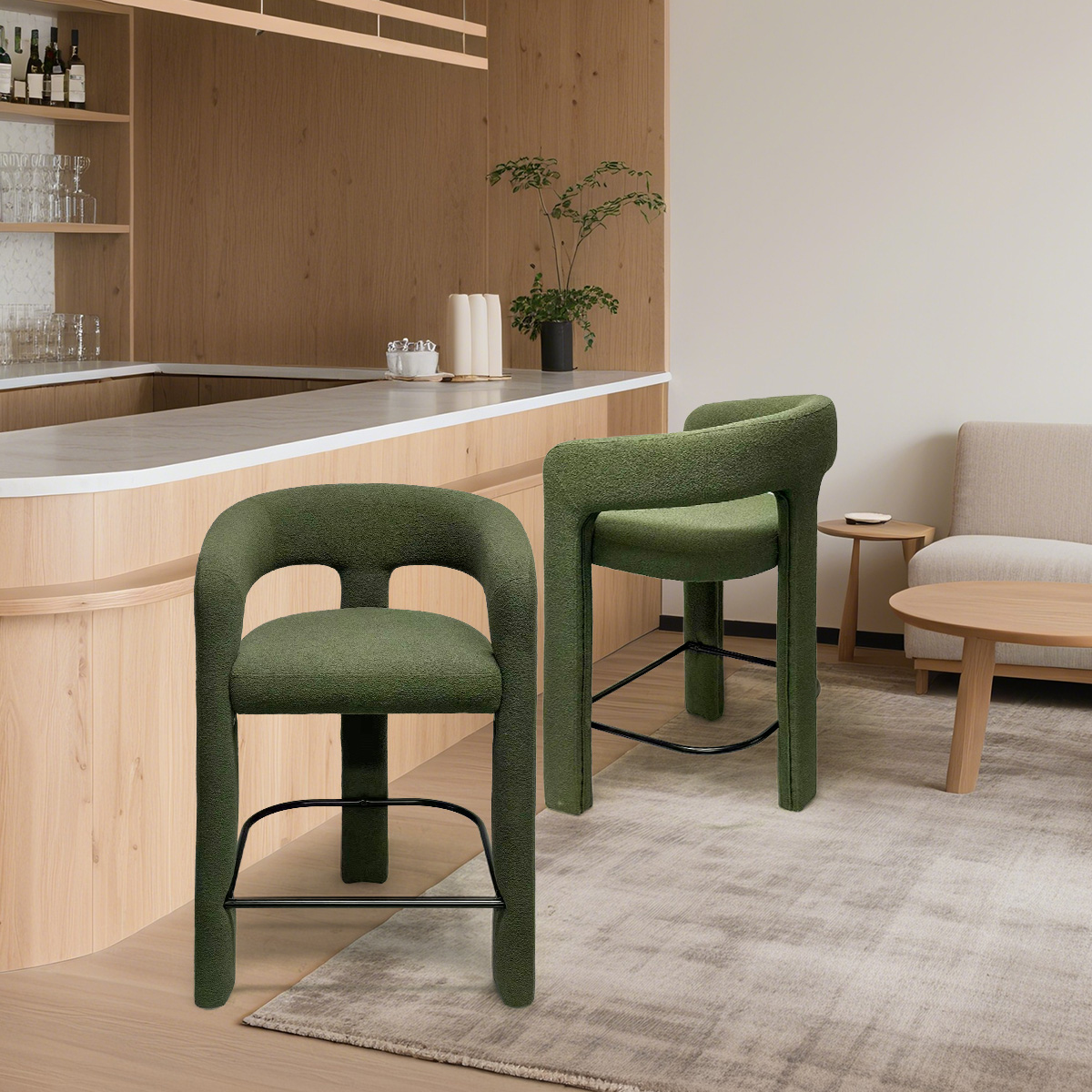
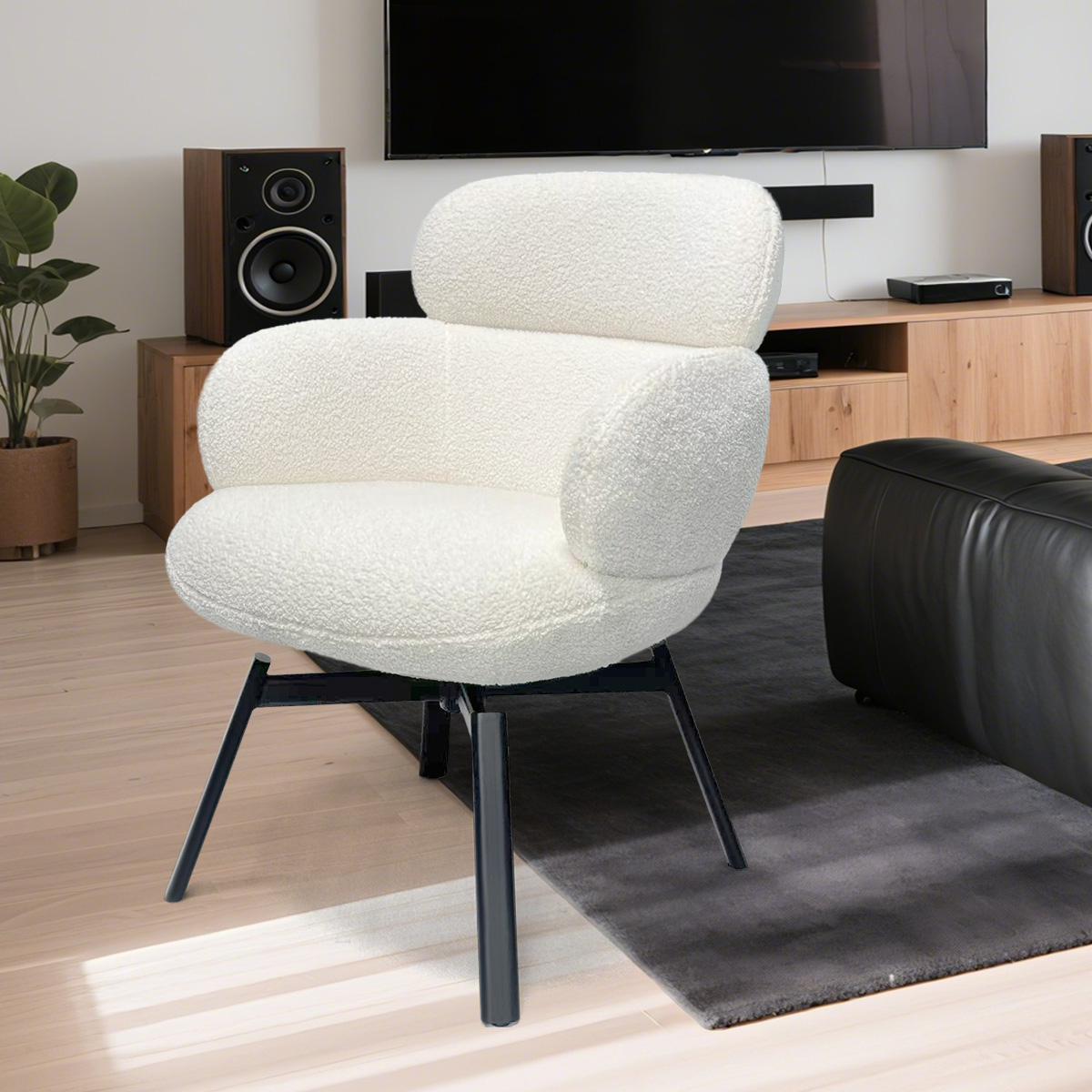
Volume programs move faster when the fabric already runs on the line. From the current range, the modern white boucle bar stool with black metal legs is a typical boucle-based starting point for a hospitality brand.
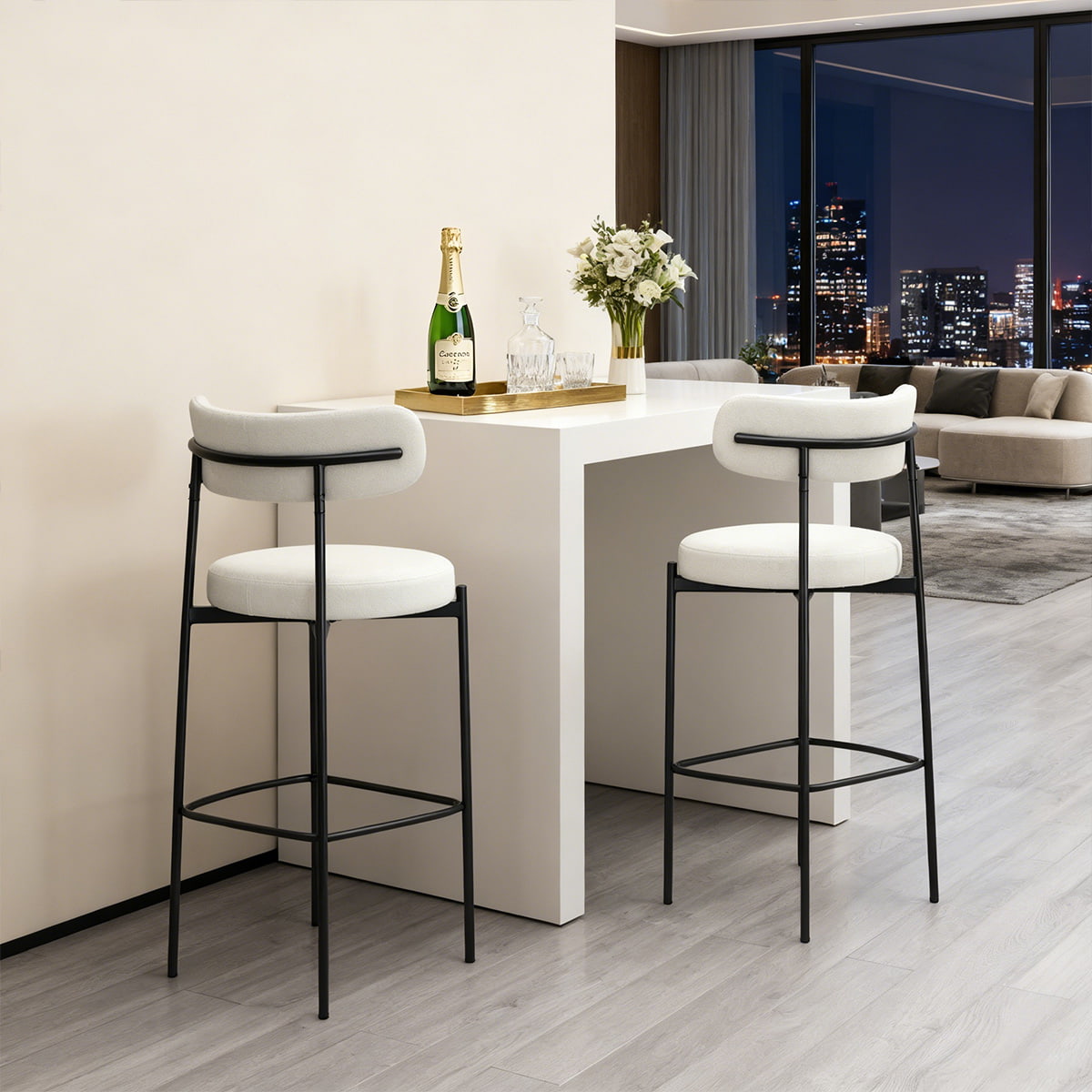 Custom Modern White Bouclé Bar Stool with Black Metal Legs — Upholstered CounterAnji Duomei Intelligent Furniture Technology Co., Ltd is China Custom OEM/ODM Modern White Bouclé Bar Stool with Black Metal Legs — Uphol...View Product →
Frame and Mechanism Specifications That Matter
A fabric bar stool fails on its frame before it fails on its fabric, which is why frame and mechanism specifications carry more weight in an OEM program than styling details. A welded steel frame with sufficient wall thickness, a rated gas lift, and a stable base decides whether the chair survives a year of commercial use.
What to write into the engineering sheet
- Steel tube: 16 to 25 mm diameter with 1.2 to 2.0 mm wall thickness for commercial duty.
- Base type: four-leg, cantilever, or ring base matched to the target bar height.
- Seat height range: roughly 580 to 780 mm with a gas lift; fixed counter heights near 650 mm and bar heights near 760 mm.
- Weight capacity: 120 to 150 kg rated for public seating.
- Swivel: 360-degree continuous rotation, with auto-return when the stool must face the counter again.
- Lower unit cost with no moving parts
- Best for uniform counter or bar heights
- Strongest for stacking or high-density layouts
- Less adaptable to users of different heights
- 360-degree rotation with adjustable height
- Comfort for a wide range of users
- Higher part count and service points
- Preferred for mixed-height counters and lounge seating
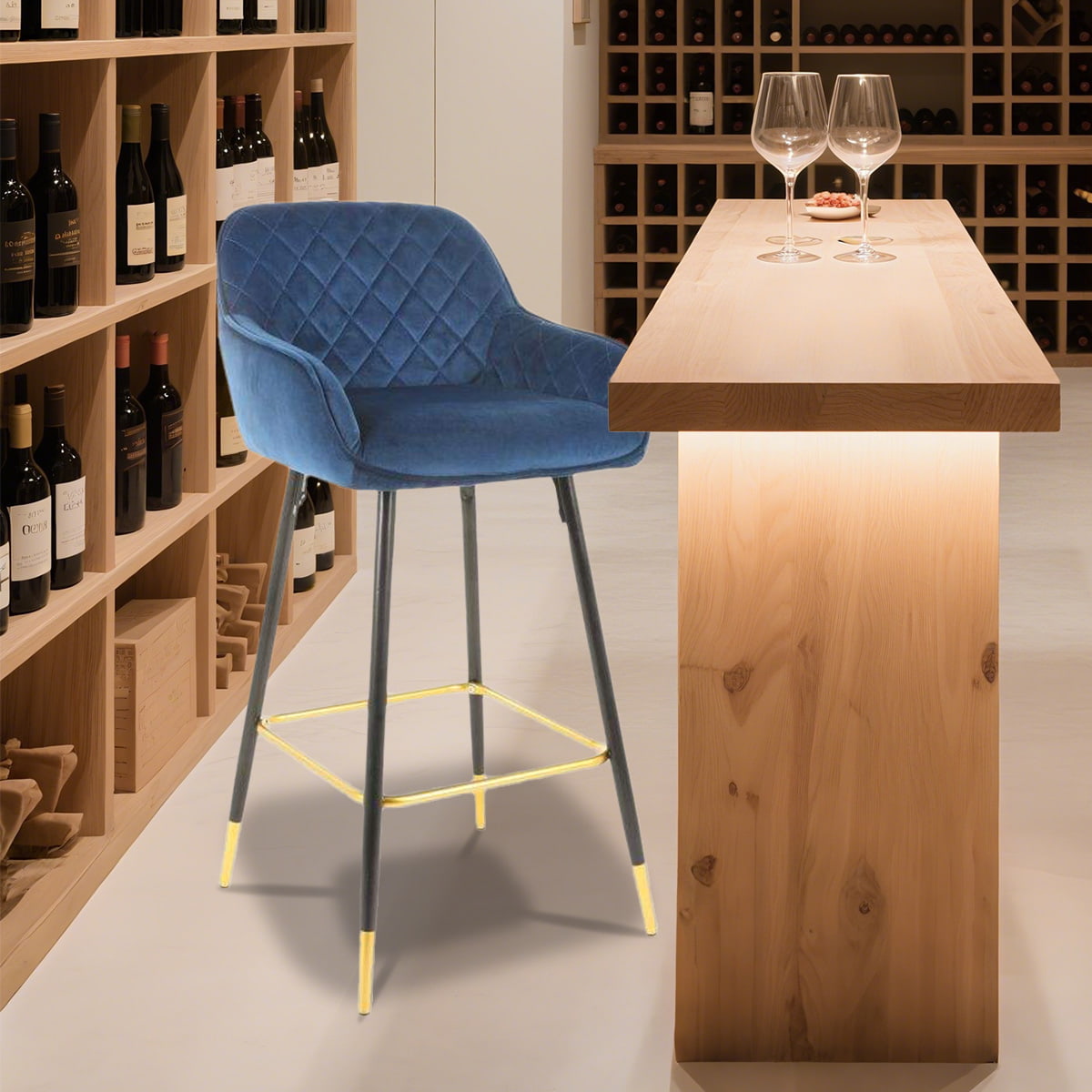
Fixed-height models still ship in large volumes because they cut cost and simplify logistics. A welded ring base with a velvet bar chair with high fixed black legs is a common private-label choice for restaurant counters where every seat must stand at the same height.
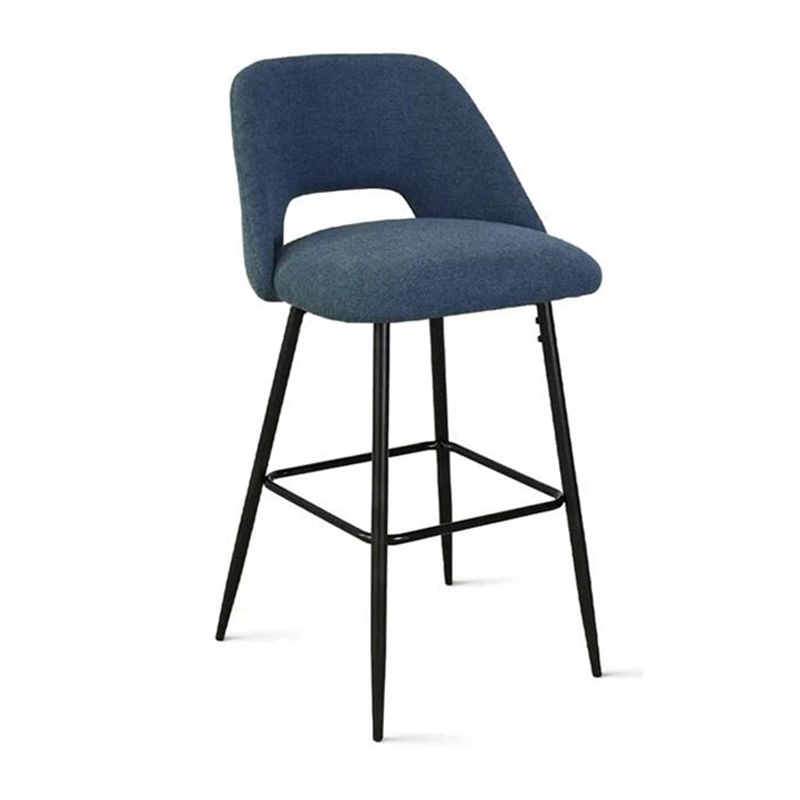 Custom Velvet Bar Chairs With High Fixed Black Legs Suppliers, ManufacturersAnji Duomei Intelligent Furniture Technology Co., Ltd is China Custom OEM/ODM Velvet Bar Chairs With High Fixed Black Legs Suppliers and ...View Product →
The OEM Production Process in Six Steps
OEM fabric bar chair production moves through six controlled stages, and each stage has a defined quality checkpoint before the chair advances to the next work cell. The sequence below reflects how a full-process contract factory operates.
- Tube cutting and bending. CNC benders shape legs, footrests, and support rings from steel tube with punched mounting holes.
- Automatic welding. Frames are welded on robotic stations and checked on jigs for geometry and joint strength.
- Surface finishing. The welded frame is chrome-plated, powder-coated, or painted to the buyer's finish code.
- Fabric cutting and sewing. Rolls are inspected, laid out, cut, and sewn into covers with the specified seam allowance.
- Upholstery. Foam blocks are shaped and wrapped, the cover is pulled tight, and the unit is fixed to the frame.
- Assembly and function test. Swivel, lift, and stability are verified, and the finished stool is packed with corner guards.
Quality Control
Quality control for fabric bar chairs works in three layers: incoming material inspection, in-process checks, and final random inspection on finished goods. A buyer should ask for the factory's QC plan during the quotation stage, not after the first container ships.
Checklist to request from the supplier
- Martindale abrasion and pilling review on incoming fabric rolls
- Weld integrity: visual inspection and torque checks on welded joints
- Gas-lift test: smooth travel with no drop under load
- Swivel test: 360-degree rotation without noise or binding
- Foam density: commercial inserts normally at 25 to 35 kg per cubic meter
- Carton drop test: edge, corner, and flat drops on packed units
The most common risk in overseas sourcing is an over-promised capacity schedule. Verify that fabric is committed, that surface finishing capacity matches the order size, and that the factory warehouse can buffer your shipment window before placing the order.
OEM vs ODM: Choosing the Fast Route
Choose OEM when your program has precise drawings and a fixed specification. Choose ODM when you want to customize an existing factory model with your color, fabric, height, and branding, which is the faster route for most importers and new brands.
- Your drawings and bill of materials define the product
- Longer development loop with more prototype rounds
- Best for brands with mature product thinking
- Factory handles production and material sourcing
- Proven silhouette taken from the factory catalog
- Shorter lead time and lower development cost
- Customize fabric, metal finish, mechanism, and logo
- Best for importers, e-commerce sellers, and new brands
Before committing to a sample, review fabric-covered bar stool style trends for 2026 to confirm which silhouettes and finishes are moving in the market.
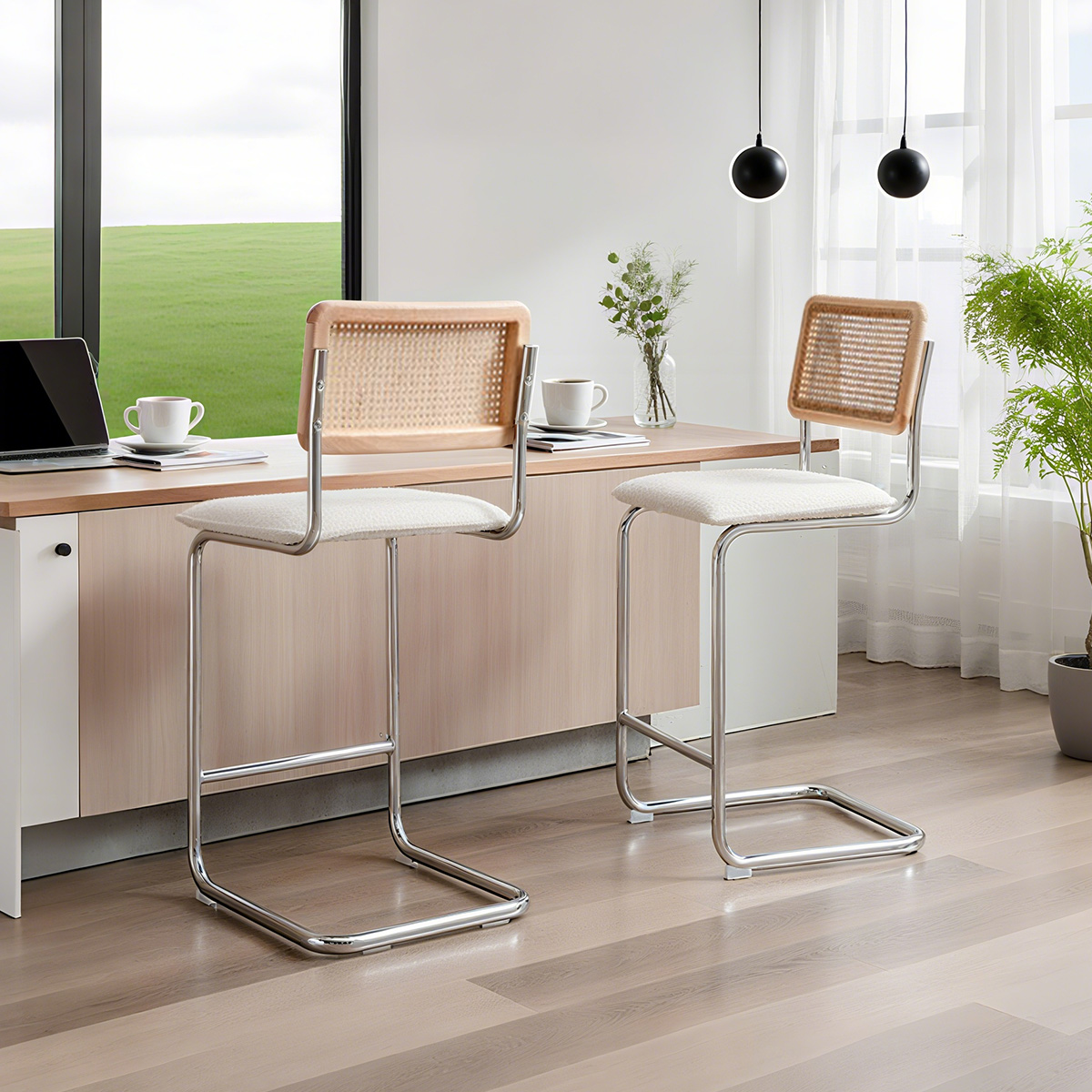
From the current fabric bar stool range, the ergonomically designed bar stool with backrest is a practical ODM starting point for commercial programs because the backrest geometry is already tested and the fabric spec can be changed without new tooling.
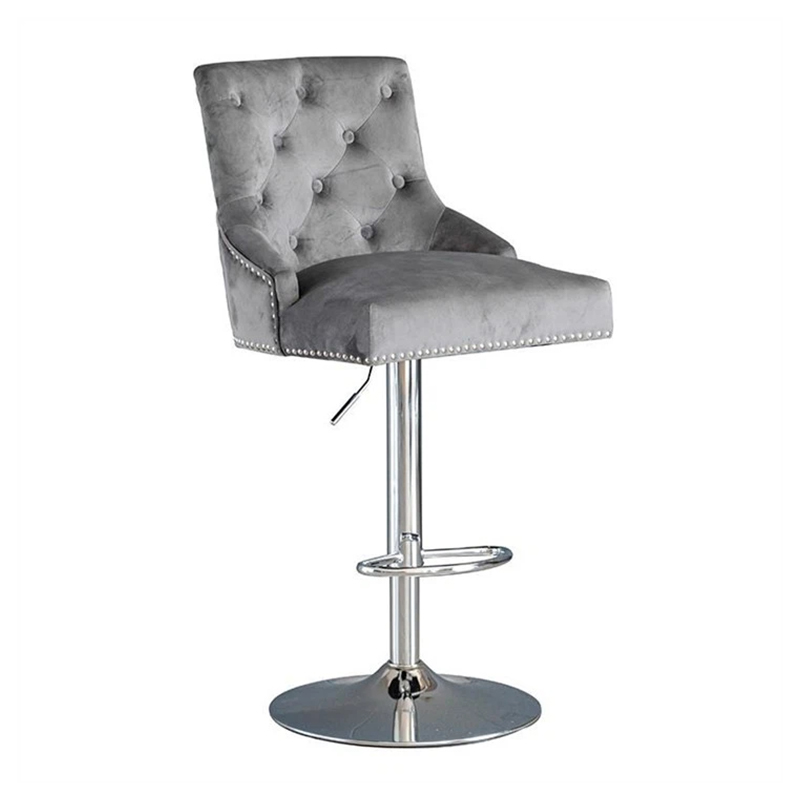 Custom Ergonomically Designed Bar Stool With Backrest Suppliers, ManufacturersAnji Duomei Intelligent Furniture Technology Co., Ltd is China Custom OEM/ODM Ergonomically Designed Bar Stool With Backrest Suppliers an...View Product →
Fabric Bar Chair OEM FAQ
What is the typical MOQ for OEM fabric bar chairs?
Contract seating factories usually quote by container volume or program quantity instead of a strict piece number. A standard 40-ft container holds roughly 300 to 600 fabric bar stools depending on packing density, so MOQ discussions typically start around one container. Confirm the per-SKU MOQ and the cost break at higher volumes during RFQ.
Which fabric is best for commercial fabric bar chairs?
Performance velvet and boucle with a Martindale rating above 30,000 are the safest commercial choices. If operators will wipe seats with chemical cleaners every day, consider specifying PU leather on the seat surface even for a fabric-bodied stool.
How long does an OEM fabric bar stool order take?
A typical timeline is 30 to 50 days after sample approval, depending on fabric availability, finish type, and order quantity. Chrome plating and custom fabric dye lots add the most time, while catalog fabrics on a standard finish run fastest.
Can the factory match custom colors and logos?
Yes. OEM and ODM programs include fabric color matching, logo embroidery or woven labels, custom box printing, and branded hardware. Provide Pantone references and a logo file with the RFQ so the factory can price the customization accurately.
Related Products
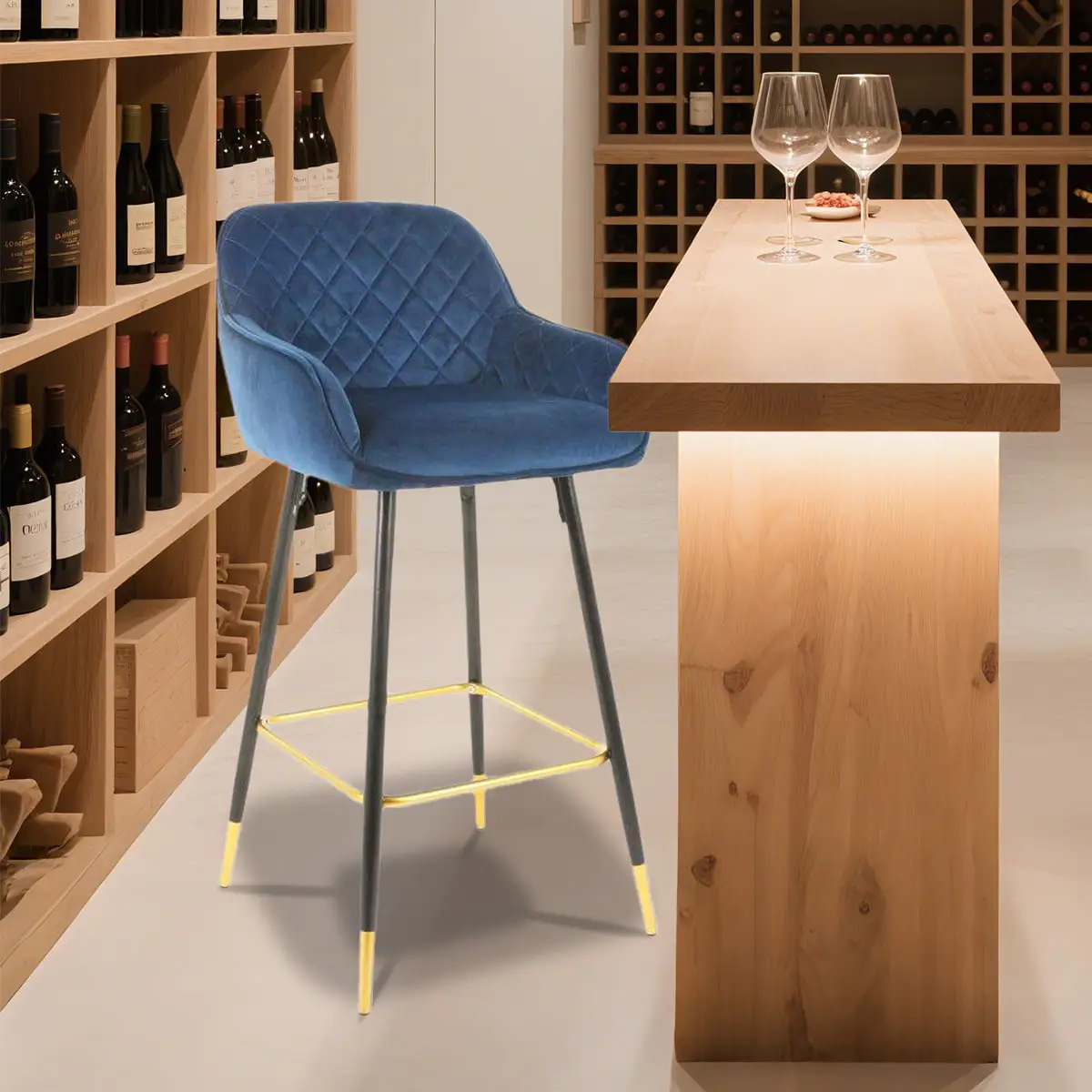
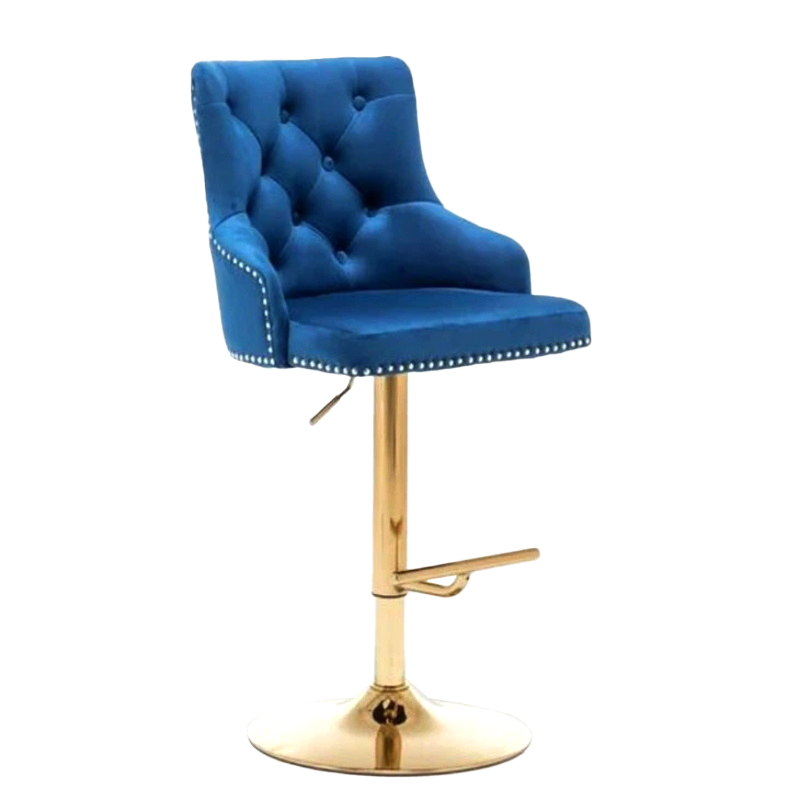
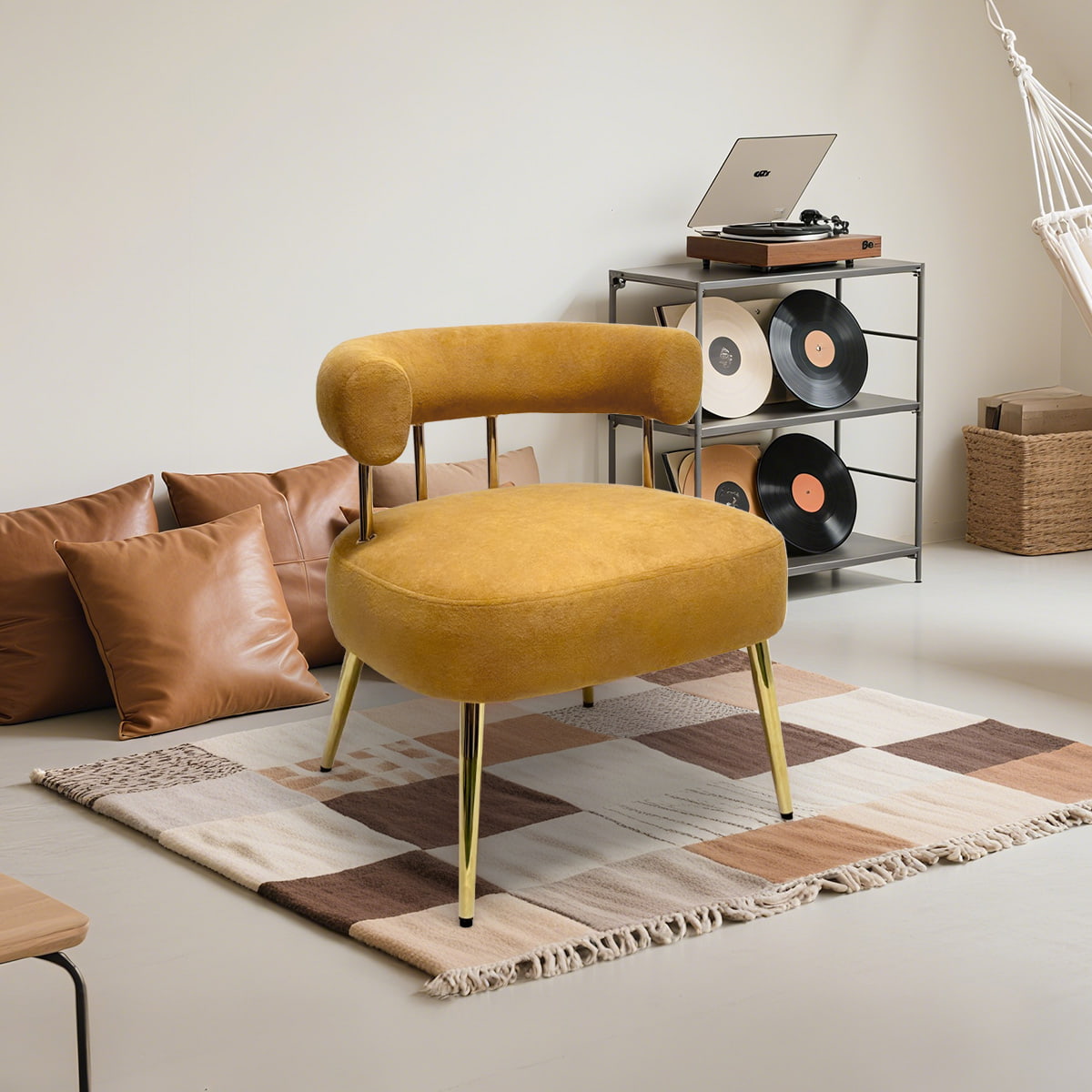
-
 Yangguang Industrial Park 2, Anji County, Huzhou City, Zhejiang Province, China
-
 [email protected]
[email protected]
[email protected]
[email protected]
[email protected]
[email protected]
-
 +86-18357268872
QR CODE

