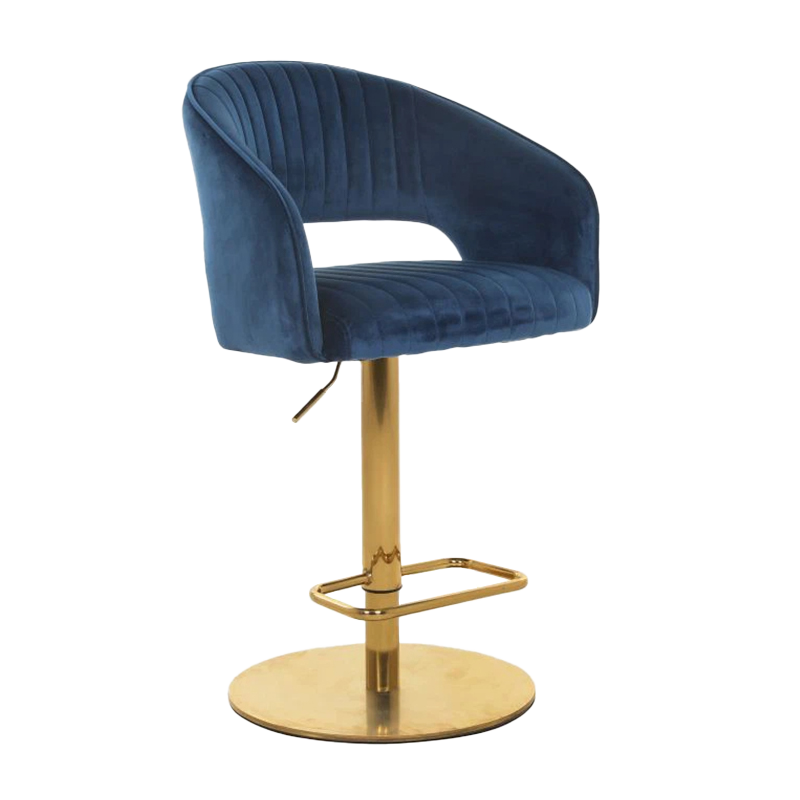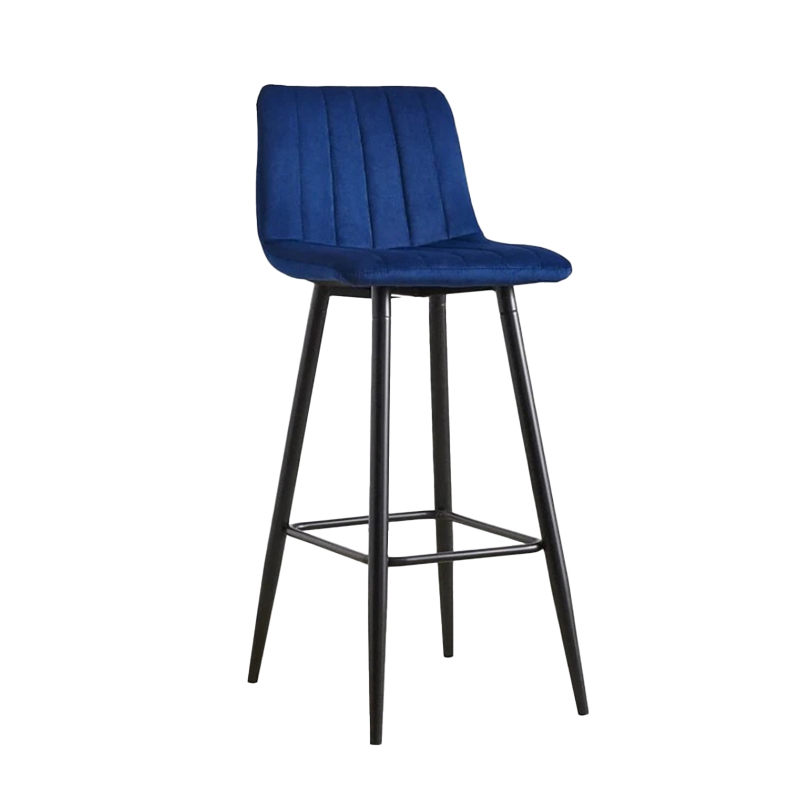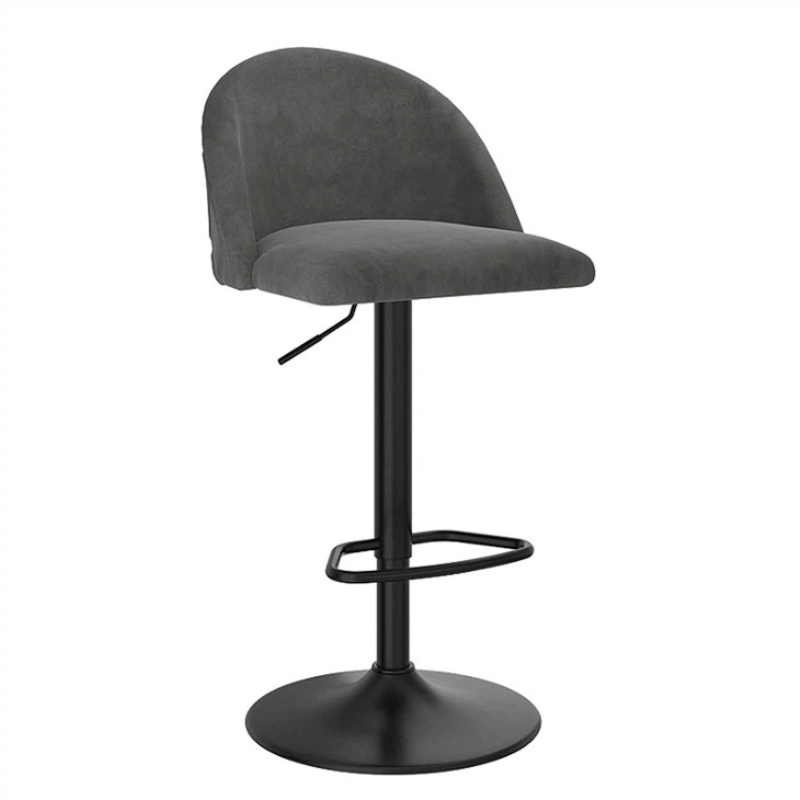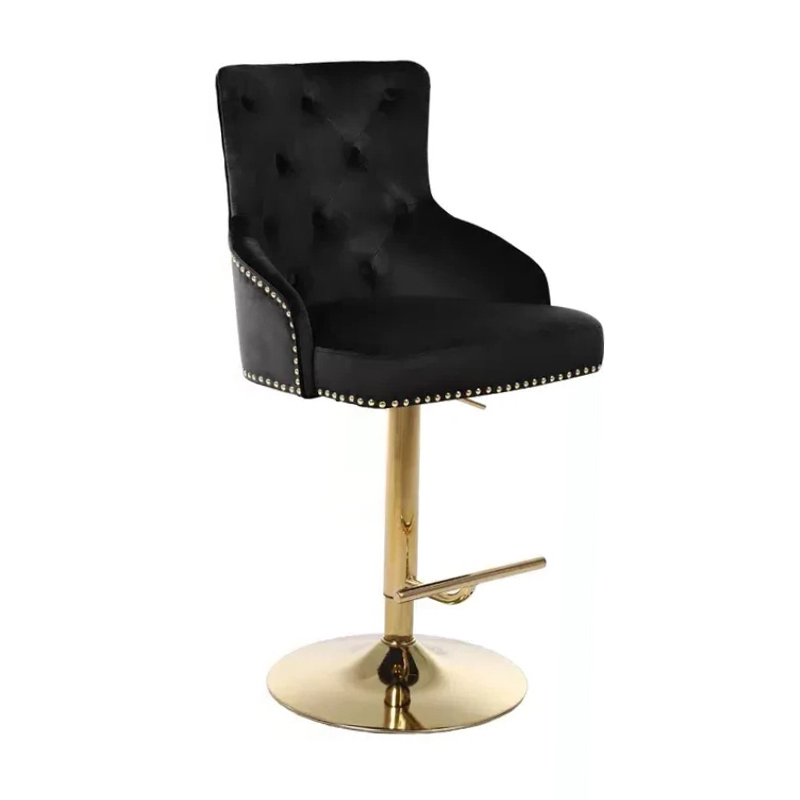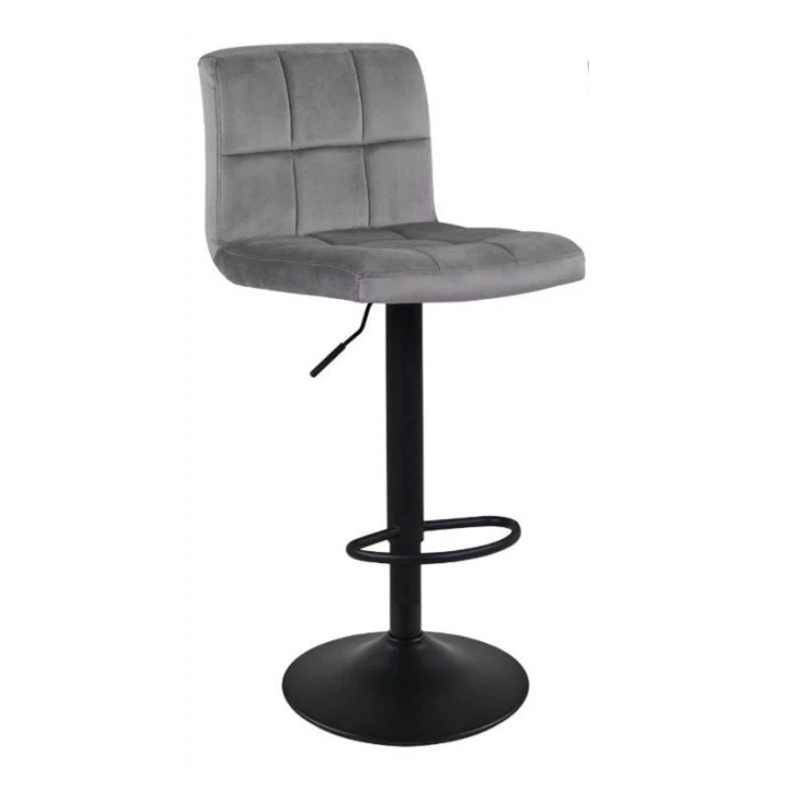
In the high-traffic environments of commercial hospitality and modern residential kitchens, the longevity of seating is fundamentally determined by the physical properties of its upholstery. When specifying fabric covered bar stools for daily use, engineers and contract furniture buyers must look beyond aesthetic appeal to evaluate mechanical metrics such as abrasion resistance, pilling resistance, and colorfastness. This technical analysis focuses on heavy-duty textiles for bar chairs that can withstand 50,000 to 100,000 double rubs on the Martindale scale, ensuring the structural and visual integrity of the furniture over an extended lifecycle.
The primary indicator of a durable textile is its Martindale or Wyzenbeek abrasion rating. For commercial grade fabric bar stools, a minimum of 30,000 Martindale cycles is the baseline, while high-traffic upholstery fabrics used in public bars often exceed 50,000 cycles. Synthetic fibers like polyester and nylon are preferred for fabric covered bar stools due to their superior tensile strength and low moisture absorption (hydrophobicity). These polymers undergo a heat-setting process that stabilizes the molecular structure, preventing the sagging of bar chair fabric over time. Furthermore, assessing pilling resistance for stool fabrics (ISO 12945-2) ensures that the surface remains free of fiber clusters caused by constant friction.
Anji Duomei Intelligent Furniture Technology Co., Ltd., located in the "Chinese metropolis of swivel chairs," has been a professional manufacturer of contract furniture since 2014. Our 4,000 square meter modern plant in Anji County utilizes advanced QC throughout all stages of production. Specializing in leisure chairs, bar chairs, and salon chairs, Duomei integrates high-end engineering assistance to ensure that our fabric covered bar stools meet international durability standards. With over 70 employees and a 1,500 square meter warehouse, we welcome OEM and ODM requirements, adhering to the principle that "quality is the life of the enterprise."
| Textile Type | Abrasion Rating (Martindale) | Primary Application Advantage |
| 100% Polyester (HD) | 50,000 - 100,000 | High stain resistance and tensile strength |
| Nylon Blends | 40,000 - 60,000 | Excellent elasticity and wear resistance |
| Faux Suede (Microfiber) | 30,000 - 50,000 | Easy cleaning and high Ra surface finish softness |
The environmental factors of a kitchen or bar—such as exposure to oils, liquids, and cleaning agents—necessitate stain-resistant fabrics for bar stools. Utilizing textiles treated with PFC-free hydrophobic coatings or those made from solution-dyed yarns ensures that the colorfastness of bar chair upholstery remains intact even under rigorous cleaning protocols. In comparing polyester vs linen bar stools, polyester offers a clear advantage in tearing strength for seat covers and resistance to microbial growth. Additionally, the breathability of bar stool textiles must be balanced with the density of the weave to ensure user comfort during prolonged seating without compromising the barrier against liquid ingress.
A technical variable often overlooked is the interface between the fabric and the padding. Using high-density fire-retardant foam (35-45 kg/m3) prevents the fabric from over-stretching during use. If the foam collapses, the resulting slack leads to premature fabric fatigue in bar chairs and unsightly creasing. Anji Duomei ensures that the supportive foam for fabric stools is precision-cut to match the seat frame, maintaining a consistent Ra surface finish and tension that preserves the textile's structural life.
To maximize the service life of fabric covered bar stools, a consistent maintenance schedule is essential. Cleaning instructions for fabric bar chairs usually involve low-pressure vacuuming and pH-neutral solvent spot cleaning. For removable vs fixed fabric covers, the engineering decision depends on the expected soil load of the environment. Removable covers allow for deep cleaning of bar stool fabrics, while fixed upholstery often provides a tighter, more professional aesthetic. By analyzing the durability of micro-fiber bar stools, buyers can achieve the tactile feel of natural materials while benefiting from the industrial-grade abrasion resistance of synthetic engineering.
| Property | Test Method | Target Engineering Metric |
| Colorfastness to Light | ISO 105-B02 | Grade 5 or higher |
| Seam Slippage | ASTM D4034 | Less than 6mm at 180N load |
| Fabric Weight | GSM (g/m2) | 350 - 500 GSM for heavy duty |
As a leading supplier in the Chinese metropolis of swivel chairs, Anji Duomei Intelligent Furniture Technology Co., Ltd. provides one-stop sourcing for bar chairs. Whether you require customized fabric bar stools for hotel projects or standard models from our catalog, our well-equipped facilities ensure that every unit undergoes rigorous quality control. Our commitment to marketing high-quality products means we utilize only the most durable textiles for swivel chairs, ensuring mutual success and long-term business relationships with construction and design firms worldwide.
It refers to the number of back-and-forth motions a machine makes against the fabric before it shows significant wear. For commercial use, look for 30,000+ double rubs.
Yes. Fabrics can be back-coated or made from inherently fire-retardant (IFR) yarns to meet BS 5852 (UK) or CAL 117 (USA) fire safety regulations.
Both are durable, but high-density polyester weaves generally have higher tensile strength, while microfibers offer better stain resistance due to the tight weave of the fibers.
Choose fabrics with a high pilling resistance rating (Grade 4-5). Avoid loose weaves and ensure the textile has been treated to reduce surface friction.
Not necessarily. While a higher Grams per Square Meter (GSM) usually indicates a thicker fabric, the actual durability is determined by the fiber type and the weave density.
Related Products
NO.8, NO.1 Road, Sunshine Industrial Park 2, Anji County, Huzhou City, Zhejiang Province, China.
[email protected]
+86-13567991394