


 En
 English
 Français
 Español
Bar Chair Seat Height: Key Parameters for: Practical Applications, Selection
Posted by Admin | 20 Nov
Content
Put a 30-inch bar stool under a 42-inch bar and a guest gets roughly 12 inches of legroom; put the same stool under a 36-inch counter and that clearance collapses to about 6 inches. That one dimension decides whether a commercial seating area feels comfortable or cramped.
For a commercial project, bar chair seat height is the first parameter to lock down before fabric, finish, or frame material. Anji Duomei Intelligent Furniture Technology Co., Ltd., a contract seating manufacturer in Anji, China, has produced bar chairs, dining chairs, barber chairs, and saddle stools since 2014. When sourcing from a manufacturer like this, a buyer should treat seat height as a measured specification, not a catalog guess. The full commercial bar chair collection is worth reviewing once you know the height range you need.
Why Seat Height Sets the Buying Specification
Seat height is the most critical dimension because it controls clearance, posture, and table compatibility in a single number.
Commercial seating layouts fail in two ways: guests feel knee pressure when the seat is too low, or they sit with shoulders below the bar line when it is too high. The problem is not the chair alone; it is the relationship between the seat top and the bar surface.
Bar chair seat height is the vertical distance from the floor to the top front edge of the seat cushion in its installed, uncompressed position. This definition matters because upholstery thickness, gas-lift travel, and footrest position all change the effective height once the chair is occupied.
Seat Height Standards for Commercial Counters and Bars
For a 36-inch counter, specify a 24 to 26-inch seat; for a 42-inch bar, specify a 29 to 30-inch seat; for tall bars over 44 inches, start at 31 inches.
| Application | Surface Height | Seat Height | Clearance |
| Kitchen counter or breakfast bar | 36 inches | 24 to 26 inches | 10 to 12 inches |
| Restaurant bar rail | 42 inches | 29 to 30 inches | 12 to 13 inches |
| High-top bar or lounge table | 44 to 46 inches | 31 to 33 inches | 11 to 13 inches |
| Dual-height counter with adjustable stools | 36 to 42 inches | 24 to 30 inches | 9 to 12 inches |
For fixed-height stools, choose the height that leaves at least 9 inches of clearance at the surface. For gas-lift stools, make sure the mid-range, not the maximum, matches the target window.
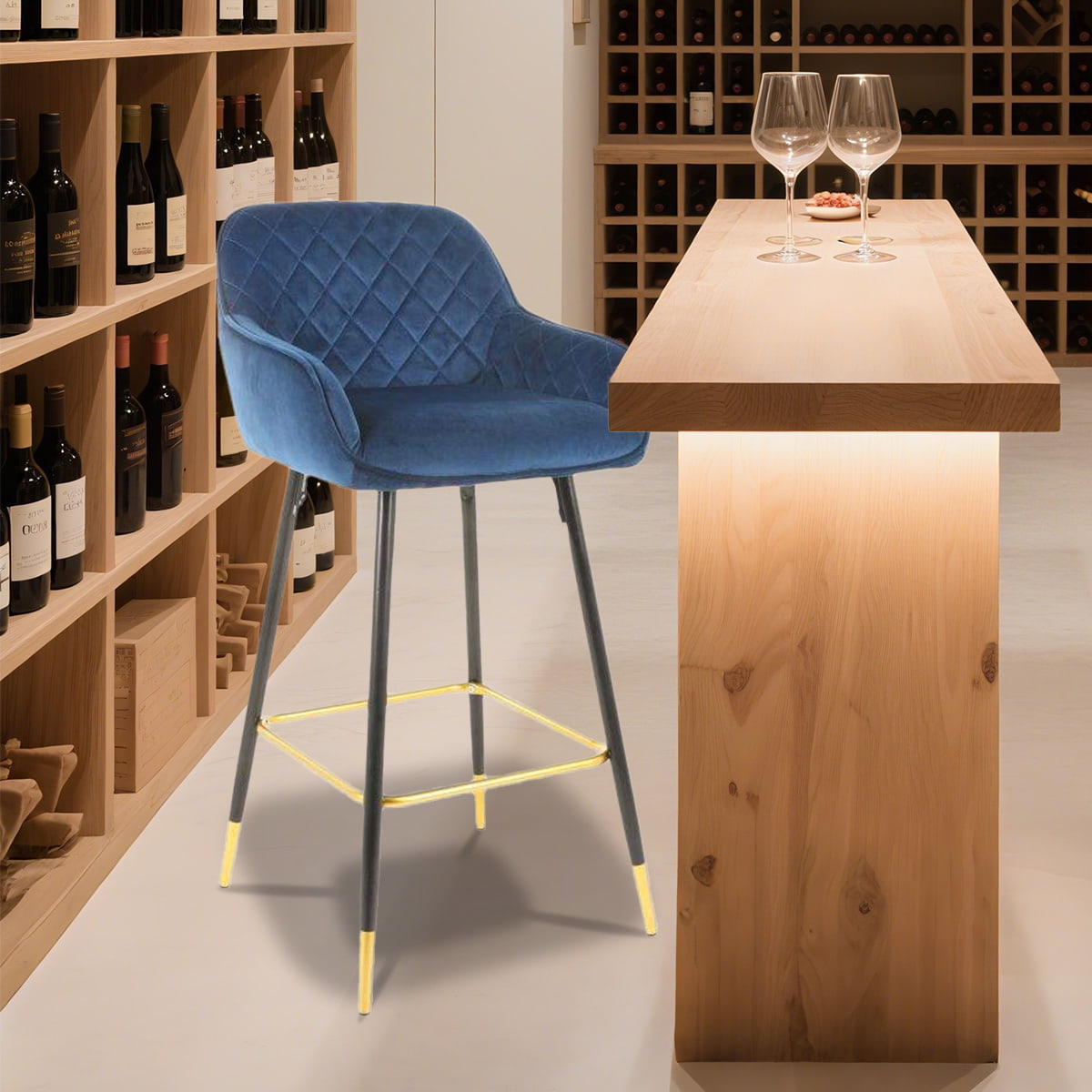
 Grey Upholstered Counter Height Bar Stool with Metal Frame and FootrestThis fixed-height stool suits bar surfaces needing a 9-inch clearance, with a padded seat and ergonomic backrest. The metal tripod frame and anti-slip pads support stable seating, making it worth checking for home or café use.View Product →
Ergonomic Rules Behind the Numbers
Ergonomic bar seating requires three contact points: feet supported, knees close to 90 degrees, and no pressure behind the knees.
- Keep seat-to-underside clearance at 9 to 12 inches for most adult guests.
- Place the footring 7 to 10 inches below the seat top for a natural leg position.
- Use a seat depth of 15 to 17 inches to avoid calf contact.
- Add lower lumbar support when guests are expected to stay for more than 30 minutes.
Materials That Withstand Constant Use
Commercial seat height is only useful if the cushion holds its shape, so specify high-resilience foam and upholstery with a documented abrasion rating.
PU leather cleans quickly and resists spills, while heavy-duty fabric offers better breathability and color range. A fabric cover with 20,000 Martindale rubs is domestic grade; commercial operators should set a minimum of 30,000 rubs. For more detail, review the guide to Martindale ratings for fabric-covered bar stools.
PU leather
- Wipe-clean and liquid resistant
- Holds seat height with high-resilience foam
- Good for bars and nightclubs
Heavy-duty fabric
- Breathable and color-rich
- Needs a minimum 30,000 Martindale rating
- Better for cafes and hotel lounges
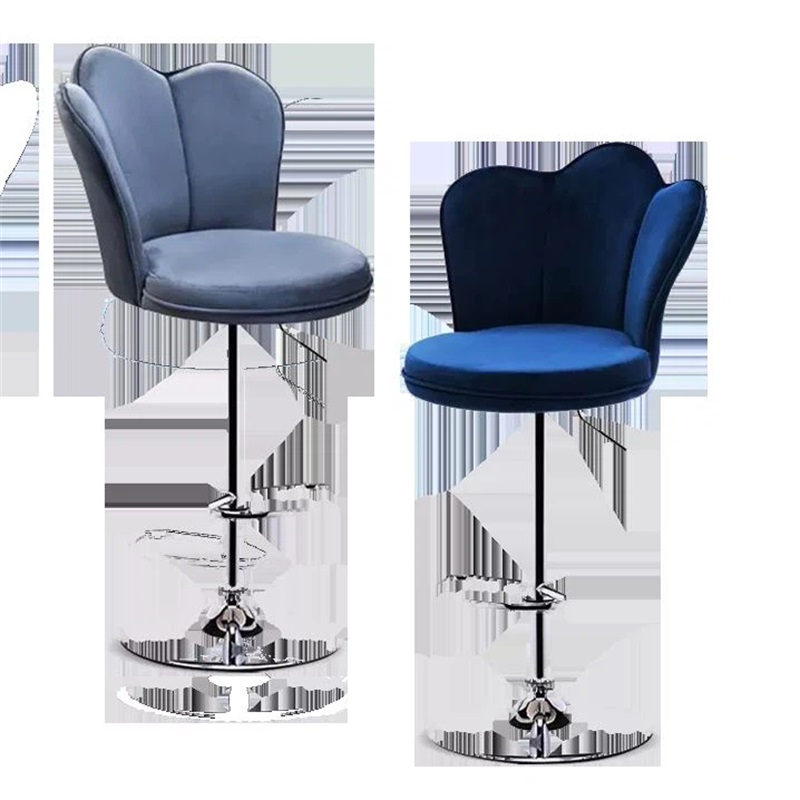
 Swivel Height-Adjustable Velvet Bar Stool with Gas Lift and Pedestal BaseWith a 360-degree swivel and gas-lift adjustment, this PU or velvet stool adapts to different counter heights. Its cushioned back and stable pedestal base make it practical for spaces needing flexible seating, such as kitchen islands or lounges.View Product →
How to Verify Seat Height in a Sourcing Tender
Before approving a production sample, measure the seat height at the lowest, middle, and highest gas-lift settings and confirm the dimension on a loaded cushion.
Upholstery compression changes seat height by 0.5 to 1.5 inches, so the finished height should be checked on the actual unit, not on a CAD drawing. When you request OEM or ODM engineering assistance, share the intended bar surface height and the required clearance; the manufacturer can adjust the gas-lift stroke, footring position, or base height.
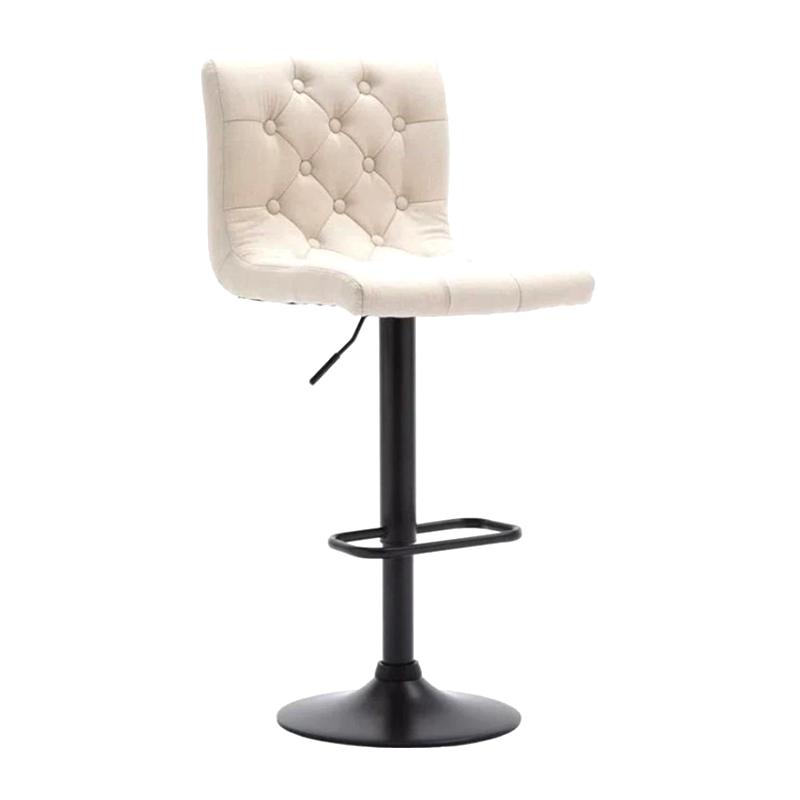
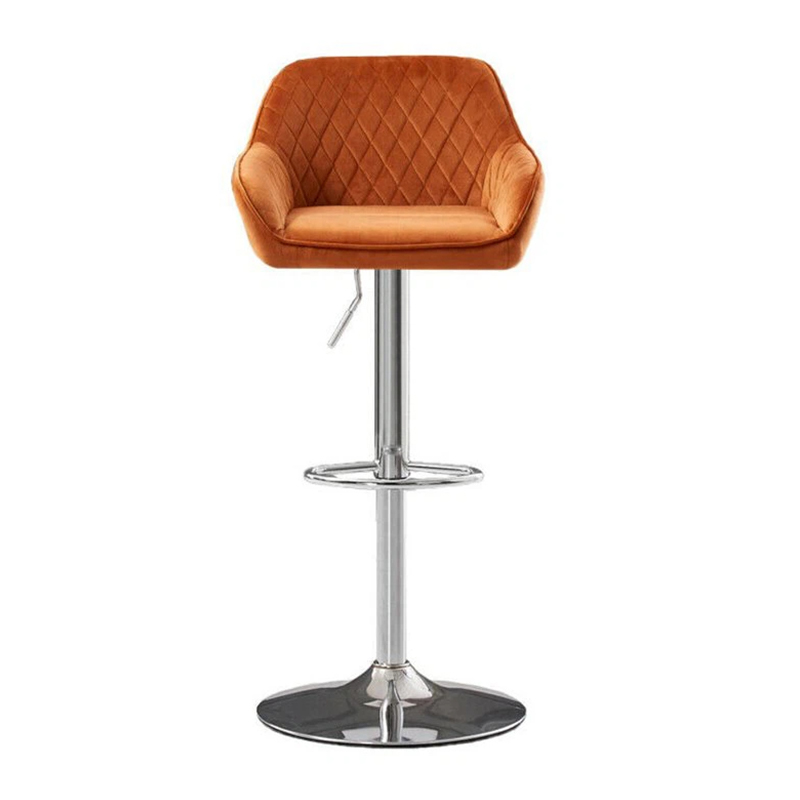 Tufted Swivel Bar Stool with Adjustable Height and 360-Degree RotationThis tufted stool offers gas-lift height adjustment and full swivel, with high-density foam in the seat and back. It provides flexible seating for bars, restaurants, or kitchens, and the available color options add versatility for matching existing decor.View Product →
Commercial Venue Quick Reference
Match seat height to the venue’s turnover and guest mix: a club needs tall, easy-to-clean stools; a cafe needs compact seats; a hotel lounge needs adjustability.
Frequently Asked Questions
What is the standard height for a commercial bar chair?
Standard commercial bar chairs have a seat height of 29 to 30 inches for a 40 to 42-inch bar surface. Counter-height stools range from 24 to 26 inches for a 35 to 36-inch surface.
How much clearance should be between the seat and the counter?
Aim for at least 9 to 12 inches between the top of the seat and the underside of the counter or bar. Less than 9 inches creates pressure on the knees and thighs for most adult users.
Can adjustable-height bar chairs solve commercial seating problems?
Yes, but only if the mid-range of the mechanism matches the application. A gas lift with 24 to 30 inches of travel works for surfaces between 36 and 42 inches. Check the lowest setting, not the maximum height, because most guests sit at a partially compressed lift.
What materials are best for commercial bar chair seats?
For high-turnover venues, use PU leather or a performance fabric with at least 30,000 Martindale rubs. High-resilience foam prevents the seat height from dropping after months of continuous use.
Related Products
-
 Yangguang Industrial Park 2, Anji County, Huzhou City, Zhejiang Province, China
-
 [email protected]
[email protected]
[email protected]
[email protected]
[email protected]
-
 +86-18357268872
QR CODE

