


 En
 English
 Français
 Español

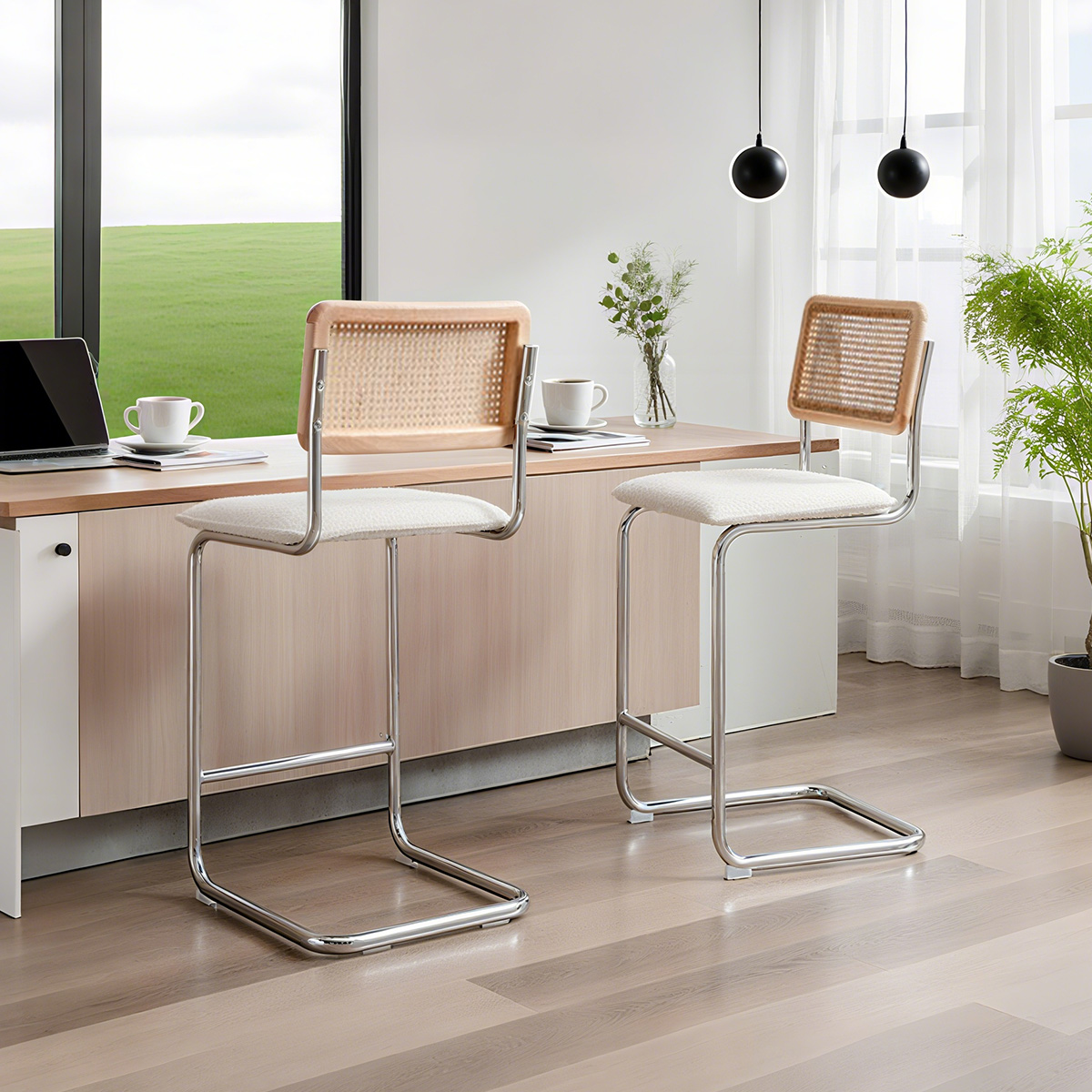
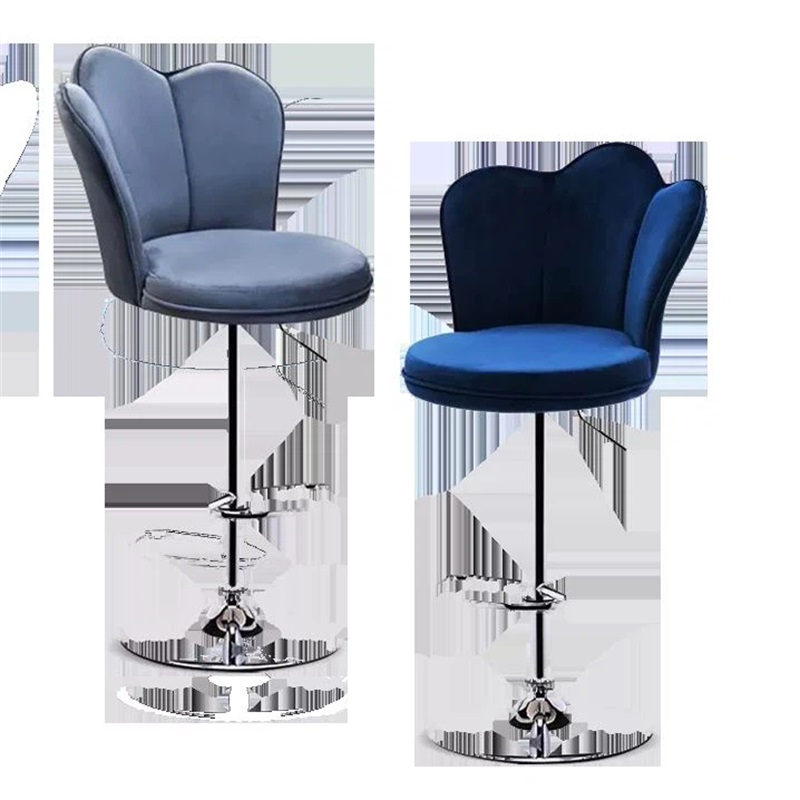
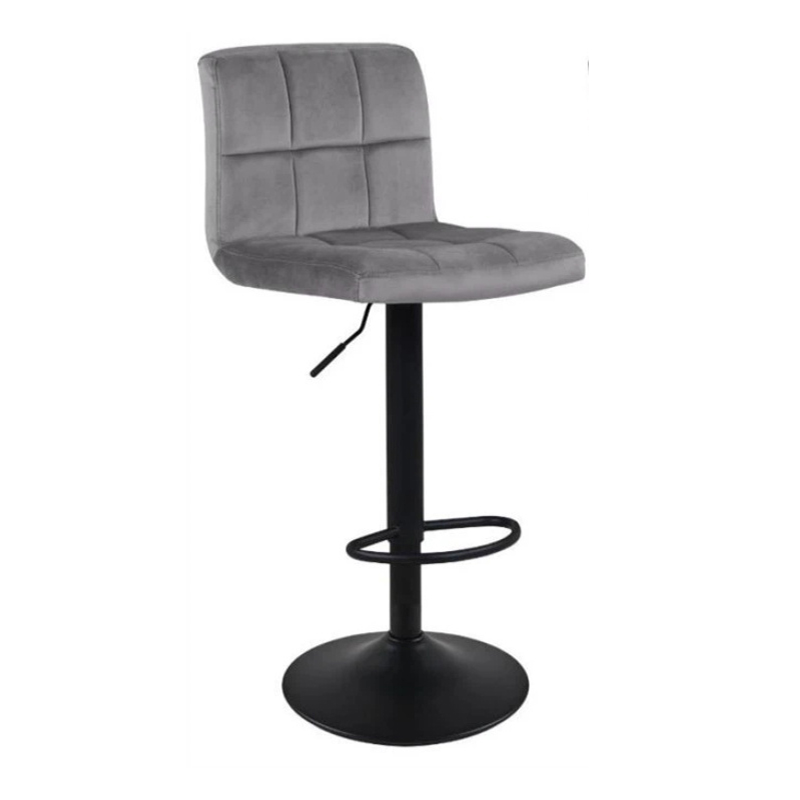
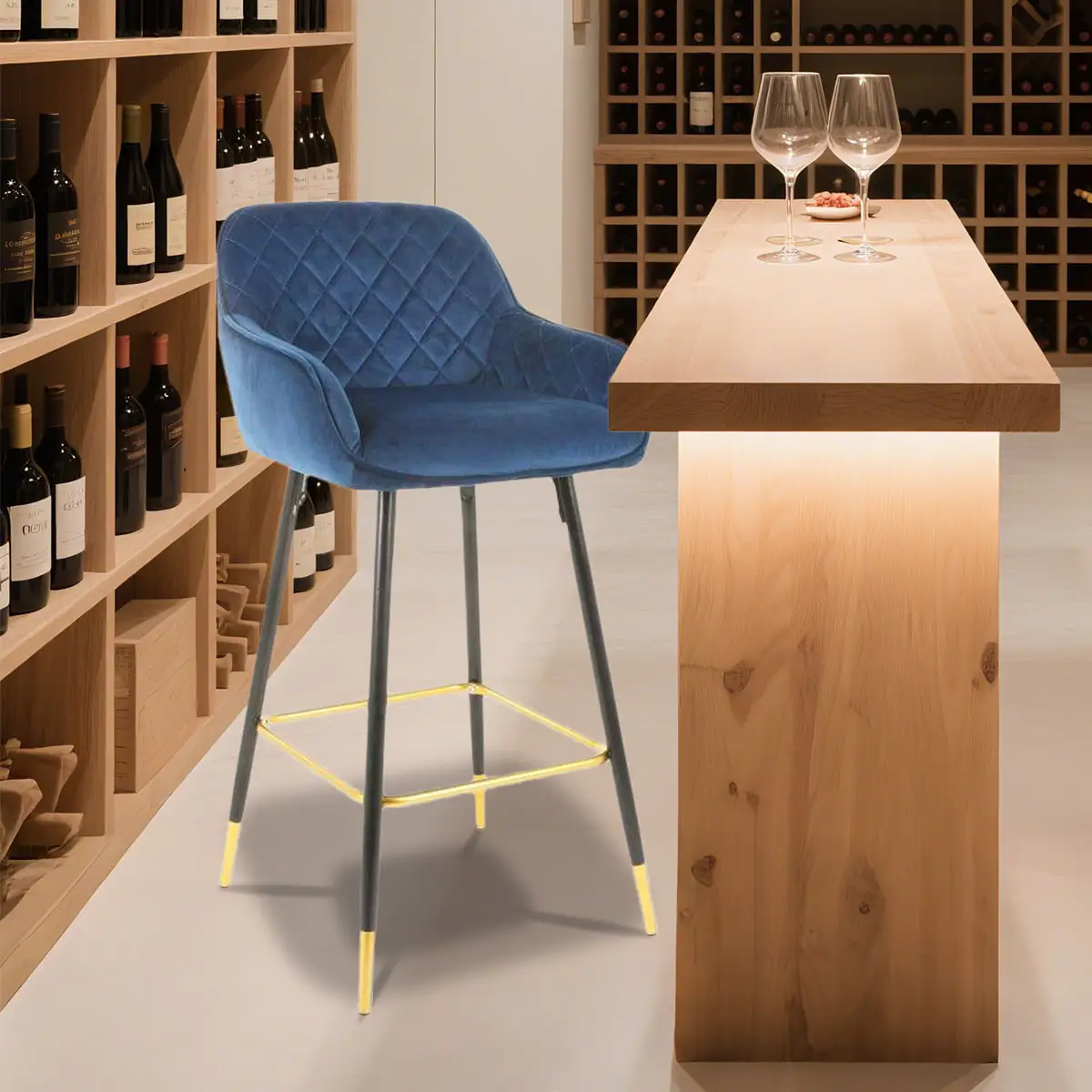
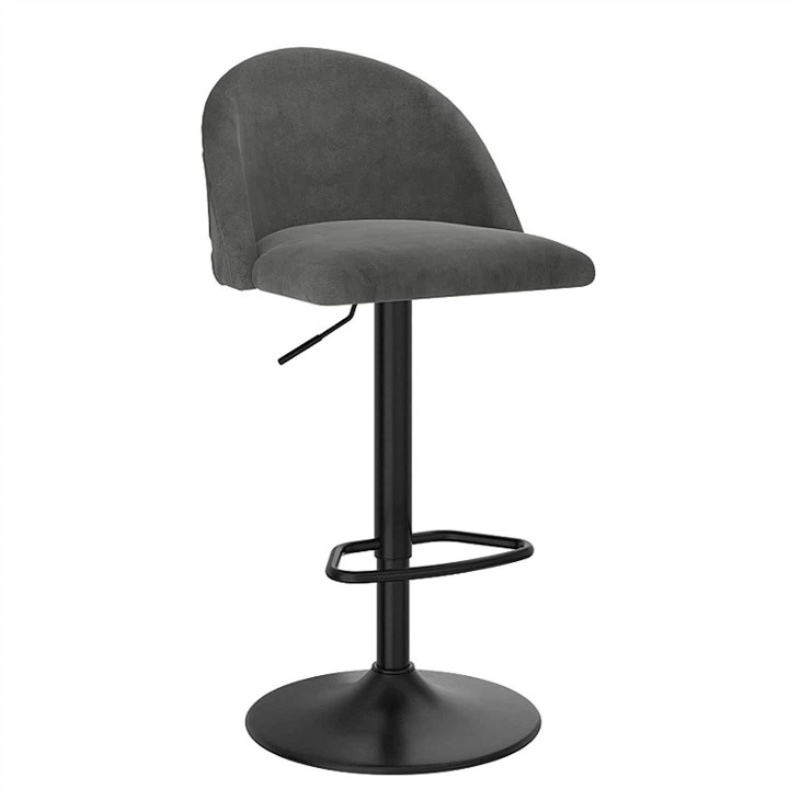
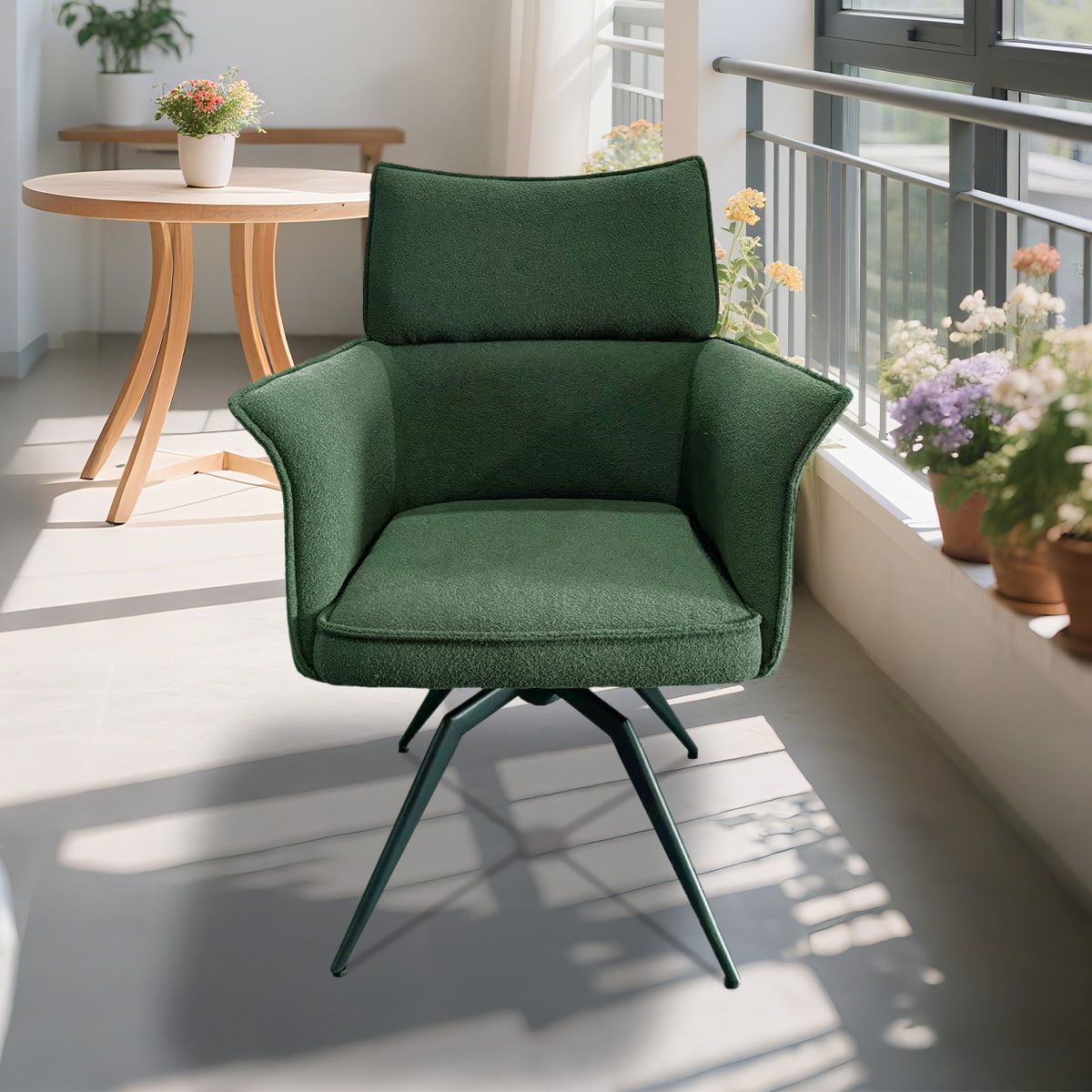
Upholstered Seating Collection
Bar Stools with Upholstered Backrests for Furniture and Hospitality Projects
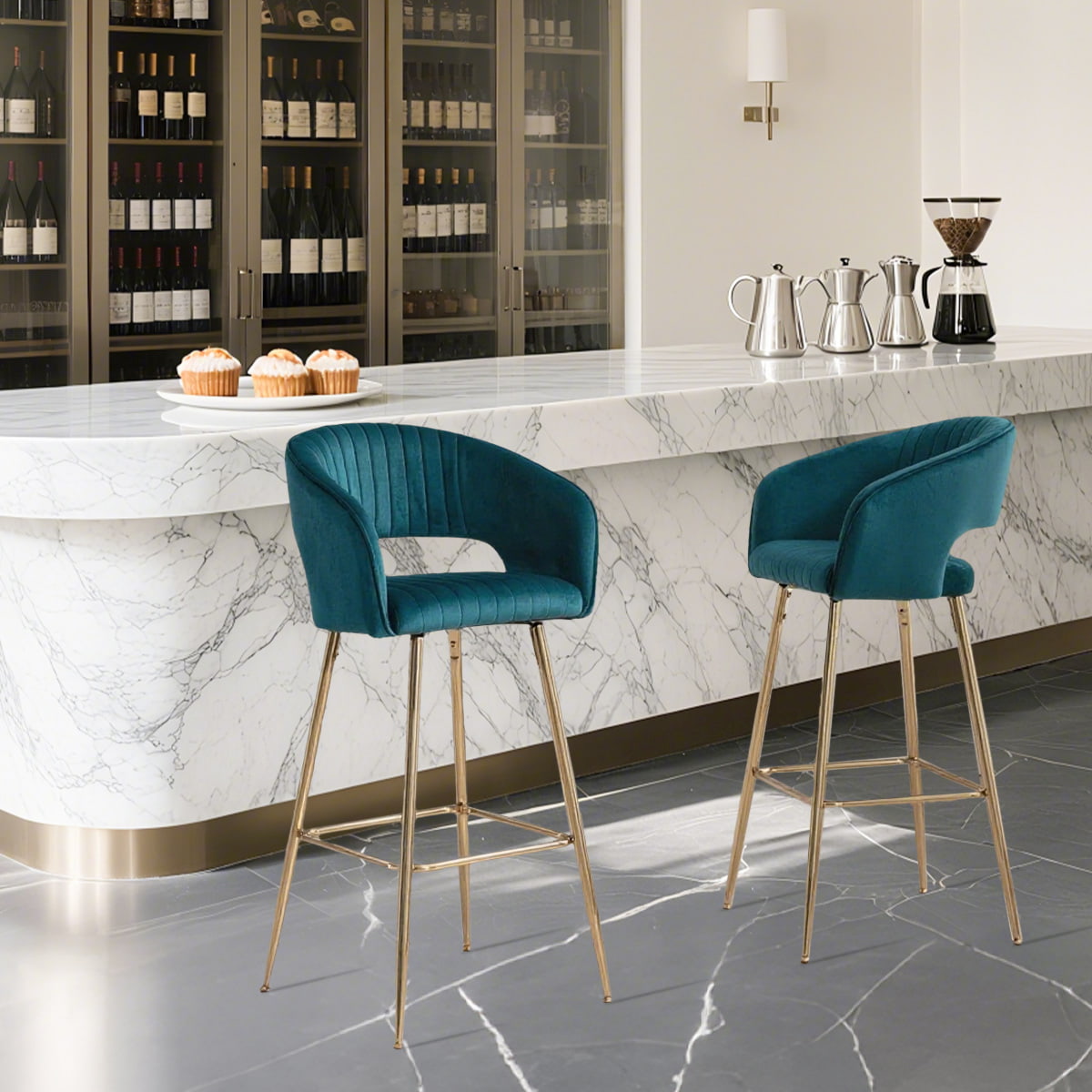
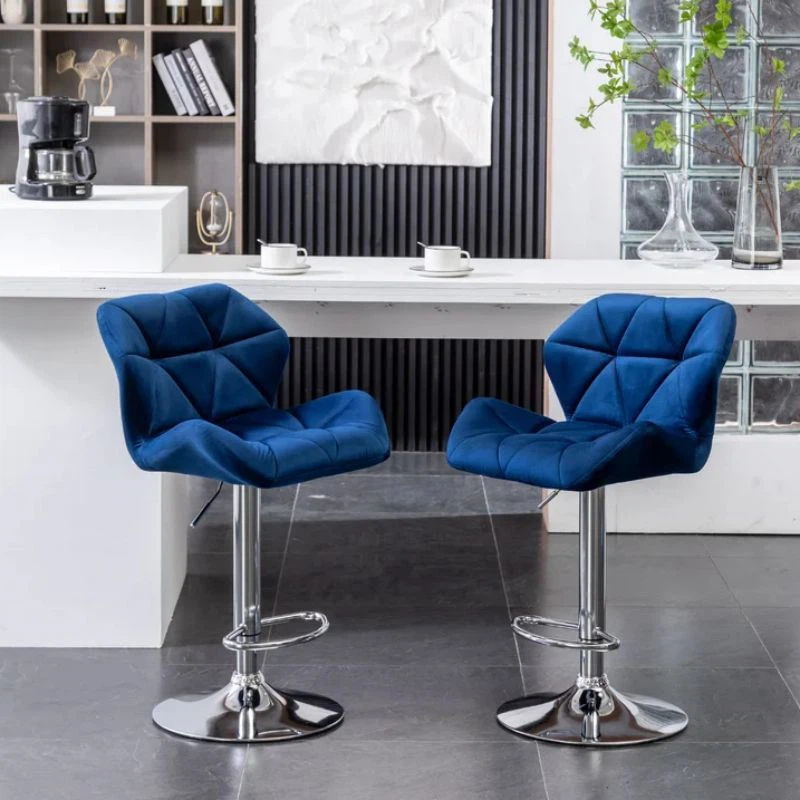
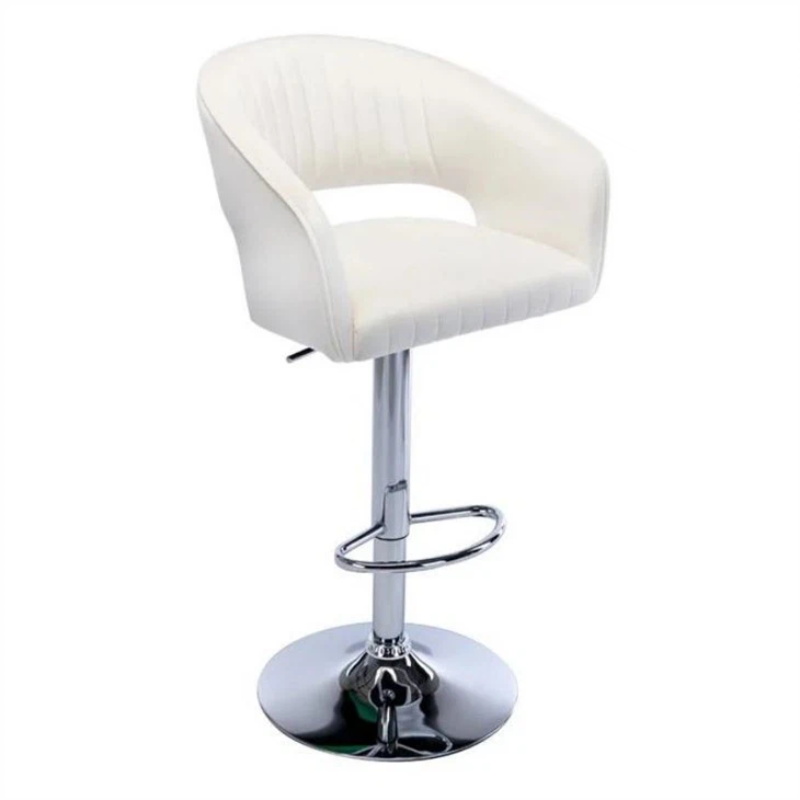
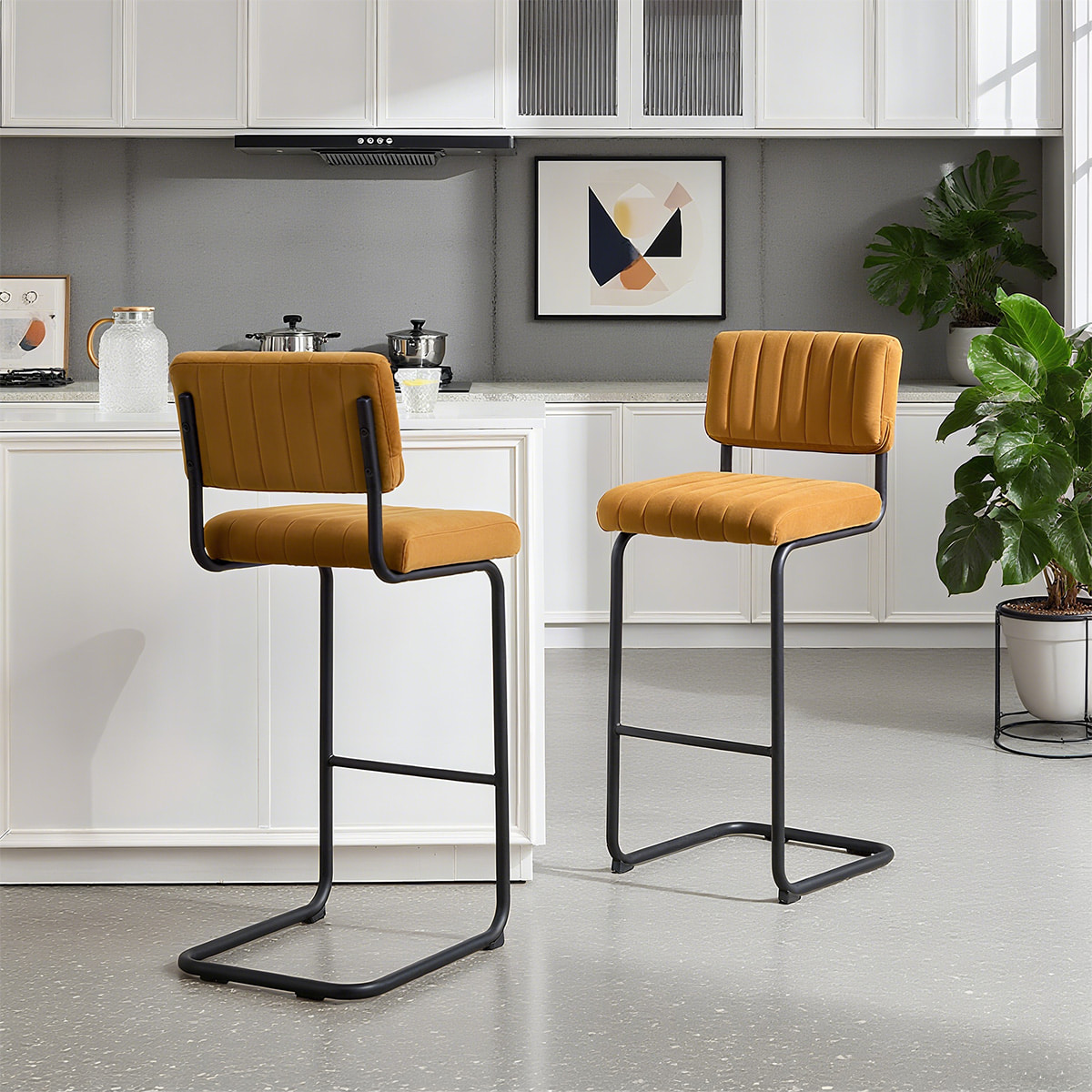
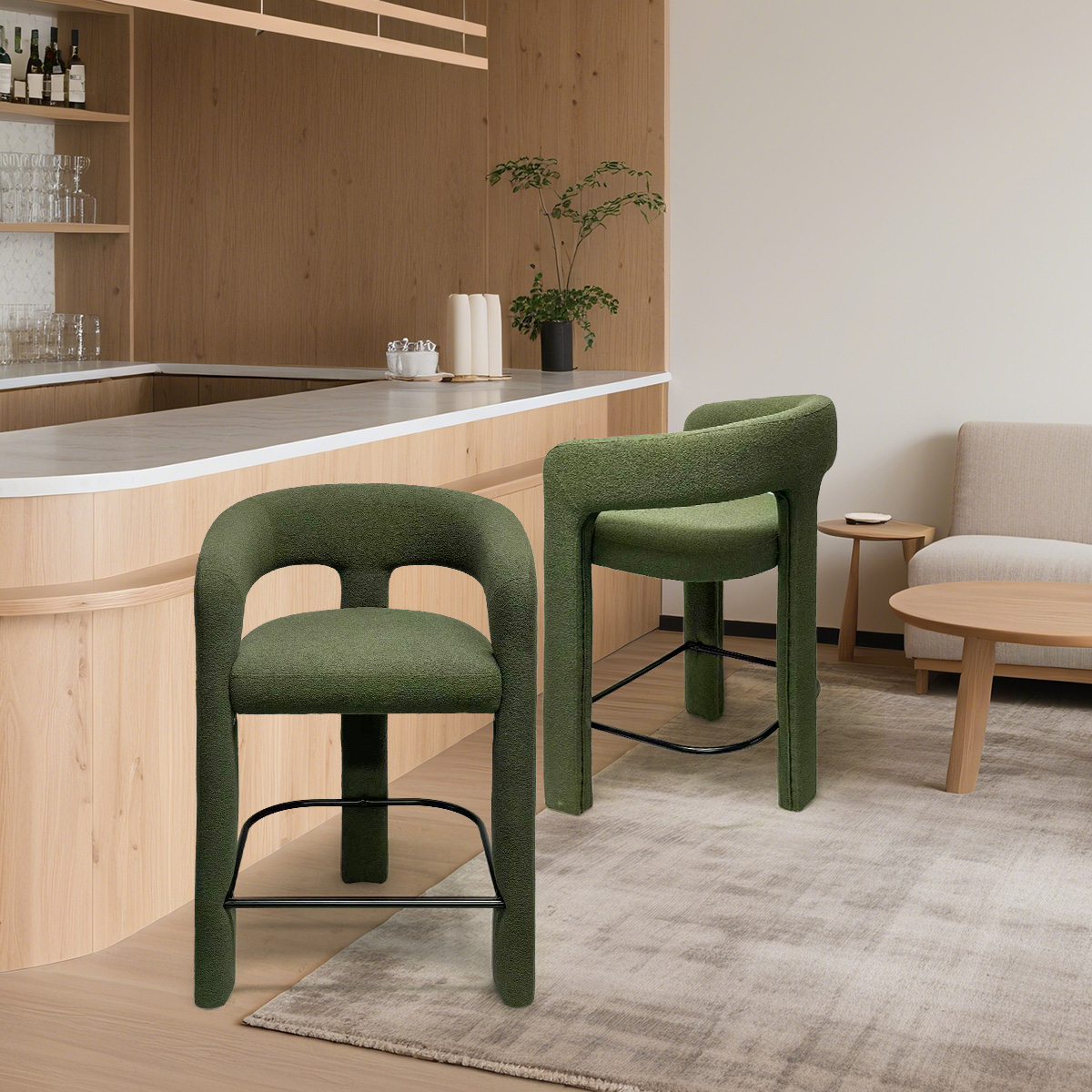
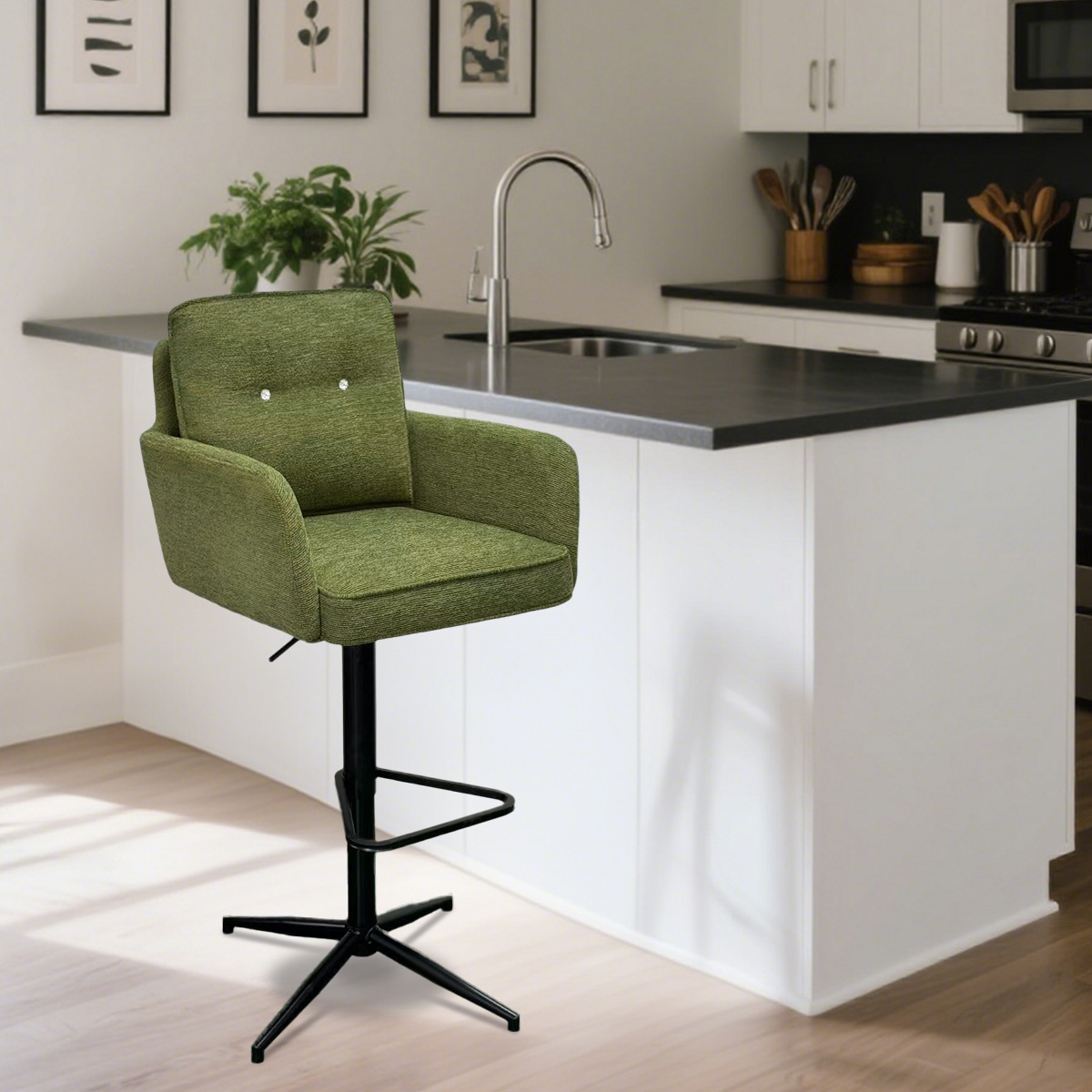
Bar stools with upholstered backrests combine a padded seating surface with a covered back support structure. The backrest can be specified with different shapes, heights, padding thicknesses, upholstery materials, and stitching details. For furniture importers, wholesalers, and project buyers, the main considerations include backrest construction, upholstery coverage, seat-to-back connections, frame support, and finished product dimensions.
Upholstered Backrest Design and Product Structure
The backrest is both a visible design element and a functional component. Its internal support, padding, upholstery covering, and attachment method determine the finished shape and how the component connects with the stool frame.
Backrest Construction as a Complete Assembly
An upholstered backrest generally consists of a supporting core, cushioning layer, outer covering, and connection points. These elements need to be developed together so the finished backrest maintains its intended profile and fits the overall stool design.
Shape: The backrest may use a straight, curved, wraparound, or other model-specific profile.
Padding: Cushioning thickness and density influence the finished dimensions and surface feel.
Covering: Upholstery material and sewing details affect the appearance and maintenance requirements.
Support: The internal structure and mounting points need to match the selected frame design.
Backrest Upholstery Details to Specify
Different upholstery details create different finished appearances. Buyers can use the following specification points when comparing models or preparing a product brief.
Full Upholstery Coverage
The backrest surface is covered with the selected upholstery material.
Front and Rear Finish
Confirm whether the front, rear, and side areas use the same material or different finishes.
Edge Piping
A separate piping detail can define the outline of the upholstered backrest.
Color and Placement
Specify piping material, color, thickness, and its position along the backrest edges.
Decorative Stitching
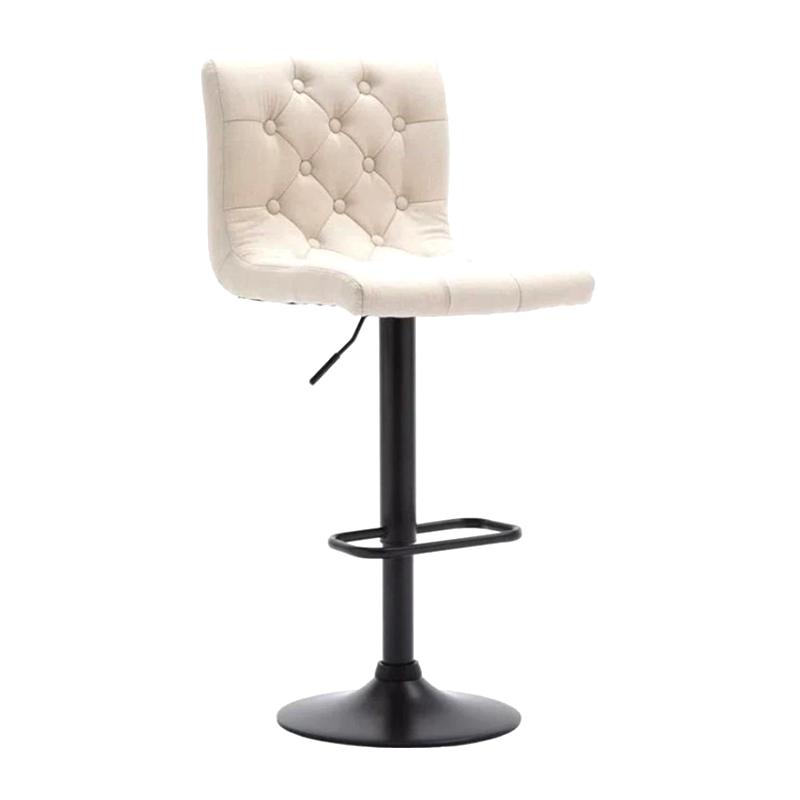
Stitching can create visible lines or patterns across the upholstered surface.
Pattern and Alignment
Confirm stitch spacing, thread color, pattern layout, and consistency between production units.
Quilted Surface
Quilting introduces a patterned surface through stitching and padding arrangements.
Pattern Consistency
Review the approved sample for pattern dimensions, seam alignment, and surface uniformity.
Exposed Frame Details
Some designs combine upholstered sections with visible frame elements.
Material Transitions
Check the meeting points between upholstery, frame components, and exposed edges.
Upholstery Production and Finishing Checks
Consistency depends on more than the selected covering material. Backrest dimensions, cutting, sewing, padding, and final fitting should be reviewed as connected production stages.
Pattern and Material Preparation
Confirm the upholstery pattern, material direction, color reference, and cutting dimensions before the covering is prepared.
Padding and Cover Assembly
Check padding placement, cover tension, seam positions, and the fit around the backrest edges.
Final Fitting and Inspection
Review the finished shape, surface alignment, stitching, attachment points, and consistency with the approved sample.
Backrest Support and Seat Connection
Upholstered components need reliable support from the underlying stool structure. The connection method varies with the backrest design and frame construction.
Integration with the Stool Frame
The backrest may connect to the seat structure, side supports, or a dedicated frame section. The mounting arrangement should be assessed for alignment, rigidity, assembly access, and compatibility with the upholstered covering.
Confirm the support material, thickness, shape, and fixing locations according to the selected model.
Review fastener positions and the connection between the backrest support and the stool frame.
Check the transition between the backrest and seat for gaps, interference, and upholstery alignment.
Confirm that the frame design is appropriate for the specified seating structure and applicable load requirements.
Upholstery Materials for Backrests and Seats
The backrest and seat can use matching upholstery for a coordinated appearance or different materials where the design requires contrast. Material selection should consider the intended market, cleaning method, wear conditions, and project specification.
Confirm the actual material composition, color reference, texture, cleaning instructions, and relevant performance test requirements. Do not assume that different materials have identical abrasion, colorfastness, or maintenance properties.
| Material | Specification Points |
|---|---|
| Fabric | Weave, composition, texture, color, and cleaning instructions. |
| Velvet | Pile direction, surface appearance, color consistency, and care requirements. |
| PU Leather | Surface finish, backing material, thickness, and cleaning method. |
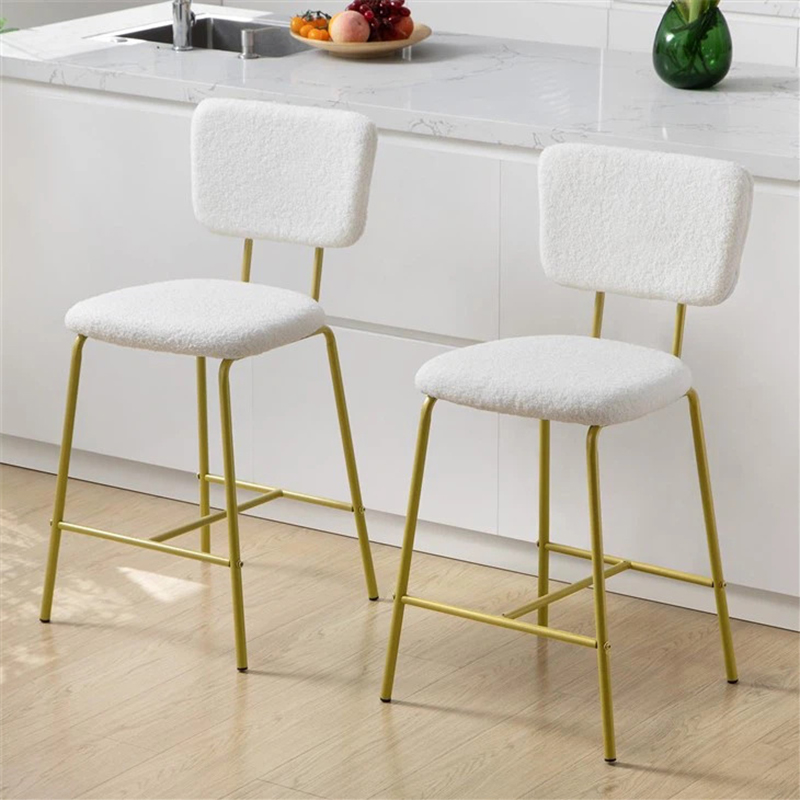
| Boucle | Loop texture, composition, color matching, and maintenance requirements. |
Applications for Bar Stools with Upholstered Backrests
Upholstered backrests can be incorporated into furniture collections for residential, hospitality, and commercial interiors. Product dimensions and material specifications should be matched to the actual installation environment.
Back-supported seating for bar counters and elevated dining areas. Review upholstery maintenance, frame construction, and repeated-use requirements.
Coordinated backrest finishes and frame details for hotel bars, lounge counters, and guest-facing seating areas.
Upholstered counter stools for residential kitchens. Confirm seat height, backrest clearance, and available spacing around the island.
Different upholstery colors, stitching details, and backrest profiles can support product collections aimed at different retail markets.
Specify backrest shape, covering material, frame finish, and overall dimensions to coordinate with the project furniture schedule.
Bulk Order Specification Checklist
A clear product brief helps buyers communicate the required backrest construction and finished appearance before sample approval and mass production.
Specify backrest height, width, thickness, shape, and position relative to the seat.
Identify material type, composition, color reference, texture, and applicable performance requirements.
Confirm padding material, thickness, density, and the intended finished profile.
Provide seam layout, piping details, thread color, and any decorative stitching requirements.
Confirm frame material, finish, seat dimensions, footrest arrangement, and backrest fixing method.
Provide quantity, packing method, assembly requirements, carton specifications, and destination market.
Frequently Asked Questions
What are bar stools with upholstered backrests?
These bar stools feature a backrest covered with upholstery material, usually combined with a padded seat. The backrest may use different shapes, heights, padding structures, and finishing details depending on the model.
Can the backrest and seat use different upholstery materials?
Some designs can combine different materials or colors on the backrest and seat. Compatibility, sewing details, and the finished appearance should be confirmed during sample development.
What backrest finishing details can be specified?
Depending on the product design, options may include edge piping, decorative stitching, quilted surfaces, contrasting upholstery, and different front or rear covering arrangements.
How should buyers check upholstered backrest quality?
Review the backrest shape, padding distribution, upholstery tension, seam alignment, edge finishing, mounting points, and consistency with the approved sample. Material-specific performance requirements should be checked separately.
Can upholstered backrest bar stools be used in commercial projects?
They can be specified for restaurants, hotels, cafes, and other commercial interiors. Buyers should confirm the upholstery maintenance requirements, frame construction, applicable testing standards, and intended use conditions.
What information is needed for a bulk quotation?
Provide the required quantity, overall stool dimensions, backrest design, upholstery material, color, stitching details, frame finish, packaging requirements, and delivery destination. Drawings or approved reference samples can help clarify the specification.
Discuss Your Upholstered Backrest Bar Stool Requirements
Share your preferred backrest profile, upholstery material, padding details, stitching design, frame construction, and order quantity. These specifications can be used to review product feasibility, prepare samples, and establish a quotation for your furniture purchasing program.


