


 En
 English
 Français
 Español
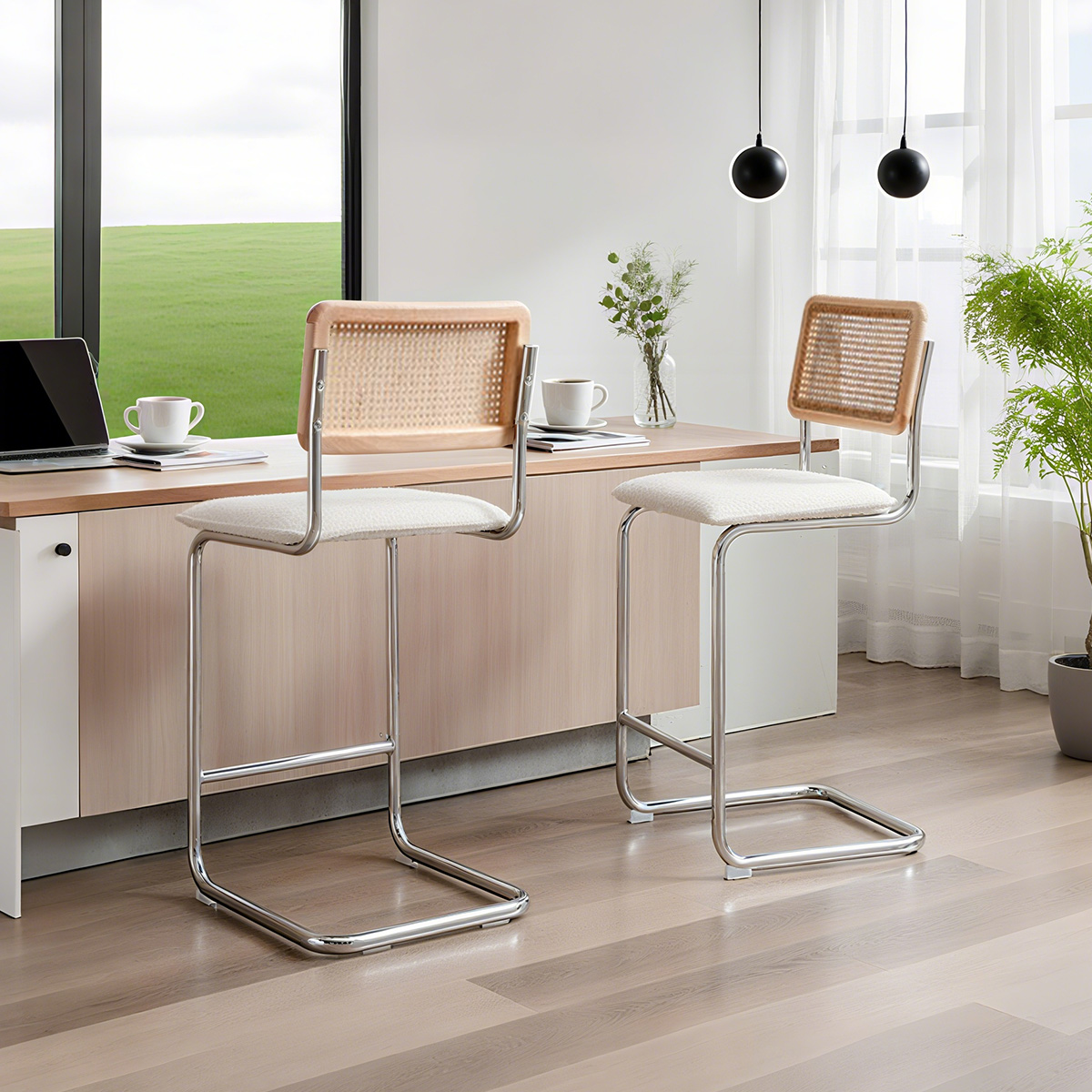
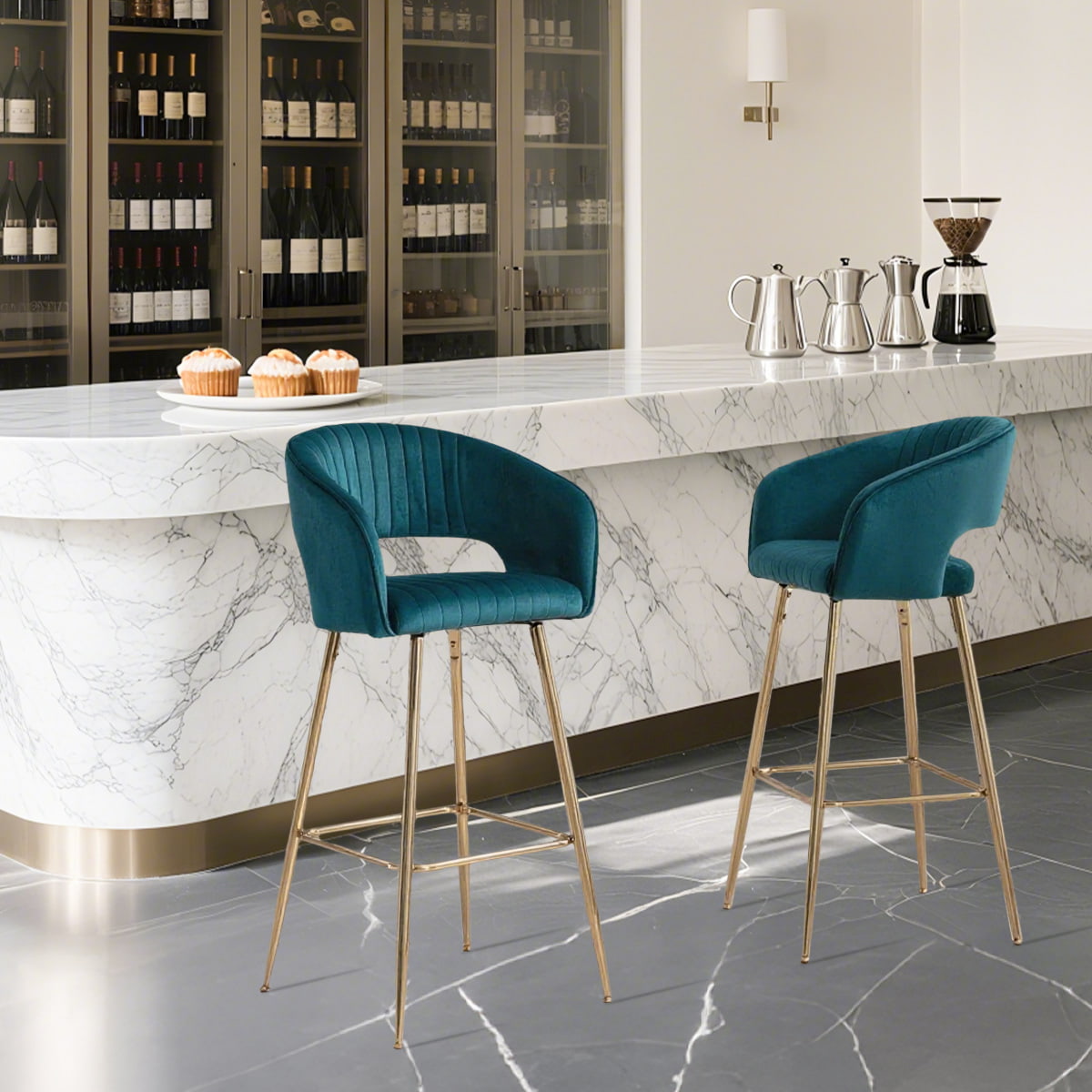
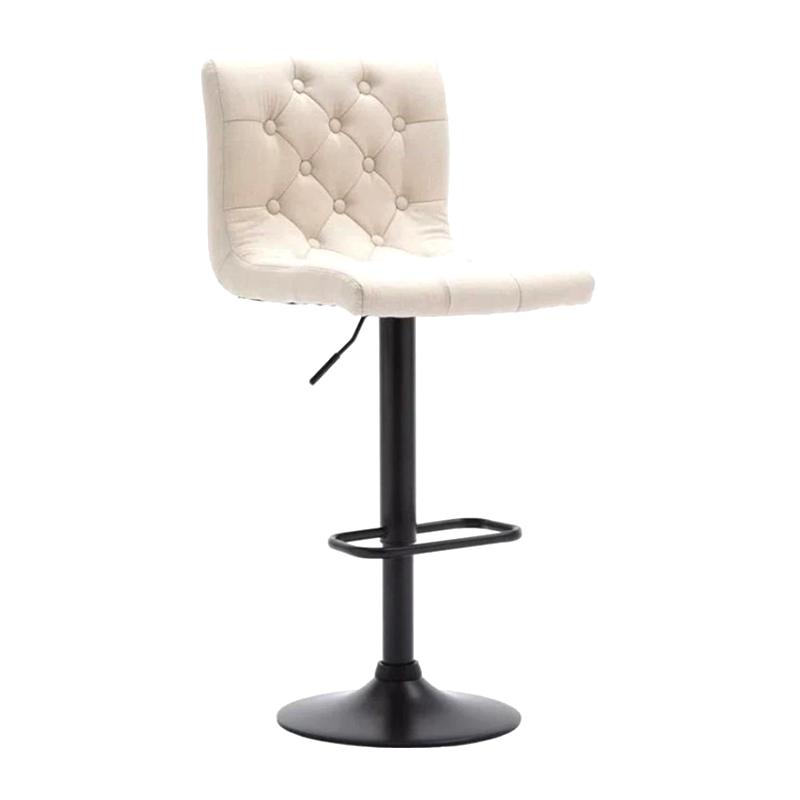
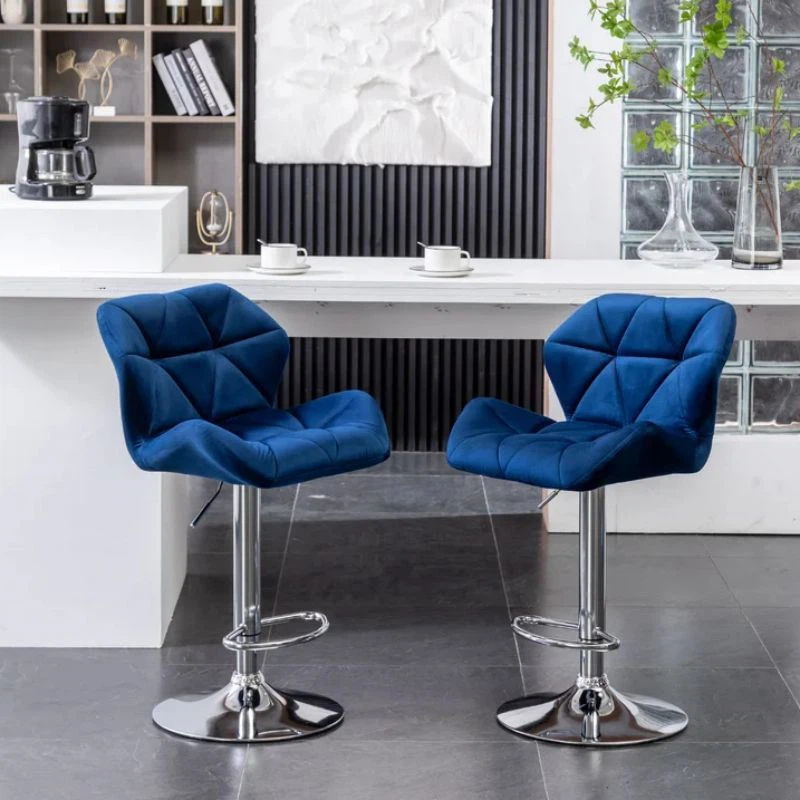
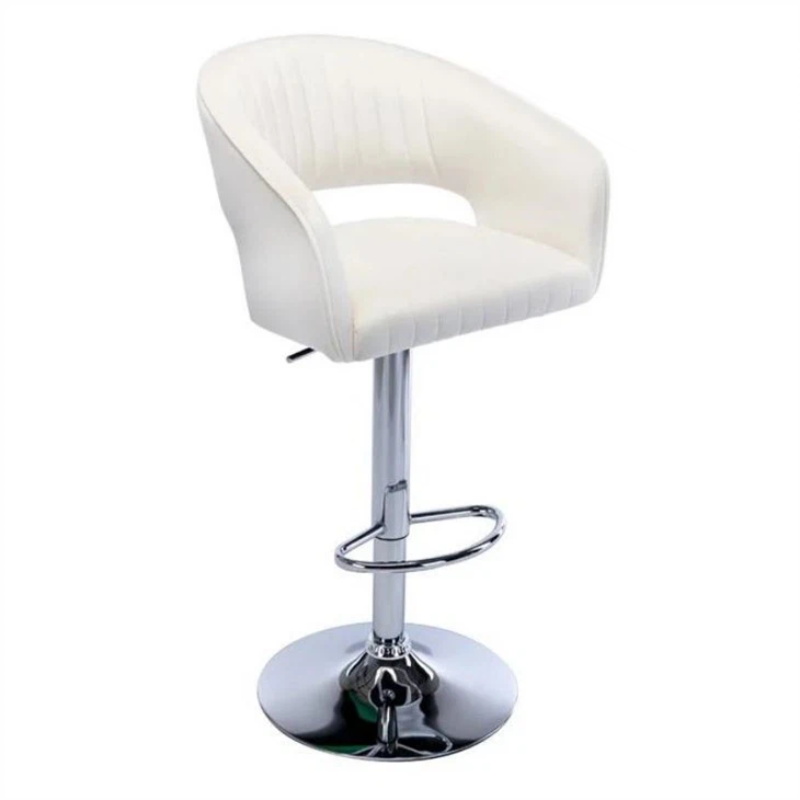
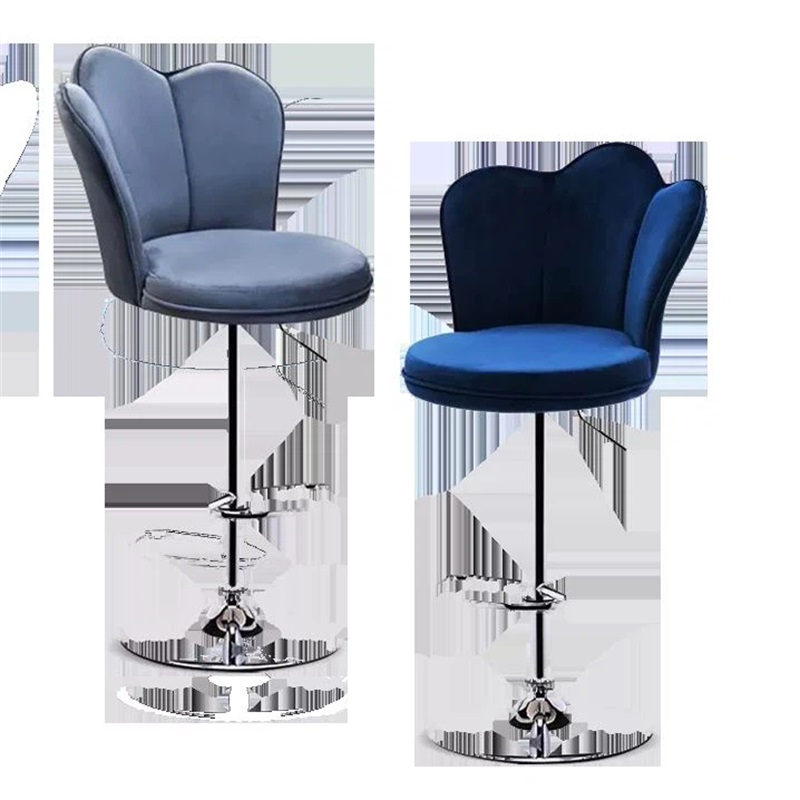
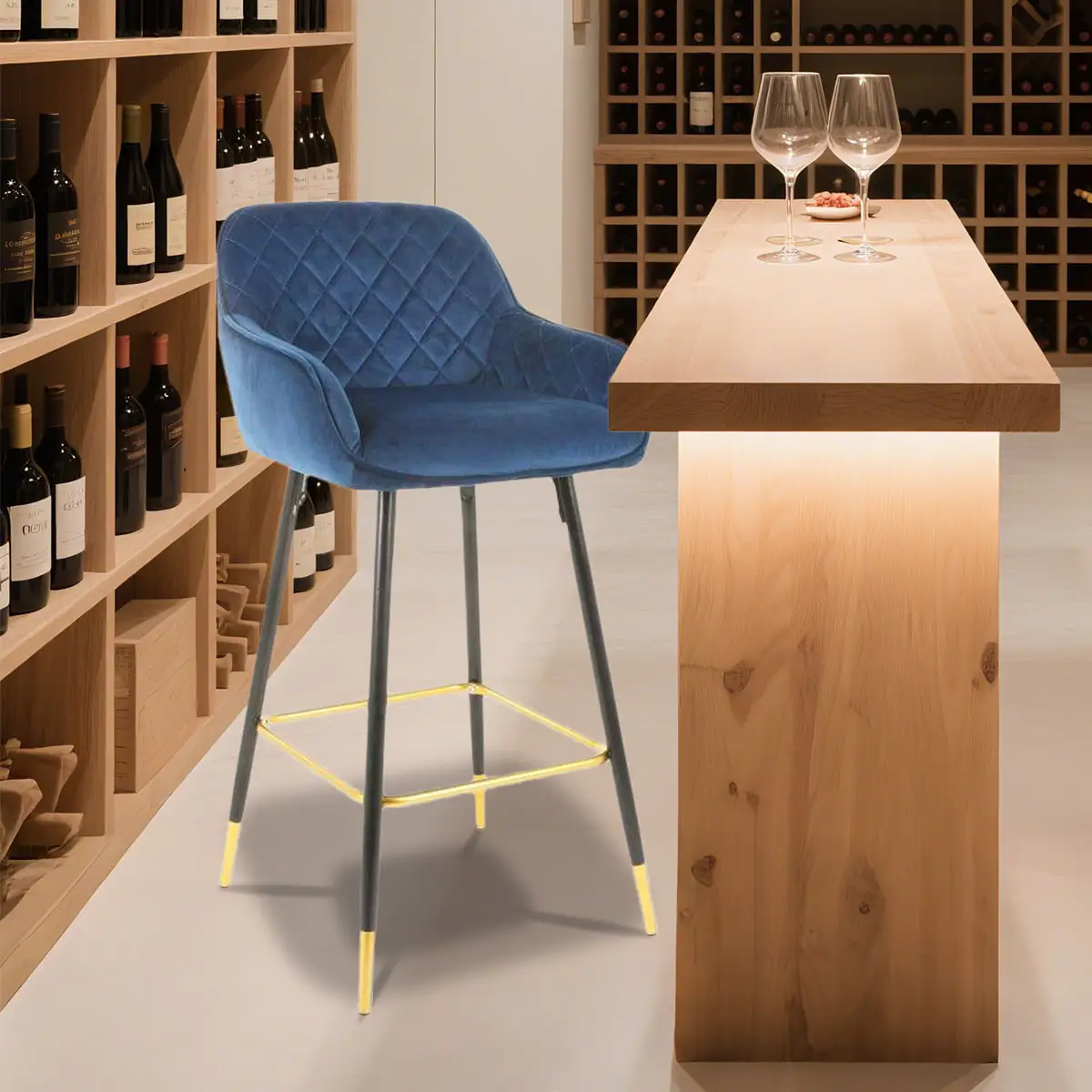
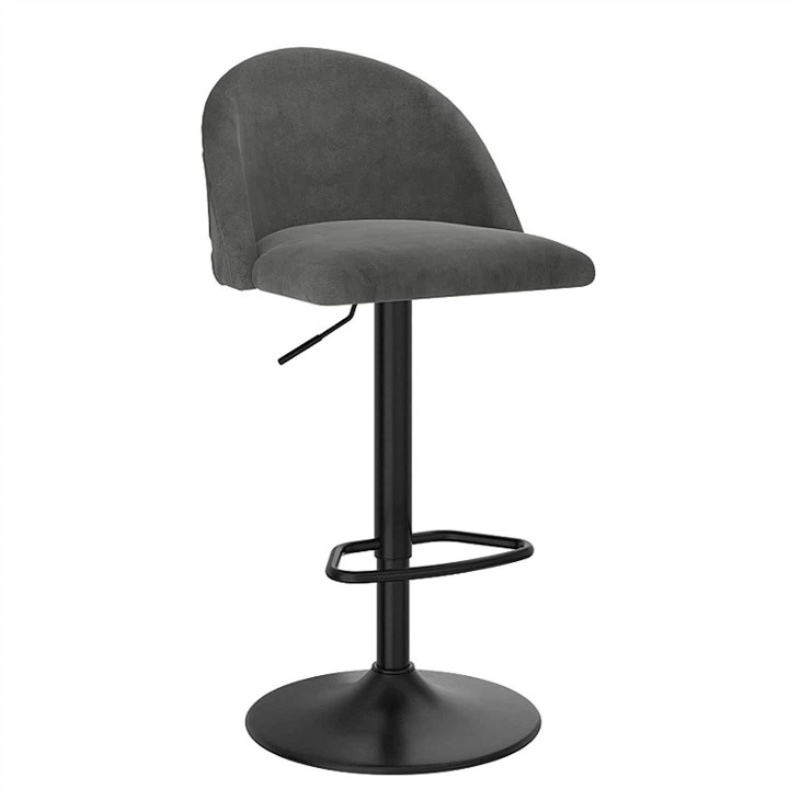
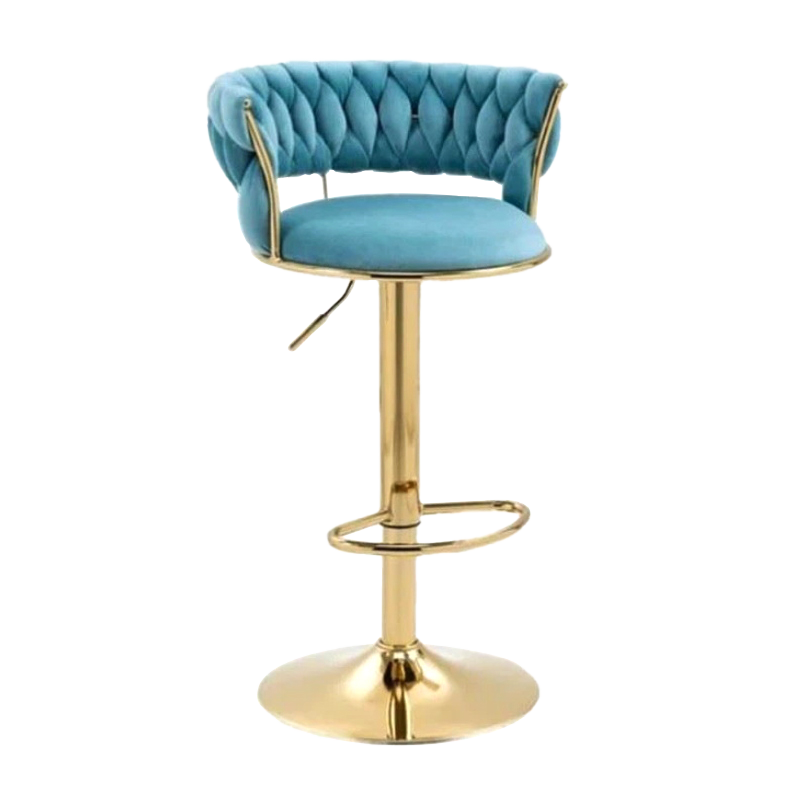
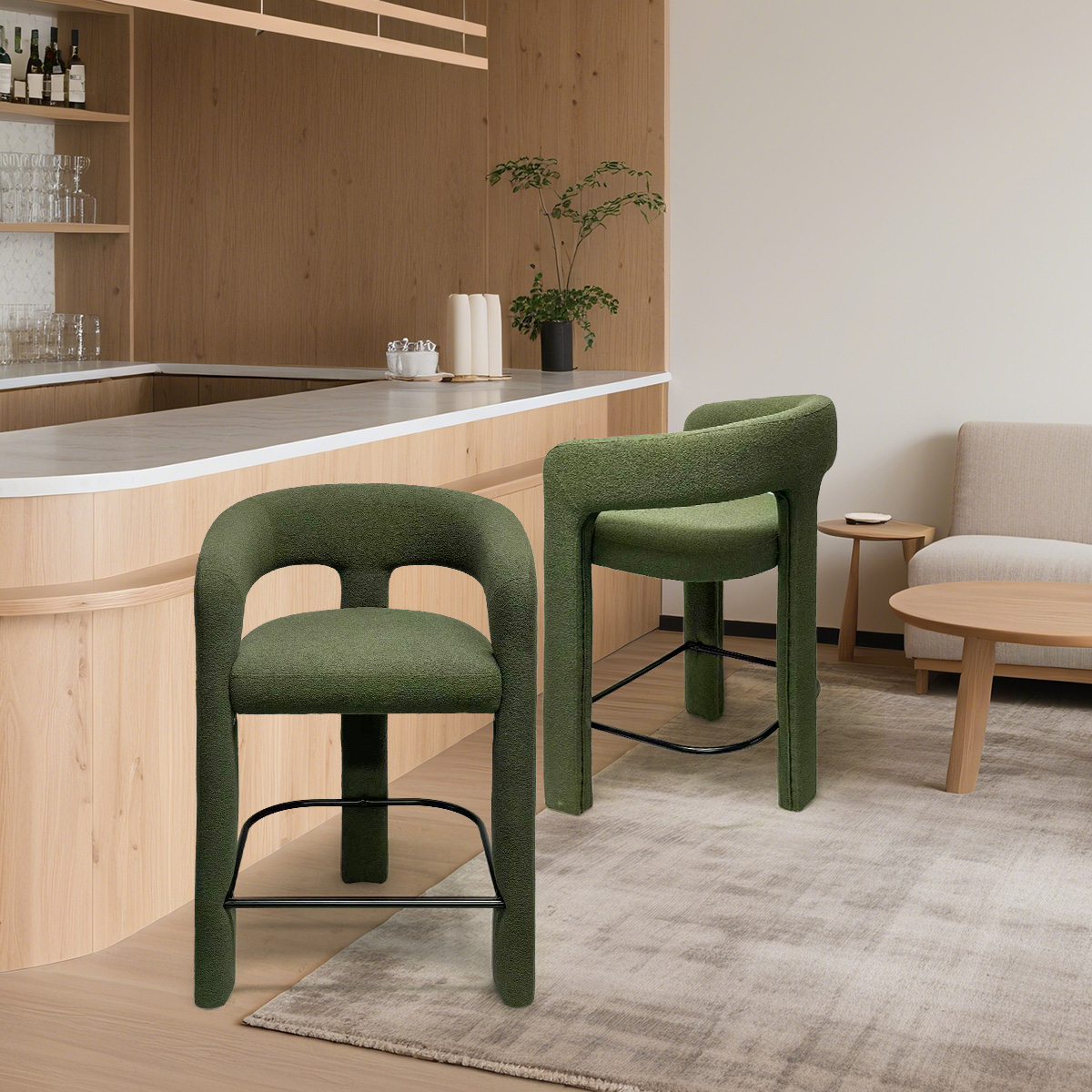


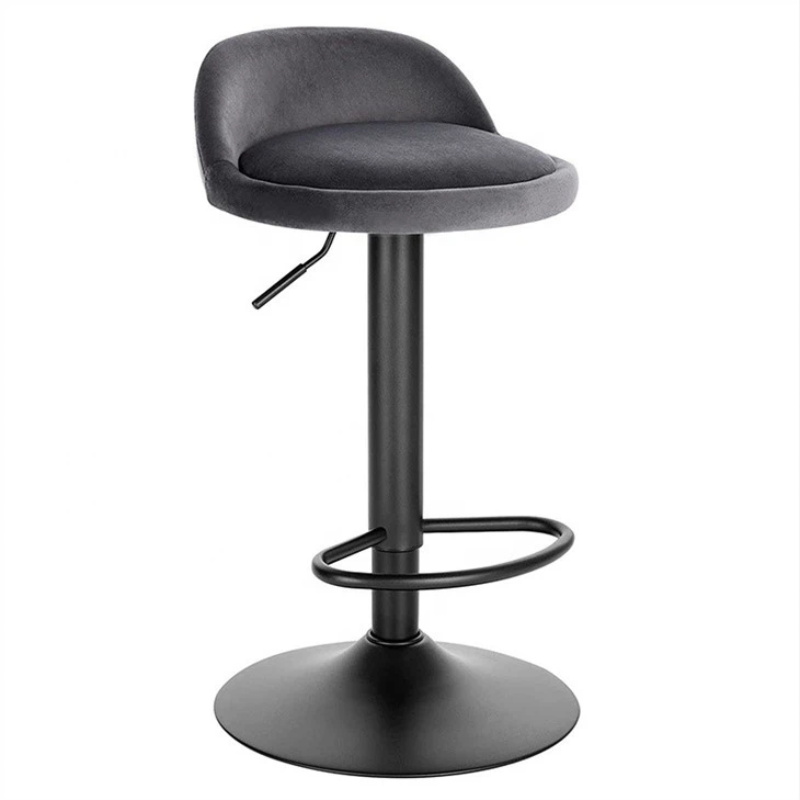
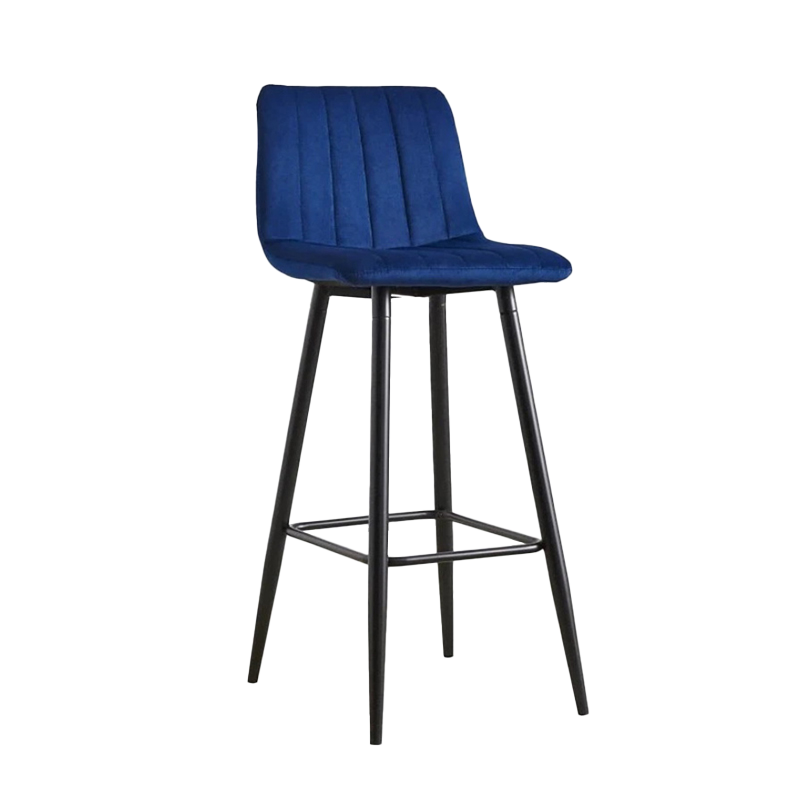

Counter Height Bar Stools with Backs
Counter height bar stools with backs are designed for kitchen islands, breakfast counters, and raised dining surfaces. The backrest provides additional upper-body support, while the seat height is configured for counter-level seating rather than traditional bar-height applications.
SEATING SPECIFICATION
Counter-Level Seating
Seat height, backrest design, and frame configuration should be evaluated together.Counter Height vs. Bar Height
One of the first purchasing decisions is selecting the correct seat height. A stool that is too high or too low can reduce legroom and make the counter uncomfortable to use.
For Kitchen Islands and Counters
Common seat-height reference for counters around 34–36 inches high. Confirm the actual counter dimensions and product specifications before ordering.
For Higher Bar Surfaces
Common seat-height reference for bar surfaces around 40–42 inches high. This configuration is generally taller than counter-height seating.
Allow approximately 10–12 inches between the seat surface and the underside of the counter as a starting point for legroom evaluation. Actual comfort depends on seat thickness, user requirements, and counter construction.
Different Back Designs for Different Seating Requirements
The backrest influences the stool's appearance, seating support, and overall dimensions. Buyers can compare backrest shapes according to their product positioning and target applications.
Low Back Bar Stools
A lower backrest provides some upper-body support while maintaining a relatively compact visual profile. It can be considered for kitchen islands and smaller counter areas.
Full Back Bar Stools
A higher backrest offers more coverage behind the user's back. This configuration is often considered for seating areas where extended sitting is expected.
Curved Back Bar Stools
A curved backrest follows a more enclosed seat profile and creates a distinctive furniture appearance. Its dimensions and curvature should be checked against the seat structure.
Upholstered Back Bar Stools
A padded backrest adds a cushioned contact surface. Upholstery materials and padding specifications can be coordinated with the seat design.
Seat, Backrest, and Frame Options
Surface appearance, cleaning, and wear requirements
Support coverage, overall height, and visual profile
Structural stability, finish, and intended application
Footprint, floor contact, and seating arrangement
Foot support position and connection structure
Where Counter Height Bar Stools Are Used
Kitchen Islands
Counter-height stools with backrests are commonly specified for kitchen islands where seating is used for breakfast, casual dining, and everyday activities.
Breakfast Counters
Suitable for residential dining areas with counter-level surfaces.
Restaurants and Cafes
Can be used in counter seating areas when dimensions and materials meet the project's requirements.
Hospitality Interiors
Available configurations can be coordinated with hotel bars and other interior seating areas.
What to Confirm Before Placing a Bulk Order
For importers, furniture distributors, and project procurement teams, the following specifications help ensure the selected stool matches the installation environment.
Confirm the seat height separately from the overall stool height. Check the required clearance between the seat and counter underside.
Review backrest height, width, angle, and its relationship to the seat dimensions.
Check the base width and depth, especially when stools will be installed side by side along a counter.
Confirm upholstery type, frame finish, color consistency, and maintenance requirements.
Confirm whether the product requires assembly, the carton dimensions, protective packaging, and quantity per carton.
Frequently Asked Questions
What is the standard seat height for counter height bar stools?
A common reference is approximately 24–27 inches. The appropriate seat height depends on the actual counter height and the clearance required for comfortable legroom.
What is the difference between counter height and bar height stools?
Counter-height stools are generally shorter and are designed for kitchen counters and islands. Bar-height stools are taller and are intended for higher bar surfaces.
Are backrests available in different designs?
Yes. Depending on the product range, options may include low backs, full backs, curved backs, and upholstered backs.
Do counter height bar stools need footrests?
A footrest can provide a place to rest the feet, particularly when the seat is elevated above standard dining chair height. Its position should be evaluated alongside the seat height and frame structure.
How much space should be left between two counter stools?
As a general planning reference, approximately 6–10 inches between adjacent seats can help provide personal space. The actual spacing depends on seat width, armrests, and the counter layout.
Looking for Counter Height Bar Stools with Backs?
Discuss seat dimensions, backrest configurations, materials, frame finishes, and bulk order specifications with our team.


