Content
By Duomei Home
A furniture wholesaler approved an upholstered dining chair because the seat felt firm and supportive. The first production chairs looked right but felt softer. The purchase order specified the fabric color and cushion dimensions. Its entire description of the filling was "foam cushion."
Before authorizing a bulk order, give the factory a labeled sample and a signed specification sheet that explains what made that chair acceptable. Use the first production unit to check whether those instructions reproduce it. The five examples in this guide come from Duomei's customer orders. Customer names are withheld.
Put the model, purchase order, sample ID, drawing revision, approval date and approver on the sheet. For each feature that matters to the buyer, record the target, the comparison or measurement method, and the variation both parties will accept.
| Feature | What the factory and buyer need on file |
| Seat and frame | Dimensioned drawing with measurement points and agreed tolerances. For a stool, include footrest height. For a dining chair with arms, check clearance under the intended table. |
| Upholstery | Fabric supplier and article number, color swatch, seam position and photographs of the approved profile. Mark which face of the fabric is visible. |
| Cushion | Foam grade, density, firmness, thickness and layer sequence. Identify the board, webbing or other support used beneath it. |
| Finish and function | Retain a coated part or finish panel. For swivel or adjustable models, identify the mechanism and agree how to check its movement on the assembled chair. |
On the wholesaler's order, purchasing had no foam specification tied to the sample. The buyer and supplier agreed on the missing cushion details and how to check them. The supplier remade the cushion and compared it with the retained chair. Production continued after approval.
Density tells you how much foam a given volume contains. Two foams of the same density can differ in firmness. If the supplier quotes a firmness value, ask for its units and test method, then compare the complete seat with the retained sample. Foam Performance, Polyurethane Foam Association
On a hotel lounge chair project, the buyer approved two changes during sampling. The second version lowered the arms. The final version also changed the backrest angle. The buyer signed off by email, but several drawings shared a filename.
The supplier checked the first frame before starting the batch. Its arms matched the second version and its back still followed the first. The buyer and supplier gave the final sample and drawing a matching revision ID, dated the specification sheet and recorded both changes. The factory withdrew the superseded drawings from the workstations. Frame makers, upholsterers, purchasing and inspectors then had the same reference.
Ask to see the revision on the drawing used at the frame station. Have the first frame measured at the marked armrest and backrest points while the joints are still visible. Release the remaining frames once that check is signed off. If the drawing and the approved chair disagree, identify the affected feature and obtain a written decision before the batch proceeds.
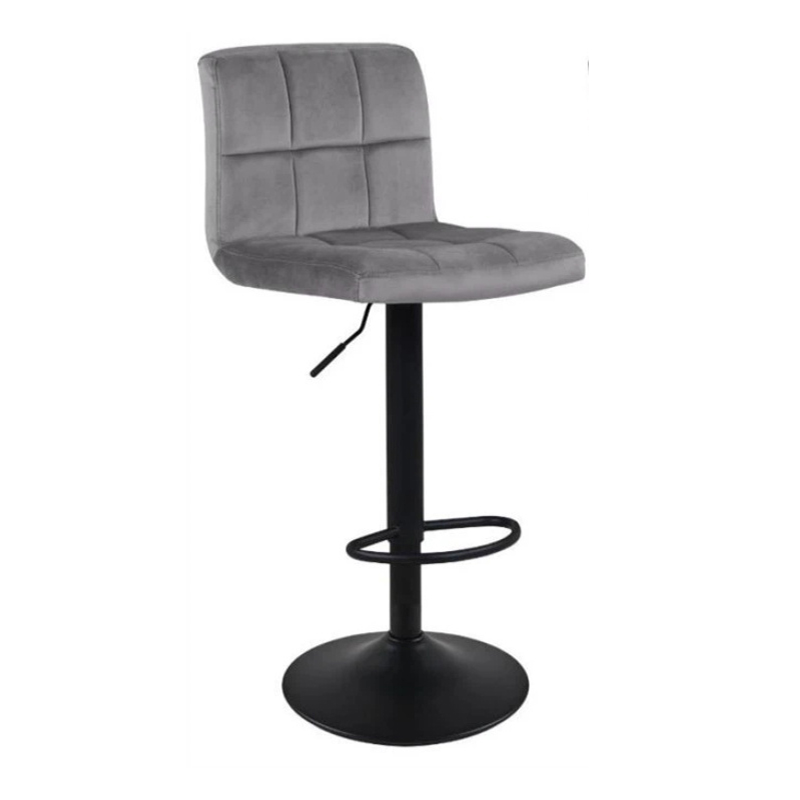
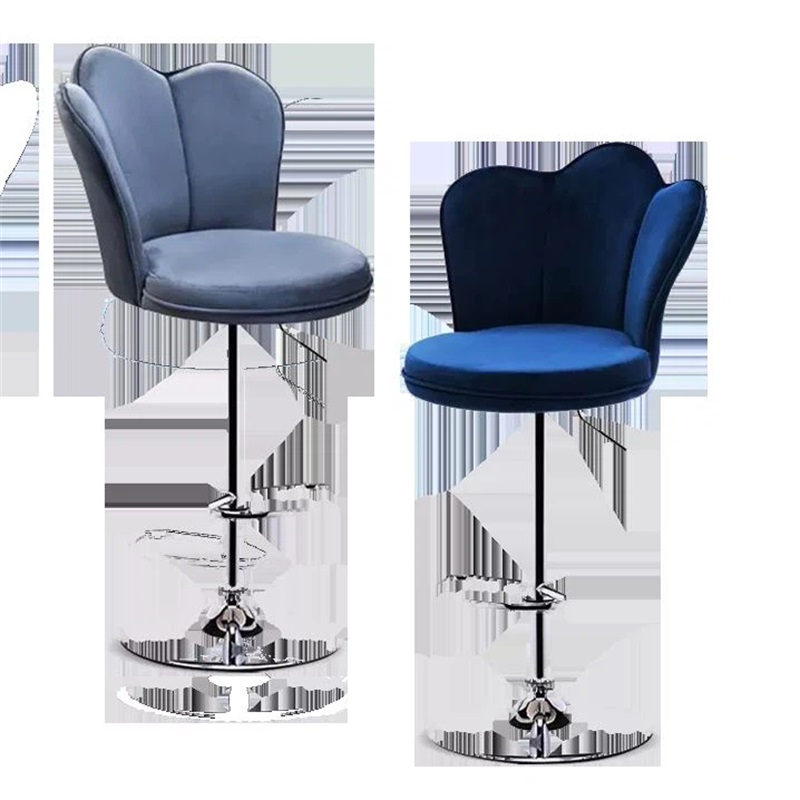
A restaurant furniture buyer ordered metal bar stools in matte black. When the supplier set the first coated frame beside the approved one, both looked black, but the new frame had a smoother surface and reflected more light. The order gave the coating shop a color name and no reference for either gloss or texture.
The buyer and supplier identified the coating material and used an approved frame or finish panel as their reference. They recorded the texture and how gloss would be checked, then compared the first coated parts under the same conditions. They agreed on the acceptable range before coating continued.
For a visual check, place the two finished surfaces next to each other, under the same light and at the same angle. Inspect a flat section and the visible curve of a tube. If gloss readings form part of acceptance, put the measurement angle, surface to be measured and agreed range on the order. Keep the physical reference for texture and color.
Match incoming fabric and foam identifiers to the approved specification before cutting. Check the bare frame before upholstery covers its joints. When the first upholstered chair comes off the line, compare its seam positions, cushion profile and seat feel with the retained chair. Keep the material lot and drawing revision with each result so an inspector can trace a later discrepancy.
A restaurant buyer expected identical upholstered chairs to stand together in one dining area. A photograph of one finished chair looked close to the sample. At pre-shipment inspection, the inspector selected chairs from different cartons and identifiable production batches and lined them up. Some back seams sat higher. Differences in fabric tension changed the outline of other backs and the way the covers creased.
The inspector recorded the location of each deviation and assessed it against the sample, specification sheet and agreed acceptance rules. The supplier traced the affected production records, checked the scope of the issue and arranged reinspection for pieces requiring rework. On subsequent orders, seam position and the approved upholstery profile became checks at the upholstery station.
Before final inspection, agree how many units to select, which lots they should cover and what finding would place a lot on hold. Record the carton and lot for each inspected chair. Check individual chairs against the approved sample, then view several together as the customer will use them. Confirm model, quantity, hardware and carton marks against the order. Where strength or durability evidence is required, review the test report for the applicable model and intended use alongside these visual checks.
A retailer reordered a dining chair that would be sold alongside stock from the previous season. The original fabric could no longer be purchased on the same terms. The proposed replacement was close in color, but its texture and hand differed. The supplier sent a physical swatch and described the differences before buying the alternative.
Compare the proposed fabric with the retained swatch and a chair from the remaining stock. If the buyer accepts the change, record the new fabric specification, the purchase orders it covers and how the new lot will be identified. If the two versions cannot share a display, settle the material choice and delivery plan before cutting. A repeat model number alone gives the cutting room no instruction about which fabric to use.
For a new chair, send a drawing or reference photo, the intended use, estimated quantity and the feature you want the sample to settle. For a reorder, include the previous order or model number and tell us whether the new chairs will stand beside existing stock. That gives our team a starting point for discussing what to measure, which samples to exchange and what to confirm before quoting the bulk order.
Related Products
Yangguang Industrial Park 2, Anji County, Huzhou City, Zhejiang Province, China
[email protected]
+86-18357268872