


 En
 English
 Français
 Español



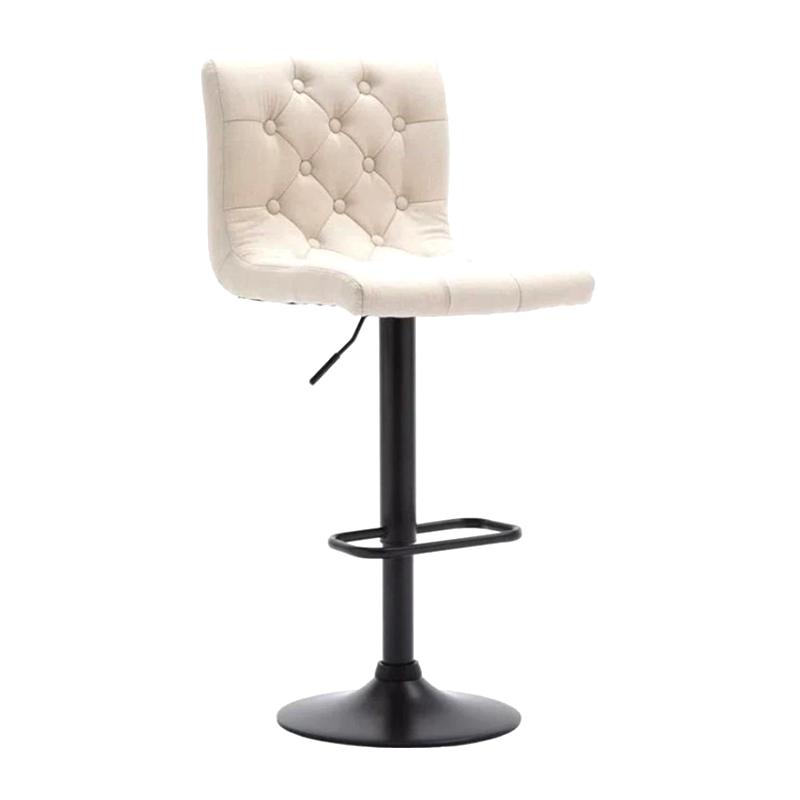
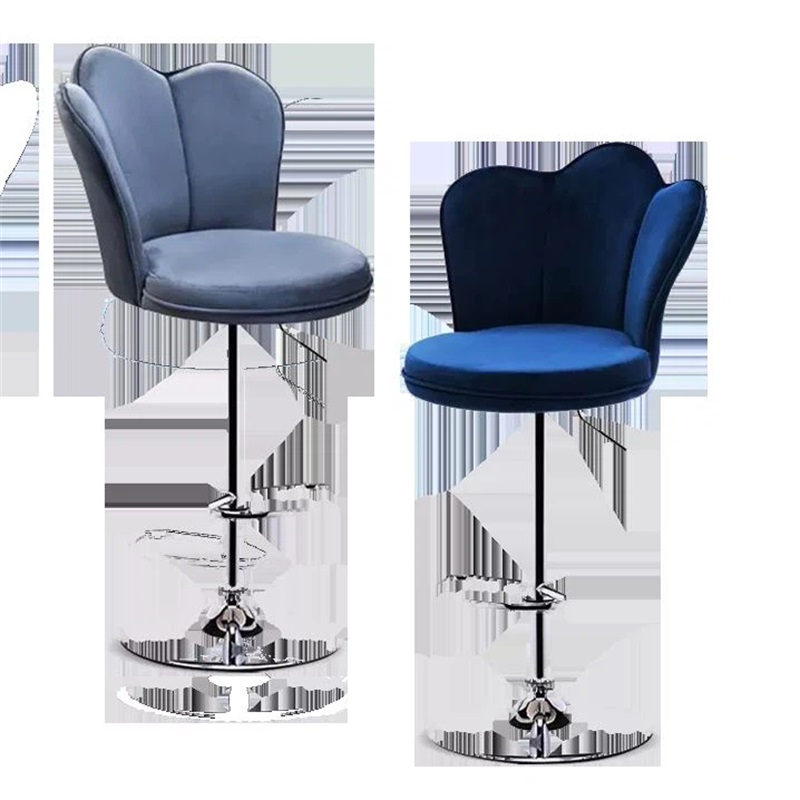
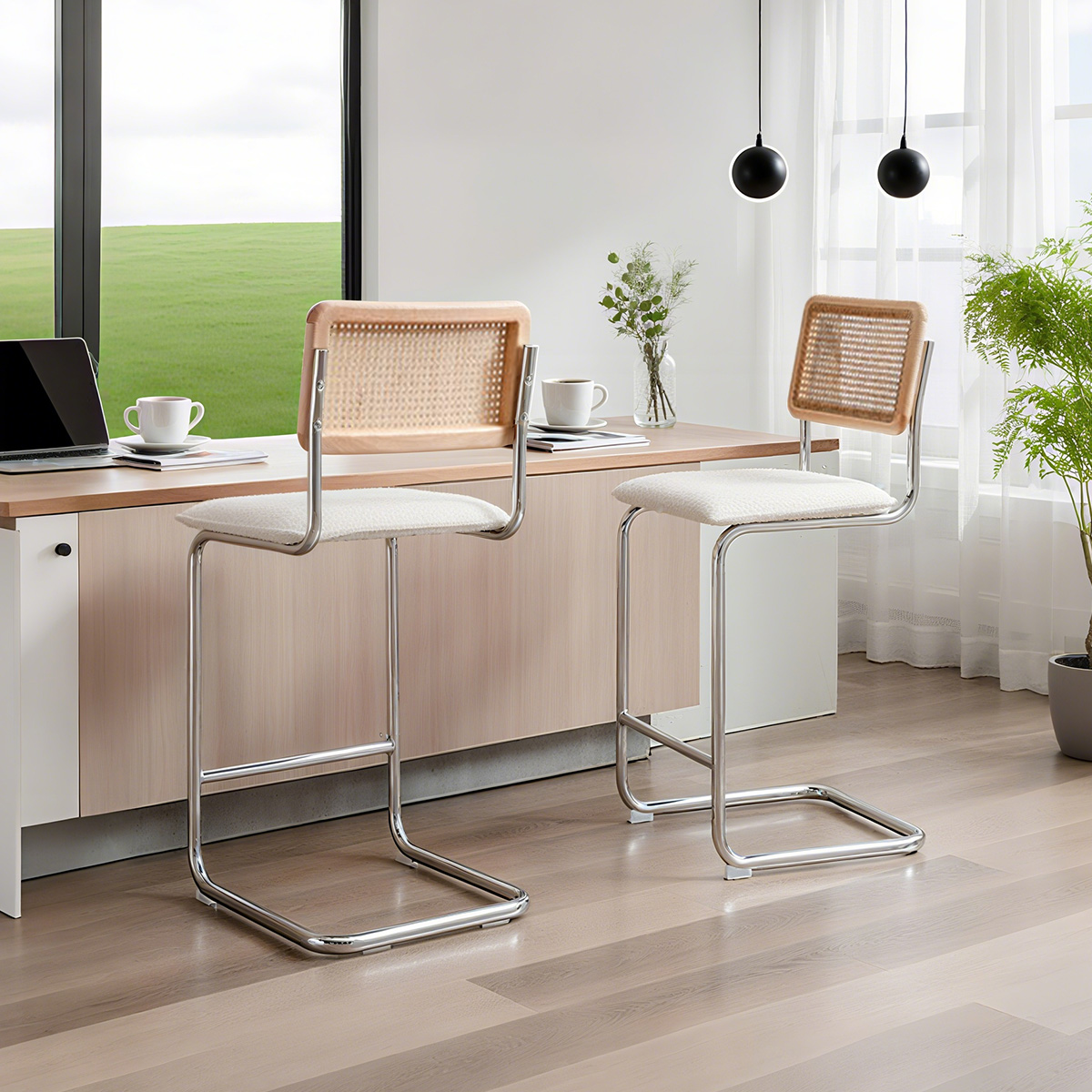
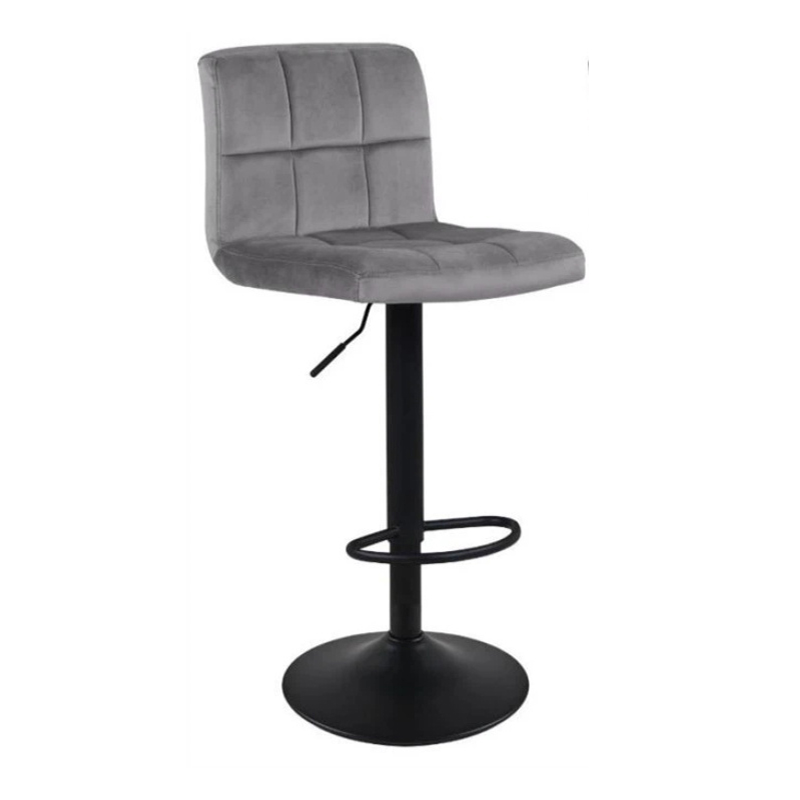
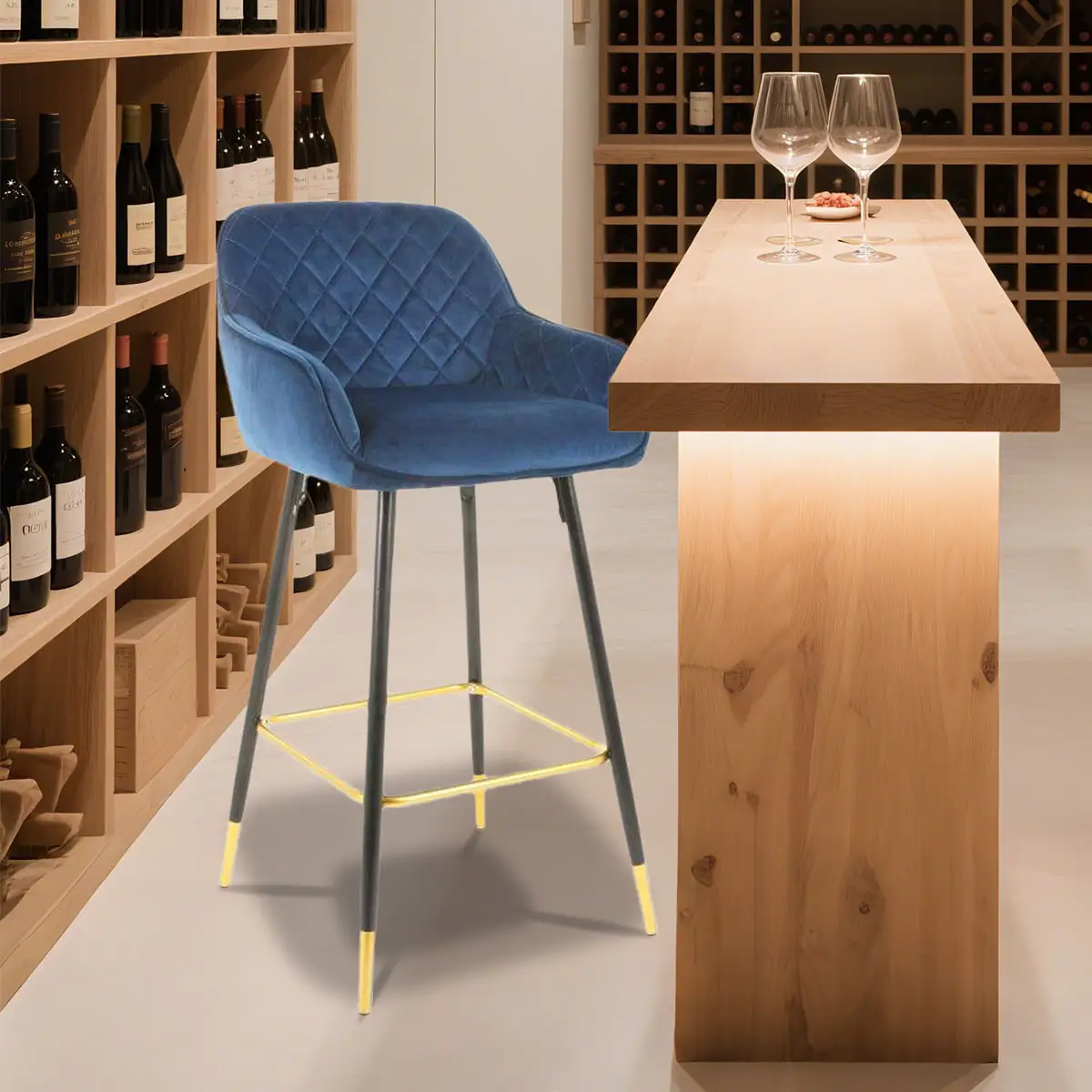
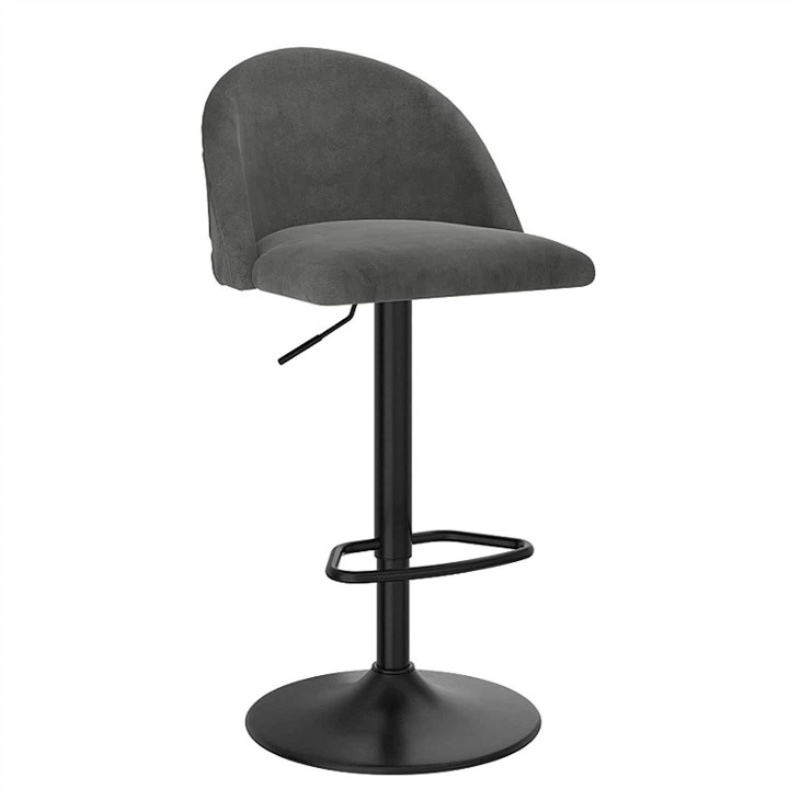
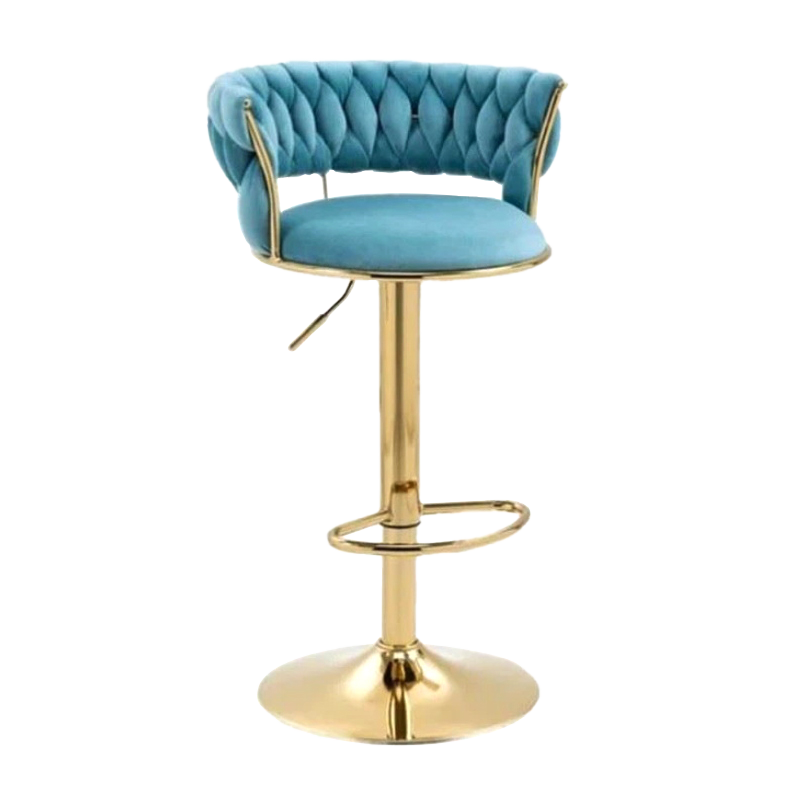
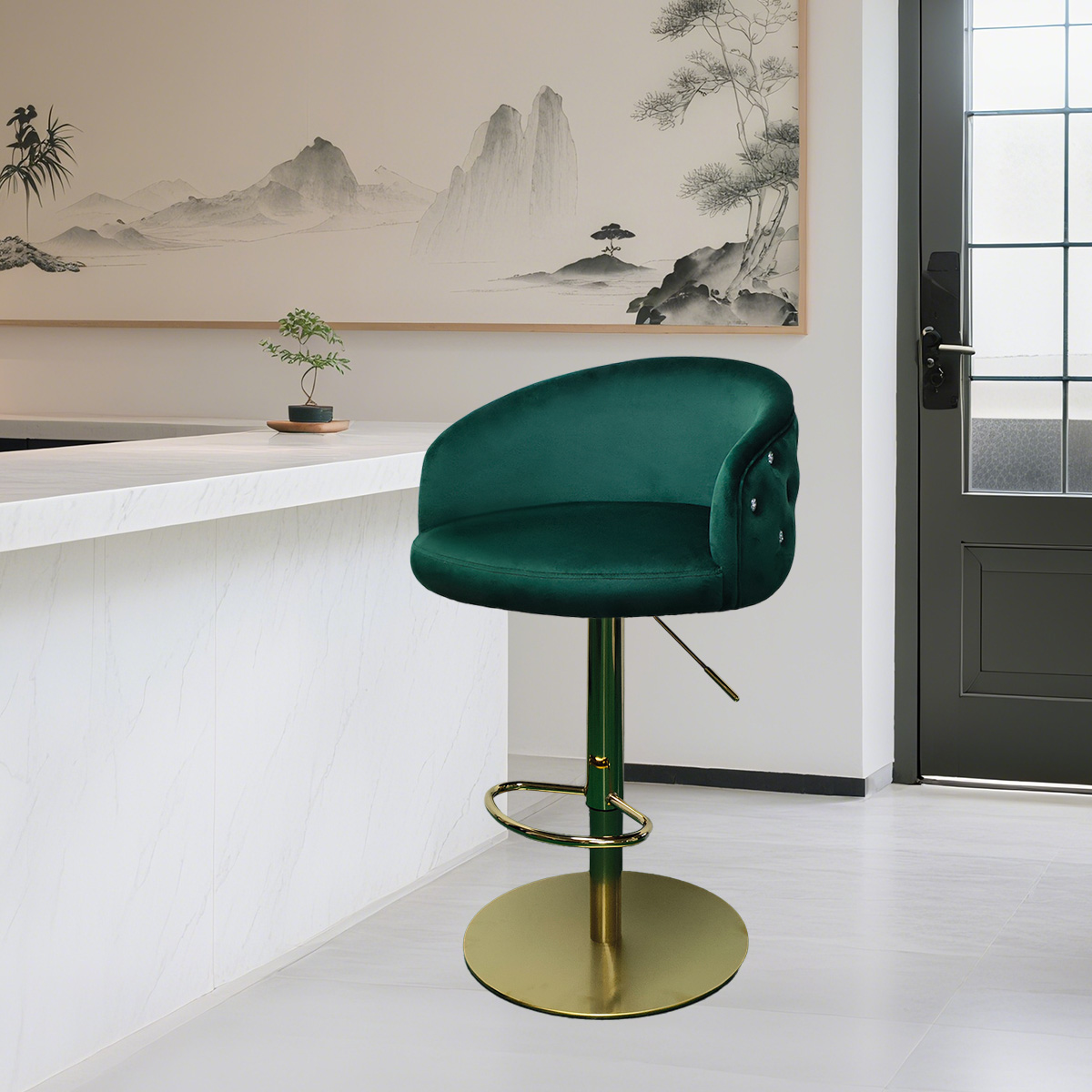
Round Seat Bar Stools with Backrests
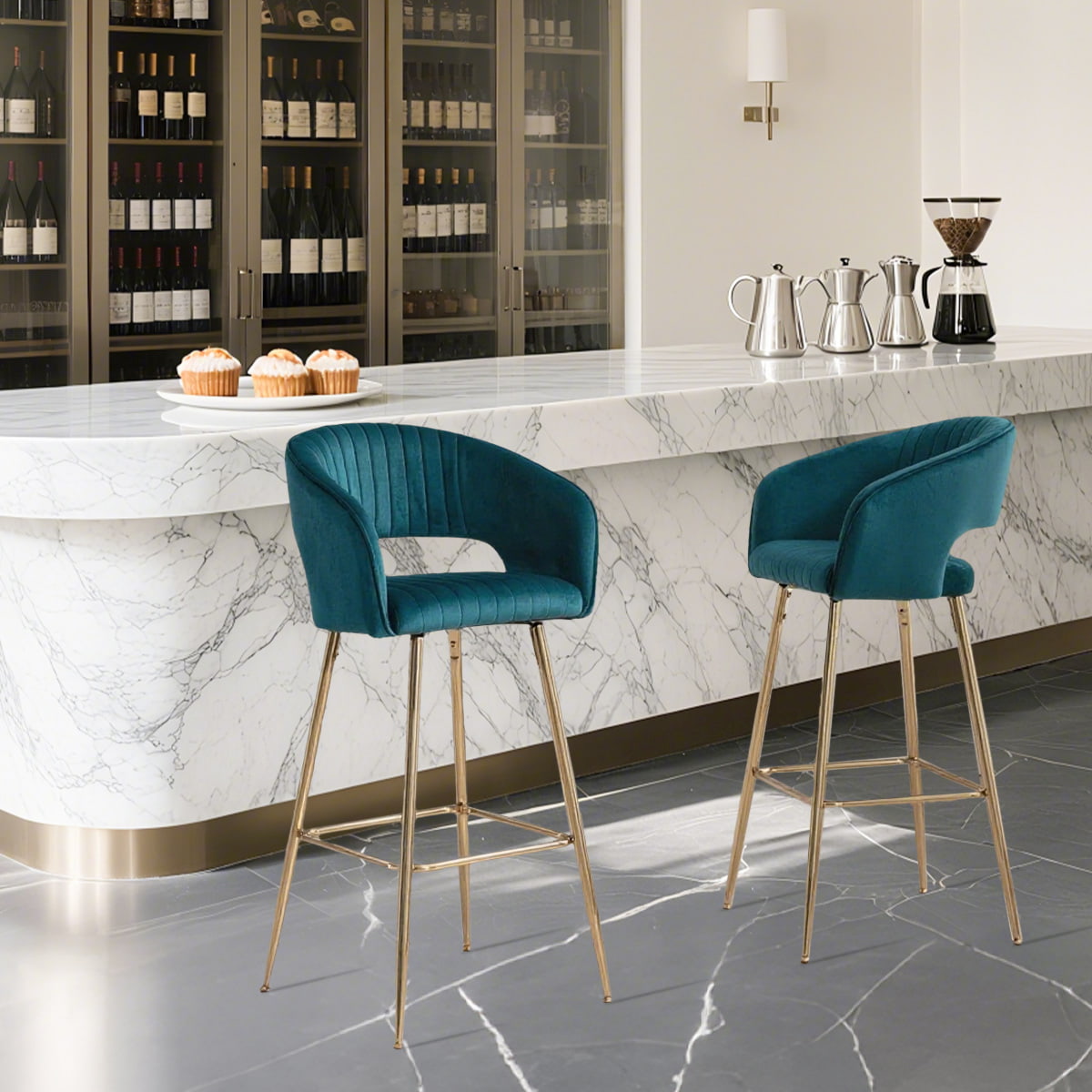
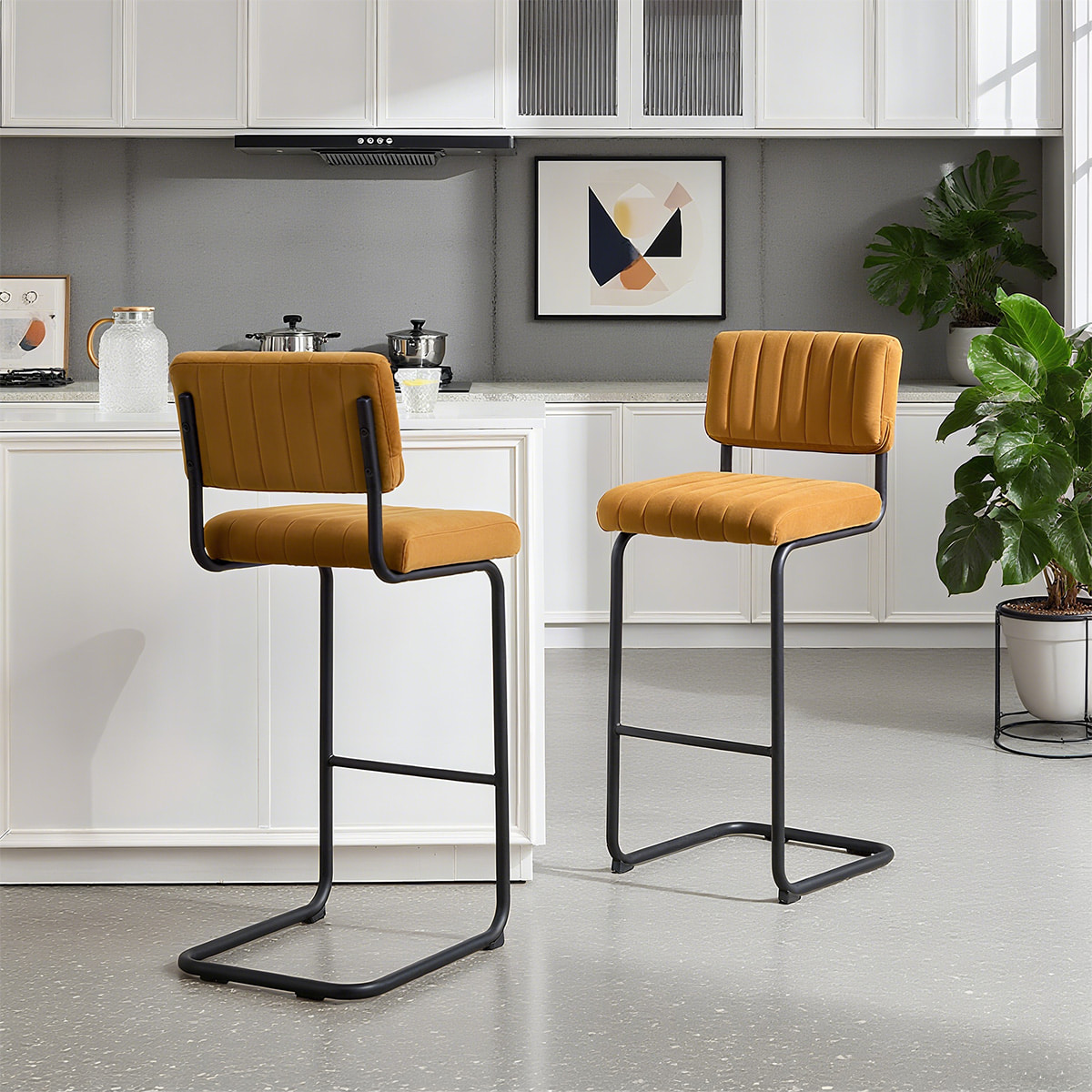
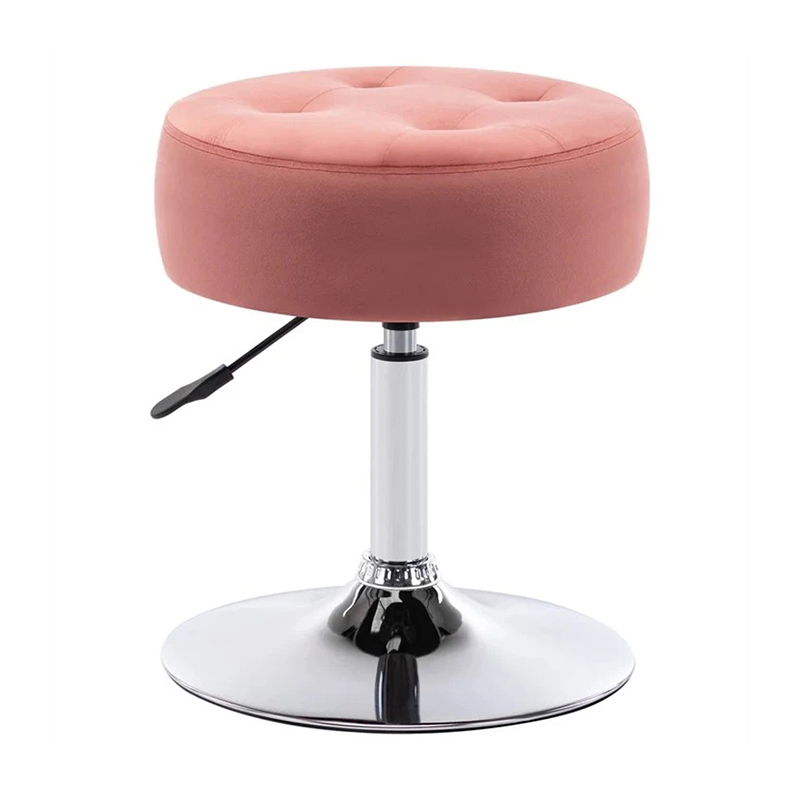
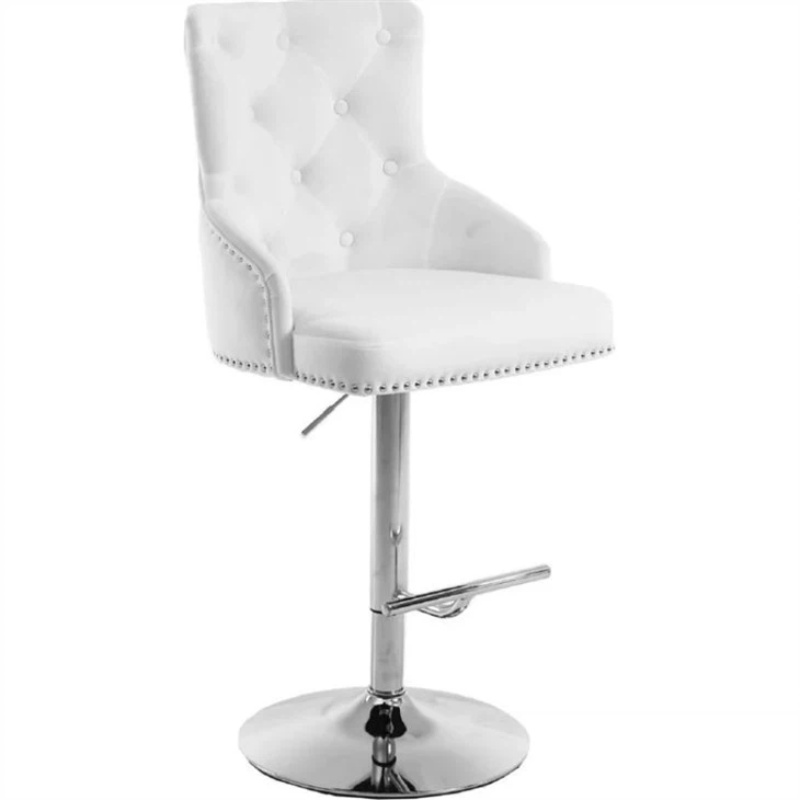
Round seat bar stools with backrests combine a curved seating surface with an upper back support structure. Their specifications involve seat diameter, upholstery or surface material, backrest height, frame construction and finished seat dimensions. These details help furniture buyers select suitable models for residential counters, hospitality interiors and commercial furniture collections.
SEAT GEOMETRY
BACKREST CONFIGURATION
DIMENSIONAL FIT
Round Seat Dimensions and Shape Considerations
A round seat has no distinct front corners, so its diameter, thickness and edge profile are important when comparing different models. The finished dimensions should be evaluated alongside the backrest position and overall stool footprint.
Seat Diameter
Measure across the widest part of the finished round seat. Confirm whether the stated dimension includes the upholstery edge.
Seat Thickness
Check the complete seat profile, including the padding and base structure where applicable.
Seat Edge Profile
Review the edge shape and upholstery finishing to ensure consistency across production units.
Compact Round Seat
A smaller diameter may be considered where available floor space or stool spacing is limited. Confirm the usable seating area against the actual design.
Wider Round Seat
A wider seating surface changes the overall footprint and may require additional spacing between adjacent stools.
Contoured Seat Surface
Some models use a shaped or padded surface instead of a flat profile. Review the finished seat depth and contour when evaluating samples.
Backrest Shapes for Round Seat Bar Stools
The backrest affects the seating profile, visual proportions and connection structure. Its width, height and curvature should be assessed in relation to the round seat.
Low Backrest
A compact back support positioned close to the seat. This design keeps the overall profile relatively restrained.
Curved Backrest
A shaped back support that follows a curved profile. Buyers should review the curvature, width and support arrangement.
Upholstered Backrest
A padded back section covered with fabric, leather or another specified upholstery material.
Open-Frame Backrest
A back support formed by an exposed frame or partial support structure, depending on the product design.
How Seat and Backrest Dimensions Work Together
The seat and backrest should be evaluated as a complete seating unit. A change in seat diameter or backrest height can affect the overall appearance, dimensions and spacing of the finished stool.
For bulk orders, request a technical drawing that identifies the finished seat dimensions and the position of the backrest mounting points.
Seat and Backrest Material Options
Round seat bar stools with backrests can use different materials according to the model. The seat and backrest may share the same material or use different surface treatments.
Fabric Upholstery
Fabric-covered seats and backrests can be specified with different fiber compositions, textures and colors.
- Fabric composition
- Surface texture and color
- Foam and padding details
- Seam and edge finishing
Leather Upholstery
PU leather, bonded leather or genuine leather may be available depending on the product specification.
- Material type and composition
- Surface finish and grain
- Color consistency
- Cleaning instructions
Wood or Molded Seat Components
Some designs use exposed wood or molded seat components, either as the main seat surface or as part of the backrest.
- Material specification
- Surface coating
- Edge treatment
- Seat-to-frame connection
These are possible construction options rather than standard features of every model. Confirm the actual material combination with the supplier before quotation and sample approval.
Bar Height or Counter Height?
Product height should be selected according to the finished counter or bar surface. The seat-to-counter clearance is a key measurement when planning a seating layout.
Common counter height reference.
Common bar surface height reference.
These are general sizing references, not guaranteed product specifications. Confirm actual seat height, overall stool height, backrest height and counter clearance using the selected model's technical drawing.
Supporting Structure and Backrest Connections
The supporting frame carries the seat and backrest assembly. Buyers should review the construction details that affect assembly, alignment and finished dimensions.
Seat Mounting
Confirm the number and position of fixing points between the round seat and the supporting frame.
Backrest Attachment
Check the backrest support structure, joint locations and attachment method.
Leg Arrangement
Review leg spacing, cross-support members and the overall frame footprint.
Surface Treatment
Confirm the specified coating, plating or other surface finish where applicable.
Where Round Seat Bar Stools with Backrests Are Used
Kitchen Islands
Round seat stools for home counters and kitchen islands, with seat dimensions matched to the available space.
Hotel Lounges
Bar and counter seating for hotel lounges, breakfast counters and interior furnishing projects.
Cafés and Restaurants
Seating for counter service areas where product dimensions, cleaning requirements and expected usage need to be considered.
Furniture Collections
Round seat designs for furniture assortments with different upholstery, backrest and frame configurations.
Product Details to Confirm Before Bulk Orders
A clear specification sheet helps reduce differences between the approved sample, production units and final shipment.
Round seat diameter, thickness, usable seating area and edge profile.
Backrest shape, width, height, padding and attachment structure.
Seat surface, upholstery composition, frame material and finish.
Seat height, overall height, backrest height and base footprint.
Model quantities, color assortment, assembly requirements and carton specifications.
Frequently Asked Questions
Common purchasing and specification questions about round seat bar stools with backrests.
What is a round seat bar stool with a backrest?
It is a bar or counter stool featuring a circular seating surface and an attached back support. Product configurations vary by seat material, backrest shape, frame construction and finished dimensions.
How is the seat diameter measured?
Measure across the widest part of the finished circular seat. If the seat is upholstered, confirm whether the stated measurement includes the outer upholstery profile.
What backrest designs are available?
Depending on the product range, designs may include low backrests, curved backrests, upholstered back supports or open-frame structures. Confirm available options with the supplier.
Can the seat and backrest use different materials?
Some product designs combine different surface materials for the seat and backrest. The available combinations depend on the model's construction and manufacturing specifications.
What is the difference between counter stools and bar stools?
Counter stools generally have a lower seat height than bar stools. Selection should be based on the measured counter or bar height rather than the product name alone.
What information should importers provide for a quotation?
Provide the product model, seat diameter, backrest design, material preferences, frame finish, required height, estimated quantity and packaging requirements.
Discuss Round Seat Bar Stool Specifications
Share your required seat diameter, backrest style, material combination, stool height and order quantity to evaluate suitable configurations for furniture retail, hospitality or commercial projects.


