Content
A chair can look right in a catalog and still need more development than your launch schedule allows. A different fabric may be straightforward. A new seat height, base or swivel mechanism needs a closer engineering review.
Choose OEM vs ODM chair manufacturing based on who is driving the design: pick OEM when your own design and specification drive the project, and consider ODM when a supplier's existing design is a suitable starting point. Before committing, check what must change, what those changes cost and how the finished chair will be approved for production.
OEM stands for original equipment manufacturer. In a chair sourcing project, the buyer typically supplies the design brief, drawings or a reference sample, and the factory reviews how to manufacture it. The production specification still needs agreement; a drawing alone does not settle every material or construction detail.
ODM stands for original design manufacturer. The supplier contributes the design, often using an existing model that the buyer adapts. Suppliers use these labels differently, so ask who will do the design work and which changes the quoted price includes.
For example, a retailer selecting a dining chair with a different fabric and label can start by discussing the ODM route. A brand developing an original frame should discuss OEM engineering. If a project changes seat height or the base, ask for a technical review before treating it as a simple catalog modification.
| Decision | OEM Route | ODM Route |
| Starting point | Your design or detailed product brief | A supplier design or existing chair model |
| Development work | Engineering review; new tooling where needed | Review of changes to the selected model |
| Upfront cost | Ask for design, tooling and sample fees separately | Ask which adaptations add fees or tooling |
| Schedule | Depends on design readiness and validation | May be shorter if structure and materials stay close to the existing model |
| Exclusivity | Agree ownership and permitted use in writing | Confirm whether the base design is sold to other buyers |
A unit price is useful only when both quotes cover the same specification and delivery terms. Ask each supplier to separate the chair price from development, sampling, tooling, testing and packaging charges. Confirm whether any one-time charges are credited against a production order and under what conditions.
For a small launch, allocating development costs across the first order makes the comparison clearer. As an illustration, a $2,000 development charge adds $10 per chair to an initial order of 200 chairs. These are calculation inputs, not Duomei prices. Freight, duties and other destination costs must be budgeted separately.
Ask for the minimum order quantity for each model, upholstery color and frame finish. A factory may accept a mixed container while still requiring minimum quantities for individual variants. Confirm material minimums as well, especially when specifying a fabric outside the supplier's regular range.
Quote the planned assortment and ask for repeat-order terms. An extra color may change material minimums or production timing, even when the total chair quantity stays the same.
Request the packed dimensions, gross weight, units per carton and estimated loading quantity for the proposed packing method. Check whether the chair ships assembled or requires assembly. For online retail, describe the final delivery route and ask how the packaging will be assessed for it. Packing intended for container transport should not be assumed suitable for individual parcel deliveries.
At Duomei, factory sample lead time is grouped by the work required. Use the following ranges to plan the sample-making stage and confirm the scope of your project before scheduling a launch.
| Development Route | Scope | Factory Sample Lead Time |
| ODM / Quick Custom | An existing factory design with quick customization | 3-14 Days |
| Modified OEM | Component modifications or partial tooling | 2-4 Weeks |
| Full OEM / Bespoke | A new design developed from drawings or extensive new tooling | 4-8 Weeks |
These ranges refer to factory sample production. They are not delivery-to-your-door or bulk-production lead times. Confirm the start date, material readiness and whether your plan needs additional time for revisions, testing or sample shipping. Production and shipment dates should be agreed separately after sample approval.
Before placing the bulk order, agree a specification sheet and retain an identified approval sample. Give the drawing and sample a revision number so a later material or dimension change is visible to both teams.
For an upholstered dining chair or bar chair, the approval record should cover the following items. Set the actual limits with the supplier for your model and intended use.
| Approval Item | What to Record |
| Dimensions and construction | Seat height, width and depth; frame material and dimensions; agreed tolerances; joints and fasteners |
| Upholstery and comfort | Fabric code and approved swatch; filling specification; seam position; agreed seat feel |
| Finish and appearance | Finish reference; color comparison conditions; acceptable surface and stitching defects |
| Function and assembly | Swivel or adjustment operation where fitted; stability checks; assembly instructions and hardware |
| Packing and inspection | Carton specification; protective parts; labels; sampling plan; defect criteria and corrective action |
Document the approved specification and retain an identified approval sample as the shared reference.
Give the drawing and sample a revision number so a later material or dimension change is visible to both teams.
Agree which checks take place during production and which take place before shipment.
Decide how a failed inspection is handled, including rework and reinspection, and how replacement parts or quality claims are managed after delivery.
State the destination market and whether the chair is intended for domestic, restaurant, hotel or office use. Ask which tests are appropriate, which reports already cover the proposed configuration and whether your changes require further assessment. Check the report's model identification, test method, date and result.
Seating tests assess different aspects of performance. A static load result alone does not establish durability or stability. SATRA's guide to seating testing explains these distinctions. Upholstery and other destination-specific requirements need their own review.
"A unit price is useful only when both quotes cover the same specification and delivery terms."
Record who owns existing designs, new drawings and project-specific tooling; who may use them; and what happens when the relationship ends. If exclusivity matters, define the model or features covered, territory, duration and any purchase commitments. Treat confidentiality as a separate term to agree.
Resolve these terms explicitly rather than relying on the OEM or ODM label. WIPO's supplier IP guidance sets out the ownership and usage questions to discuss with suppliers.
Duomei operates from a 10,000 m² factory and supports OEM and ODM chair projects. You can begin with a model from our range or bring your own design for discussion. To compare the options, send a product reference, the changes you need and the quantity you plan to order.
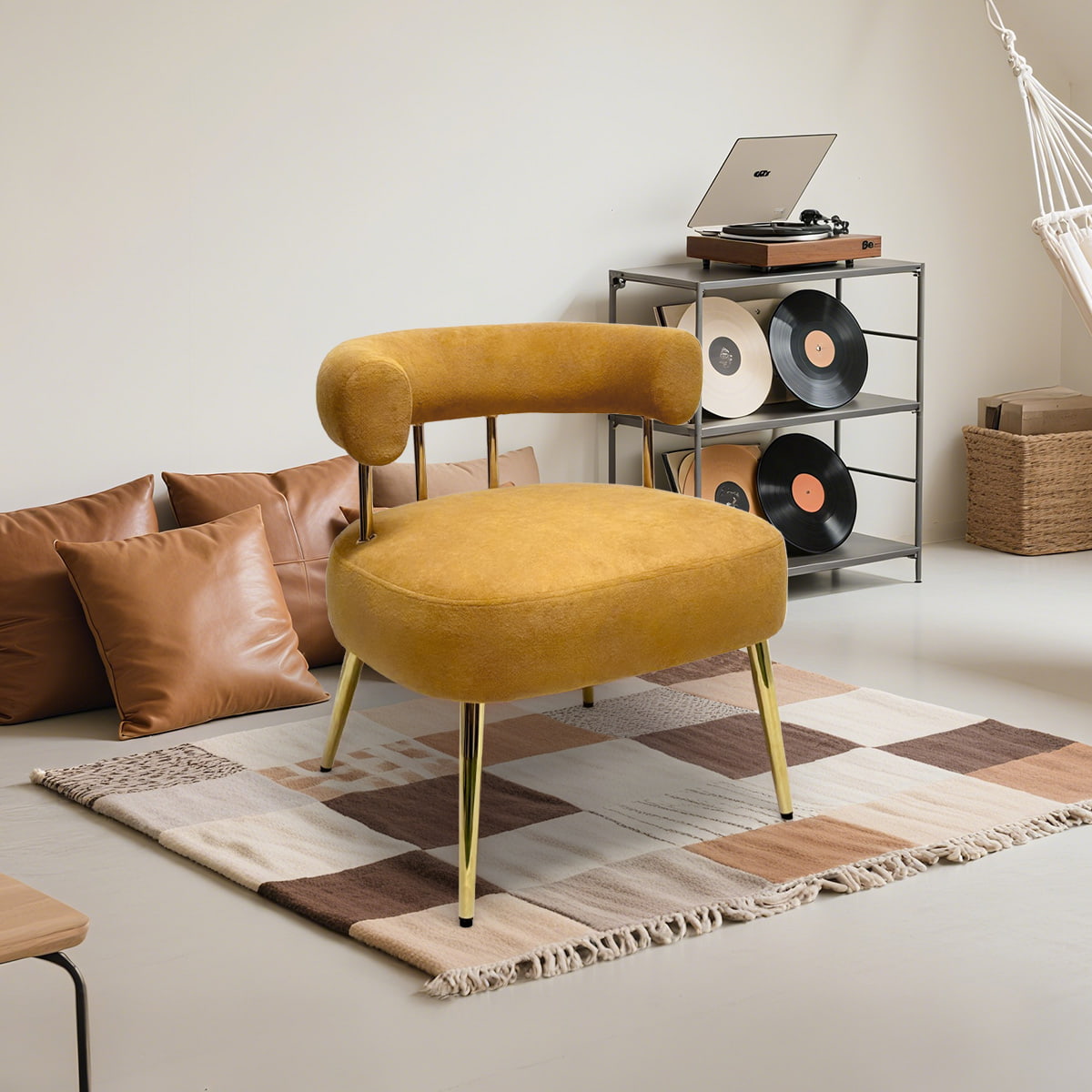
For an existing design, start with our dining chair collection and note the models that fit your range.
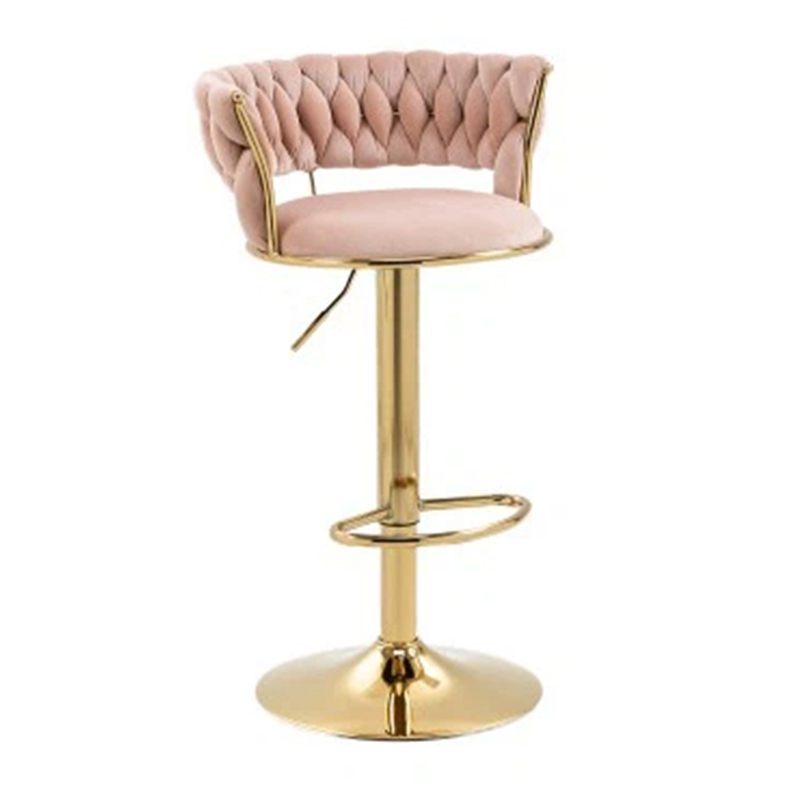
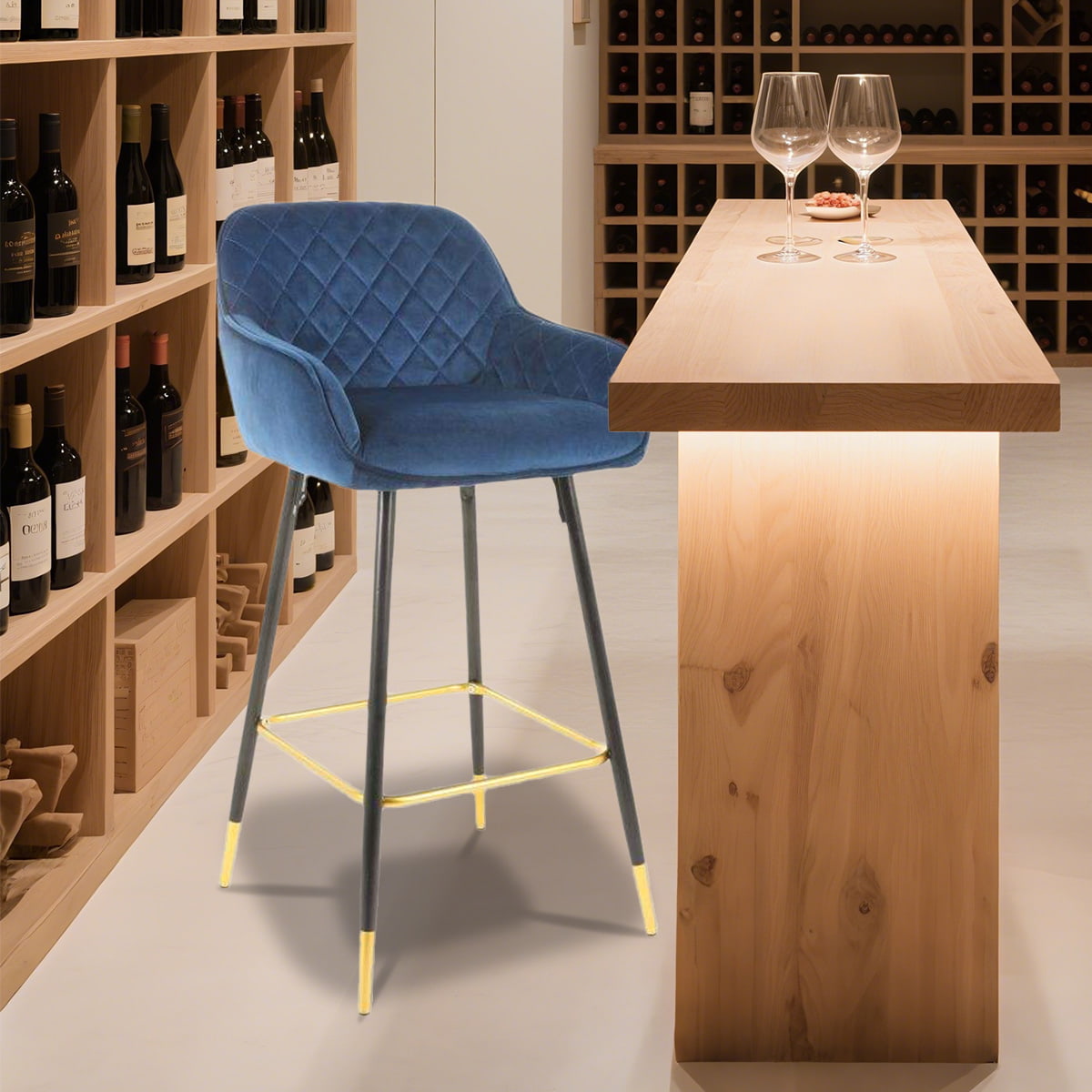
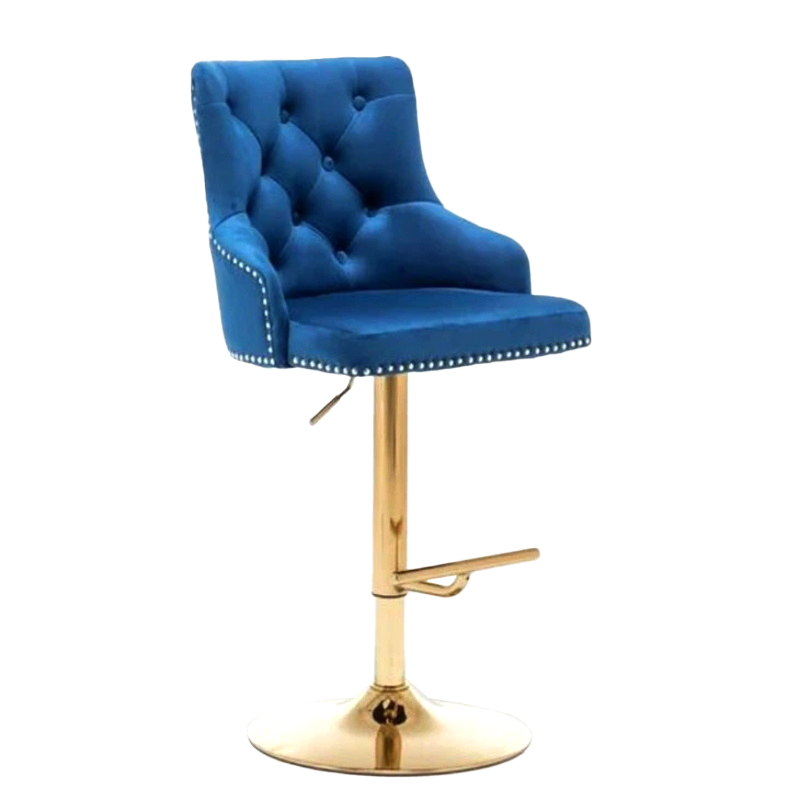
For counter or bar seating, browse our bar chair collection and include your required seat height and intended use in the inquiry.
You can copy the following into your inquiry. If a detail is undecided, say so; a complete engineering drawing is not needed to start a discussion.
Ask for confirmation of the proposed development route, MOQ by variant, sample fees and timing, any tooling charges, and the test evidence relevant to your configuration. This gives you a practical basis for comparing the options before ordering a sample. Once your brief is ready, request an OEM vs ODM chair manufacturing quotation from Duomei.
Start with a catalog chair when its structure already suits your range and the changes are mainly upholstery, finish or branding. Use the 3-14 day factory sample range for initial planning, then confirm materials and the exact customization scope.
If the existing chair is close but a component needs redesign or partial tooling, discuss Modified OEM. Allow 2-4 weeks for factory sample production and have the changes reviewed before approving cost and timing.
For a new design developed from drawings or extensive tooling, use the 4-8 week factory sample range. Agree the design brief, tooling terms and approval requirements before development begins.
Duomei accepts mixed-container orders. Confirm MOQ for each model and finish, then coordinate sample approvals and production readiness across the assortment. Approve the final specification, packing method and inspection criteria before placing the bulk order.
Related Products
Yangguang Industrial Park 2, Anji County, Huzhou City, Zhejiang Province, China
[email protected]
+86-13567991394