Content
FURNITURE SOURCING & SHIPPING GUIDE
A mixed chair order gives you room to replenish proven sellers and test new designs in the same shipment. The difficult part is deciding how much space and cash to commit to each model—and checking that the products can be packed, completed and shipped together.
In one of our customers’ orders, 30 accent chairs accounted for just 5.5% of the chairs purchased but 21.1% of the total packed volume. That difference affected both the space allocation and the freight cost assigned to each chair.
For furniture importers and wholesalers, this is where mixed-container planning becomes useful: it connects purchasing decisions with packaging, inventory and margin. The five anonymized customer cases below show how those decisions worked in practice.
Dining chairs, bar stools and accent chairs can be planned together, but a product list alone is not enough to confirm a mixed shipment. Before committing quantities, establish the minimum order quantity for each model, color and finish, then obtain packing details for the selected configuration.
Ask for the external carton dimensions, chairs per carton, carton count, gross weight and permitted stacking arrangement. If one chair ships in more than one carton, record every carton type belonging to the set. If different models share a carton, use the confirmed packing breakdown rather than counting that carton twice.
Dimensions shown on a product page usually describe the assembled chair. They do not tell you how much container space the packaged product requires. Two similar chairs can have very different shipping volumes because of their frame structure, assembly method and protective packaging.
Use the following calculations when external carton dimensions are in centimeters:
For a model with a uniform pack quantity, divide the chair quantity by the number of chairs per carton. If that leaves a partial carton, confirm its actual packing arrangement and dimensions instead of treating it as a fraction of a full carton.
Start with replenishment demand, existing stock and committed customer orders. Decide how much exposure you can accept on a new model, then check the effect on packed volume and order value. Filling the remaining space with a slow seller can tie up more cash than the extra container utilization is worth.
A furniture wholesaler needed to restock upholstered dining chairs, add metal bar stools to its kitchen furniture range and introduce accent chairs for the first time. The buyer kept the new category small while giving priority to dining chairs with an established sales record.
After selecting quantities, the buyer confirmed the packing details with us:
| Product | Chairs | Chairs per Carton | Cartons | Volume per Carton | Total Volume |
|---|---|---|---|---|---|
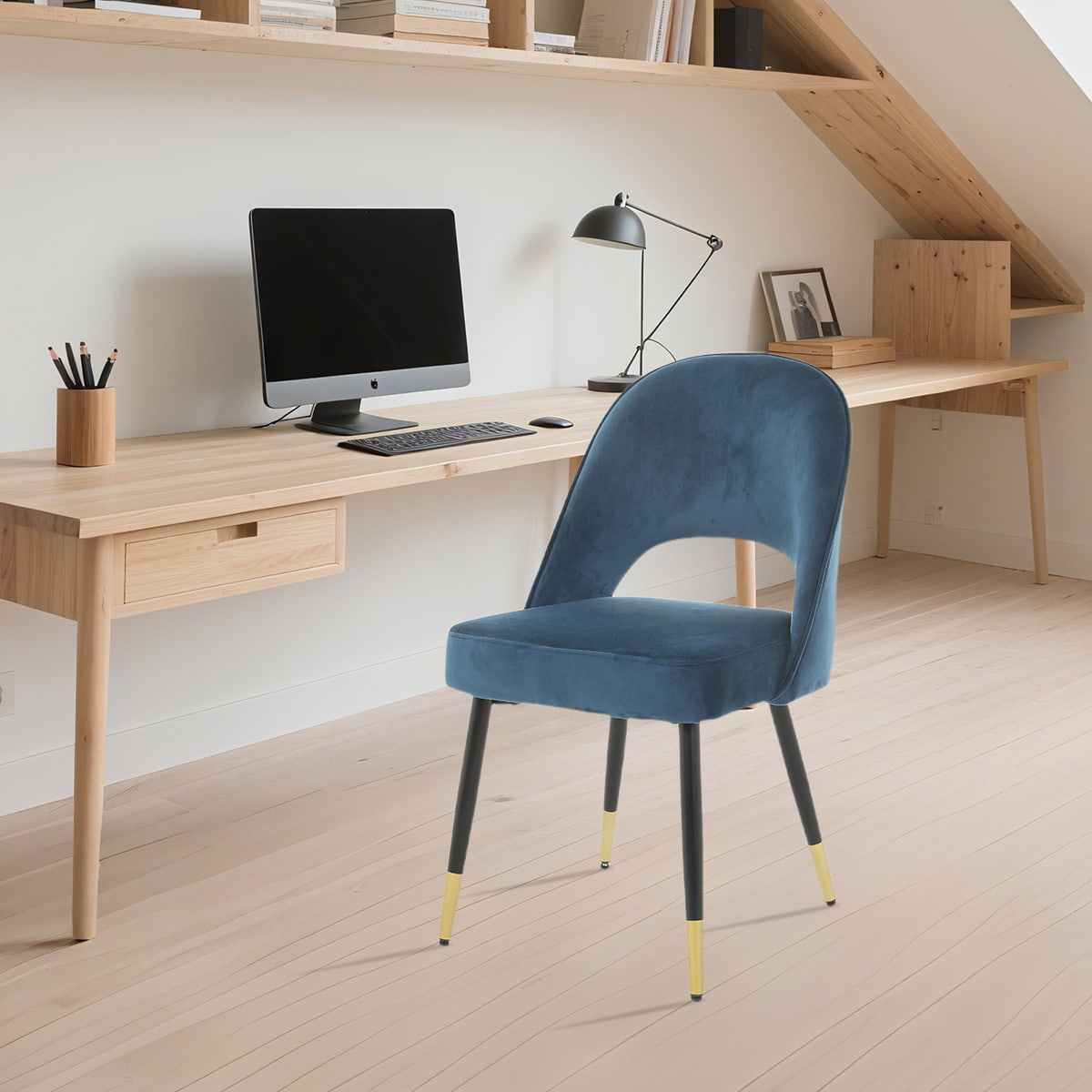
| Upholstered dining chairs | 400 | 2 | 200 | 0.180 m³ | 36.0 m³ |
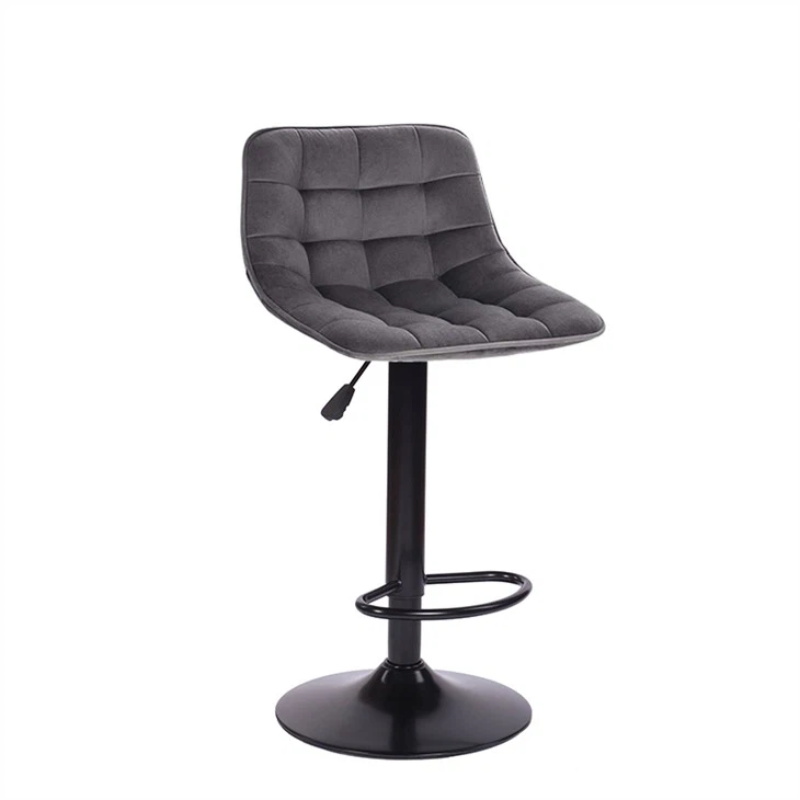
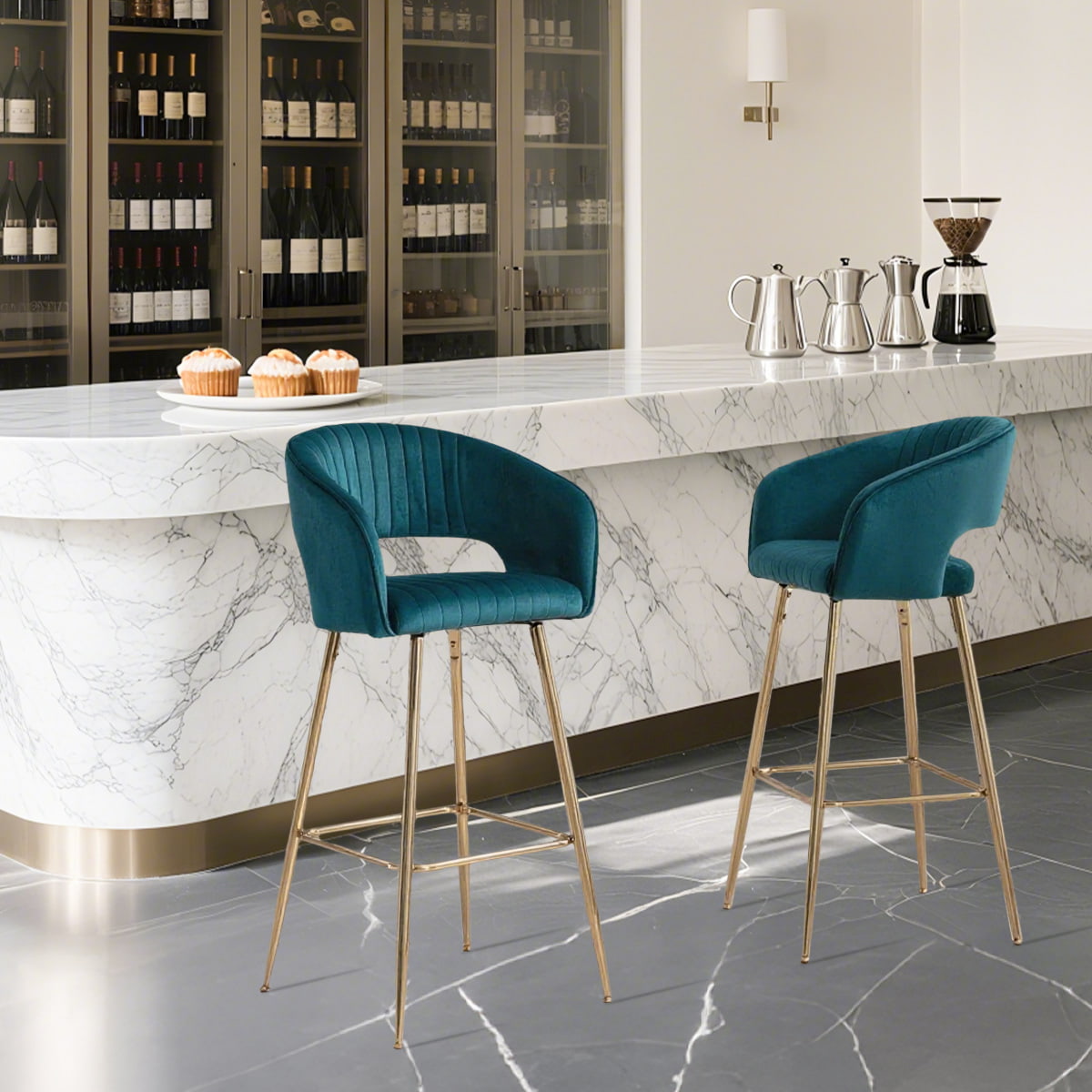
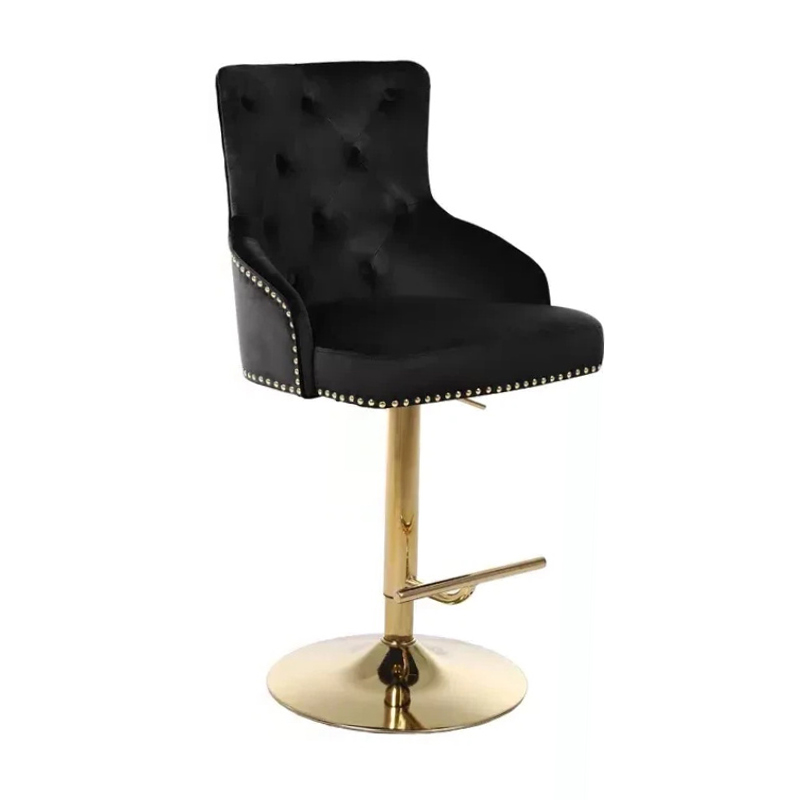
| Metal bar stools | 120 | 2 | 60 | 0.150 m³ | 9.0 m³ |
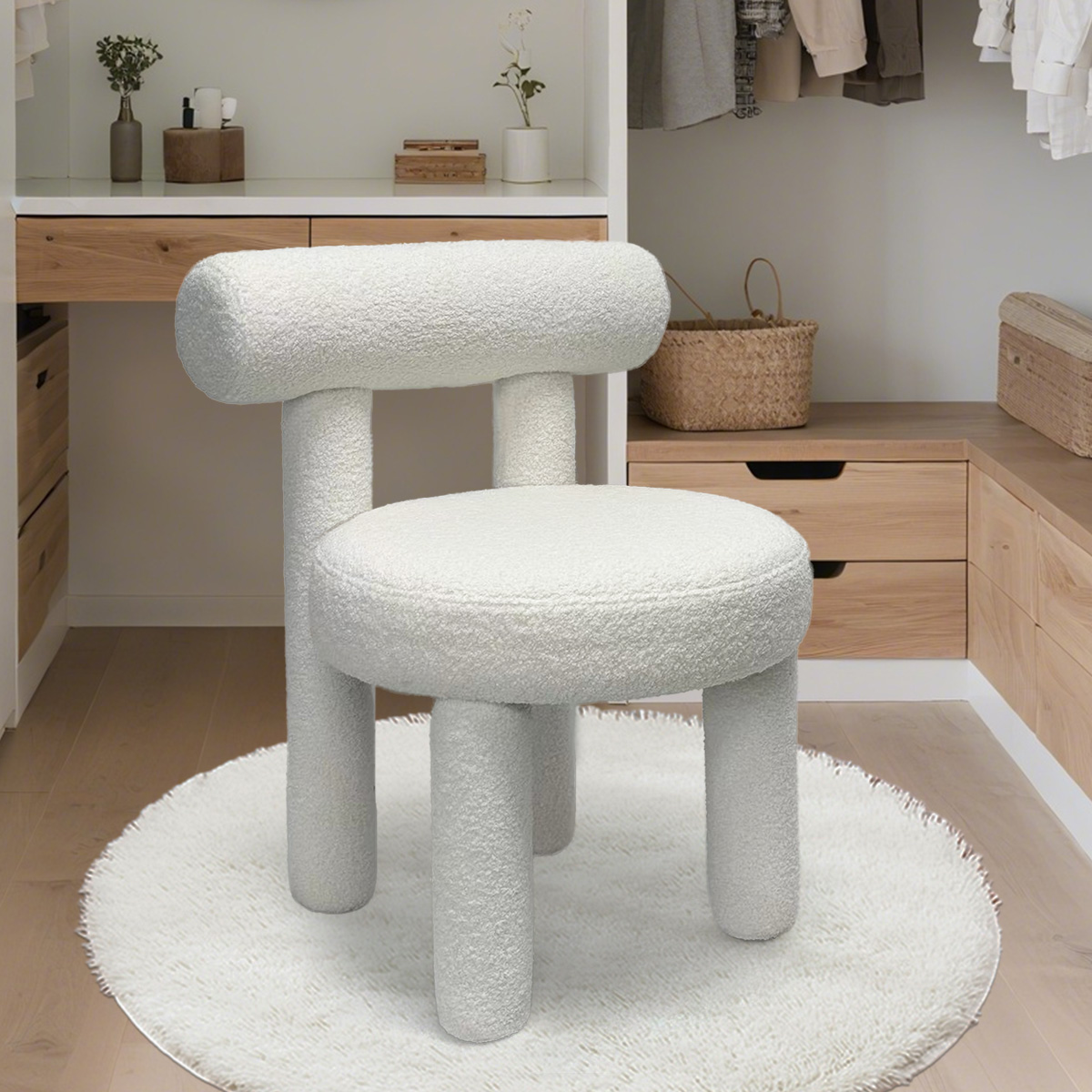
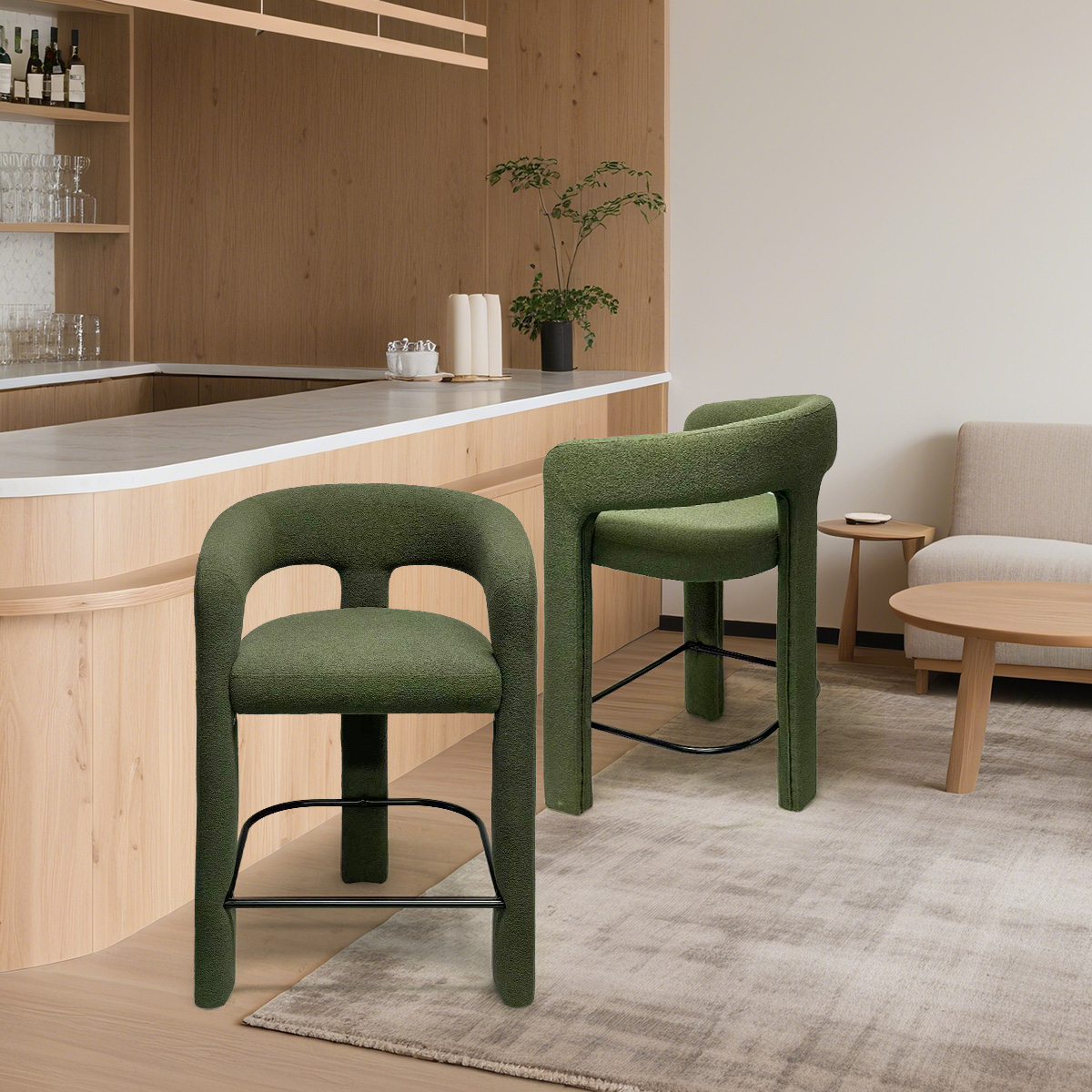
| Accent chairs | 30 | 1 | 30 | 0.400 m³ | 12.0 m³ |
| Total | 550 | — | 290 | — | 57.0 m³ |
The 30 accent chairs represented about 5.5% of the unit count but 21.1% of the packed volume. Looking only at the number of chairs would have understated the space committed to the trial.
The buyer retained the 30-chair trial quantity and kept the main purchasing allocation with the proven dining chair range. We then assessed the loading arrangement against carton sizes, gross weights and stacking limits. The 57 m³ total was a planning input, not a guarantee that the order would fit a particular container.
For your own order, compare each model’s share of units, purchase value and packed volume before adding more trial stock.
The sum of carton volumes is only the first check. A workable load also depends on carton orientation, stacking strength, gaps between carton sizes, securing materials and the container’s usable dimensions and payload. Include pallets or other packing materials where they form part of the shipment.
Ask the supplier to identify the proposed container type, carton positions, stacking restrictions and total cargo gross weight. Confirm the equipment specifications and applicable transport limits with the freight forwarder. If the packing dimensions are still estimates, treat the proposed load as provisional until the packaging is confirmed.
A loading review should answer a practical question: can this combination travel safely in the selected equipment? A nominal capacity figure cannot answer that on its own.
Smaller cartons can leave room for other models, but the saving has to survive the rest of the supply chain. Before changing from partially assembled to knock-down packaging, check whether the destination warehouse or end customer can assemble the chair reliably and at an acceptable cost.
An importer planned to purchase 400 dining chairs together with bar stools. The original dining chair packaging held two chairs per carton in an 80 × 60 × 50 cm box.
After reviewing the chair structure, we proposed packing the legs separately within each carton. The revised carton still held two chairs, with external dimensions of 60 × 60 × 50 cm.
The packaging comparison showed a reduction of 12 m³, or 25%. At 0.150 m³ per bar stool carton, that space was equivalent in volume to 80 bar stool cartons. This was a volume comparison; the loading layout and weight still had to be checked before confirming any additional quantity.
The buyer also needed to compare assembly labor, hardware control, instructions and protection for the separated parts. A packaging sample was the point at which to verify those details before approving the production arrangement.
The measurable benefit was lower packed volume. It should not be described as a 25% reduction in the shipment’s freight bill: the saving depends on whether the change affects the equipment, number of shipments or other charged services.
Packing compatibility matters as much as available space. Upholstery needs protection from abrasion, contamination and pressure marks. Metal components need separation and protection where contact could damage their finish. External cartons also need to support the intended stack.
A furniture retailer ordered light-colored upholstered dining chairs and metal bar stools. The dining chair cartons weighed 16 kg each; the bar stool cartons weighed 24 kg each. Their external dimensions were different.
During the loading review, the buyer identified the risk of heavy cartons resting on boxes with insufficient compression strength, unsupported carton edges and movement during transport. Filling whichever gaps remained would not have resolved those problems.
Before loading, we checked the permitted stacking layers and load-bearing capability of both carton types, arranged internal protection for the upholstery and metal parts, and reviewed the upper and lower carton positions against the confirmed packaging limits. The plan also addressed weight distribution, gap filling and cargo securing. Carton markings identified the model, color, quantity and relevant handling instructions.
The IMO/ILO/UNECE CTU Code provides guidance on packing and securing cargo transport units. It is a useful reference for loading discussions, but it does not replace the assessment of a particular chair package and load. [1]
An average freight cost per chair can hide the cost of bulky models. For internal costing, choose an allocation method that reflects the constraint driving the shipment. Where volume is the main constraint, packed volume can provide a more useful comparison than unit count.
For the 550-chair order described earlier, the ocean freight amount allocated across the products was USD 3,420. Dividing it equally across all chairs would give an average of approximately USD 6.22 per chair.
The buyer instead allocated that amount over the order’s 57 m³ of packed volume:
| Product | Packed Volume | Allocated Ocean Freight | Chairs | Ocean Freight per Chair |
|---|---|---|---|---|
| Upholstered dining chairs | 36 m³ | USD 2,160 | 400 | USD 5.40 |
| Metal bar stools | 9 m³ | USD 540 | 120 | USD 4.50 |
| Accent chairs | 12 m³ | USD 720 | 30 | USD 24.00 |
| Total | 57 m³ | USD 3,420 | 550 | — |
This revealed the problem with the unit average: assigning USD 6.22 to every chair would substantially understate the accent chair’s share of ocean freight. That would weaken the buyer’s pricing and margin calculation for the new range.
These figures cover the ocean freight amount in this order only. They exclude duties, destination charges, inland transport and storage. The volume allocation was an internal costing method, not a carrier’s separate quotation for each model or a freight rate available for another shipment.
When comparing supplier quotations, align the named delivery terms and locations and list which charges are included. Otherwise, a lower quoted price may simply cover fewer services.
A mixed order is ready to ship only when the products intended for that shipment are ready. Agree on completion dates by model and identify what still needs to happen after production, including inspection, packing approval and booking cutoffs.
If one model falls behind, compare revised arrival dates and inventory coverage. A ten-day production delay does not necessarily mean a ten-day arrival delay, because the available sailings may change the outcome.
A wholesaler ordered three chair types for one container. The dining chairs and bar stools were complete, but the accent chairs needed another ten days because of a fabric delay.
The buyer compared waiting for all three models with shipping the finished products first. Based on the revised shipping schedule and stock position, the buyer estimated that waiting could cause USD 1,800 in lost contribution margin on the dining chairs. The freight forwarder’s split-shipment option added approximately USD 950 in total costs compared with shipping together.
On that comparison, splitting deserved priority if the earlier shipment would actually shorten the stockout. The USD 850 was the difference between the decision estimates, not a claim of verified profit after delivery.
For another buyer with sufficient stock to cover the wait, the additional shipment might be unnecessary. Before deciding, confirm the revised completion date, both arrival schedules, the second shipment’s charges and the cost of receiving goods twice.
You do not need a finished loading plan to start an inquiry. Send your proposed product mix and the commercial constraints that matter to your business. Packaging details can then be checked against the selected models.
| Information | What to Include |
|---|---|
| Product selection | Model references, product links or photos; intended residential or commercial use |
| Quantities | Chairs required per model and color; distinguish firm requirements from trial quantities |
| Specifications | Upholstery, finish and other requested changes; any required product tests or documentation |
| Packaging | Assembly preference and any warehouse or customer restrictions |
| Destination | Destination port or delivery location and requested quotation basis |
| Timing | Required arrival date, replenishment priority and whether partial shipment is acceptable |
Before placing the order, ask for confirmation of minimum quantities by model and finish, packing specifications, the proposed loading arrangement and production timing. Before shipment, reconcile the final packing list with the approved order and actual packing data.
MIXED CHAIR ORDER PLANNING
Planning a dining chair replenishment alongside bar stools or a new accent chair range? Send Duomei Home your model list or product photos, quantities by color, destination and required arrival date.
Tell us which products must arrive first and which quantities are flexible. This gives us a starting point to discuss the product combination, packaging options and quotation requirements with you. If your priority is a smaller trial order or more room for a proven seller, include that in the inquiry.
Send Your Chair List for a Mixed Order ReviewDifferent models and colors can be considered together, subject to the supplier’s minimum quantities and compatible packing and loading requirements. Confirm the minimum quantity for each model, color and finish before finalizing the mix.
There is no reliable universal chair count. Ask for an estimate based on the exact carton dimensions, packing method, gross weights and stacking restrictions of your selected models. A total CBM calculation alone does not confirm the load.
Not necessarily. In the dining chair case above, packed volume fell by 25%. The effect on the freight bill depends on whether that reduction changes the shipping arrangement or allows more saleable products to travel in the same shipment, as well as any additional packing and assembly costs.
No. Compare the available shipping options, handling costs, inventory needs and timing. Waiting for one delayed model can outweigh a consolidation benefit if the delay causes a stockout on a proven seller.
Yes. Start with the models, quantities, destination and timing you need. Ask for packing data for the selected specifications and make sure any preliminary loading estimate is updated before the shipment is confirmed.
[1] International Maritime Organization, IMO/ILO/UNECE Code of Practice for Packing of Cargo Transport Units. General reference for cargo packing and securing; the customer cases and order figures above are Duomei Home’s anonymized case records.
Related Products
Yangguang Industrial Park 2, Anji County, Huzhou City, Zhejiang Province, China
[email protected]
+86-18357268872