


 En
 English
 Français
 Español
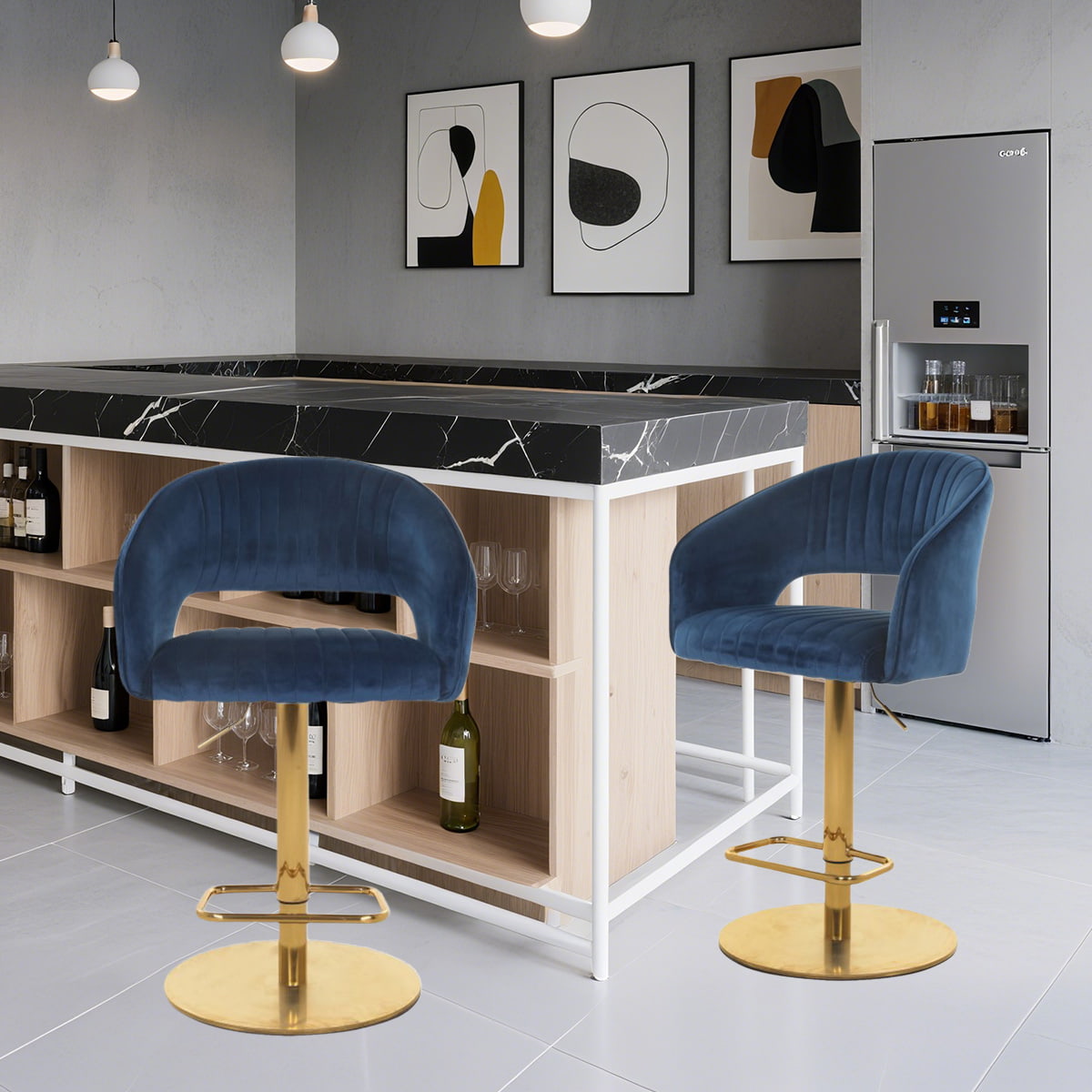
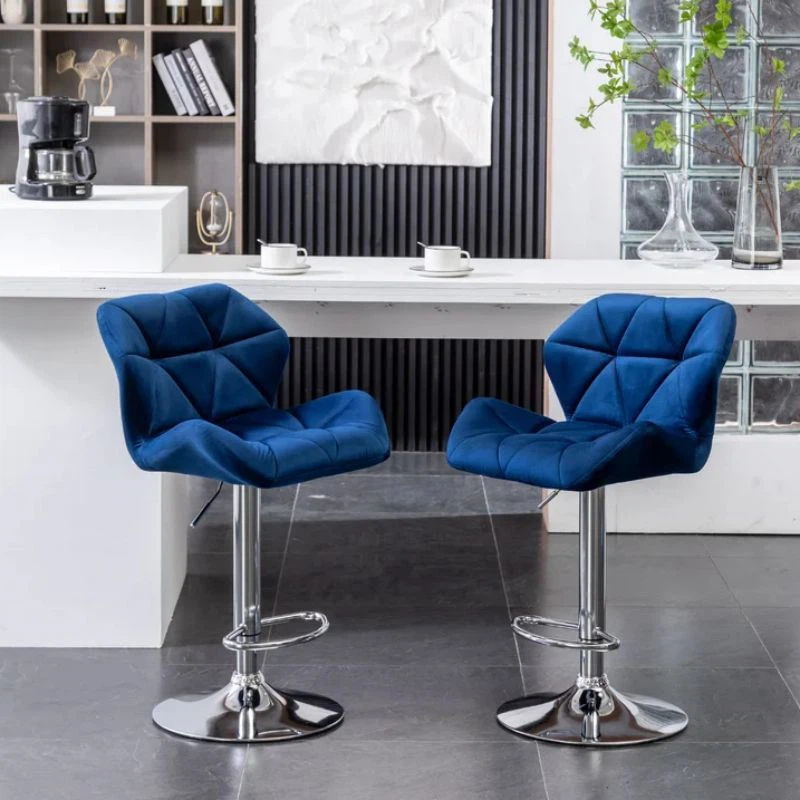
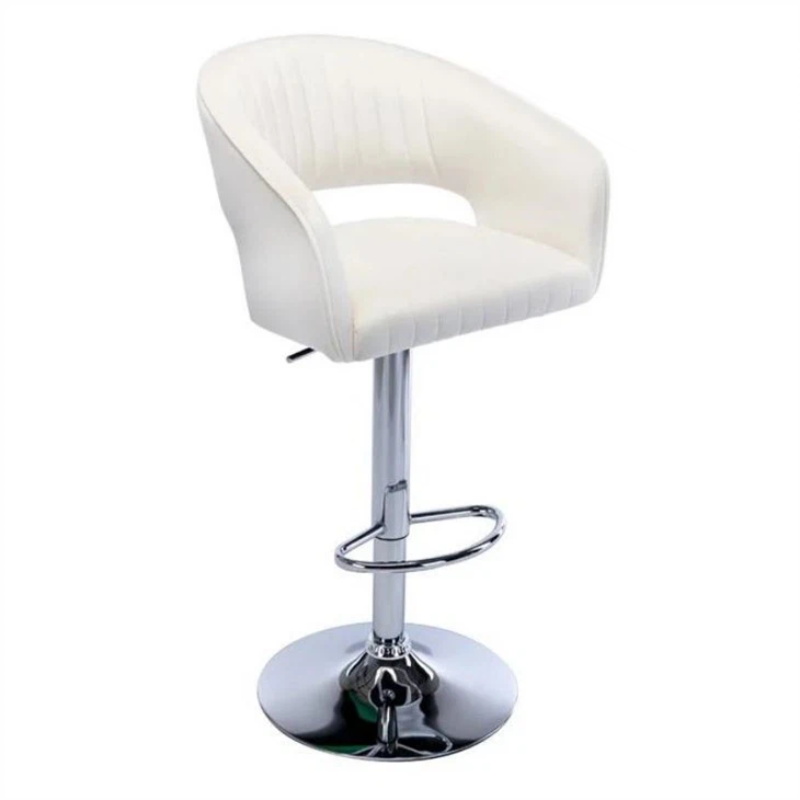
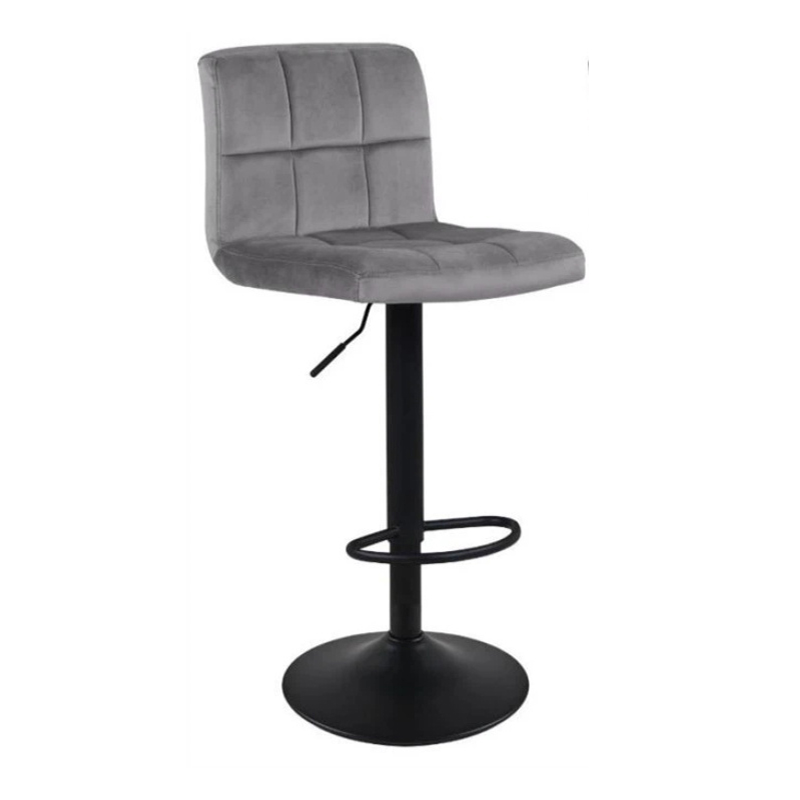




Upholstered Seating Collection
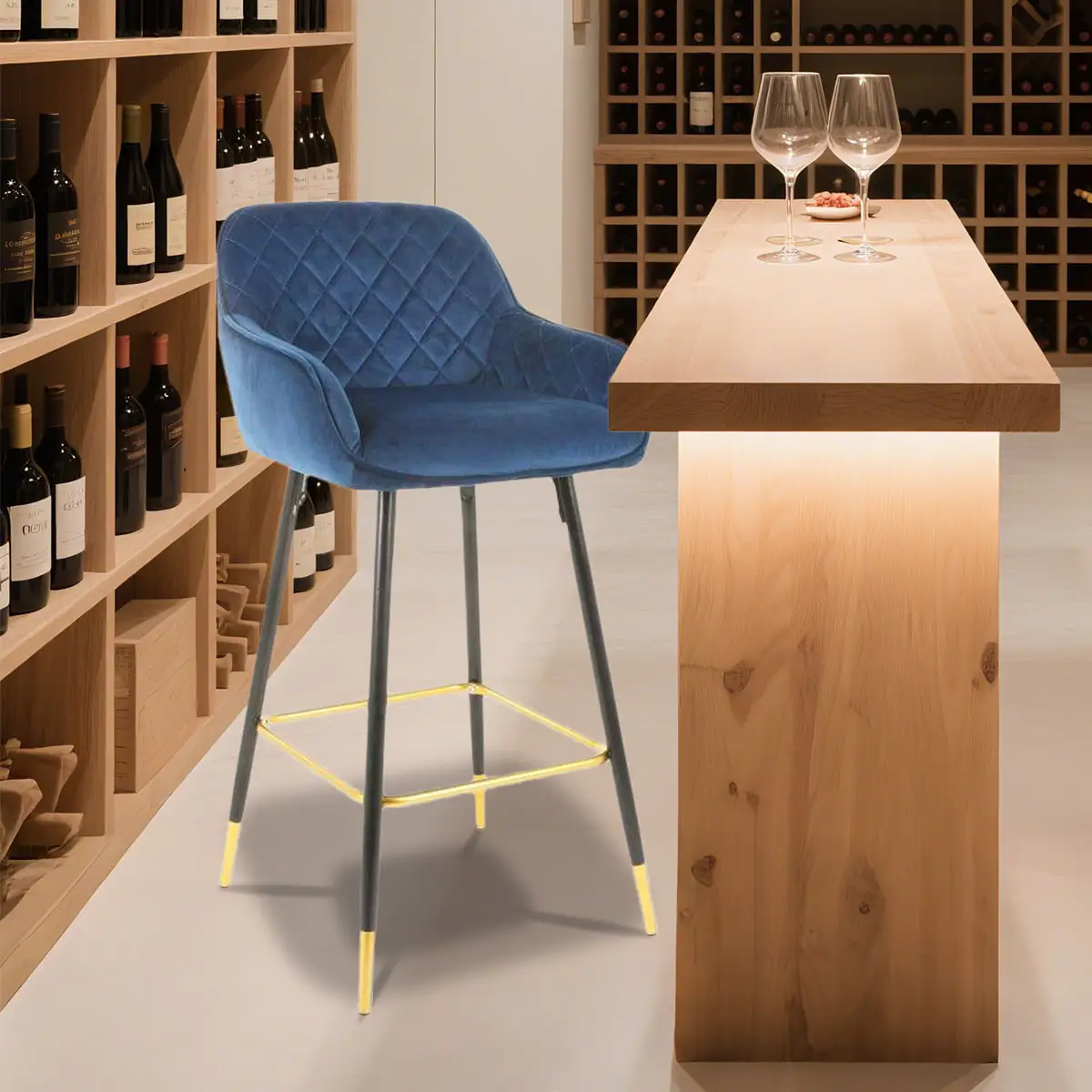
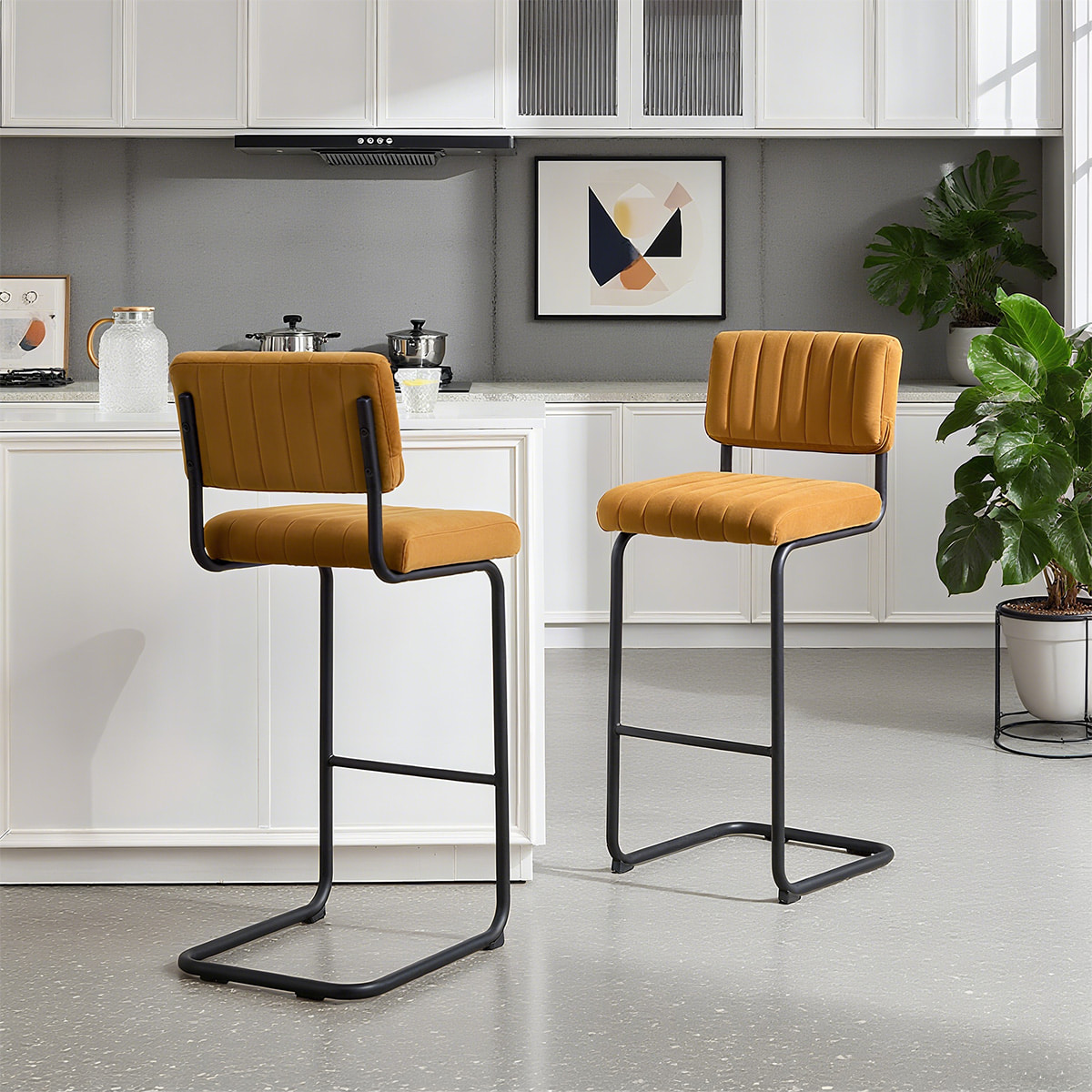
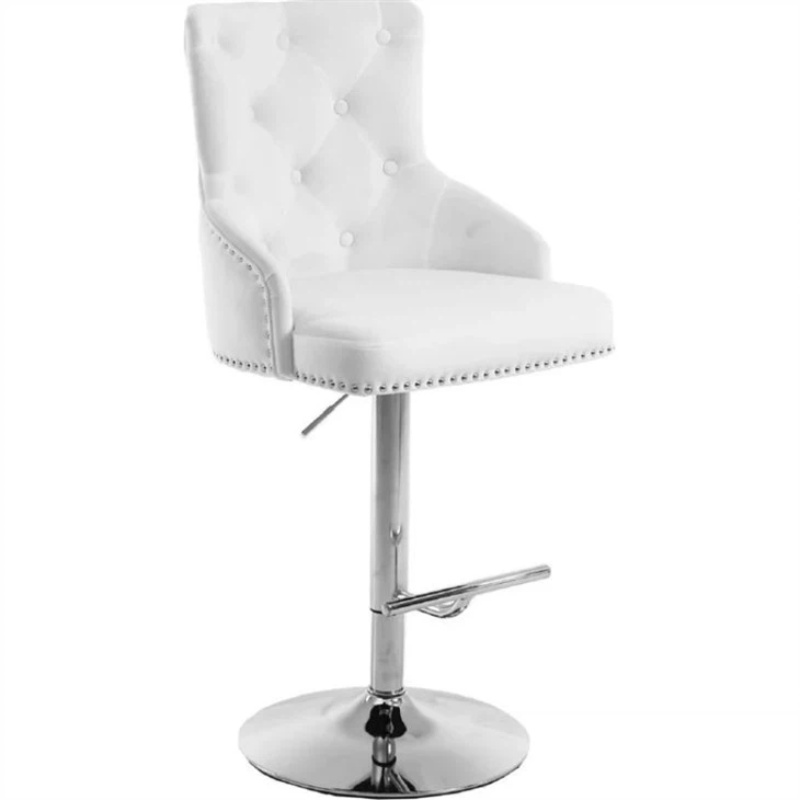
Curved Back Upholstered Bar Stools for Commercial and Residential Interiors
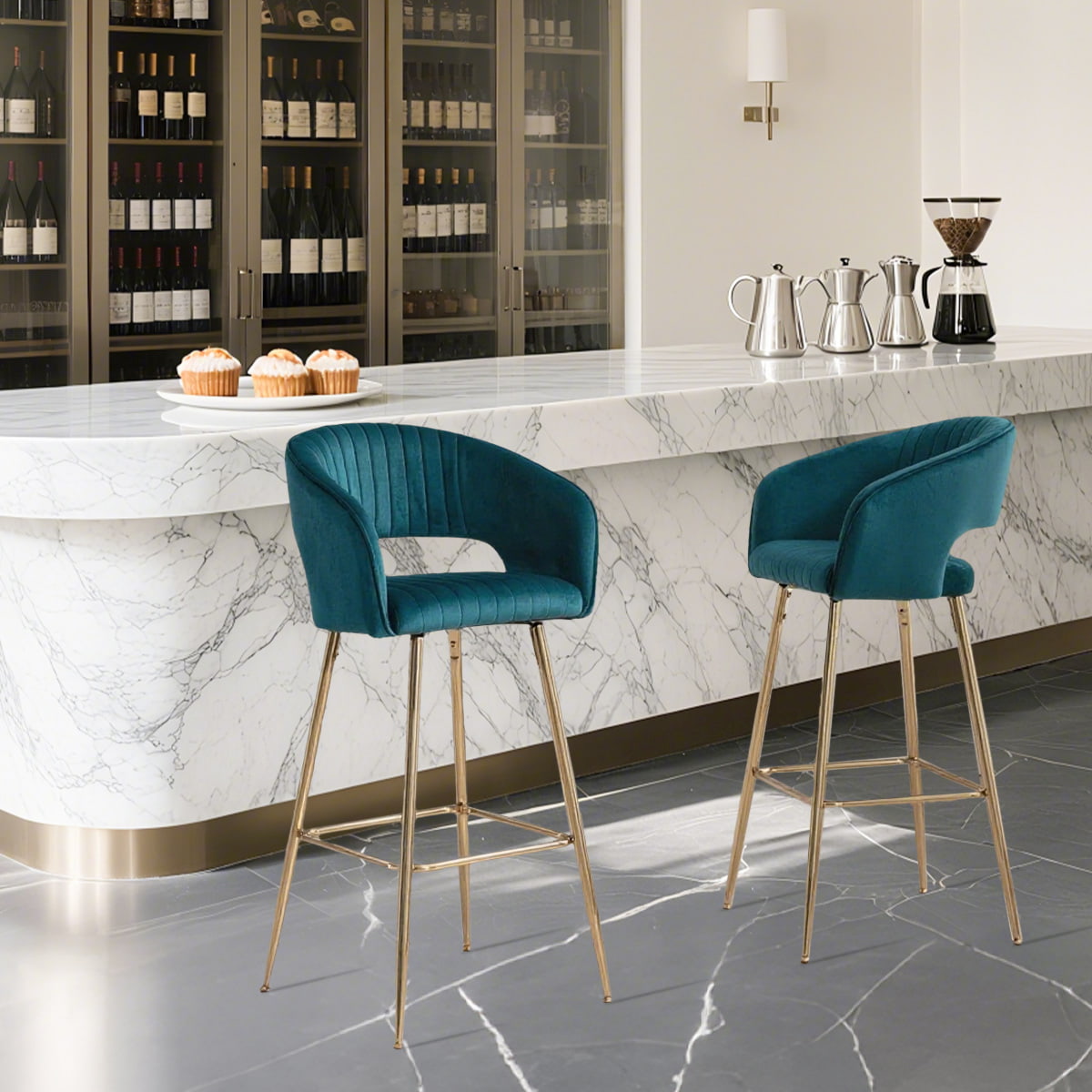
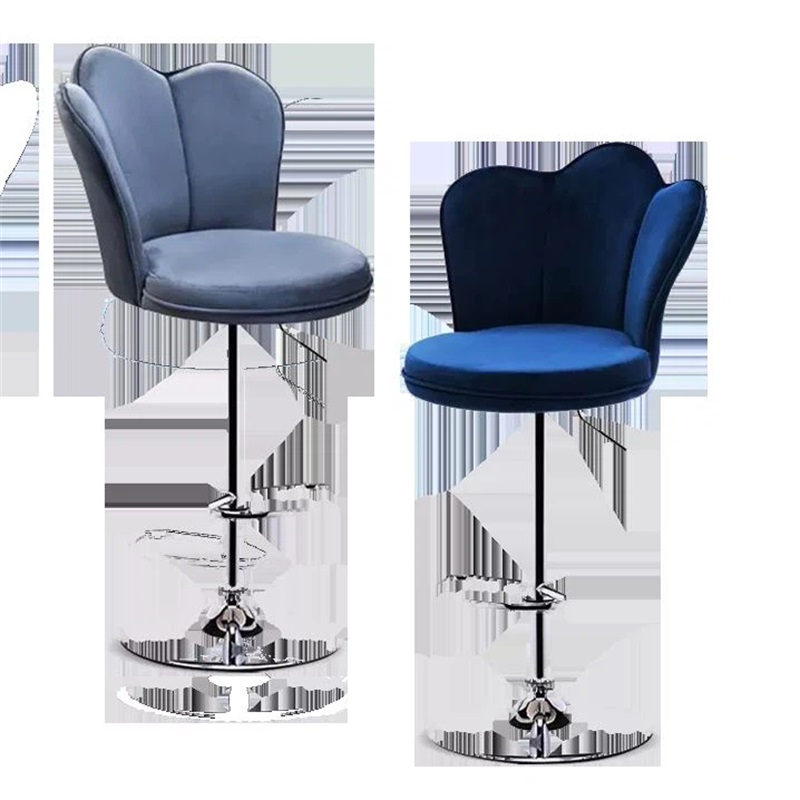
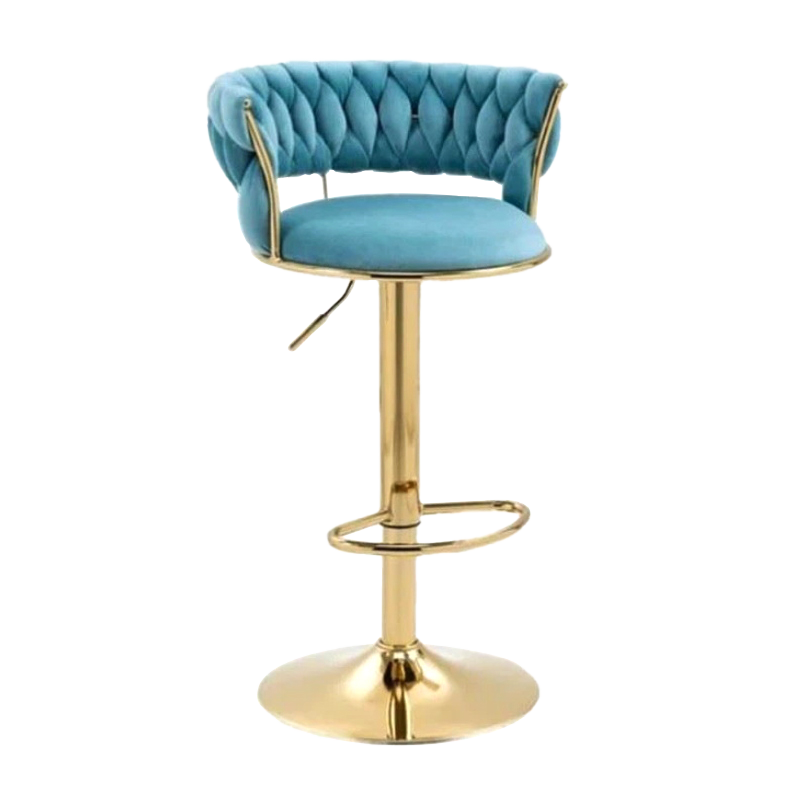
Curved back upholstered bar stools combine a shaped backrest with a padded seat to create a defined seating profile for bars, kitchen islands, hospitality counters, and commercial interiors. The curved backrest can be developed with different heights, widths, upholstery materials, and frame connections to suit the intended seating position and furniture design. Buyers can specify the backrest profile, seat dimensions, fabric or leather covering, base structure, and overall stool height according to project requirements.
How the Curved Backrest Defines the Seating Profile
The backrest is a key design and functional component. Its curvature, width, height, and connection to the seat affect the stool's appearance, seating posture, and structural requirements.
A curved backrest follows a shaped profile rather than a flat vertical plane. The degree of curvature and the amount of back support should be determined by the intended seating position, product dimensions, and design specification.
Backrest Width
The width determines how much of the user's back is supported. A compact profile can maintain an open visual appearance, while a wider design provides a larger contact area.
Curvature and Depth
The curve can be designed with different depths and side contours. The selected profile should balance the intended seating feel with the available space and overall stool proportions.
Backrest Height
Back height influences the visual weight and support area of the stool. Low, medium, and higher curved backs can be specified according to the furniture collection.
Seat-to-Back Connection
The connection between the upholstered backrest and seat needs to account for the frame structure, fixing method, and expected use conditions.
Construction Details and Component Requirements
A curved upholstered bar stool is assembled from several functional components. Their specifications should be reviewed together rather than selected independently.
The backrest support may use a suitable internal structure to maintain its specified shape. Material and construction depend on the design, production method, and intended load requirements.
Padding thickness and density affect the backrest profile and seating feel. Buyers should confirm the padding specification and finished dimensions when comparing samples or production batches.
The seat combines its supporting base, cushioning, and outer covering. Seat width, depth, thickness, and edge shape should be coordinated with the curved backrest.
The frame carries the seat and backrest assembly. Metal frame designs can be specified with different leg profiles, support rails, finishes, and footrest arrangements.
Fasteners and connection points should be appropriate for the selected frame and upholstered components. Joint stability and access for assembly should be checked during product development.
Upholstery Materials and Finish Specifications
Material Selection
The upholstery covering affects surface texture, cleaning requirements, appearance, and maintenance. Material selection should reflect the target market and the expected frequency of use.
Fabric composition, abrasion performance, colorfastness, cleaning instructions, and applicable test requirements should be confirmed against the actual material selected. Do not assume that all upholstery options share the same performance characteristics.
- Fabric Available in different weaves, textures, colors, and compositions.
- Velvet Provides a soft surface with a distinct pile texture and visual finish.
- PU Leather Offers a coated surface with material-specific cleaning and care requirements.
- Boucle Features a looped texture that creates a more pronounced fabric appearance.
Where Curved Back Bar Stools Are Used
The combination of a shaped backrest and upholstered seat can be specified for different interior environments. Stool height, upholstery, and frame finish should match the installation conditions.
Kitchen Islands
Curved back stools can be coordinated with residential kitchen islands. Seat height and available clearance should be checked against the finished countertop dimensions.
Hotel Bars
Upholstered seating can be specified to match hospitality interior schemes, with attention to material maintenance and repeated daily use.
Restaurants and Cafes
Different upholstery colors and frame finishes can support a consistent furniture specification across dining counters and bar areas.
Commercial Interiors
Interior designers and furniture buyers can coordinate the backrest profile, overall dimensions, and finish with a wider seating or furniture collection.
Bar Stool Dimensions and Counter Compatibility
Overall stool dimensions should be selected according to the counter height, available legroom, and user requirements. The following figures are common planning references rather than guaranteed dimensions for every model.
| Dimension | Common Reference | What Buyers Should Confirm |
|---|---|---|
| Counter Height | 36 inches | Measure the finished counter surface from the floor. |
| Counter Stool Seat Height | 24–27 inches | Check the vertical distance between the floor and the top of the seat. |
| Bar Height | 40–42 inches | Confirm the actual bar surface height before selecting the stool. |
| Bar Stool Seat Height | 28–32 inches | Match the seat height to the bar and the required leg clearance. |
| Seat-to-Counter Clearance | Approximately 10–12 inches | Allow sufficient space between the seat and the underside of the counter. |
Information to Confirm Before Bulk Ordering
For importers, furniture distributors, hospitality suppliers, and project buyers, a complete specification helps reduce differences between approved samples and mass production.
Confirm backrest height, width, curvature, padding, and the required finished shape.
Specify seat width, depth, thickness, and the relationship between the seat and backrest.
Identify the covering material, color reference, texture, stitching details, and applicable material requirements.
Confirm frame material, leg configuration, surface finish, footrest design, and connection details.
Provide overall height, seat height, width, depth, and any project-specific dimensional tolerances.
Confirm order quantity, packing method, assembly requirements, carton dimensions, and shipping arrangement.
Frequently Asked Questions
What is the difference between curved back and straight back upholstered bar stools?
Curved back stools have a shaped backrest profile, while straight back models generally use a flatter backrest. The difference affects the product's appearance, back contact area, and structural design.
Can curved back upholstered bar stools be made with different fabrics?
Fabric, velvet, PU leather, and boucle are common upholstery options. Availability depends on the manufacturer's material range and the specific product construction. Buyers should confirm material samples and specifications before production.
Are curved back bar stools suitable for commercial projects?
They can be specified for restaurants, hotels, cafes, and other commercial interiors. Buyers should evaluate the frame construction, upholstery performance, connection details, and applicable testing requirements for the intended environment.
How do I select the correct height for curved back bar stools?
Measure the finished counter or bar height first. Then select a stool with an appropriate seat height, generally allowing around 10–12 inches between the seat and the underside of the counter as an initial planning reference.
What details should be included in a bulk order inquiry?
Include the required quantity, stool height, backrest profile, seat dimensions, upholstery material, color, frame finish, packaging requirements, and destination market. Drawings or reference samples can help clarify product details.
Discuss Your Curved Back Upholstered Bar Stool Requirements
Share your target dimensions, backrest design, upholstery selection, frame finish, and estimated order quantity. These details can help establish a product specification for sampling, quotation, and bulk production evaluation.


