


 En
 English
 Français
 Español
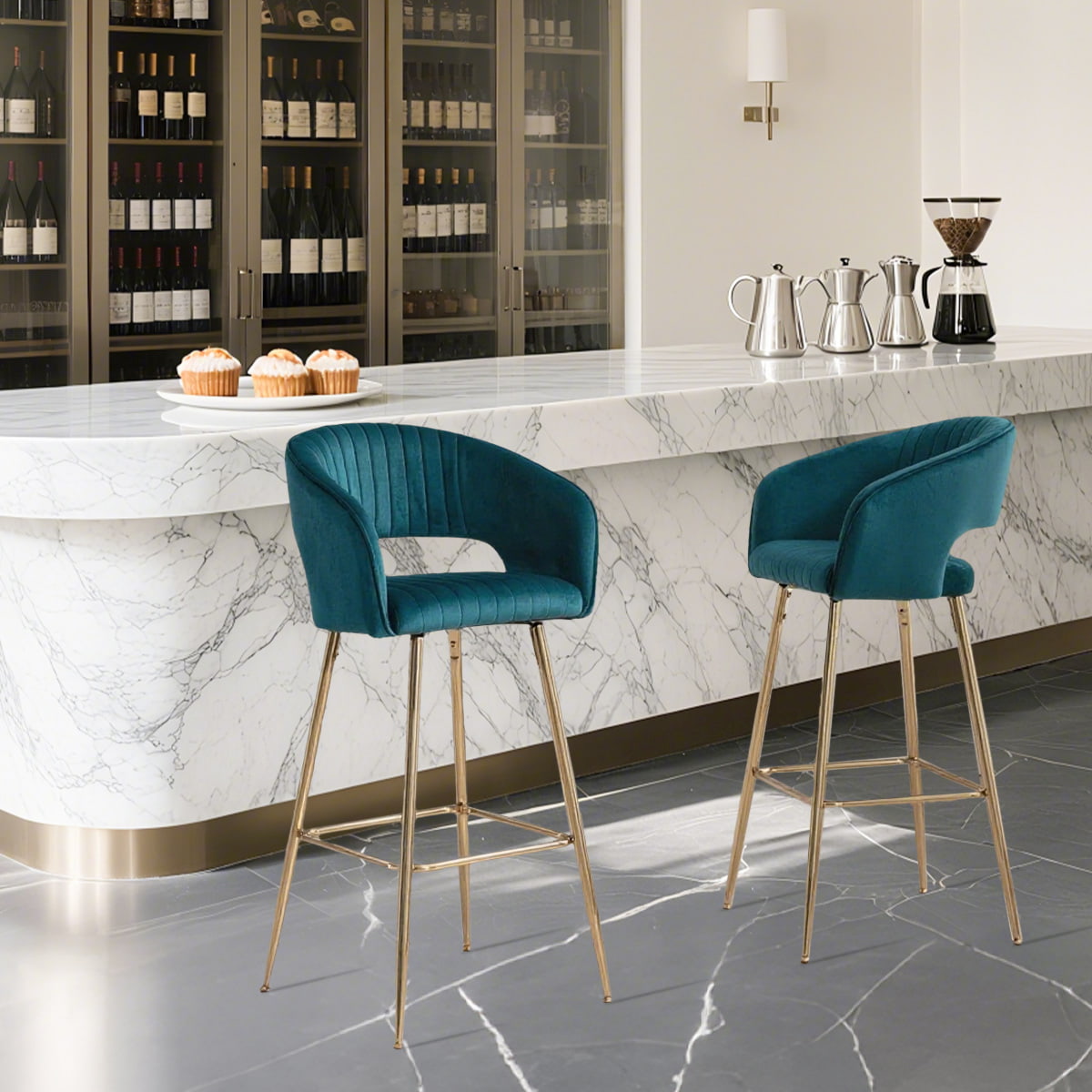
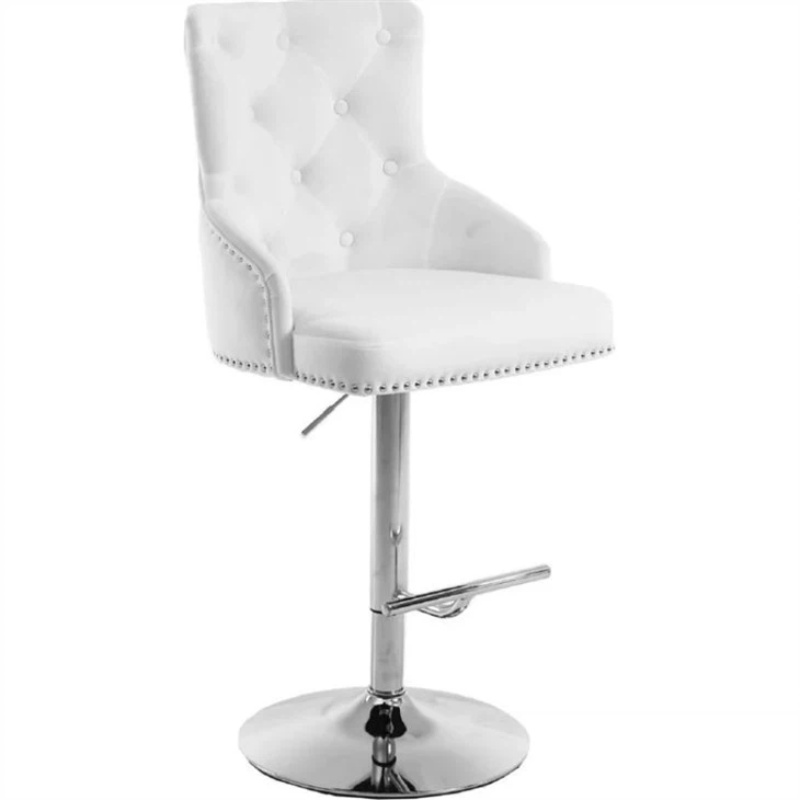
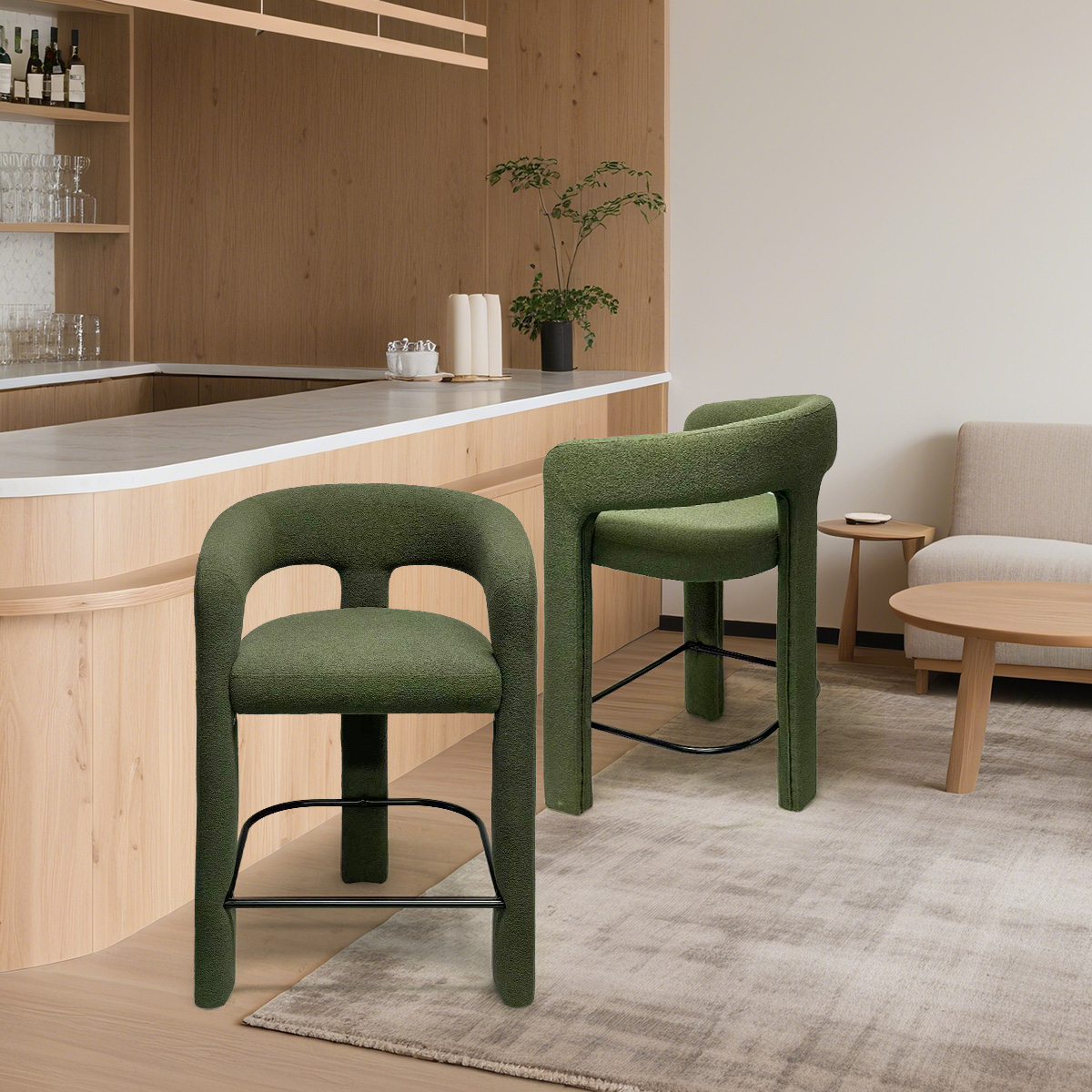
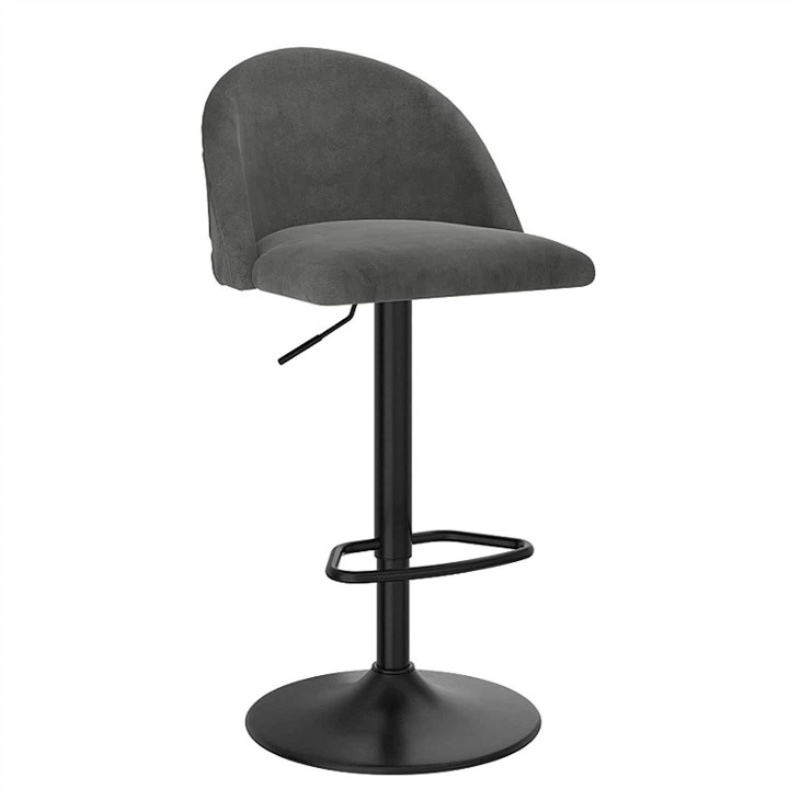
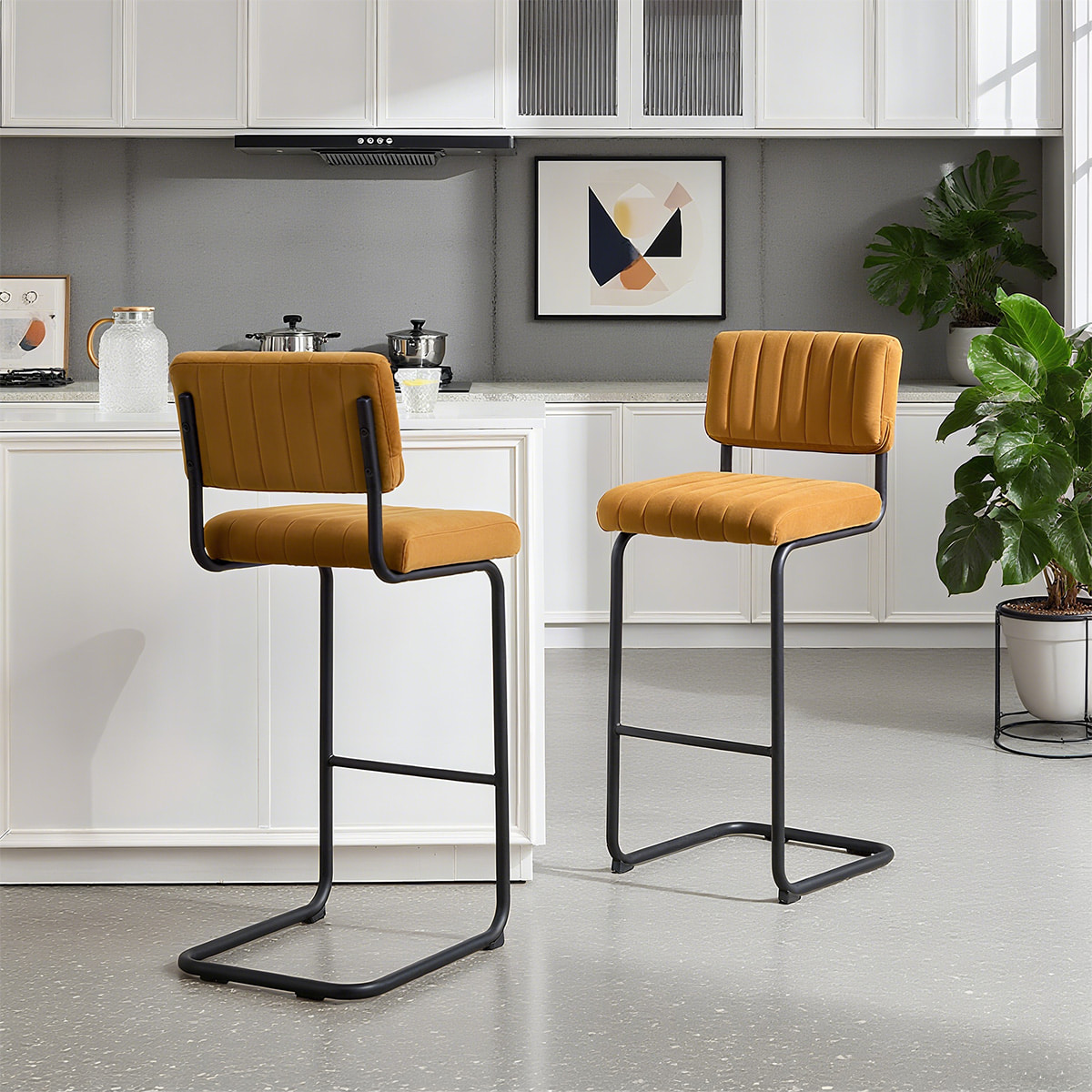
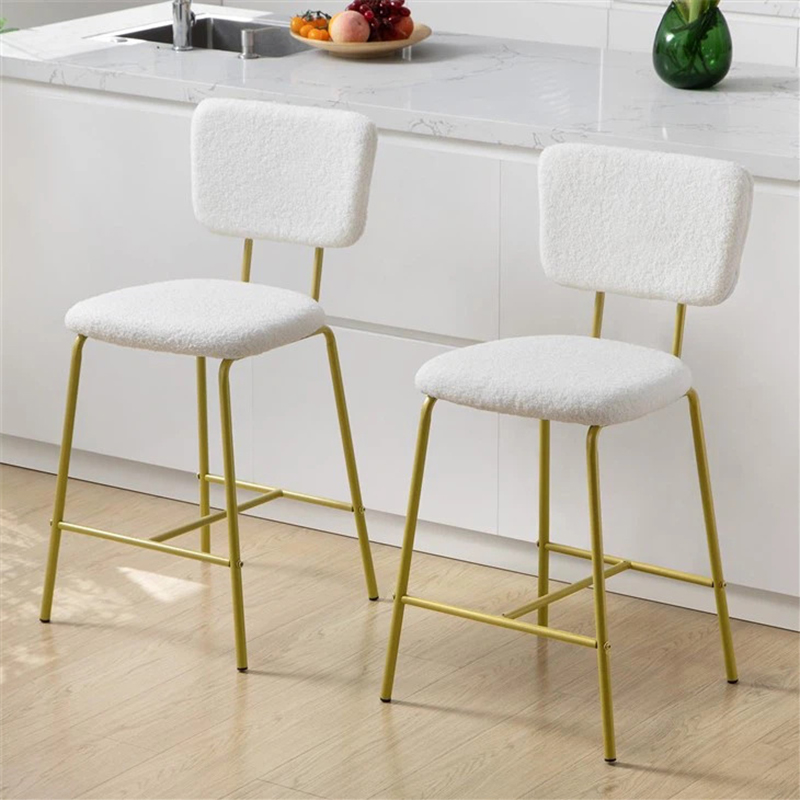
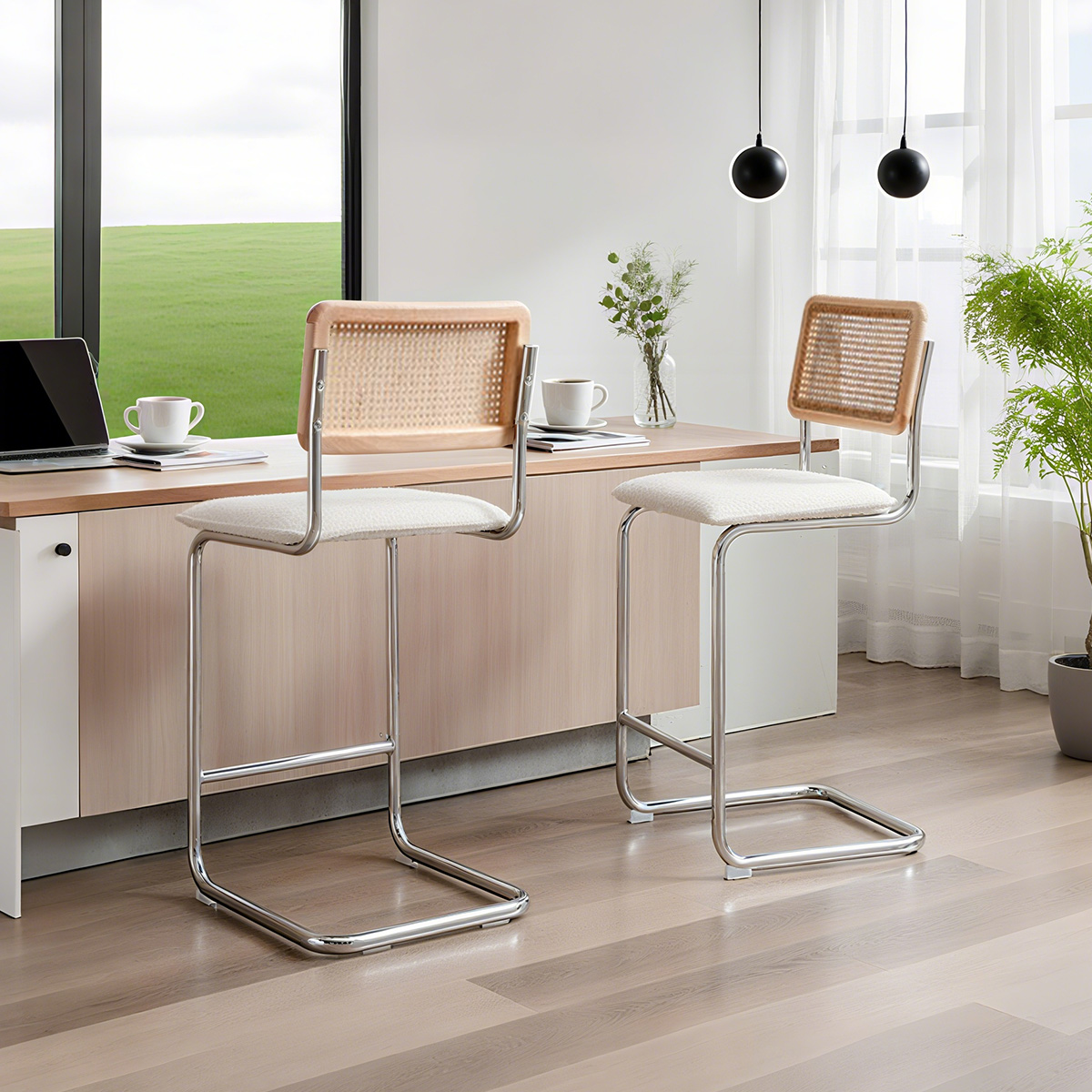

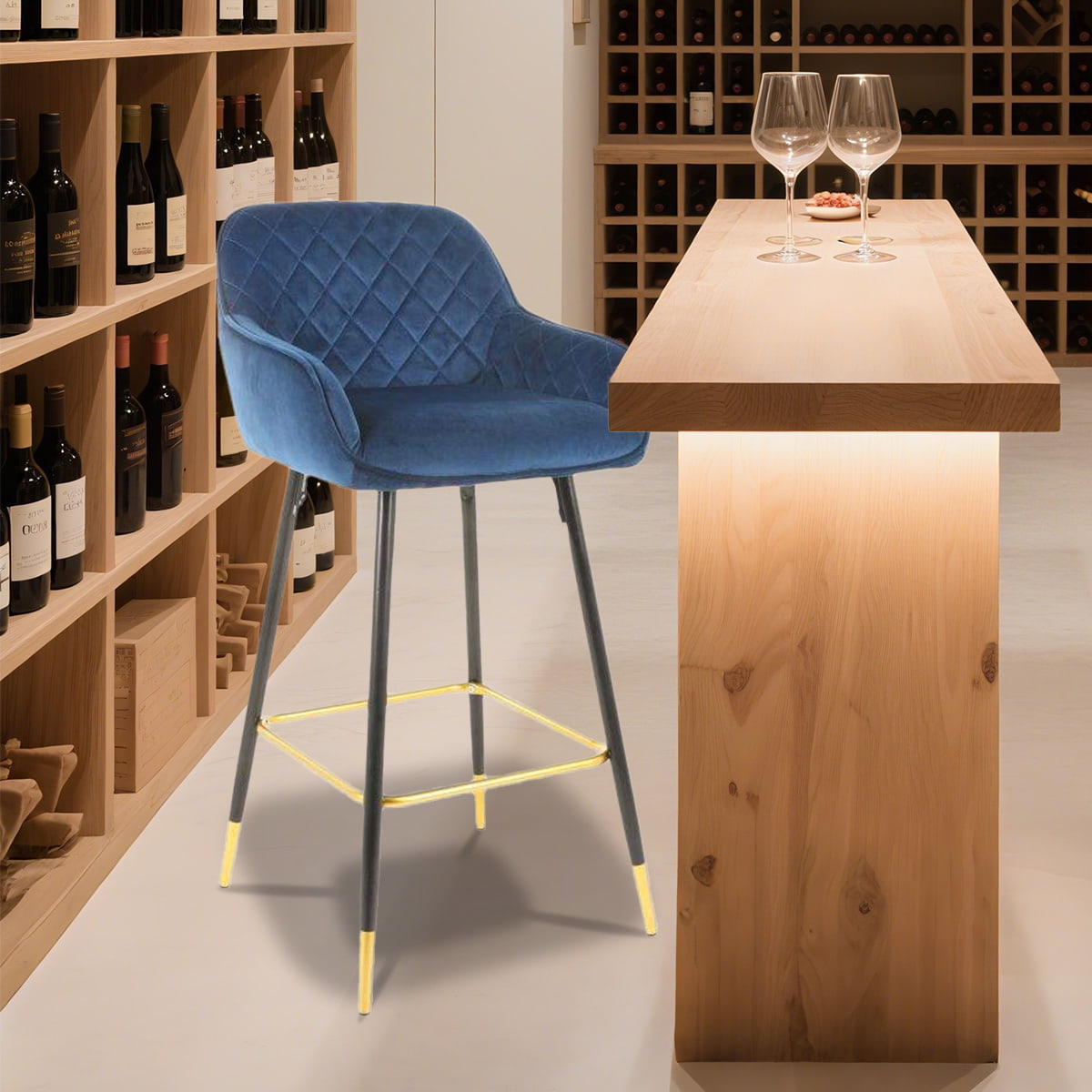
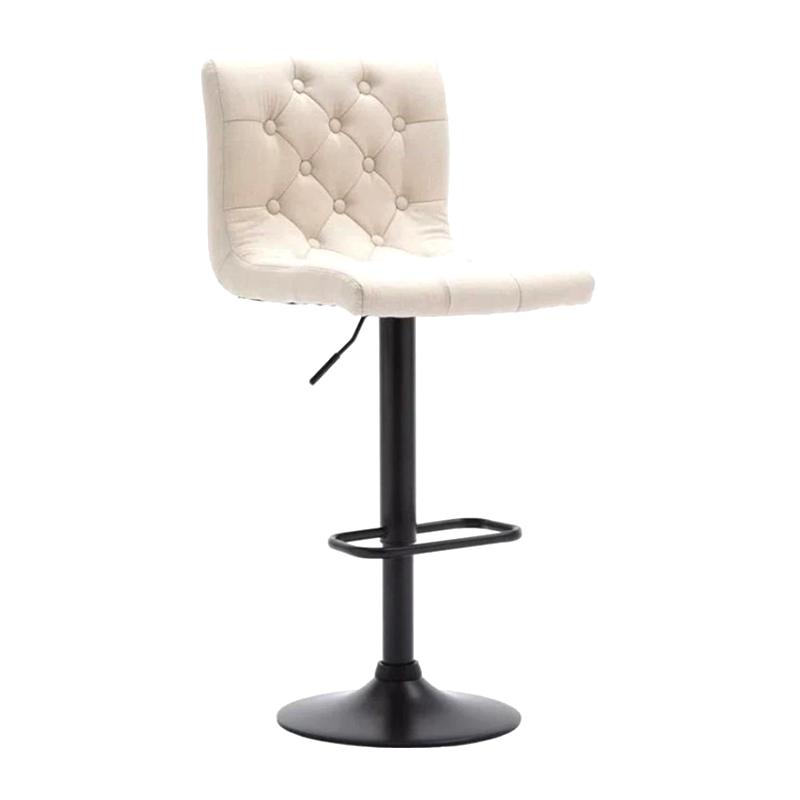
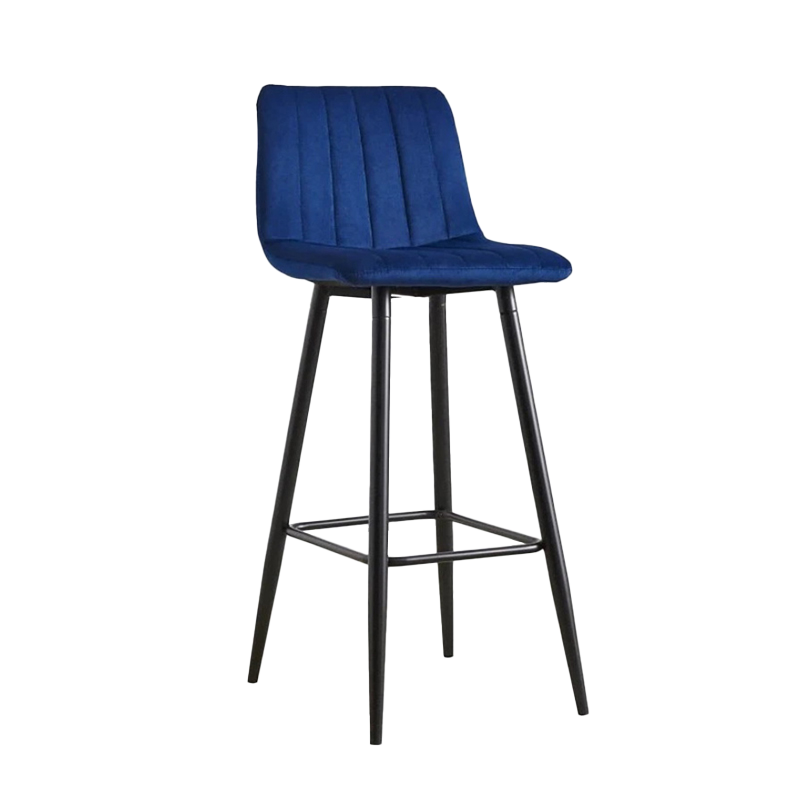
Grey Fabric Bar Stools with Backrests
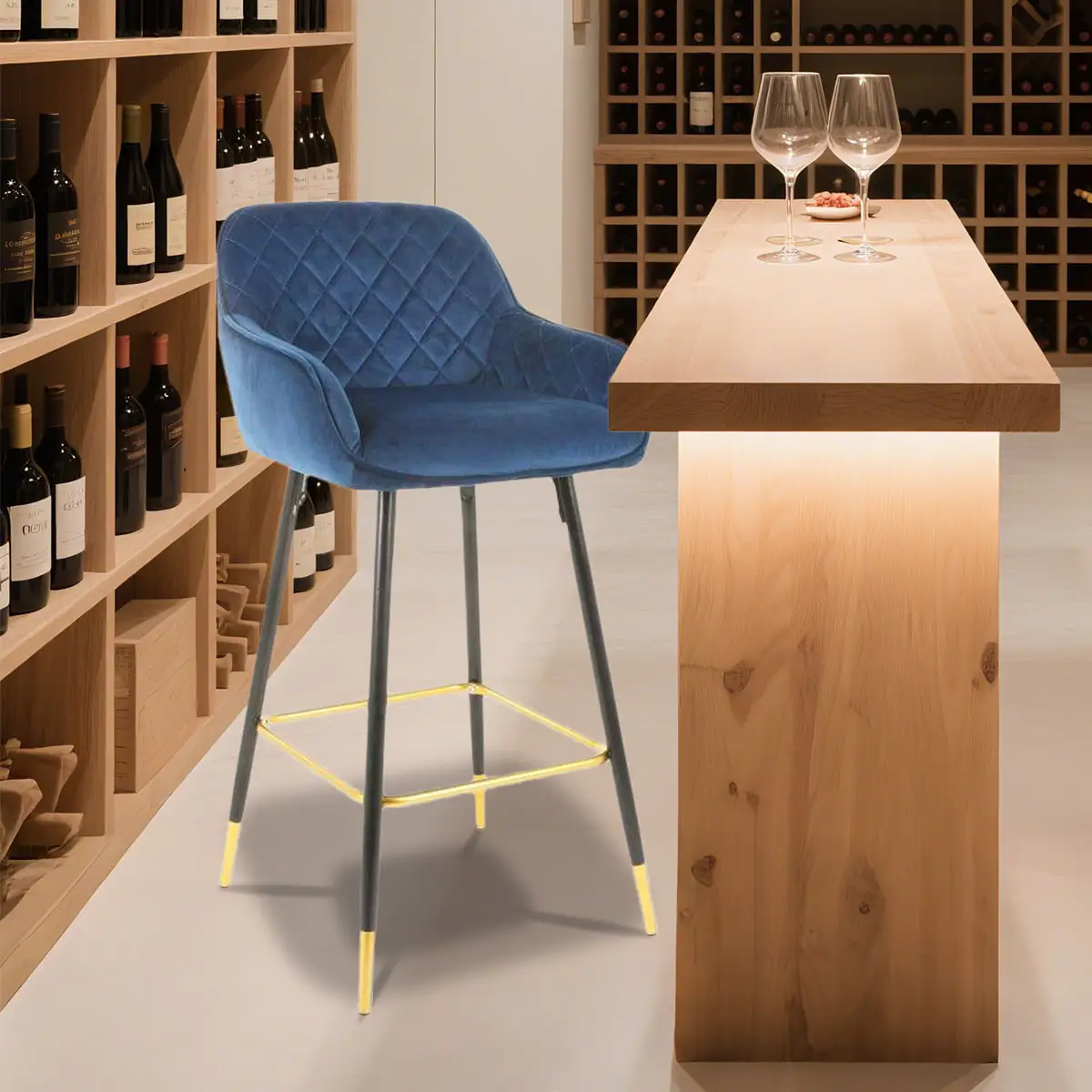
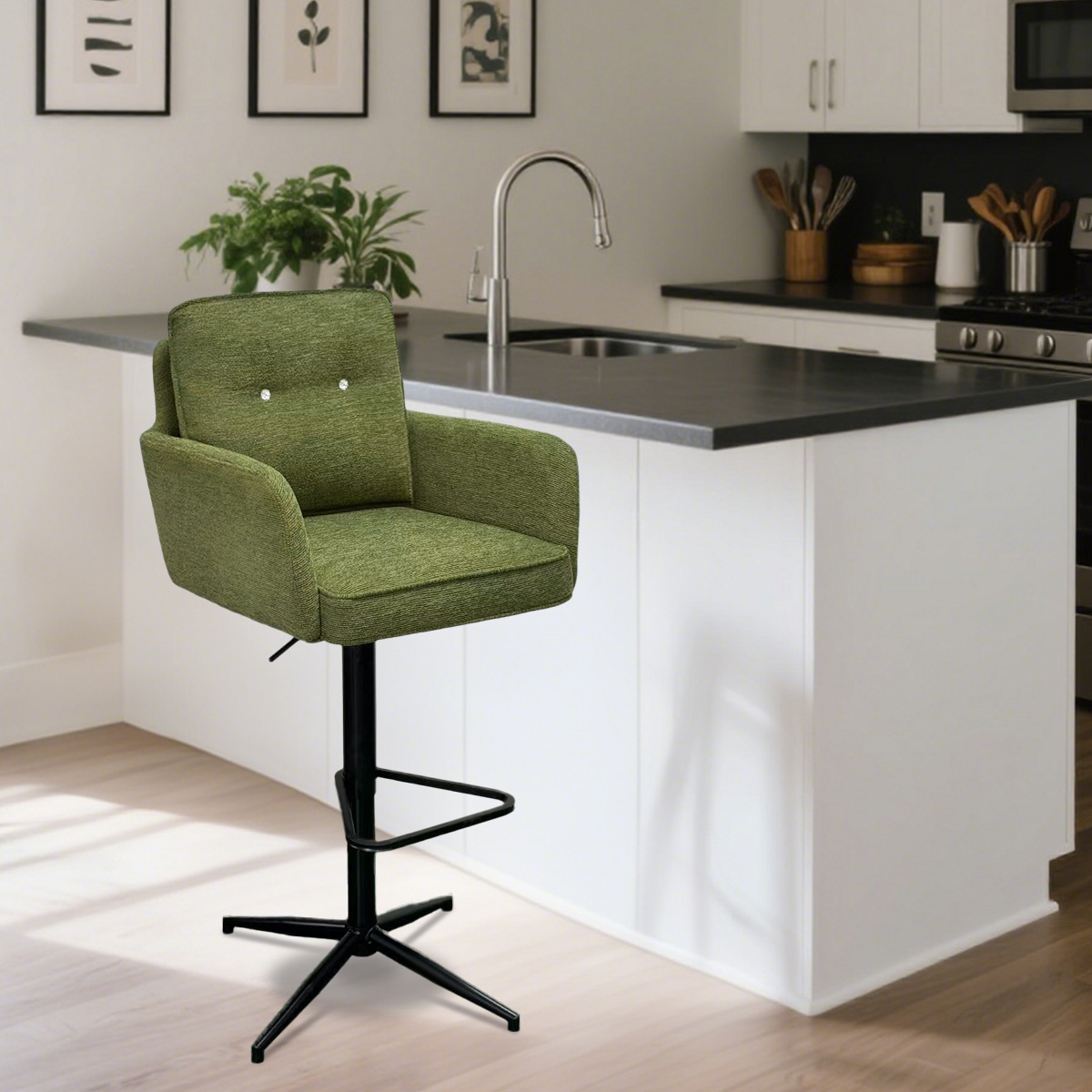
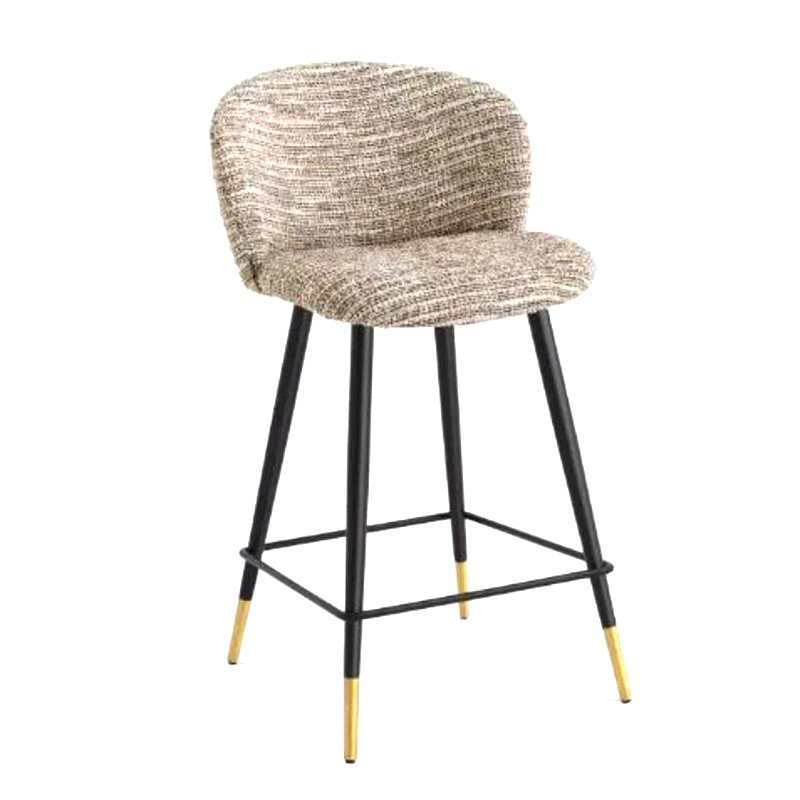
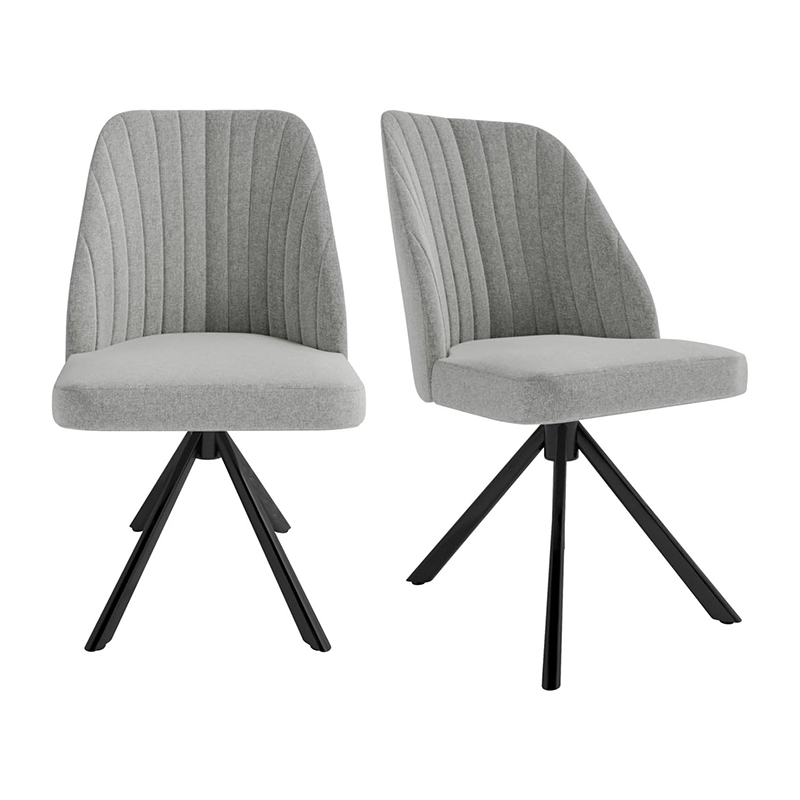
Grey fabric bar stools with backrests combine upholstered seating with integrated back support for kitchen counters, hospitality interiors and commercial furniture collections. Fabric texture, backrest shape, seat dimensions and frame construction can be specified according to the selected model.
CONFIGURATION
OVERVIEW 01 / 06
Fabric Seating with Integrated Back Support
Grey fabric bar stools with backrests are designed around two main seating components: a padded seat and an upholstered or partially upholstered backrest. The backrest profile, height and connection to the seat structure affect the overall appearance and seating configuration.
For furniture importers and project buyers, the product should be assessed through its fabric specification, foam construction, backrest dimensions, frame stability and finished seat height. These details help distinguish models that may look similar in a product catalog but have different construction requirements.
Backrest Profiles and Structural Differences
The backrest is a defining feature of this product category. Its height, width and shape should be selected according to the intended seating position and overall product dimensions.
A compact backrest profile that keeps the overall stool silhouette relatively open.
PROFILE / COMPACTA more extended backrest shape that provides additional contact area behind the seat.
PROFILE / EXTENDEDA taller backrest configuration for designs with greater upper-back coverage.
PROFILE / TALLThese are general design categories. Actual backrest dimensions, shape and available models should be confirmed from the product drawings.
Grey Fabric: Color, Texture and Specification
Grey upholstery can vary from light grey to charcoal. Fabric composition, weave and surface texture should be evaluated separately from the color name.
Use approved fabric swatches to confirm the required shade. Screen appearance may differ from the actual textile color.
Confirm fiber content and the relevant material specification for the selected fabric.
Review the textile surface, weave density and tactile characteristics.
Check applicable abrasion and colorfastness test requirements for the target market.
Confirm suitable cleaning methods and maintenance requirements for the upholstery.
How the Seat and Backrest Connect
The relationship between the backrest, seat base and supporting frame should be reviewed as a complete assembly.
Backrest Support
Check the backrest attachment points, supporting members and connection design.
Seat Frame
Review the seat base structure and its connection with the main stool frame.
Leg Structure
Confirm leg arrangement, frame material, joint construction and floor-contact details.
Footrest Position
Where fitted, check footrest height, width and connection to the supporting frame.
Dimensions to Check Before Model Selection
Backrest height and seat height should be considered together. The overall stool height alone is not sufficient for checking counter compatibility.
Measure from the floor to the finished top surface of the seat.
Confirm the height above the seat and the overall stool height.
Check usable seating dimensions and the relationship with the backrest.
Allow sufficient space between the seat and the underside of the counter.
These ranges are preliminary planning references only. Confirm the actual stool dimensions and counter measurements before final selection.
Product Positioning for Different Buyer Groups
Furniture Importers & Wholesalers
Grey fabric options can be included in multi-color seating assortments. Buyers should standardize fabric references and model specifications across repeat orders.
Hospitality Furniture Buyers
Restaurants, bars and hotels should evaluate fabric maintenance, frame construction and suitability for the intended use frequency.
Residential Furniture Retailers
Backrest profile, upholstery shade and seat dimensions can be used to organize different product styles within a retail collection.
Prepare the Product Details for Quotation
Before requesting a quotation, organize the following information to reduce specification gaps during sampling and order confirmation.
Grey shade, fabric type, swatch reference and material requirements.
Backrest profile, dimensions, upholstery and connection details.
Frame material, leg arrangement, finish and footrest requirements.
Model quantity, packaging, assembly and shipping destination.
Frequently Asked Questions
What types of grey fabric are used for bar stools?
Fabric options depend on the product model and may differ in fiber composition, weave, texture and performance. Request material specifications and physical swatches before confirming an order.
Are grey fabric bar stools available with different backrest heights?
Different models may use low-back, mid-back or full-back configurations. Confirm the actual backrest dimensions and product drawings for each model.
How should buyers compare backrest designs?
Compare backrest height, width, shape, padding, attachment structure and the relationship between the backrest and seat. These details are more useful than appearance alone when comparing product specifications.
Are grey fabric bar stools suitable for restaurant projects?
Suitability depends on the fabric performance, frame construction, maintenance requirements and intended usage frequency. Buyers should specify the project's performance requirements before selecting a model.
Can buyers request a specific shade of grey?
Color selection should be confirmed using an agreed fabric swatch or color reference. Light grey, medium grey and charcoal are different shade directions and should be specified separately.
Discuss Grey Fabric Bar Stool Configurations
Share the required fabric shade, backrest design, seat dimensions and order quantity to identify suitable models for your furniture collection or project.


