


 En
 English
 Français
 Español
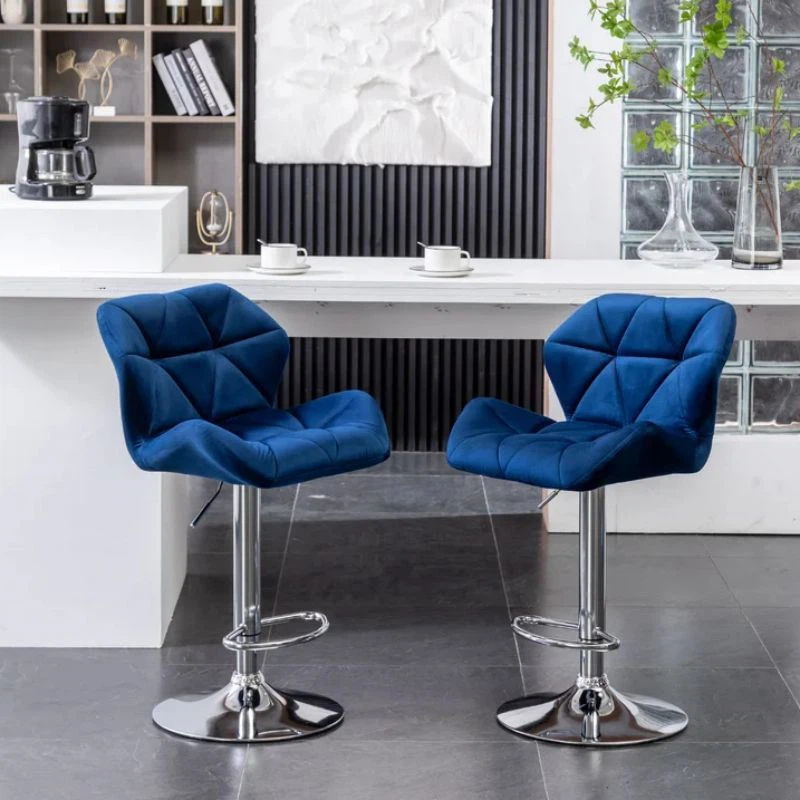
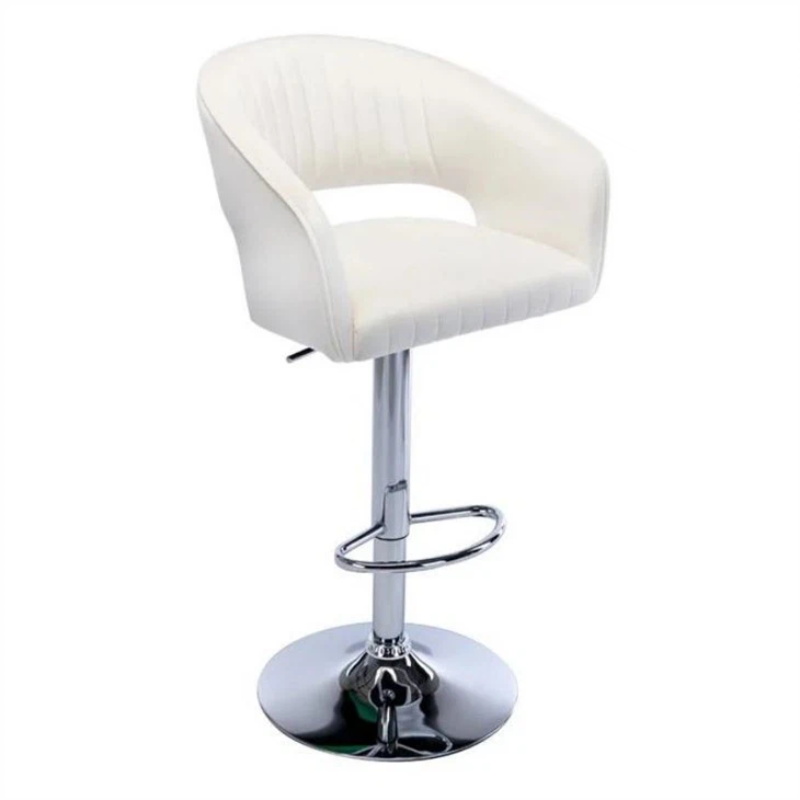
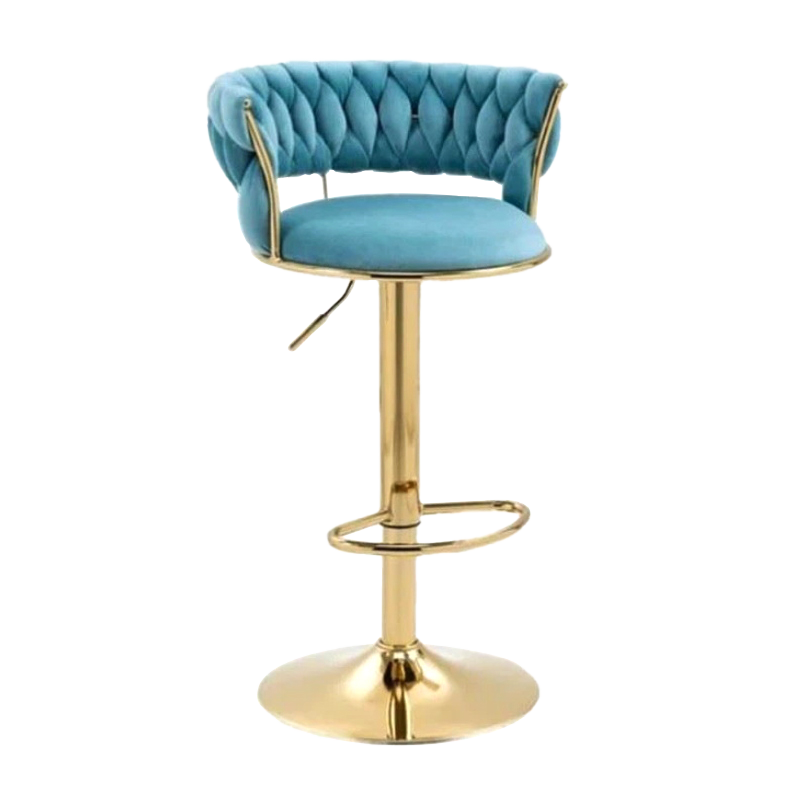
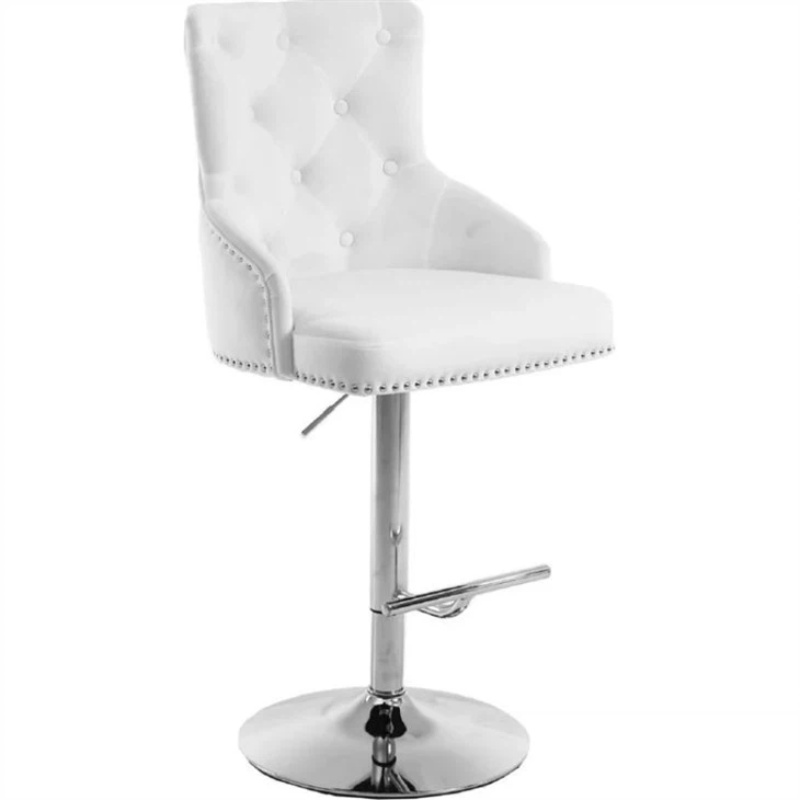

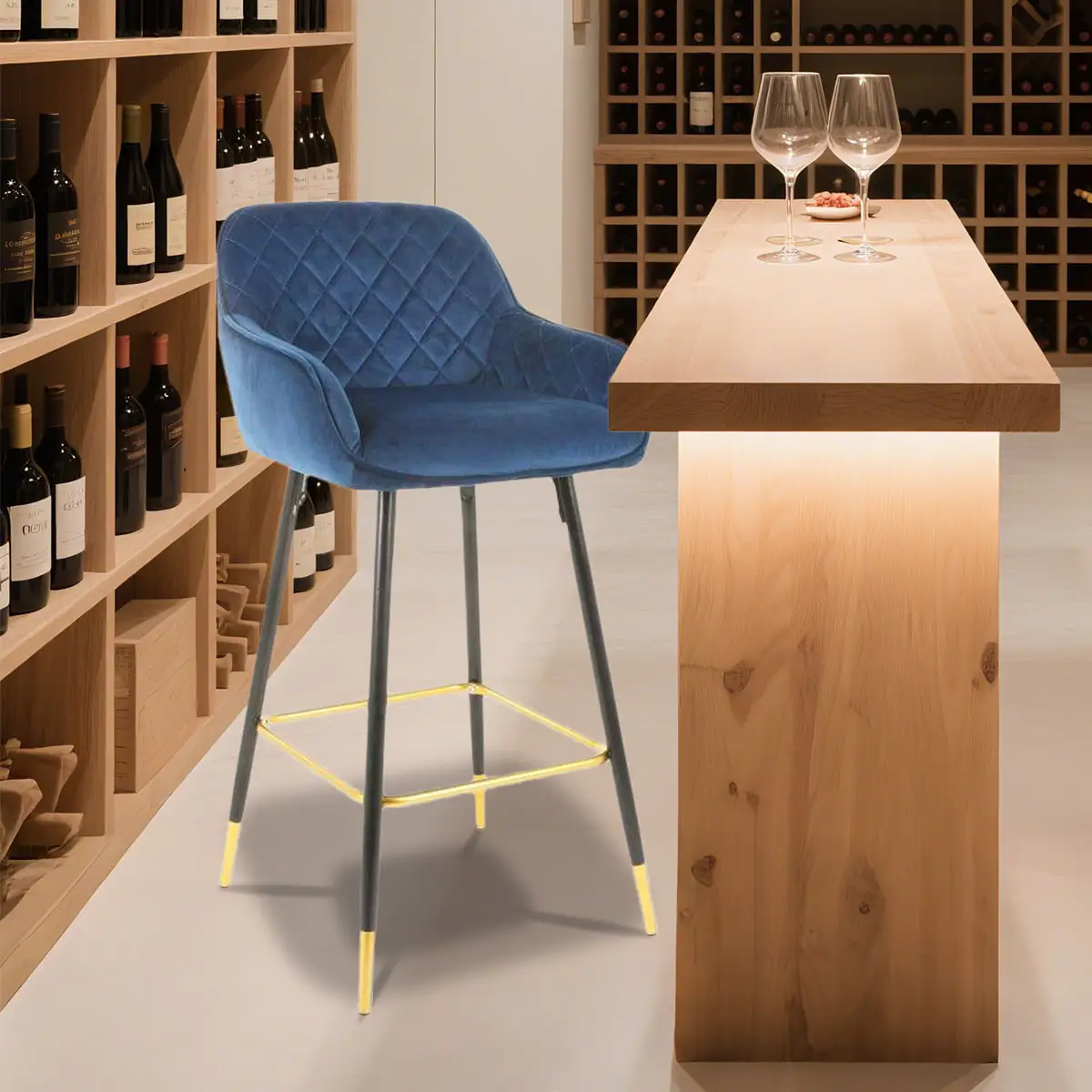
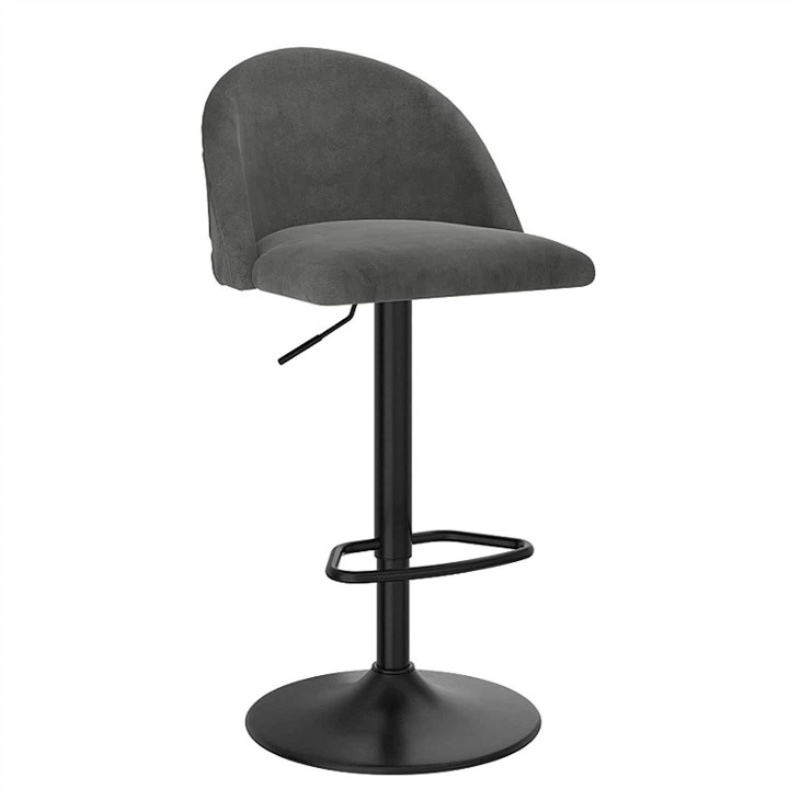
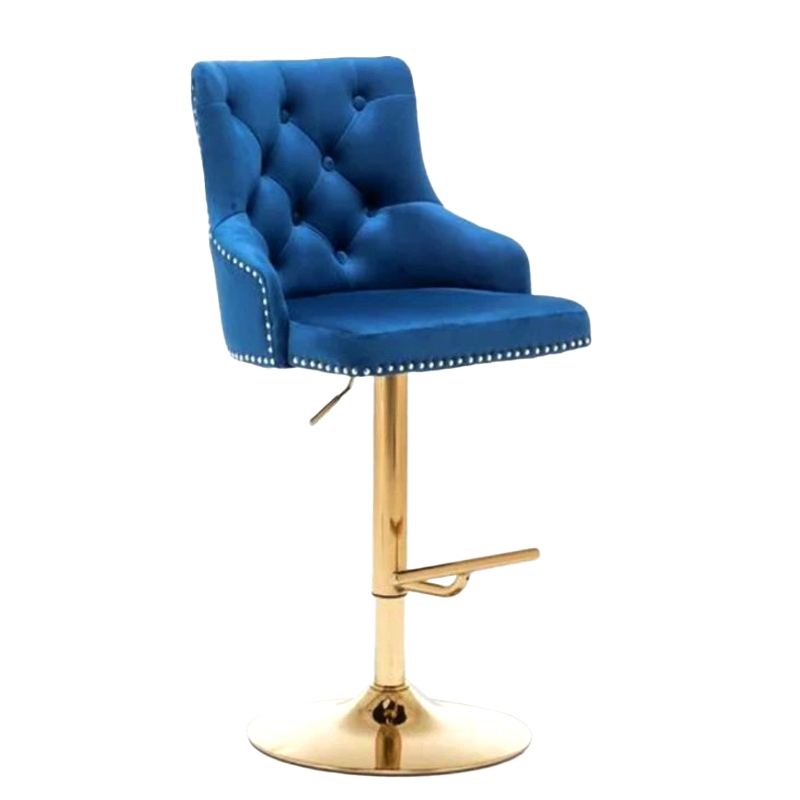
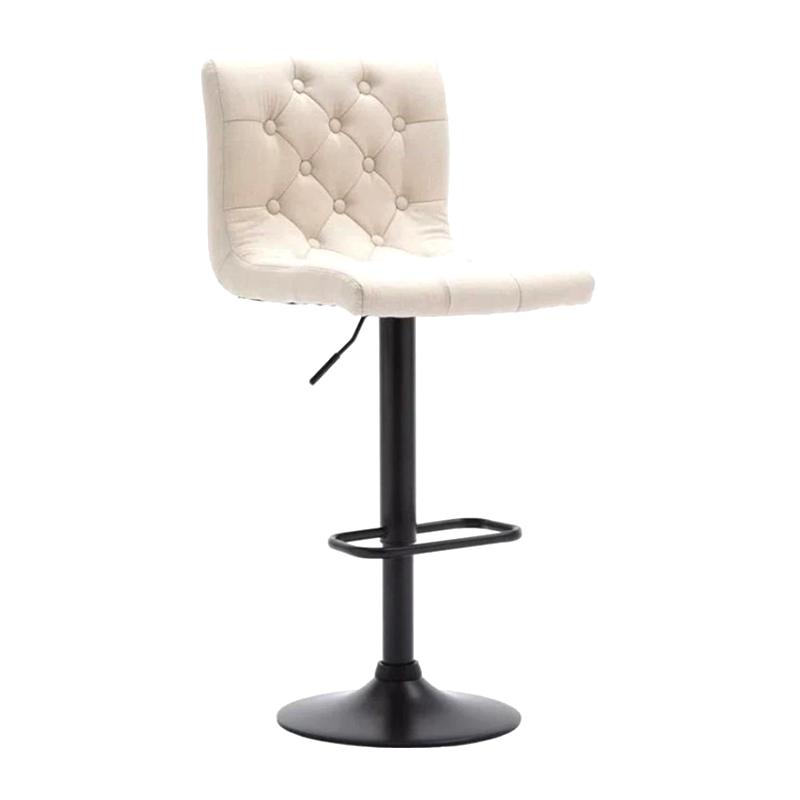
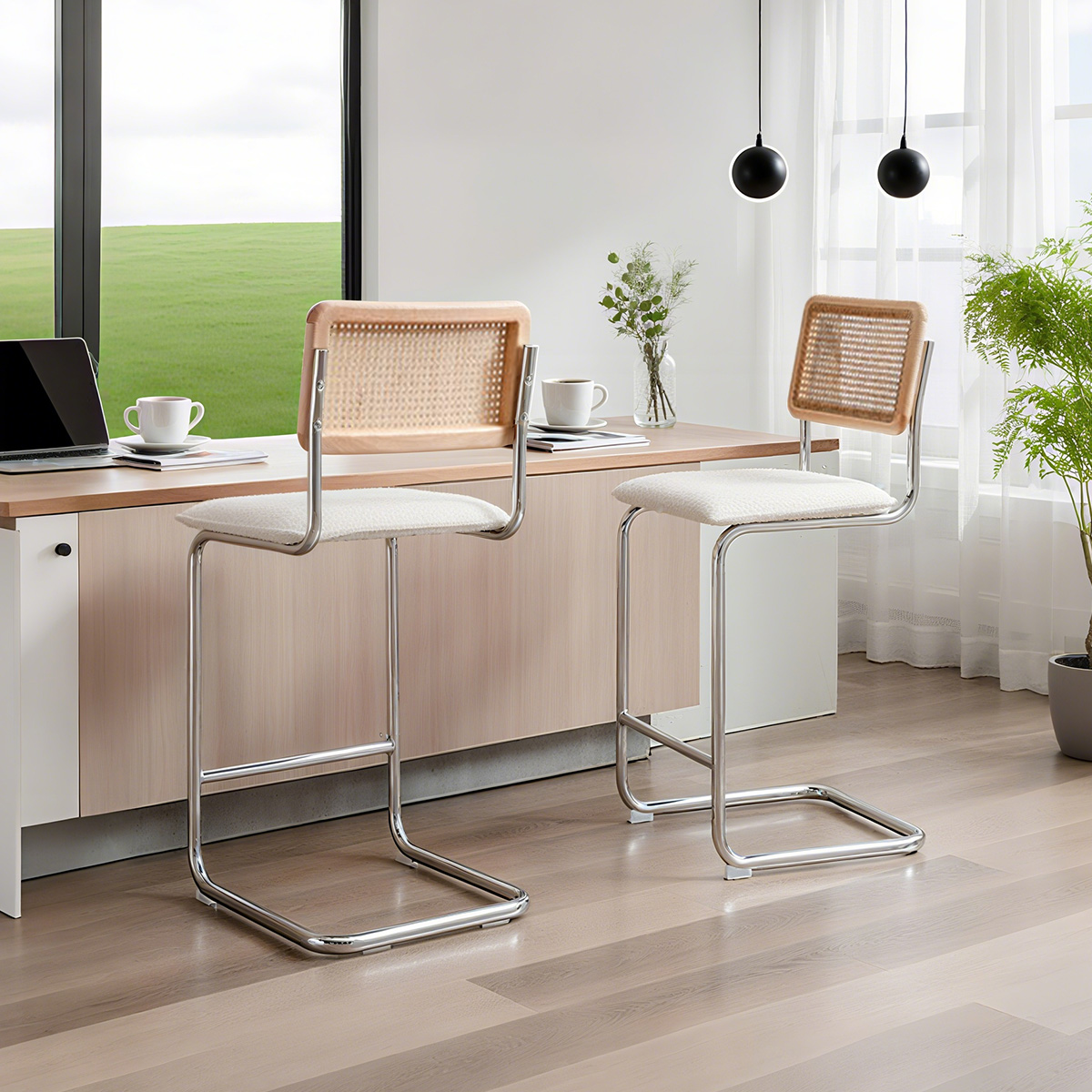
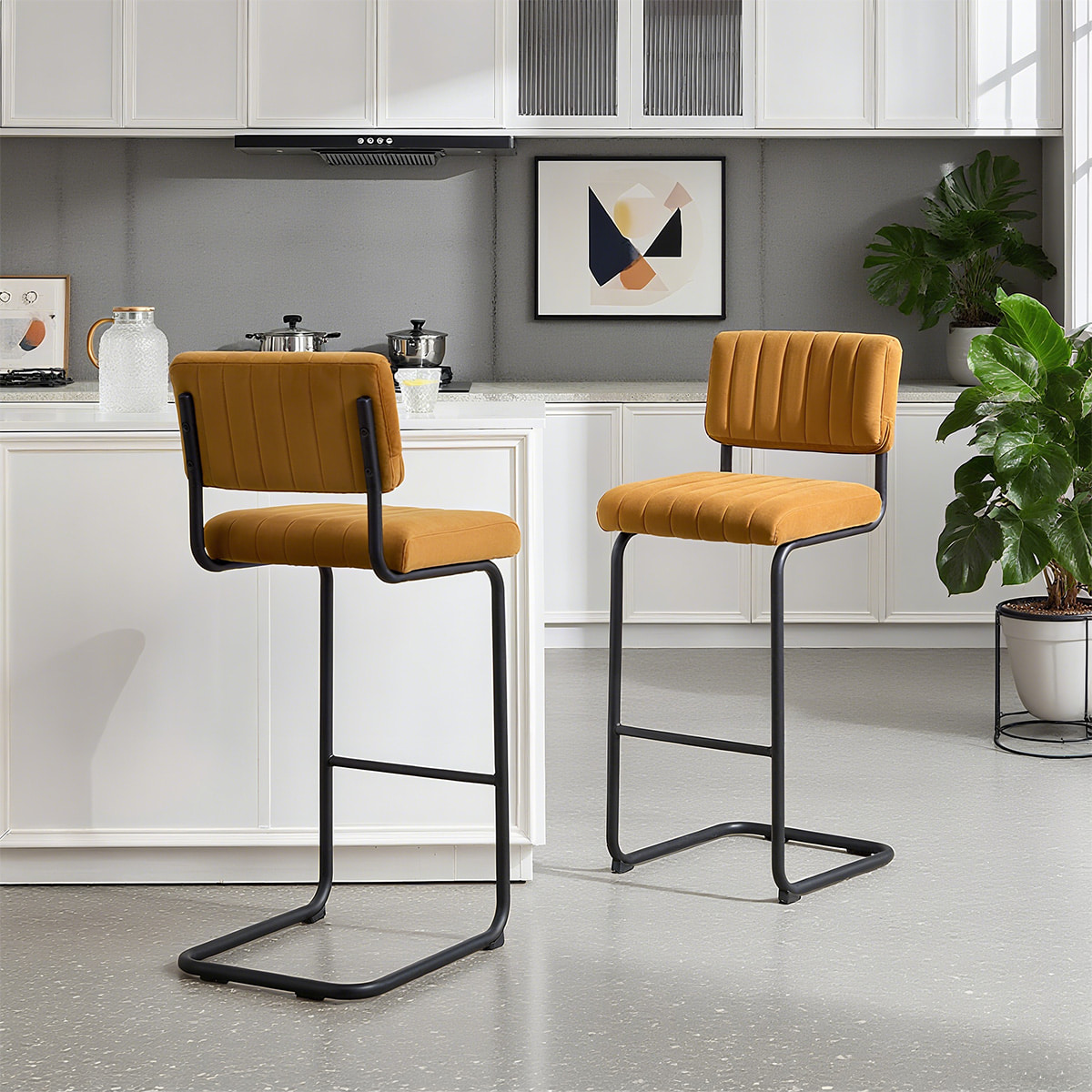
Swivel Seating Collection
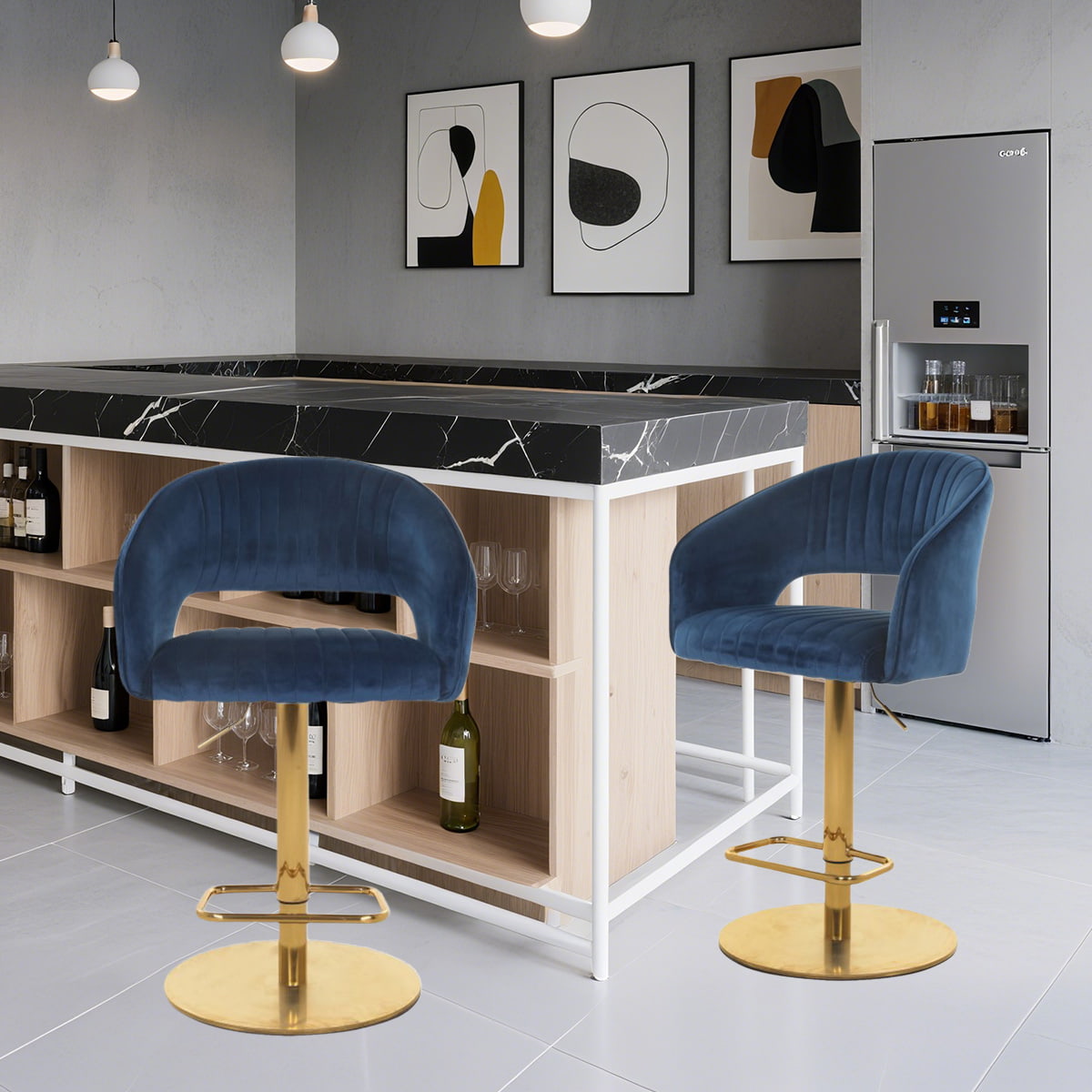
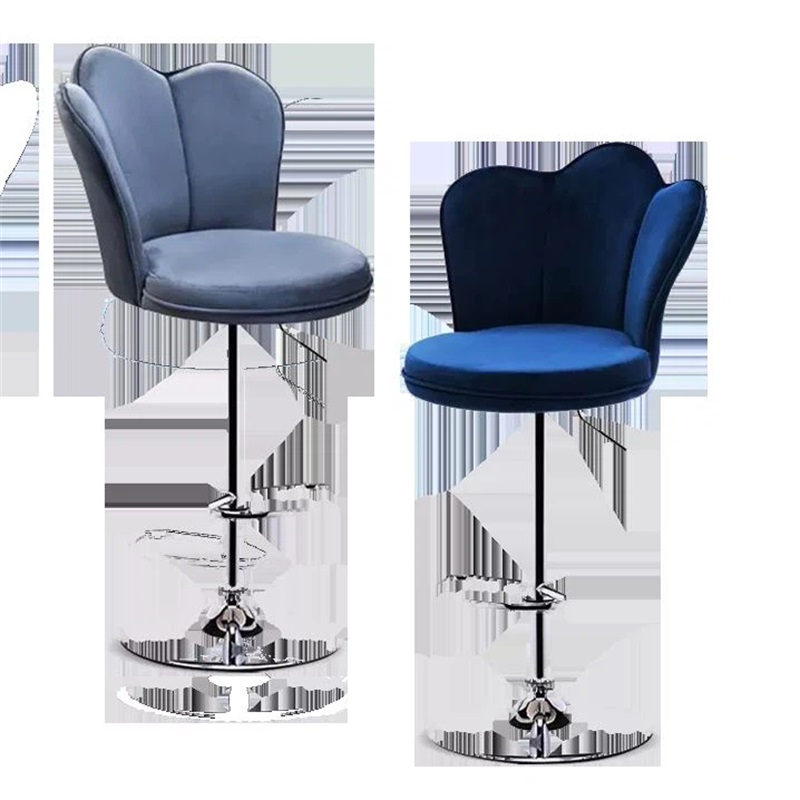
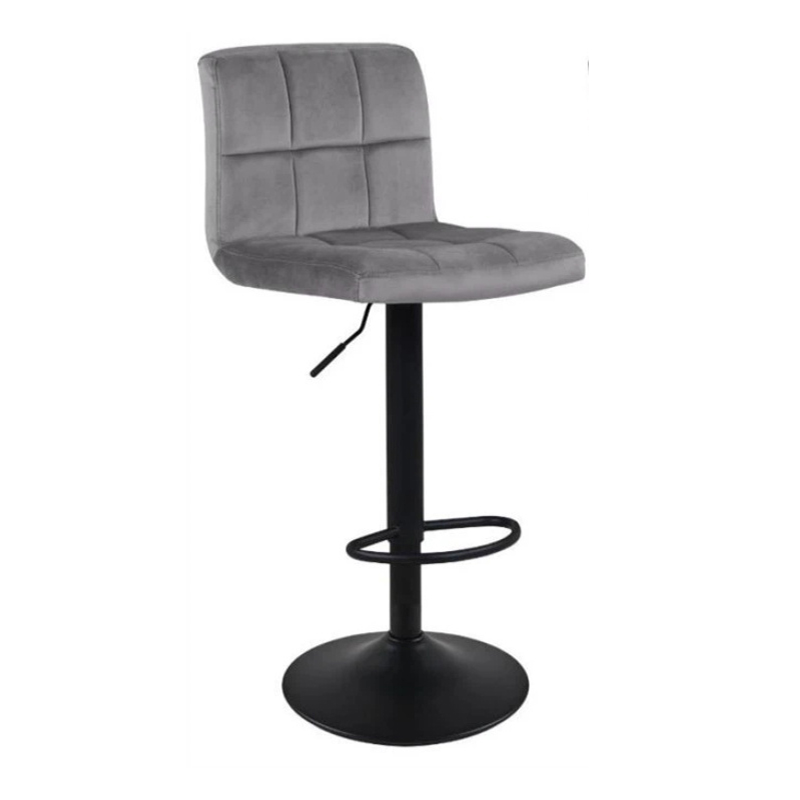
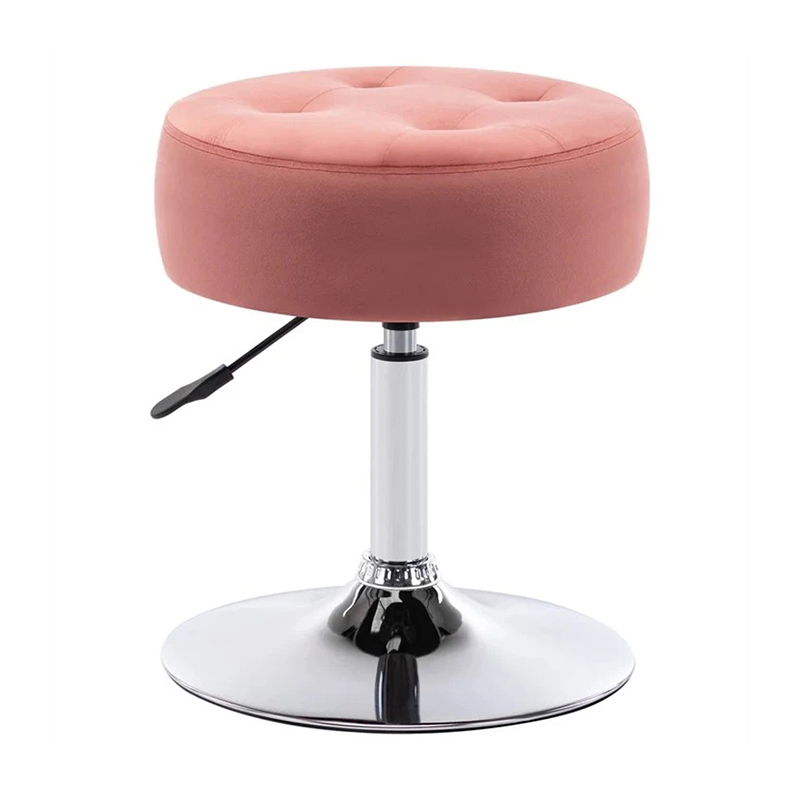
Low Back Swivel Bar Stools for Flexible Counter and Bar Seating
Low back swivel bar stools combine a compact backrest with a rotating seat mechanism. The lower back profile creates a less enclosed seating appearance, while the swivel function allows users to turn without moving the entire stool. For furniture distributors, hospitality buyers, and project contractors, key specifications include backrest height, seat dimensions, swivel mechanism, base construction, upholstery, and counter compatibility.
Low Back Design and Seating Proportions
A low backrest changes the overall silhouette and the relationship between the seat and the user's back. Its dimensions should be coordinated with the seat width, cushioning, and frame design.
Compared with taller-back models, low back swivel bar stools use a shorter backrest profile. This can help maintain a visually open counter area, particularly where stools are arranged in a row or positioned along a kitchen island.
Lower Profile
Specify the backrest height according to the seat dimensions and intended support area.
Coordinated Width
Seat width and depth should be proportionate to the backrest and overall stool footprint.
Integrated Finish
Seat and backrest coverings can use matching or coordinated materials and colors.
Stable Support
The backrest attachment and seat support need to match the selected frame construction.
How the Swivel Mechanism Works
The swivel assembly connects the seat structure to the supporting base. Buyers should confirm the mechanism type, rotation range, return function, and maintenance requirements for the selected model.
Rotating Seat Function
A 360-degree swivel mechanism allows the seat to rotate around its central mounting point. Actual rotation and return behavior depend on the mechanism specified for the product.
Seat Mounting Plate
The mounting plate connects the swivel assembly to the seat support. Its dimensions and fixing positions should match the seat frame.
Rotating Assembly
Bearings or other rotating components allow the seat to turn. Buyers should confirm rotation smoothness and the mechanism's specified load capacity.
Base Connection
The lower part of the swivel assembly attaches to the stool base or supporting structure. The connection should be checked for alignment and stability.
Optional Return Function
Some models may use a self-return mechanism that brings the seat back to a defined position. This is a model-specific option and should not be assumed on every swivel stool.
Available Product Configuration Options
The following components can be specified according to the product design and manufacturing range.
Seat Upholstery
Fabric, velvet, PU leather, and other available coverings can be considered according to the target market, appearance requirements, and maintenance conditions.
Seat Cushion
Cushion thickness, padding material, and seat firmness can be reviewed with the manufacturer during sample development.
Base Structure
Depending on the model, base options may include four-leg metal frames, pedestal bases, or other supporting structures.
Footrest
A footrest can be integrated into the frame or included as a separate structural component, depending on the selected design.
Height Configuration
Fixed counter-height and bar-height models can be specified. Adjustable versions require a compatible lifting structure and should be confirmed separately.
Surface Finish
Frame finishes may include powder coating, plated finishes, or other available treatments. Color and surface specifications should be confirmed by sample.
Application and Selection Considerations
Different installation environments place different requirements on stool dimensions, swivel operation, upholstery, and frame maintenance.
| Application | Selection Focus | Buyer Considerations |
|---|---|---|
| Kitchen Islands | Counter height and compact backrest | Check seat height, island clearance, stool spacing, and swivel movement around nearby cabinets. |
| Home Bars | Seat comfort and appearance | Coordinate upholstery, frame finish, footrest position, and bar counter dimensions. |
| Restaurants | Repeated use and maintenance | Review frame stability, swivel mechanism durability, upholstery care, and cleaning requirements. |
| Hotels and Hospitality | Consistent project specifications | Confirm model consistency, finish matching, packaging, and replacement component arrangements. |
Swivel Bar Stool Inspection Points Before Ordering
A rotating seat introduces additional connection and movement components. For bulk orders, buyers should include functional checks in the sample approval and production inspection process.
Rotation: Check whether the seat turns smoothly and consistently through its specified range.
Connection: Inspect the mounting plate, fasteners, and connection between the seat and base.
Stability: Check the stool on a level surface and review the frame under the specified test conditions.
Backrest: Confirm back height, padding, upholstery tension, and attachment strength.
Finish: Review frame coating, weld appearance, upholstery seams, and surface consistency.
Packaging: Confirm protection for the swivel assembly, frame, and upholstered surfaces during shipment.
Frequently Asked Questions
Do low back swivel bar stools rotate 360 degrees?
Many swivel bar stools are designed for 360-degree rotation, but the actual movement depends on the mechanism used. Buyers should confirm the rotation range of the selected model.
What is the difference between a standard swivel and a self-return swivel bar stool?
A standard swivel seat can rotate and generally remains in the position where it is released. A self-return version uses an additional mechanism to bring the seat back toward a defined position. Not all models include this function.
Are low back swivel bar stools available in different heights?
Fixed counter-height and bar-height configurations can be developed according to the product range. Adjustable-height versions require a compatible lifting mechanism and should be specified separately.
Which upholstery materials can be used for swivel bar stools?
Common options include fabric, velvet, PU leather, and other upholstery materials available from the manufacturer. Material performance, cleaning methods, and abrasion requirements should be confirmed for the intended application.
What should buyers check when sourcing swivel bar stools in bulk?
Confirm the swivel mechanism, rotation range, seat and backrest dimensions, base structure, upholstery, frame finish, product stability, packaging, and applicable inspection requirements before approving mass production.
Request Specifications for Low Back Swivel Bar Stools
Provide your required seat height, backrest dimensions, swivel function, base design, upholstery material, and order quantity. These details help clarify the product configuration for sample review, quotation, and bulk order planning.


