Content
A lower unit price can become a more expensive order once custom fabric, packaging, freight and installation are added. For a hotel or restaurant, a chair that needs frequent cleaning or is difficult to repair can also cost more after delivery.
Before negotiating a bulk order of fabric bar chairs, put the specifications and costs on the same basis. Start with the model and intended use, separate standard options from design changes, and compare the cost of getting the required chairs ready for use. These checks also help importers avoid buying surplus stock simply to reach a discount tier.
Two chairs with similar photographs can have different frames, foam, upholstery and mechanisms. Send the same specification to everyone quoting for the order, with any proposed alternatives identified separately.
For bar and counter seating, confirm the finished seat height against the actual counter, including clearance beneath its overhang. Review usable seat depth, footrest position and access to the seat on a physical sample. Identify whether the design is fixed-height, swivel or height-adjustable.
Include the frame material and dimensions, fabric code, foam density and firmness, finish, floor glides and packaging in the quotation brief. State the intended use and any project testing requirements. Ask for relevant reports for the quoted model and configuration, including the agreed evaluation of stability, footrests, connections and any moving mechanisms.
Changing a fixed frame's seat height is a design change. It needs assessment of geometry, footrest position and testing requirements. The built-in height adjustment of an existing gas-lift model is a different feature. For a revised frame height or adjustment range, confirm any development fee, sample requirements and lead-time change before approval.
Separate the chair price from one-off development work and delivery charges. Record the currency, quotation validity and payment schedule alongside the price.
| Cost item | What to confirm |
|---|---|
| Product | Model, quantity, approved materials, finish, hardware and included options |
| Sampling and development | Prototype, special patterns, tooling or testing charges; whether any sample fee is credited against the order |
| Packaging | Chairs per carton, outer dimensions, gross weight, protection, labels and any separate charge |
| Transport | Collection point, destination, freight, handling, local delivery and insurance inclusions |
| Import charges | Classification, origin, customs value, applicable duties and taxes, and who pays them |
| Installation | Assembly work, tools, unloading and movement to the final location |
State the agreed Incoterms® rule, named place or port and version. These rules allocate delivery obligations, costs and risk; payment terms and remedies still need separate agreement. ICC's explanation sets out the distinction. Add only charges that are excluded from the supplier's price, so freight or packaging is not counted twice.
Obtain a destination-specific duty calculation. For example, the UK's commodity-code guidance explains how classification and declared value enter the calculation. A general furniture tariff percentage cannot replace a check for the product, origin, destination and planned import date.
Ask for prices at your required quantity and the next practical production or packing quantity, keeping the specification unchanged. Request the minimum per model and per colour or fabric, as well as the total order minimum. An order split across several fabrics may have different economics from the same quantity in one fabric.
For recurring requirements, discuss scheduled releases against an agreed specification. Confirm the committed quantity, price-review conditions, material reservations, storage charges and responsibility for unused stock. An annual forecast alone does not establish an additional discount.
Compare the cash needed for each option. If the higher quantity reduces the unit price, calculate the extra purchase outlay and add the cost of holding or disposing of stock you do not yet need. Include separate freight and handling charges if delivery will be split.
Ask for a standard model proposal and a separately priced customised version. This shows which changes serve the project and which can be simplified.
| Proposed change | Questions that affect cost and timing |
|---|---|
| Existing fabric or finish option | Is it stocked for this model, what is the minimum per colour, and is there a surcharge? |
| New fabric or special colour | Is there a material-order minimum, approval sample, extra testing or commitment to unused material? |
| Embroidery, labels or branded cartons | Is setup charged separately, and what are the minimum quantity and artwork requirements? |
| New seat height, frame or mechanism | Does it require a new drawing, prototype, tooling or further testing? |
Retaining an existing frame and choosing from confirmed material options can reduce development work. The saving and availability need to be quoted for the model. Approve a physical sample and written specification before production, with changes subject to written approval.
"Microfiber", "cotton blend" and "performance fabric" are not equivalent quality grades. Microfiber describes fibre fineness, cotton blend describes composition, and performance fabric is a broad description of claimed properties. Request the actual fabric specification and evidence for the properties that matter to the venue.
Review abrasion results with their test method, along with pilling, seam performance, colour transfer and care instructions. Higher abrasion counts do not establish a longer service life; the Association for Contract Textiles identifies application, cleaning and maintenance as relevant factors.
A stain-repellent finish does not remove the need for cleaning or make every cleaner suitable. Check the products and procedures the venue plans to use against the fabric supplier's instructions. ACT's guidance on stain-repellent finishes explains these limits. Avoid choosing a material on the assumption that it only needs attention every few months.
Review the cushion as well as the cover. Foam density and firmness are different properties, as explained by the Polyurethane Foam Association. Specify both, together with thickness, and assess comfort on the assembled chair. Ask whether seat pads, covers, glides or other wear parts can be replaced, and confirm availability and cost.
Request the actual packed dimensions and quantity per carton. For a single carton type, packed volume per chair is outer length × width × height in metres, divided by chairs per carton. Use a loading plan to confirm container quantities; available cubic volume alone does not establish how many cartons will fit.
Compare fully assembled and knock-down options where available. A smaller carton may reduce transport cost, while the destination still needs labour, tools and time to assemble the chairs. Approve the protection around upholstery, legs and footrests, and keep hardware secured away from finished surfaces.
Packaging changes should be evaluated for the intended delivery route. ISTA's selection guidance distinguishes parcel, freight and other distribution conditions. Remove unnecessary packing only after confirming that the revised pack provides suitable protection.
The following hypothetical example compares 300 chairs meeting the same approved product requirements for delivery to the same location. It is not a market price guide, a Duomei quotation or a customer case. Product prices exclude all separately listed charges; the two options use different packing and assembly arrangements.
| Compared cost in USD | Option A | Option B |
|---|---|---|
| Product price per chair | $90 | $96 |
| Product subtotal for 300 chairs | $27,000 | $28,800 |
| One-off sample and setup charges | $900 | $300 |
| Packaging | $1,800 | $1,200 |
| Transport and handling | $4,200 | $2,700 |
| Destination assembly | $1,500 | $900 |
| Subtotal of listed costs | $35,400 | $33,900 |
| Listed costs per chair | $118 | $113 |
Listed cost per chair — product price plus sample, packaging, transport and installation charges above.
Option B costs $6 more per chair at the product level but $1,500 less across the listed items. This is a partial cost comparison: import duties and taxes, inspection, insurance, storage and other unlisted charges must be accounted for, where applicable, before deciding. If Option B's remaining costs exceed Option A's by $1,500 or more, its apparent advantage disappears.
For an ownership-cost forecast, add expected cleaning, repairs, replacement purchases and disruption over the same period. Use your operating records and explicit assumptions. A fabric category alone cannot support a five-year cost or replacement schedule.
Keep the approved sample, fabric swatch and specification revision as the reference for bulk production. Agree dimensional and appearance acceptance criteria, the inspection plan and what happens if goods fail inspection. A business registration or quality-management certificate does not establish that the selected chair meets the project's product requirements.
Tie payment milestones to agreed documents and order events. Define when production lead time starts, when inspection takes place and when the order must be ready for shipment. Allow for transit and installation before the venue's opening date. Payment percentages, credit terms and claims periods should be negotiated for the order rather than treated as universal industry rules.
For damage or defects, record the notification period, required photographs or batch references, available remedies and responsibility for replacement transport. Confirm these points before shipment.
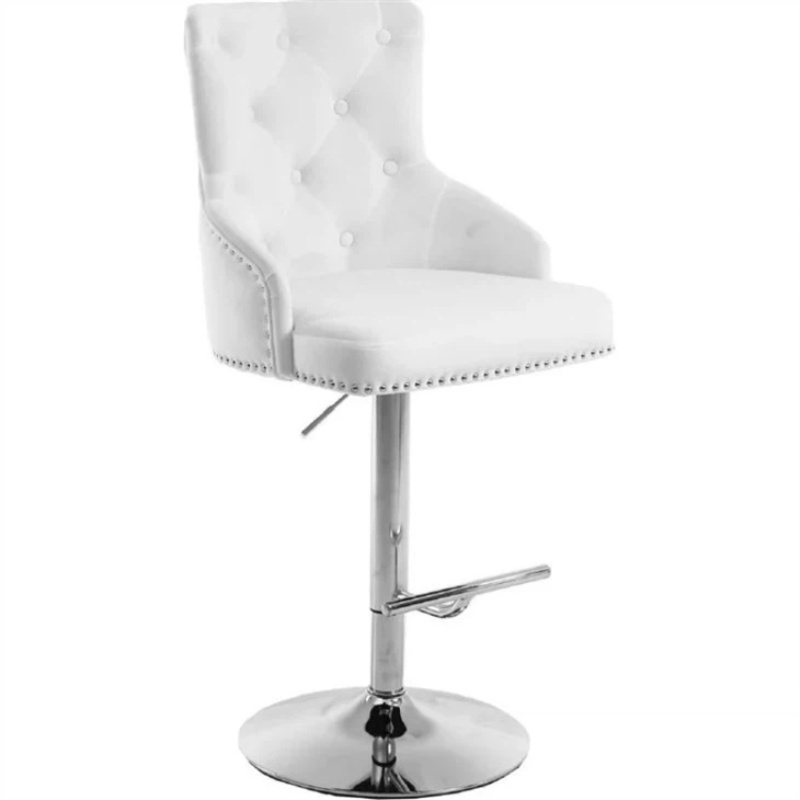
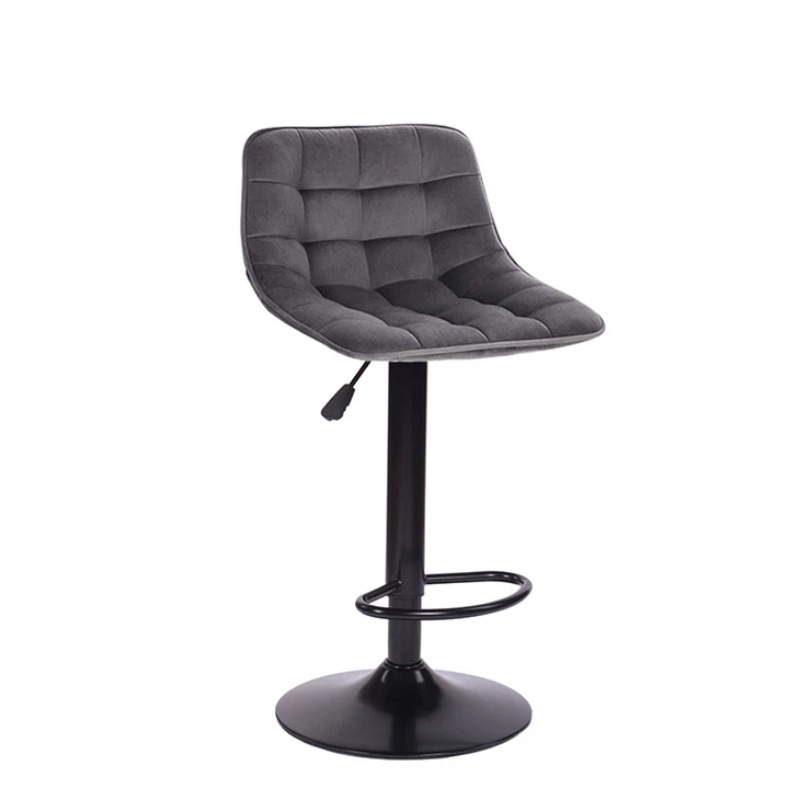
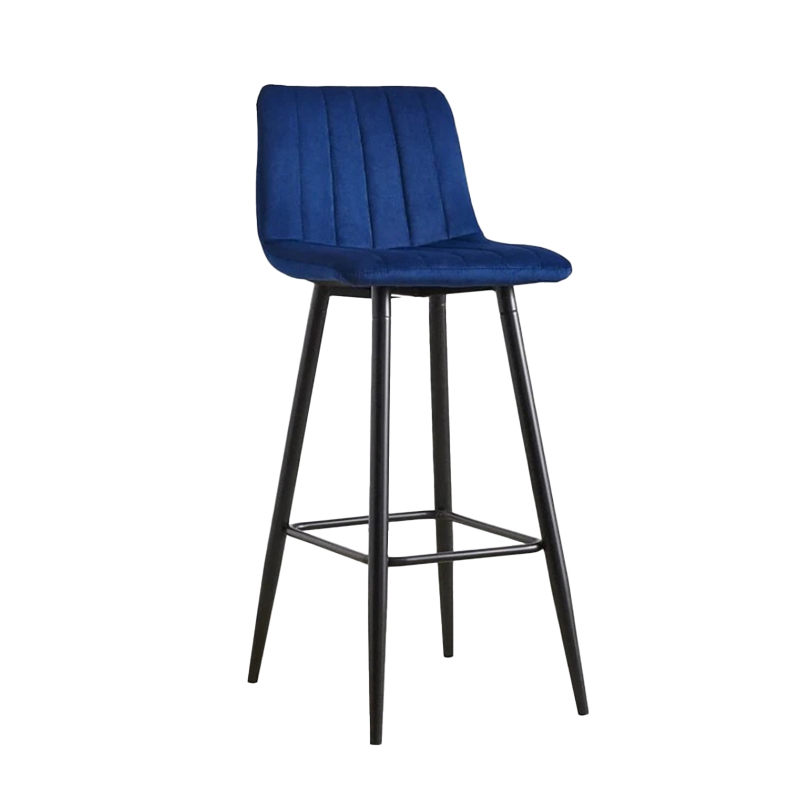
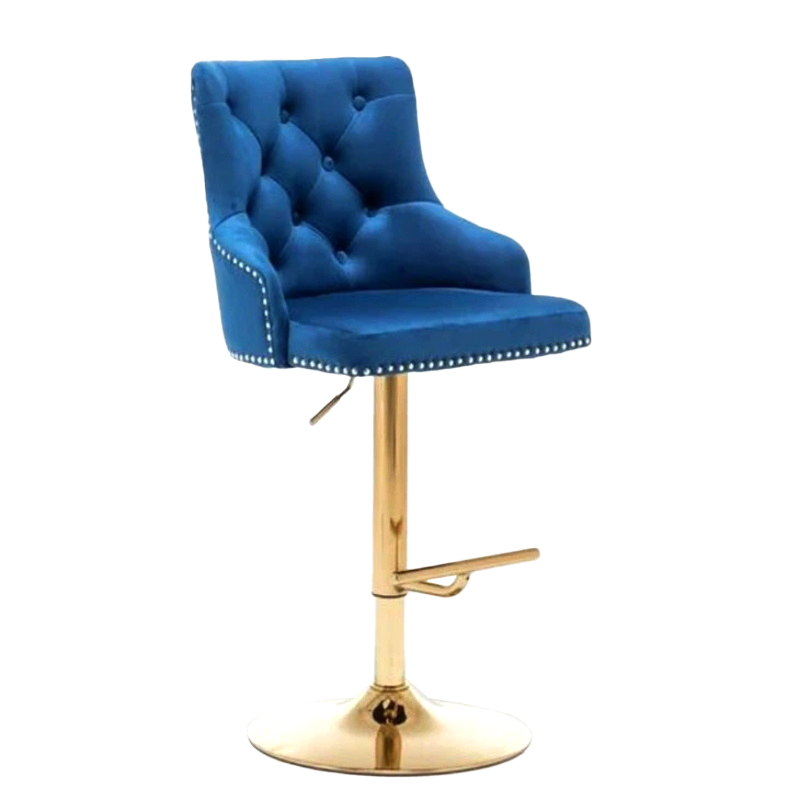
Browse Duomei's fabric bar chair collection and select a model or share a reference image. Use the customisation service to discuss material, finish, size and branding requirements; availability and pricing depend on the selected design.
To start an enquiry, send the model or image, quantity with any colour split, destination and intended use. Include the required seat height or counter dimensions and your target arrival date. If some details are undecided, describe the project and the options you want to compare.
Ask for the standard configuration and requested changes to be priced separately, with the sample arrangements, MOQ by model and colour, production schedule and packing details confirmed for your order.
Related Products
Yangguang Industrial Park 2, Anji County, Huzhou City, Zhejiang Province, China
[email protected]
+86-18357268872