


 En
 English
 Français
 Español
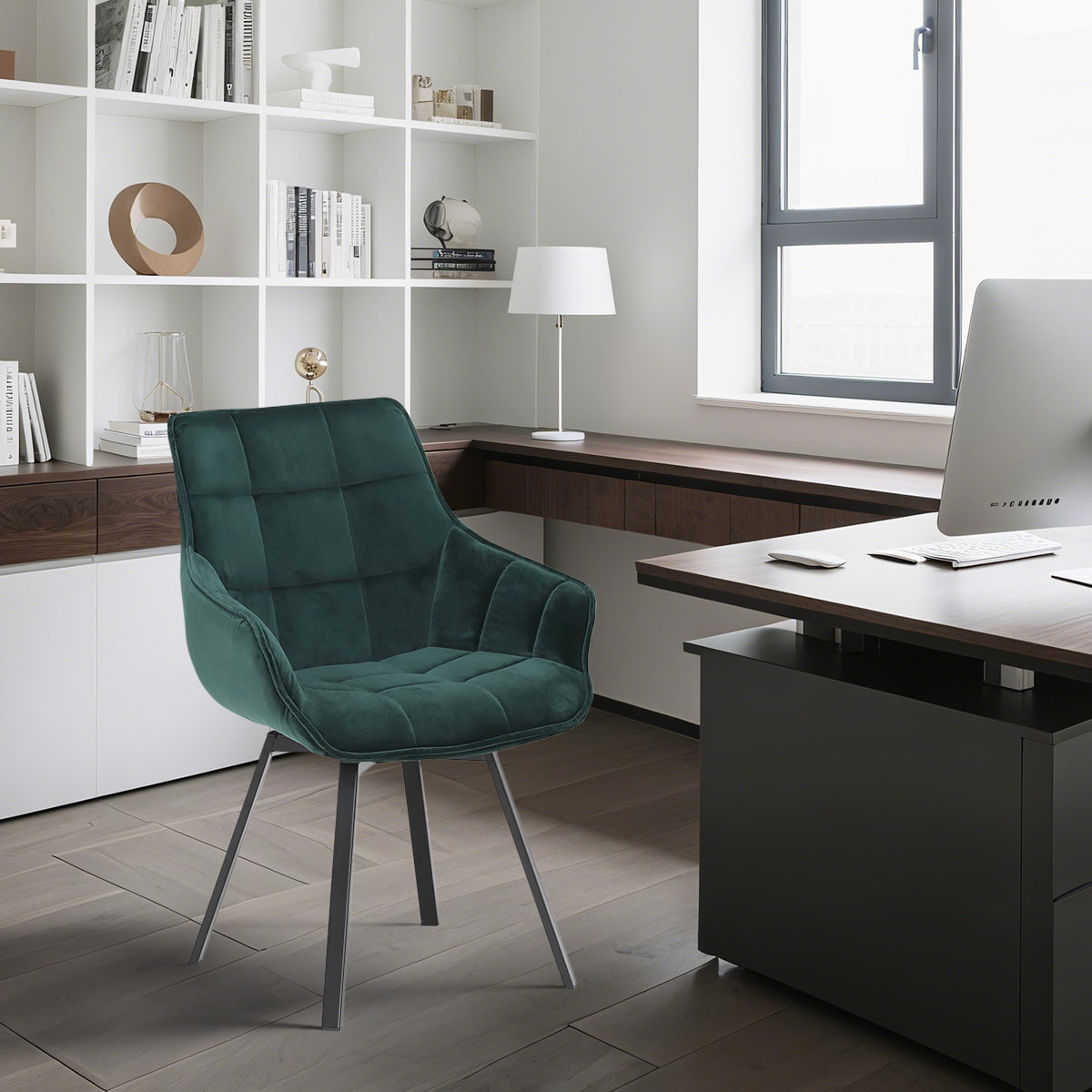
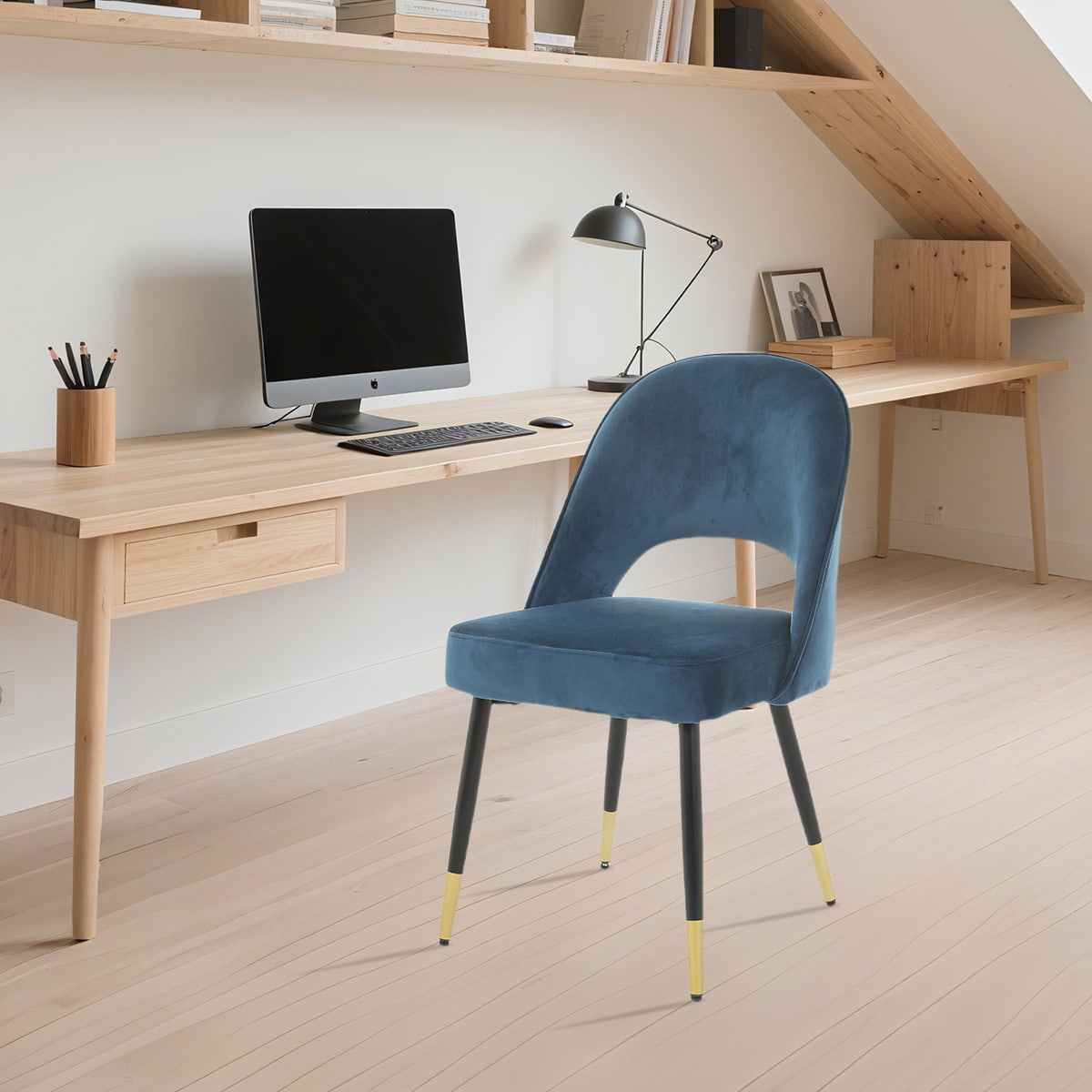

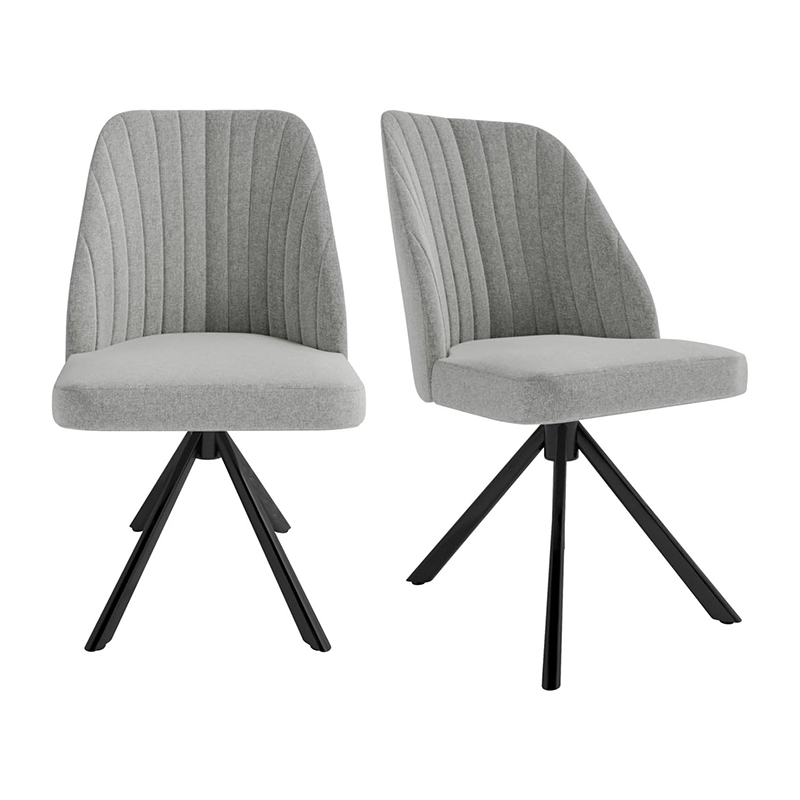
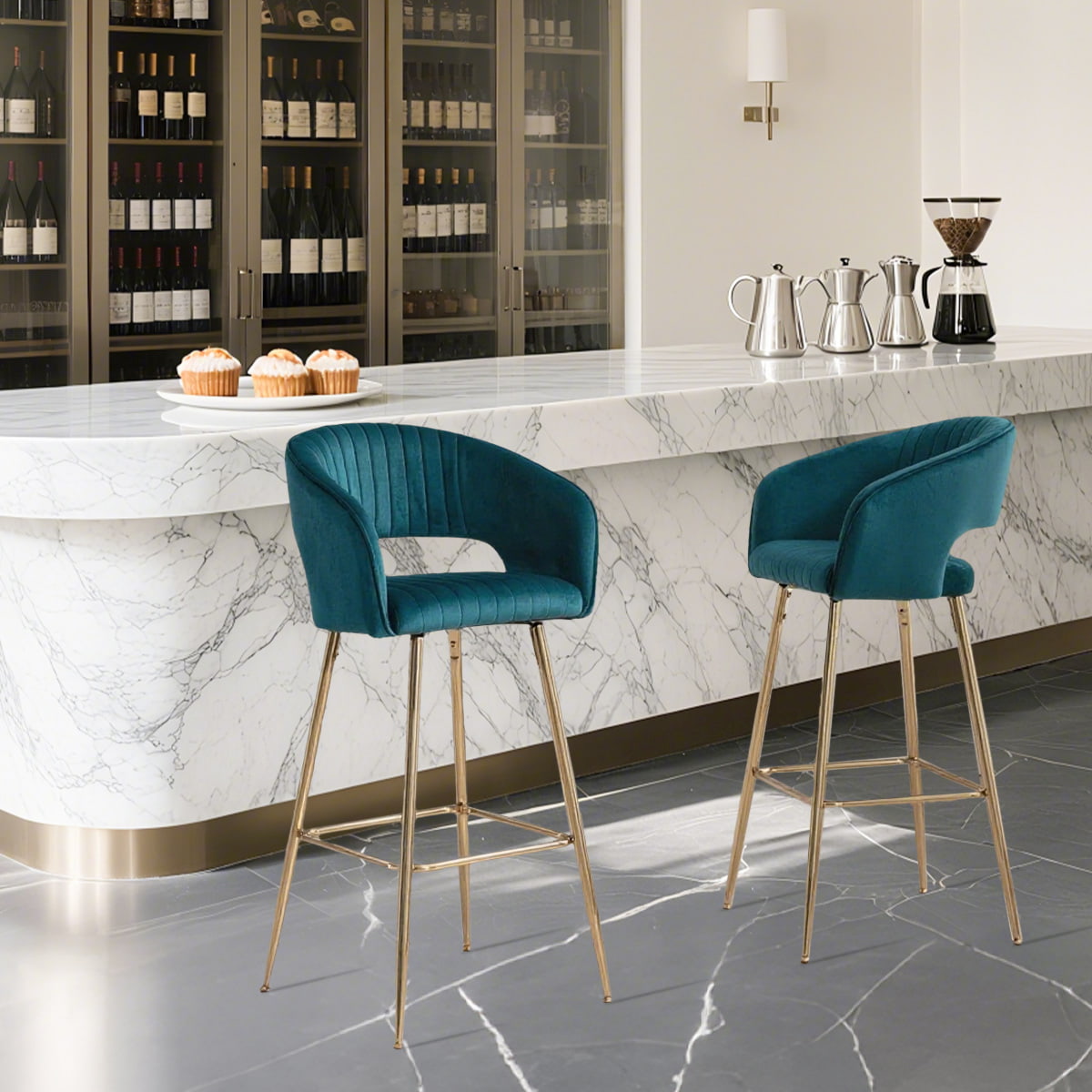
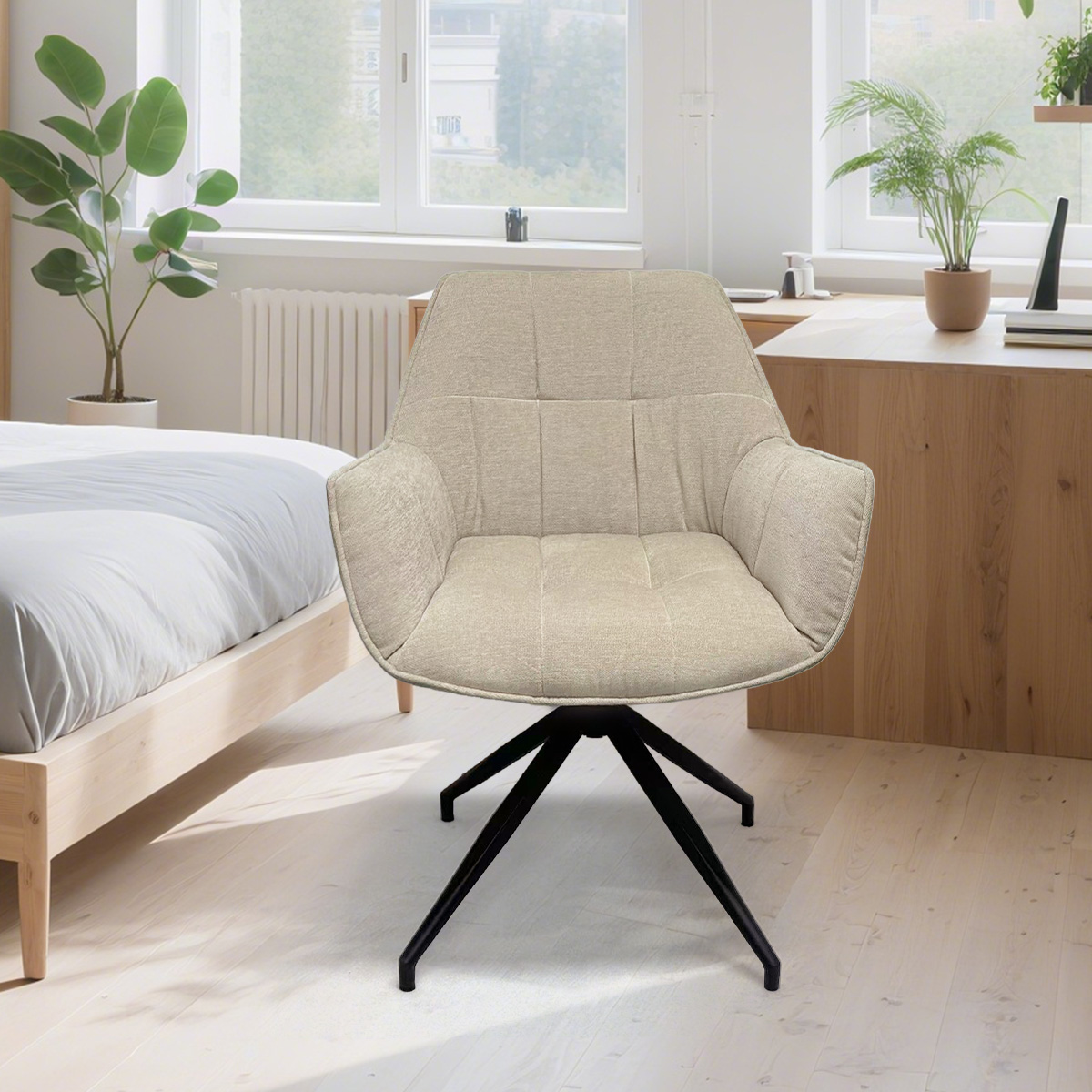
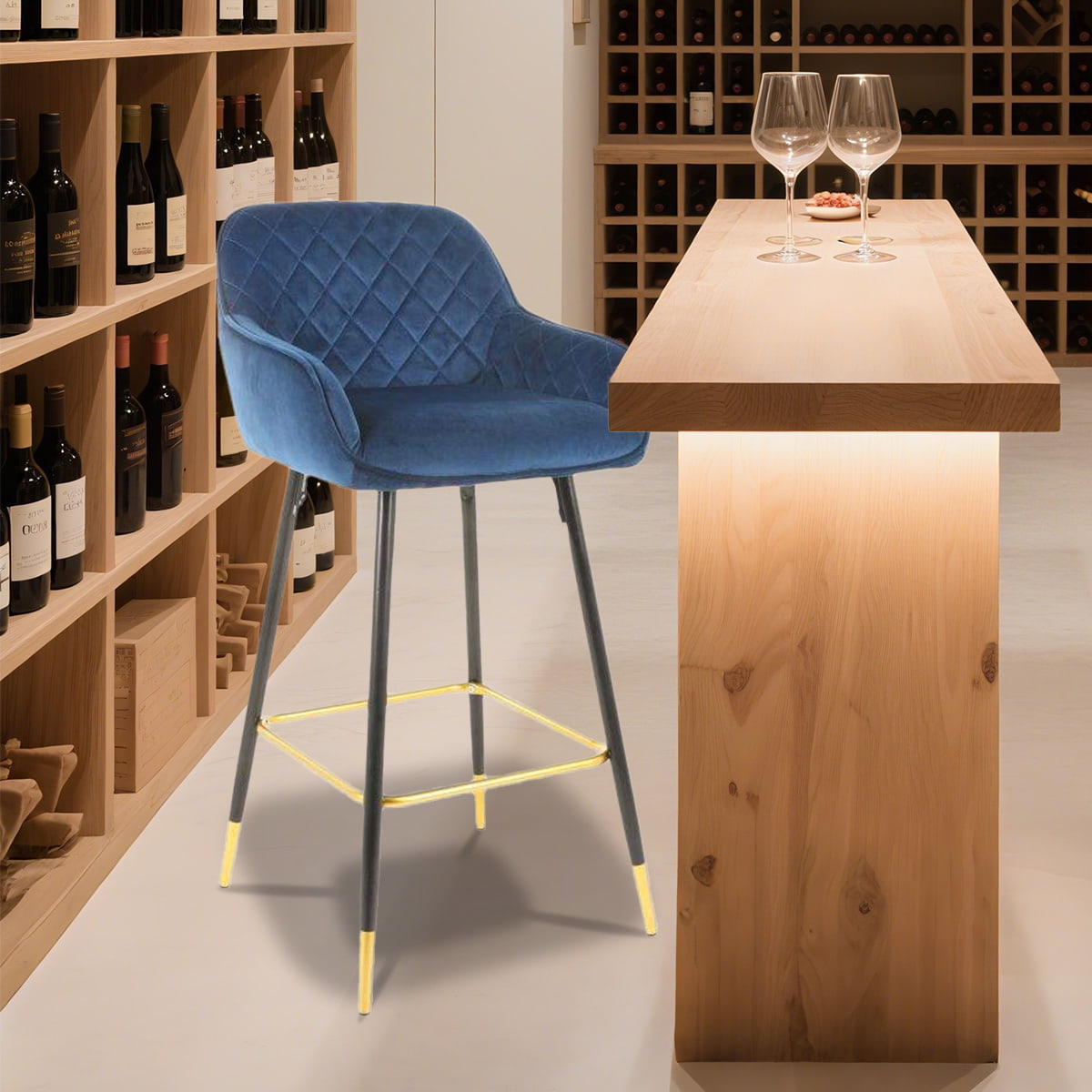
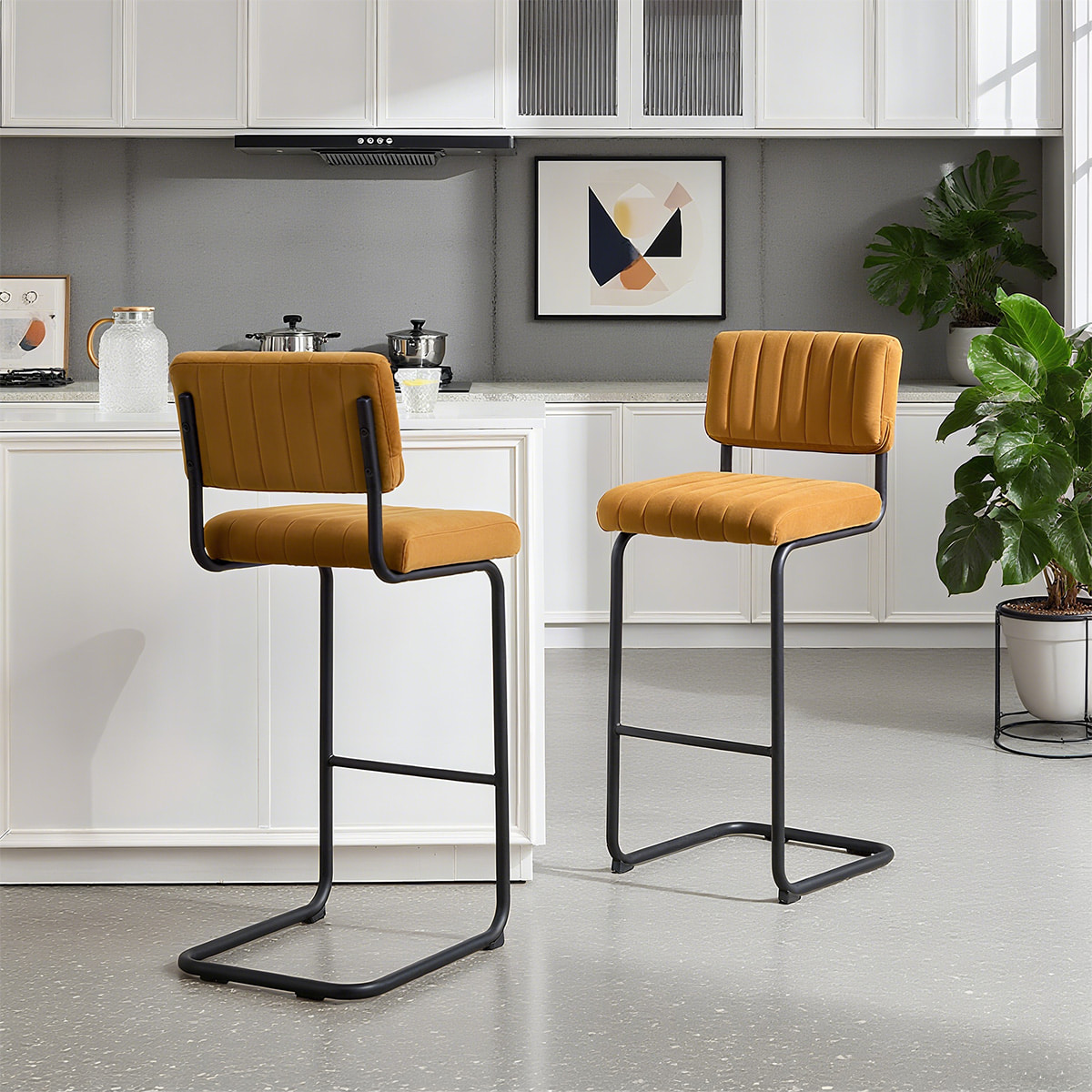
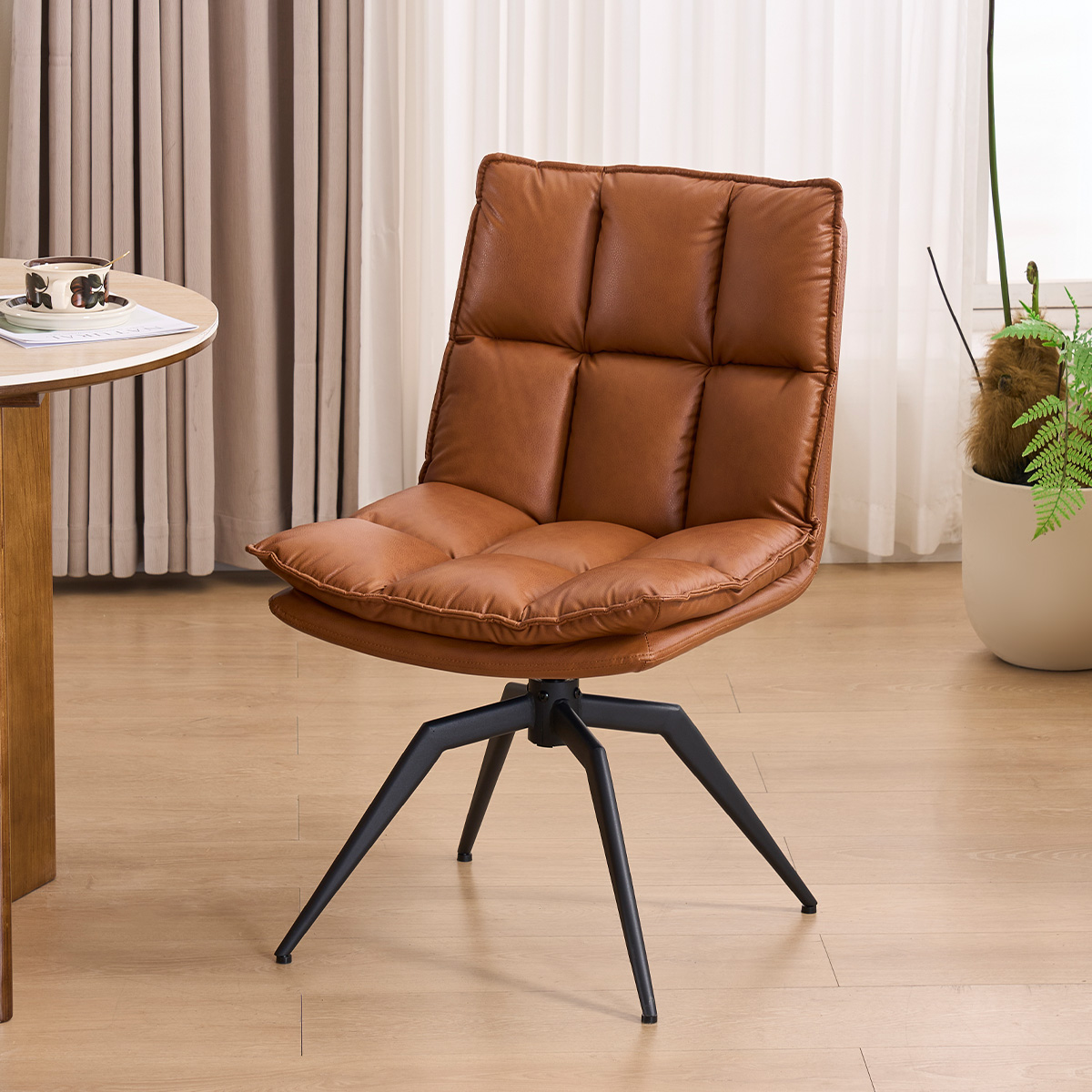
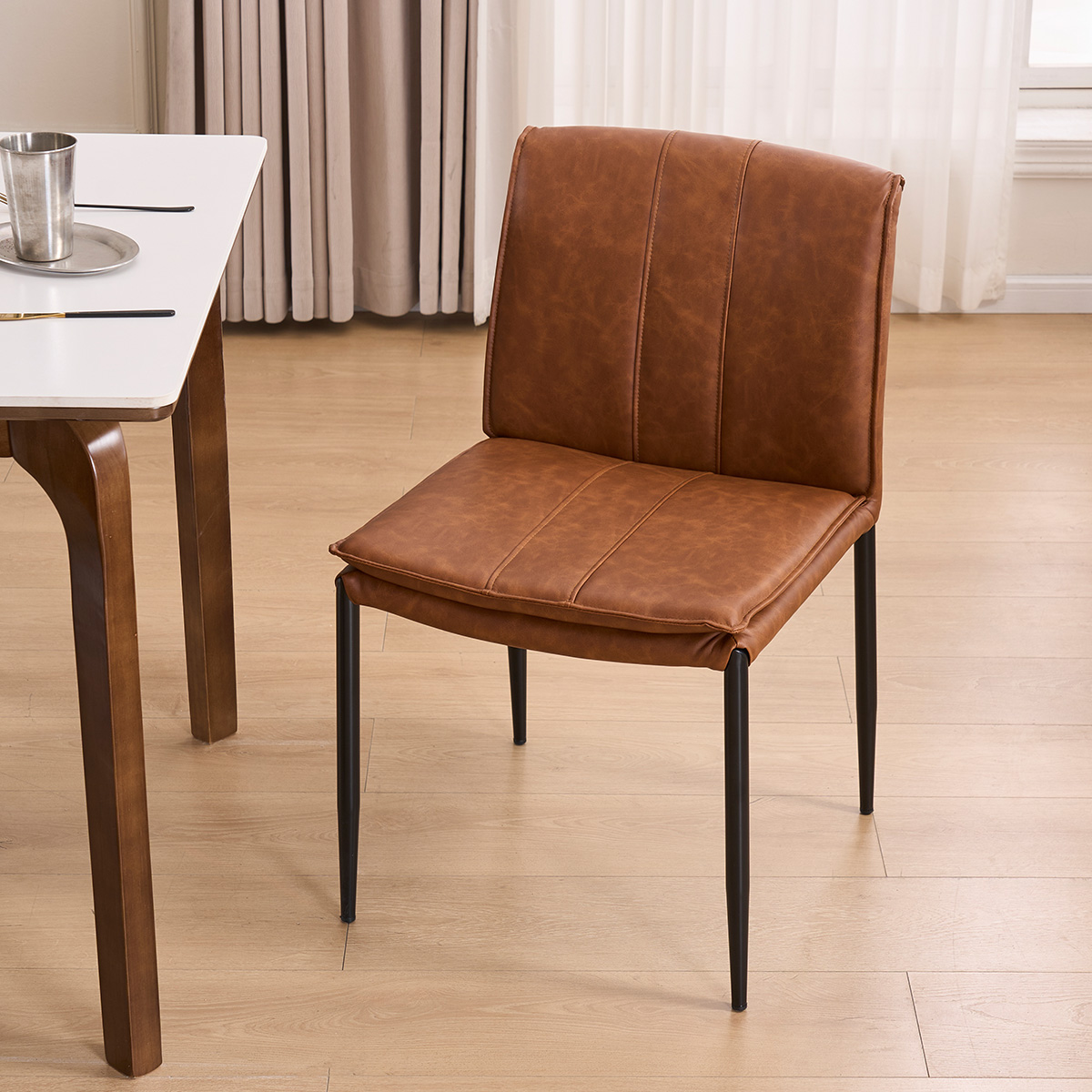

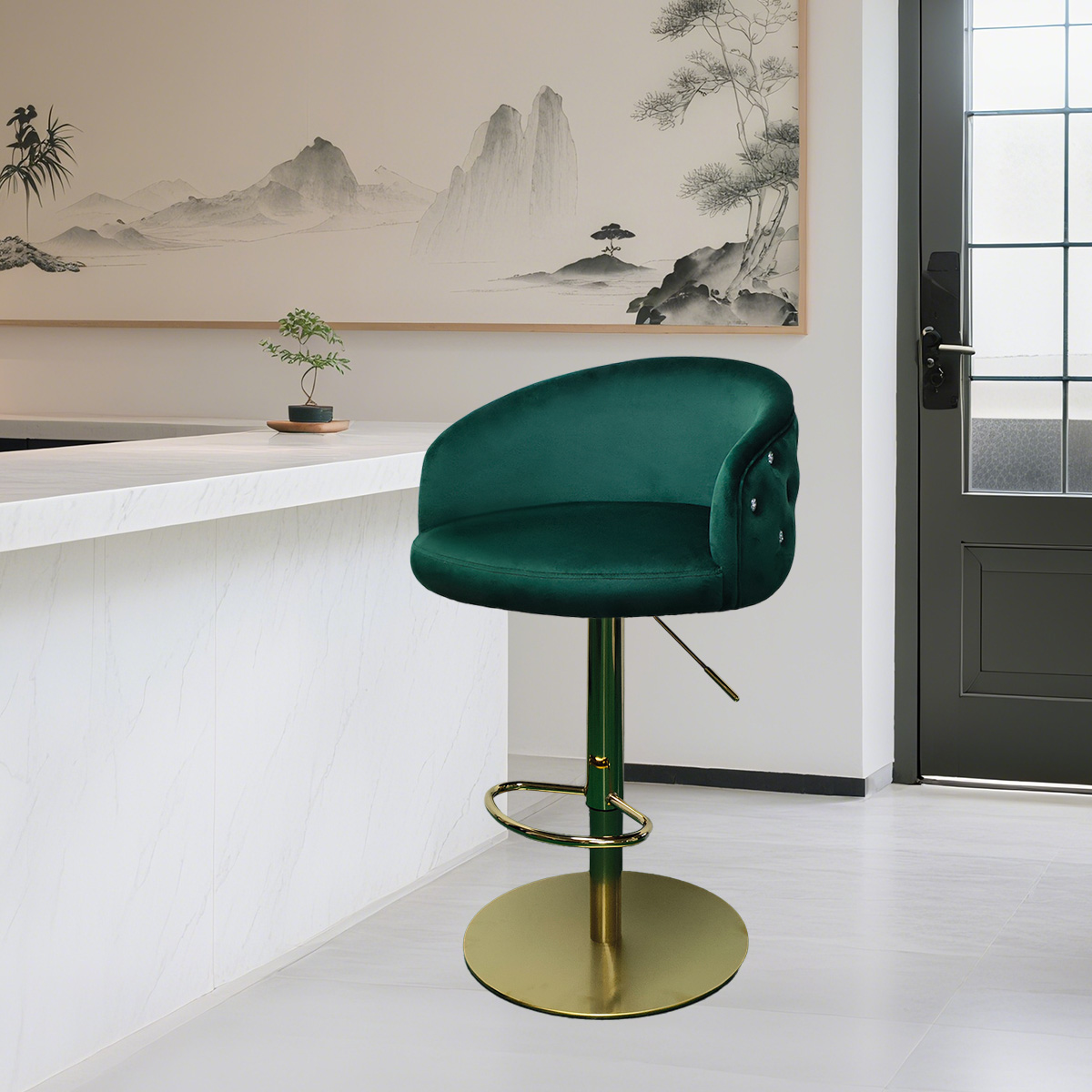
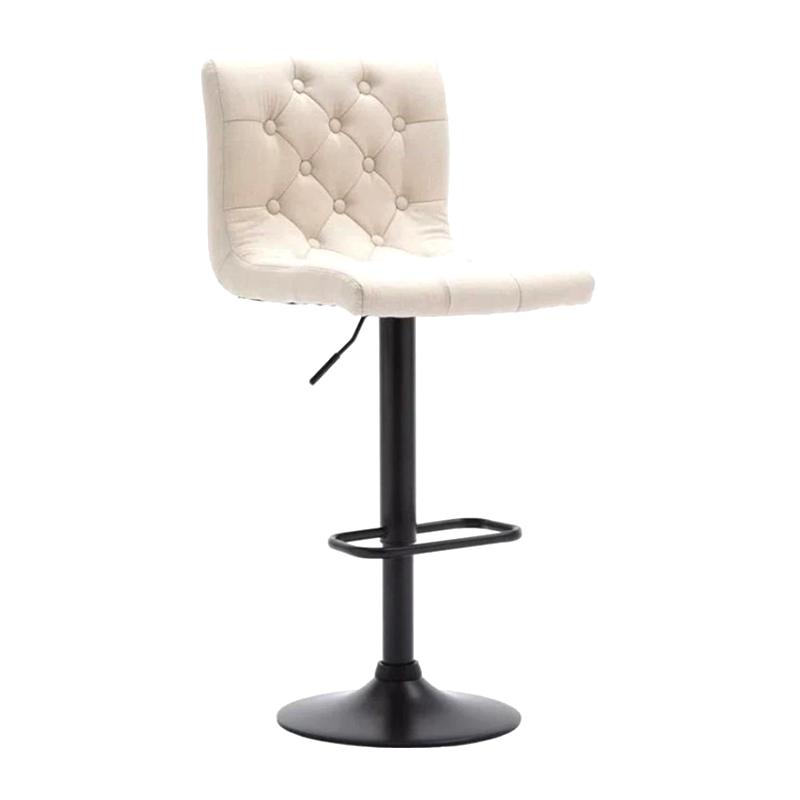
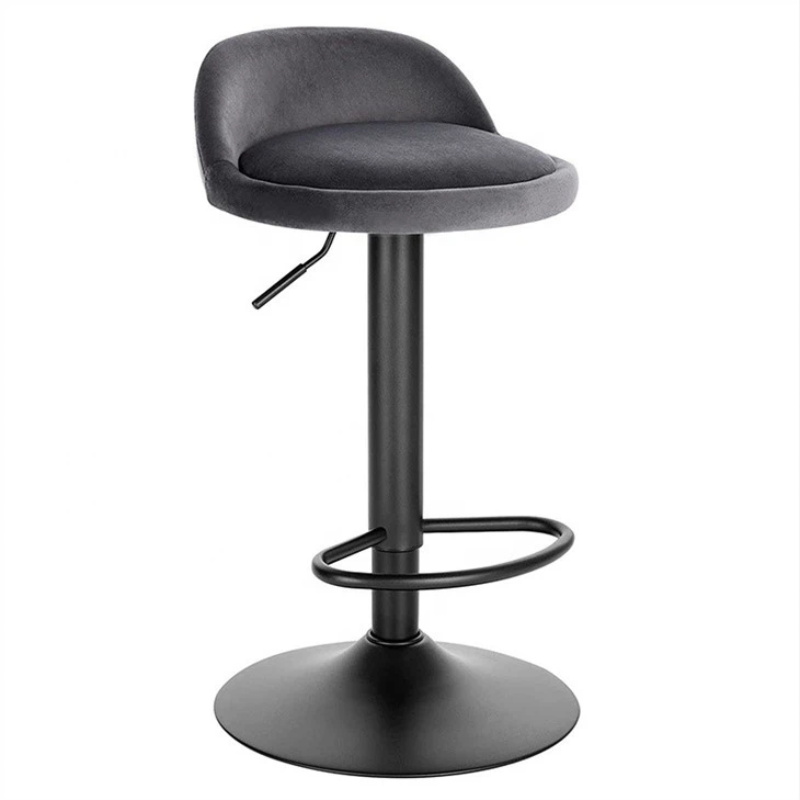
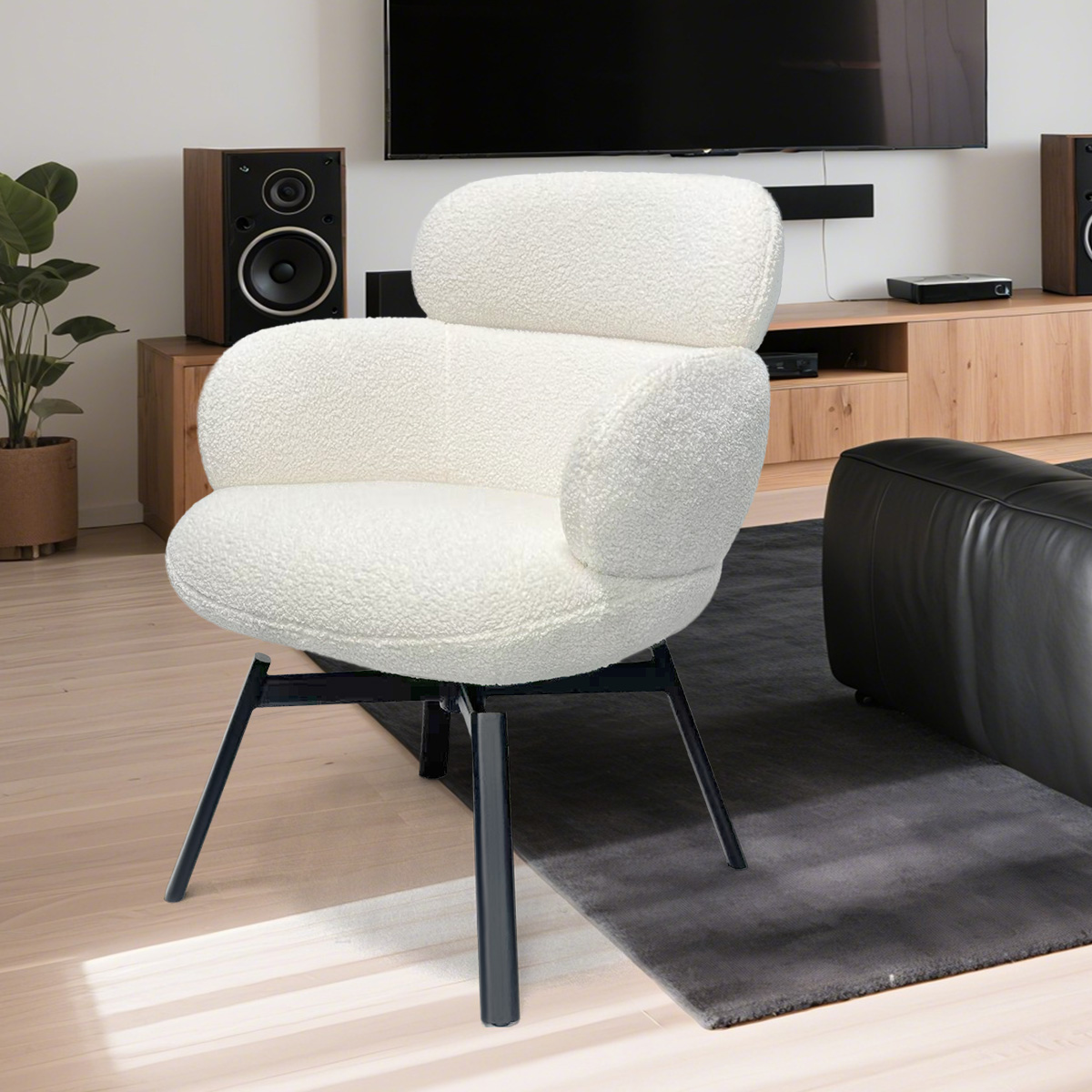
Dining Chair Collection
Velvet Dining Chairs with Metal Legs for Residential and Commercial Interiors
Velvet dining chairs with metal legs combine upholstered seating with a metal supporting frame. The velvet covering creates a soft pile surface, while the metal legs provide the supporting structure and define the chair's overall profile. For furniture importers, wholesalers, and hospitality project buyers, important specifications include seat and backrest dimensions, upholstery composition, frame construction, leg finish, connection details, and packaging requirements.
Dining Chair Construction and Component Coordination
A velvet dining chair needs coordinated upholstery and frame specifications. The seat, backrest, internal support, and metal legs should be developed as one assembly to maintain the intended dimensions and finished appearance.
Seat and Frame as a Connected Structure
The upholstered seat and backrest provide the seating surfaces, while the metal frame supports the assembled chair. Their connection points, proportions, and fixing methods should be confirmed during product development and sample approval.
Backrest
Backrest height, width, shape, padding, and upholstery coverage determine the upper seating profile.
Seat Cushion
Seat dimensions, padding thickness, and internal support affect the finished seating surface.
Metal Leg Assembly
Leg profile, material specification, cross supports, and frame geometry define the lower structure.
Connection Hardware
Fixing points and fasteners connect the upholstered assembly with the frame and should be checked for alignment.
Velvet Upholstery Characteristics and Material Selection
Velvet is characterized by its pile surface, which creates a distinct texture and appearance. Material composition, pile construction, backing, and finishing vary by supplier and should be included in the upholstery specification.
Material Details for Furniture Buyers
The appearance of velvet can change with pile direction and lighting. When reviewing samples, buyers should compare color consistency, surface texture, seam appearance, and the material's care instructions. For commercial projects, the selected upholstery should also be evaluated against the intended use and applicable performance requirements.
- Composition Confirm the fiber content and backing construction of the selected velvet.
- Pile Surface Review pile direction, texture consistency, and visible shading under different lighting.
- Color Reference Use an approved physical sample or agreed color reference for production matching.
- Care Requirements Confirm cleaning instructions and suitability for the expected maintenance conditions.
Metal Leg Construction and Finish Options
Metal legs influence chair stability, appearance, floor contact, and the way the seat assembly is supported. The final specification should be based on the actual frame design rather than appearance alone.
Frame Geometry and Support
Metal leg structures can use different profiles and connection arrangements. Four-leg frames, tapered legs, and other configurations may be available depending on the product model. Buyers should confirm the frame material, section dimensions, weld details, and supporting members.
Confirm the specified metal type, profile dimensions, and material thickness.
Review leg angle, spacing, cross supports, and the relationship between the legs and seat.
Specify powder coating, plating, or another available finish, including the approved color reference.
Confirm whether the design includes suitable foot caps or floor-protection components.
Check welds, fasteners, mounting plates, and the connection between the frame and seat structure.
Metal Leg Configurations for Dining Chair Projects
Different leg structures create different visual profiles and support arrangements. The following comparison is a design reference; actual availability depends on the manufacturer's product range.
| Leg Configuration | Structural Description | Points to Confirm |
|---|---|---|
| Straight Metal Legs | Legs extend downward with a relatively direct profile. | Leg spacing, section dimensions, attachment method, and floor contact. |
| Tapered Metal Legs | The leg profile changes in width toward the floor. | Upper and lower dimensions, material thickness, and frame stability. |
| Splayed Metal Legs | Legs angle outward from the seat assembly. | Overall footprint, leg angle, connection strength, and chair spacing. |
| Cross-Supported Frame | Additional metal members connect sections of the leg structure. | Support placement, weld quality, assembly clearance, and finish consistency. |
Dining Chair Dimensions and Table Compatibility
Dining chair dimensions should be reviewed together with table height, apron clearance, seat width, and the available space around the dining area. The figures below are common planning references, not guaranteed specifications for every chair model.
Commonly around 28–30 inches. Measure the finished table height and underside clearance.
Often around 17–19 inches. Confirm the finished height from the floor to the top of the seat.
Allow suitable legroom between the seat and the table underside, considering the table apron.
Check the widest point of the chair, including the backrest and legs, when planning table seating.
Include the backrest and any rearward frame extension when calculating storage and circulation space.
Applications for Velvet Dining Chairs with Metal Legs
Coordinate velvet color, chair dimensions, and metal finishes with dining tables and surrounding furniture.
Review upholstery maintenance, frame construction, and the expected frequency of use before specifying chairs for dining areas.
Specify consistent upholstery colors, metal finishes, and chair dimensions across guest dining areas and hospitality projects.
Develop coordinated product selections using different velvet colors, backrest profiles, and metal leg finishes where available.
Match the chair's upholstery, frame finish, and overall dimensions with the project's furniture schedule and space plan.
Bulk Purchasing Specification Checklist
Before requesting a quotation or approving a production sample, buyers should prepare the main product and packaging details. This helps reduce specification differences between samples and bulk orders.
Specify overall height, seat height, width, depth, and backrest dimensions.
Confirm fiber composition, color reference, pile texture, backing, and care requirements.
Identify padding, internal support, upholstery coverage, and sewing details.
Confirm leg configuration, material, profile dimensions, finish, and floor-protection details.
Define applicable stability, load, finish, upholstery, and packaging checks.
Provide order quantity, carton requirements, assembly method, and destination market.
Frequently Asked Questions
What are the main features of velvet dining chairs with metal legs?
These chairs combine velvet upholstery on the seat and usually the backrest with a metal supporting frame. Their specifications can vary in backrest shape, seat dimensions, leg configuration, upholstery composition, and frame finish.
Are velvet dining chairs suitable for restaurant use?
They can be specified for restaurant interiors, but suitability depends on the selected velvet material, cleaning requirements, frame construction, and applicable commercial-use testing. Buyers should confirm these details before placing an order.
What metal finishes are available for velvet dining chairs?
Depending on the model, frame finishes may include powder coating, plating, or other surface treatments. Confirm the available finish options and approved color samples with the manufacturer.
How do I choose the correct dining chair seat height?
Measure the dining table height and underside clearance first. A seat height of approximately 17–19 inches is a common planning reference for standard dining tables, but the actual dimensions should be checked against the selected table.
Can velvet dining chairs be supplied in different colors?
Color options depend on the available velvet range and order requirements. Buyers should confirm color references, material availability, minimum order quantities, and sample approval procedures before production.
What should importers confirm before ordering velvet dining chairs in bulk?
Confirm the chair dimensions, velvet composition, upholstery details, metal frame specification, surface finish, inspection requirements, packaging method, order quantity, and delivery destination.
Request Velvet Dining Chair Specifications
Share your preferred velvet material, chair dimensions, backrest design, metal leg configuration, frame finish, and order quantity. These details can help establish the product specification for sample approval, quotation, and bulk furniture purchasing.


