


 En
 English
 Français
 Español
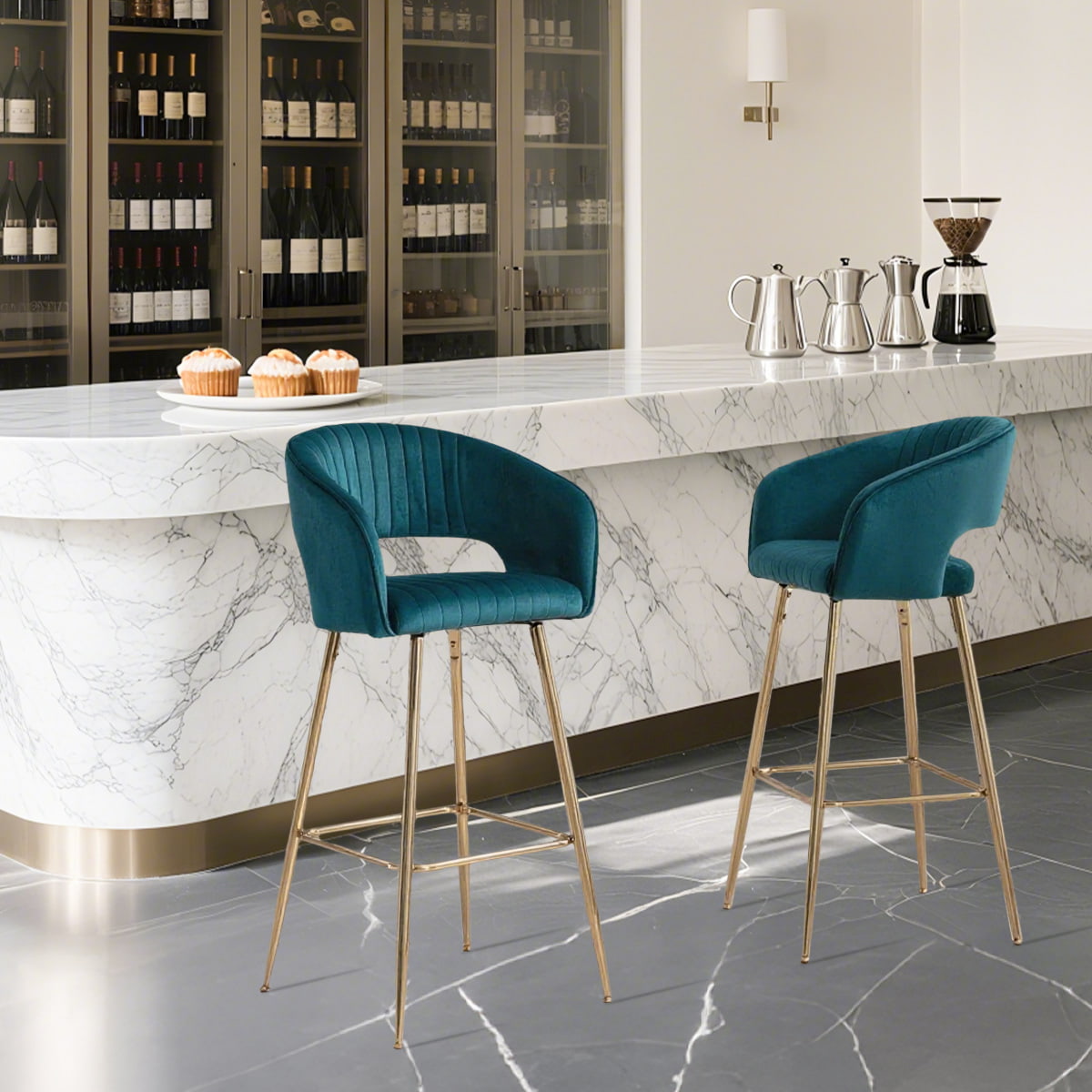
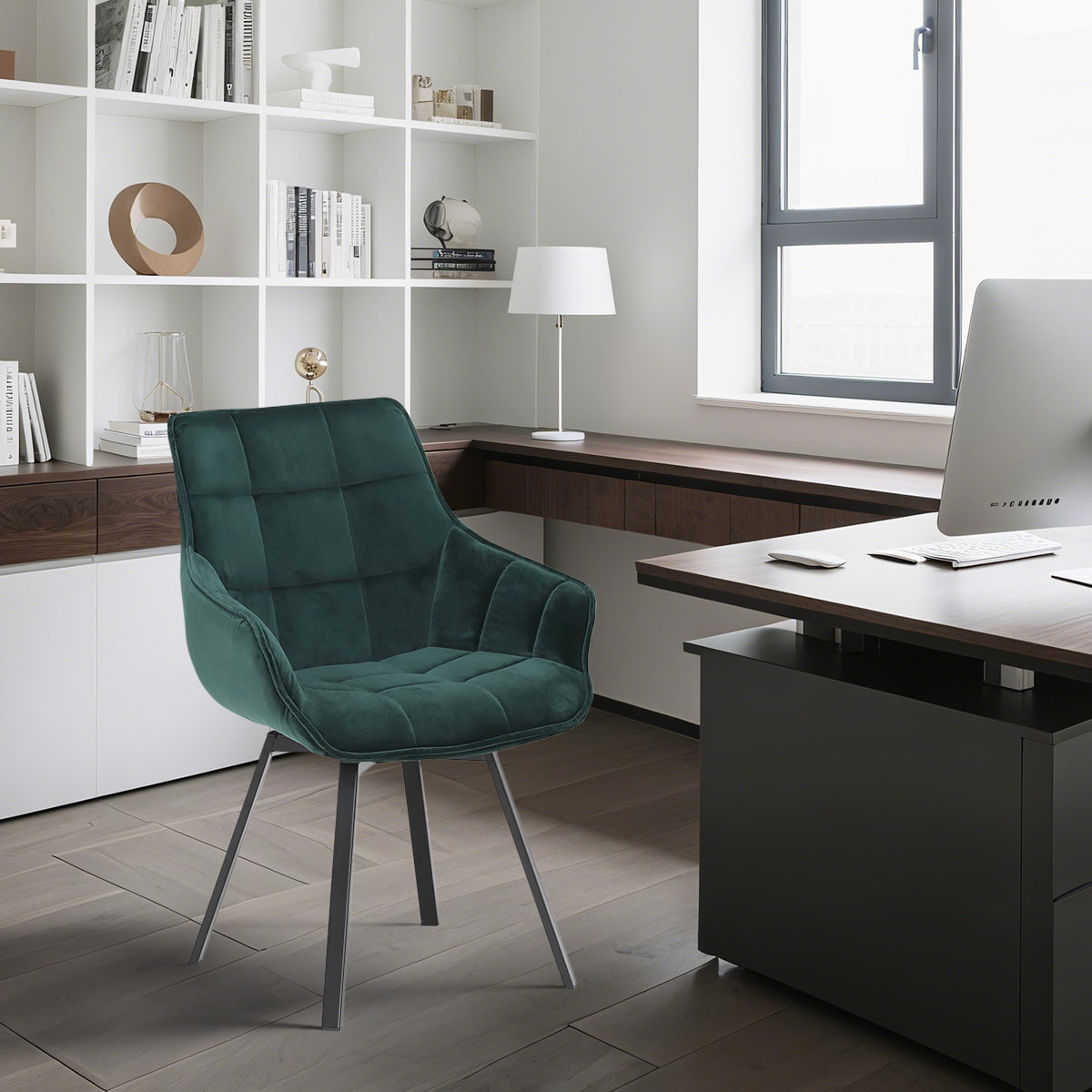
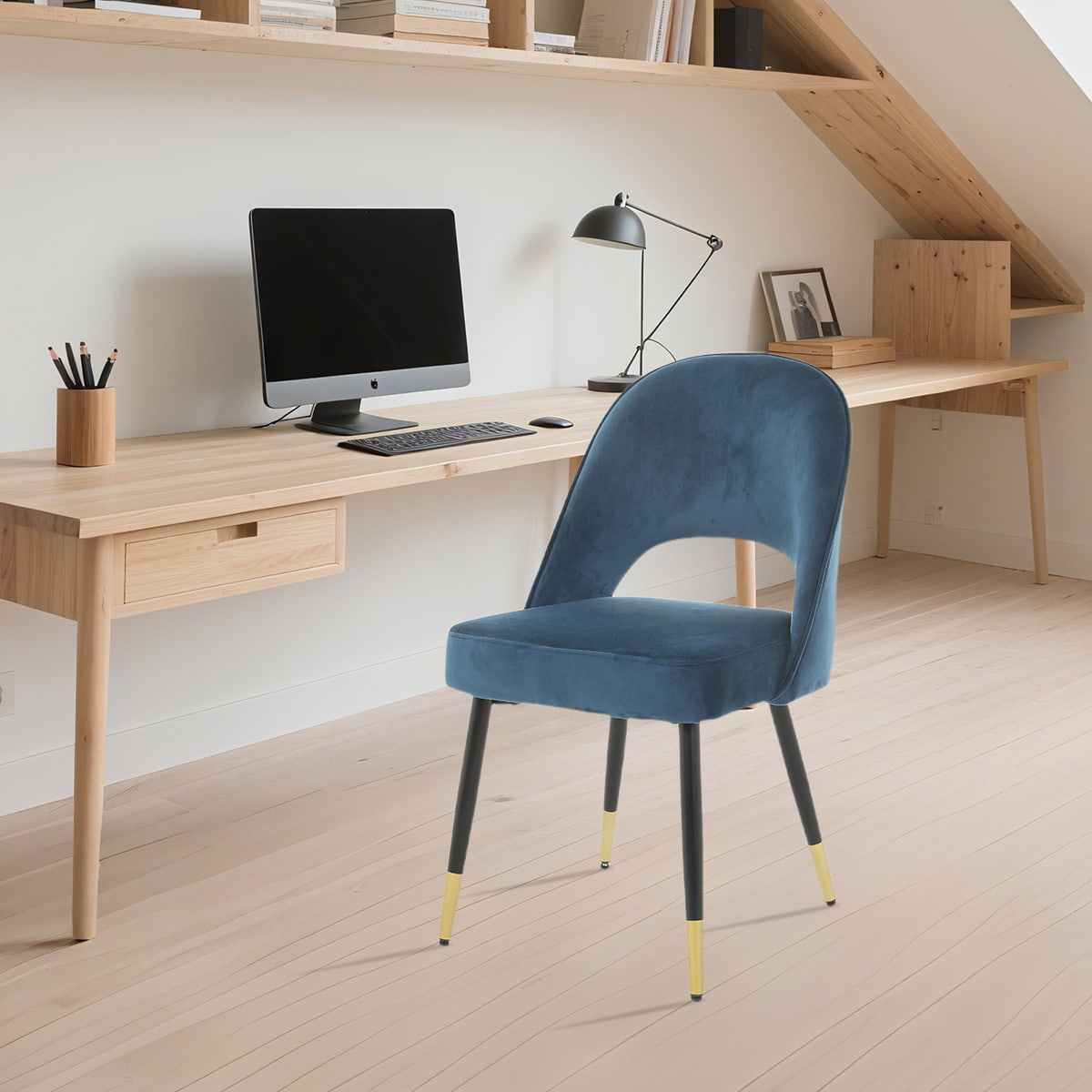


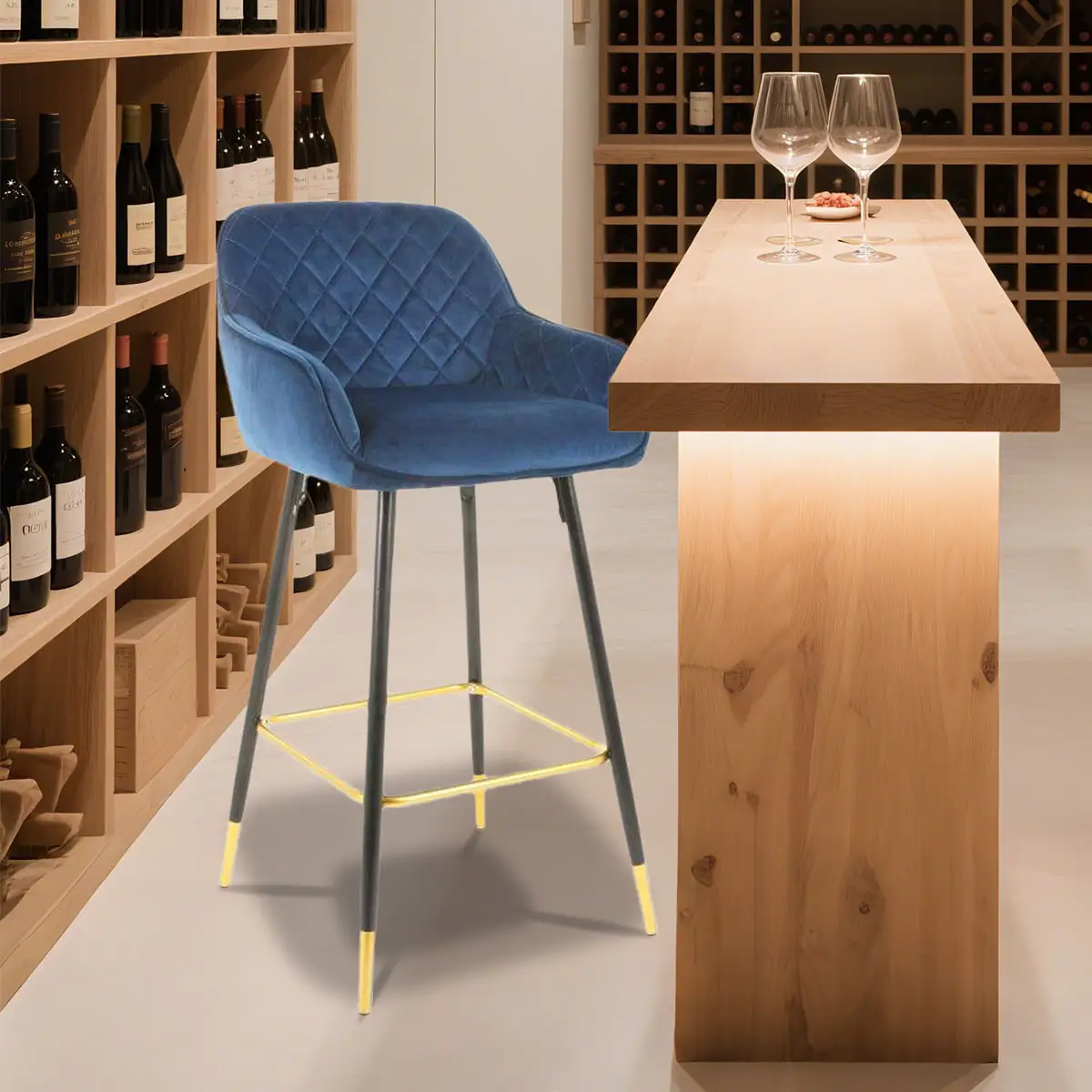
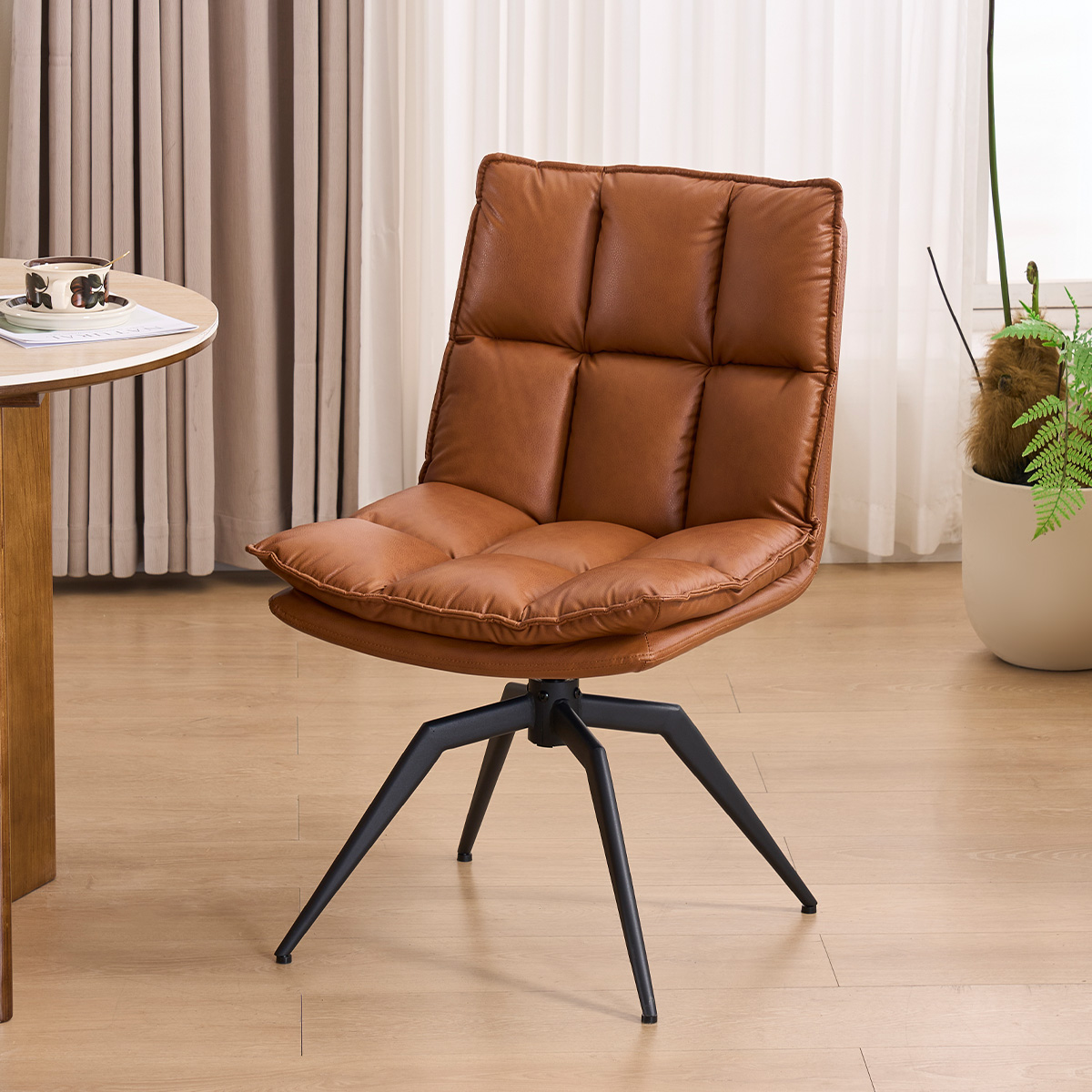
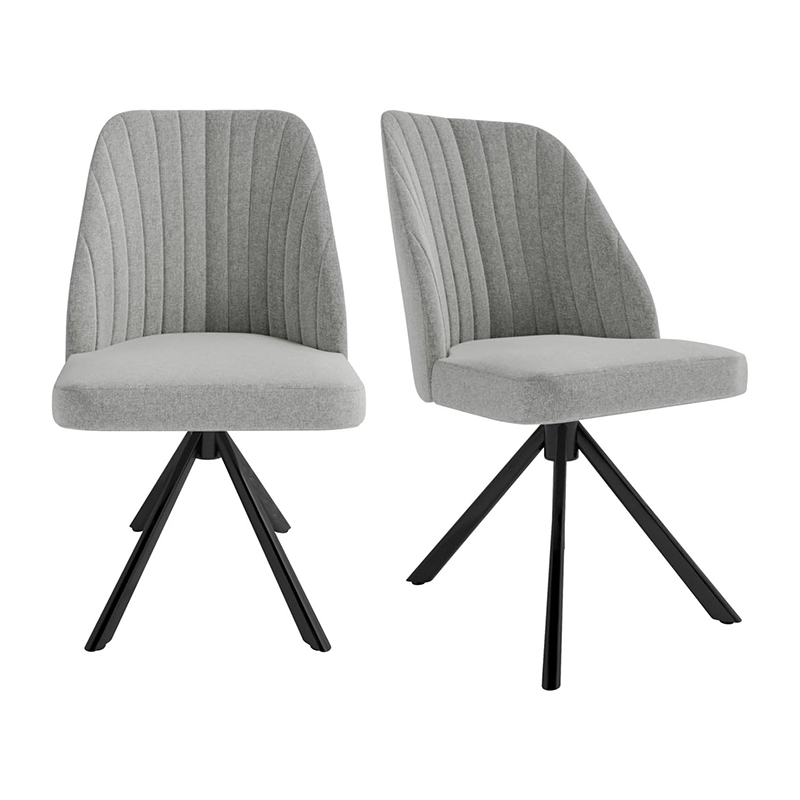

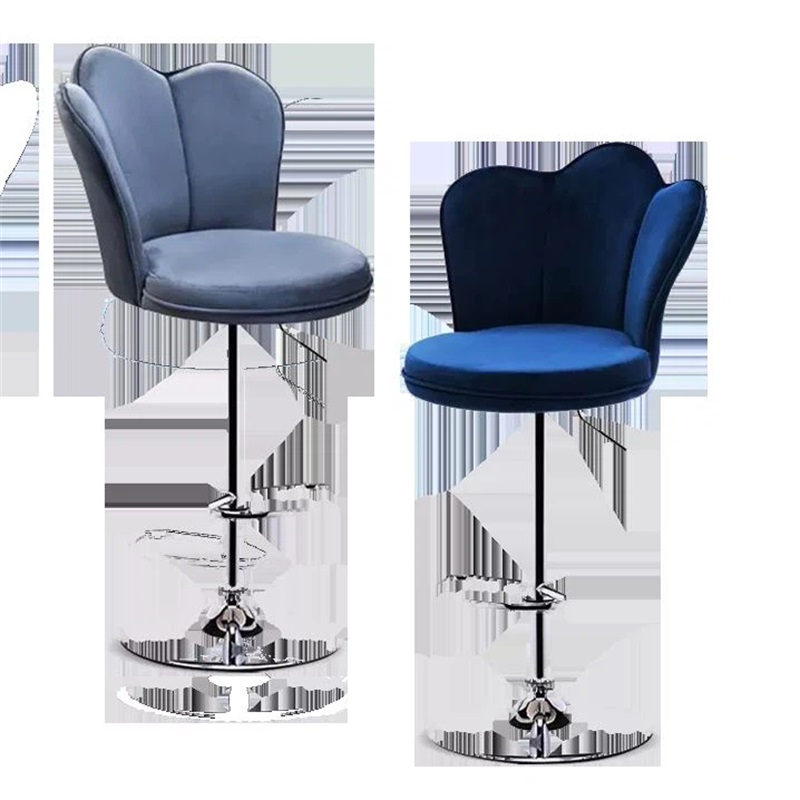
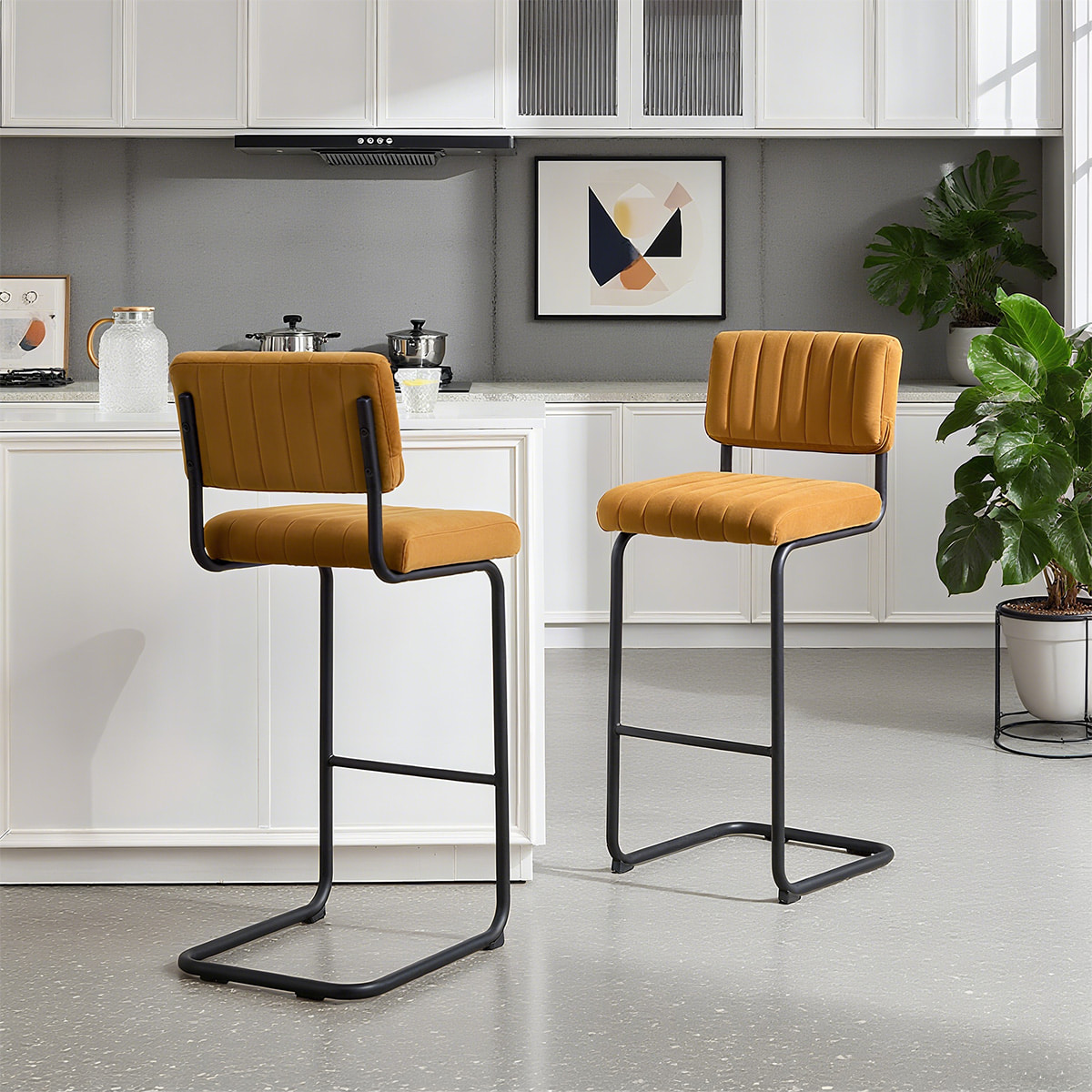

Velvet Counter Stools with Metal Legs
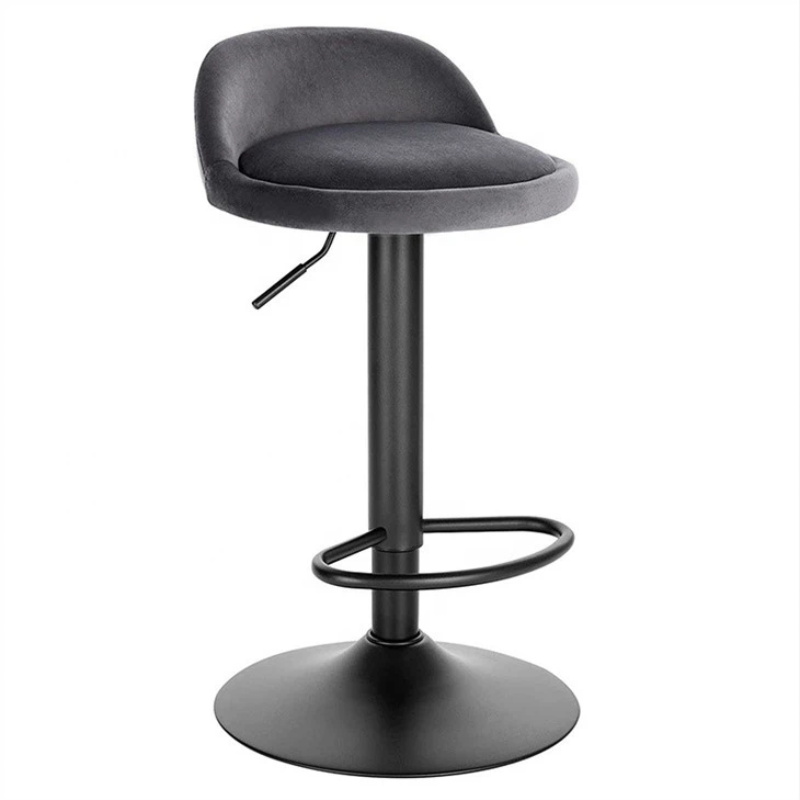
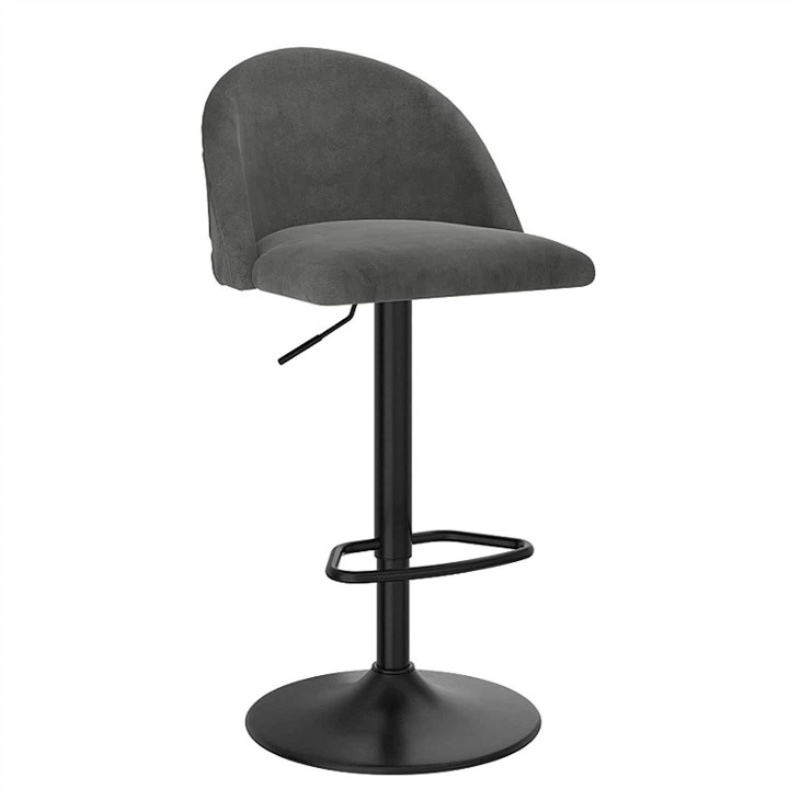
Velvet counter stools with metal legs combine a textile-covered seat with a metal supporting structure. They are designed for kitchen islands, breakfast counters, and selected hospitality interiors. Fabric texture, seat dimensions, leg construction, and metal finish are key factors when comparing models for residential or commercial furniture orders.
Surface texture and fabric specification
Frame shape and structural connections
Seat height and counter clearance
Upholstery colors and metal coatings
Velvet Seating with a Metal Support Structure
The combination of velvet upholstery and metal legs brings together two different material characteristics. Velvet defines the seat's surface appearance and texture, while the metal frame supports the seat and determines the stool's base structure.
For buyers, these components should be evaluated separately and as a complete product. Fabric specifications, padding construction, metal material, welding or fastening details, and surface finish all contribute to the final product configuration.
Understanding Velvet Upholstery
Velvet is a pile fabric characterized by its surface texture and light-reflecting appearance. Its visual effect can vary with pile direction, fabric composition, color, and lighting conditions.
Surface Texture and Appearance
The pile surface creates a soft visual finish. When viewed from different directions, the fabric may show variations in shading, making sample approval important for consistent bulk orders.
Confirm the fiber content and fabric construction rather than identifying velvet by appearance alone.
Review color samples under consistent lighting and confirm acceptable shade variation between production batches.
Check the cleaning instructions and suitability for the expected frequency of use.
Metal Legs and Supporting Components
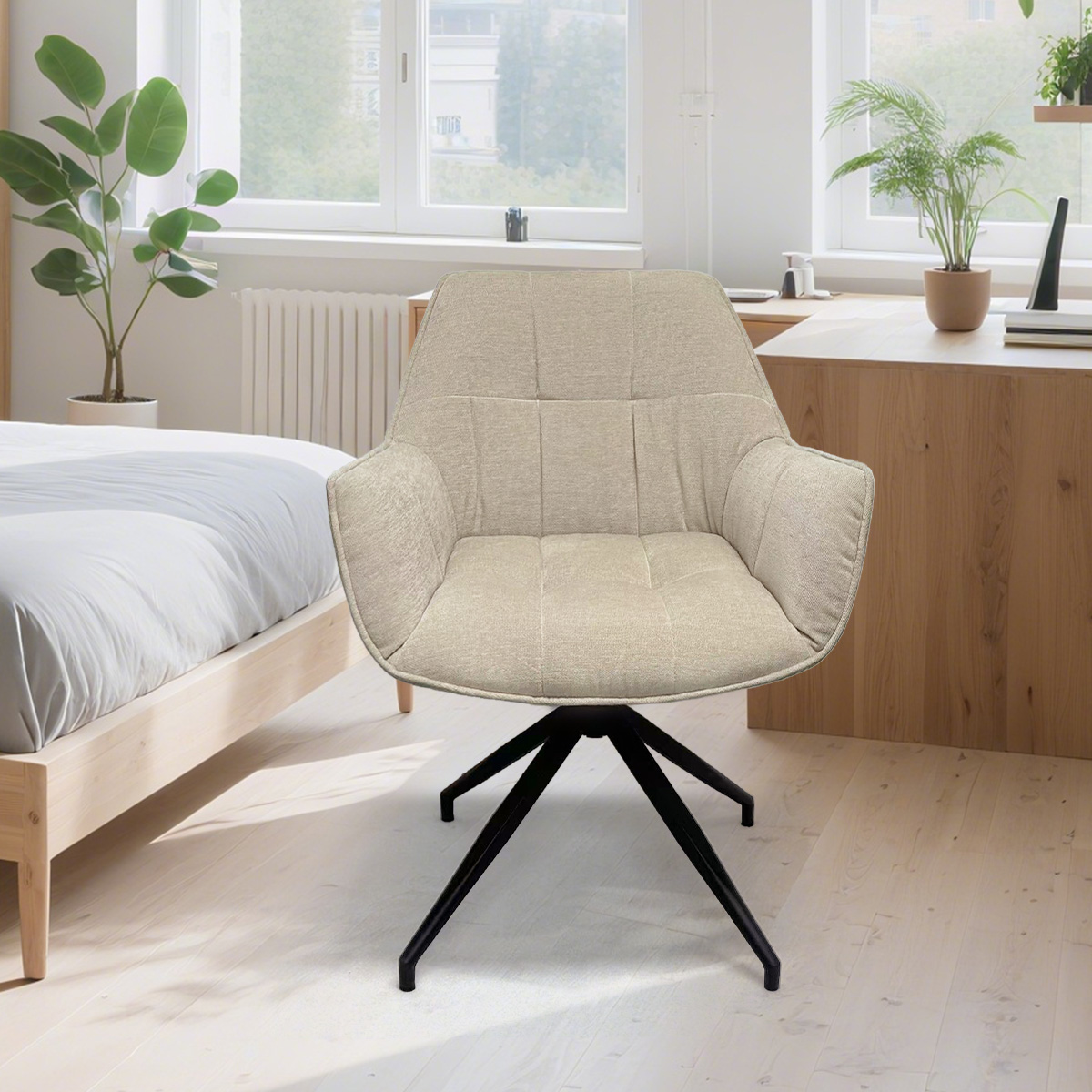
The metal leg structure affects the stool's footprint, support arrangement, and appearance. Different frame geometries may be used depending on the seat design and intended application.
Four-Leg Metal Base
Four separate legs support the seat and create a conventional stool structure. The leg position, connection points, and base dimensions should be reviewed together.
- Leg spacing and angle
- Crossbar or reinforcement design
- Floor-contact protection
Metal Material
Confirm whether the frame uses steel, stainless steel, or another specified metal material.
Surface Treatment
Check the coating or finishing process, color, surface appearance, and corrosion-related requirements.
Connection Structure
Review welds, fasteners, mounting plates, and the connection between the seat and metal frame.
Footrest Design
Where included, confirm the footrest position, connection method, and compatibility with the seat height.
Different Counter Stool Structures
Velvet upholstery can be paired with different seat and frame designs. The actual options depend on the available product models.
Matching Counter Stool Height to the Counter
Counter height is an important specification for furniture buyers. The finished seat height must provide sufficient clearance between the seat and the underside of the counter.
For upholstered stools, remember to measure the finished seat surface, including padding and upholstery, rather than only the internal seat frame.
Typical reference for kitchen counters and islands.
Typical reference for counter-height stools.
Starting reference for legroom between seat and counter.
These figures are general planning references, not fixed product specifications. Actual dimensions should be confirmed against the counter design, seat thickness, and stool model.
Where Velvet Counter Stools Can Be Used
Residential Kitchen Islands
For counter-level seating in kitchens where upholstered furniture is part of the interior scheme.
Breakfast Areas
For casual dining counters and compact residential seating arrangements.
Hotel and Apartment Interiors
For selected hospitality and residential furnishing projects, subject to material and usage requirements.
Restaurant Counter Seating
For projects where the selected velvet fabric, frame construction, and maintenance requirements are suitable for the operating environment.
What to Confirm Before Bulk Purchasing
For importers, wholesalers, and furniture project buyers, a detailed specification sheet helps reduce differences between the approved sample and delivered products.
Upholstery
Confirm velvet composition, color, fabric weight, test data, and cleaning requirements.
Metal Frame
Specify metal material, leg dimensions, surface finish, and connection structure.
Finished Dimensions
Confirm seat height, overall height, seat width, depth, and footrest position.
Testing and Inspection
Request applicable load, stability, and surface performance test information.
Packaging
Review assembly requirements, carton dimensions, protective materials, and shipping quantity.
Order Consistency
Confirm approved fabric swatches, metal finish samples, and acceptable production tolerances.
Frequently Asked Questions
Common questions about velvet counter stools and metal frame specifications.
What is the typical seat height for velvet counter stools?
A common reference range is 24–27 inches for counter-height stools. The actual seat height should be matched to the counter dimensions and required legroom.
What metal materials are used for counter stool legs?
Metal leg structures may use steel, stainless steel, or other specified metal materials. The exact material and finish should be confirmed from the product specification.
How should buyers evaluate velvet fabric for bar stools?
Review fiber composition, fabric weight, pile characteristics, abrasion performance, color consistency, and cleaning instructions. Physical samples are useful for checking texture and appearance.
Are velvet counter stools available with backrests?
Depending on the product range, options may include backless designs, low-back models, and full-back configurations. Confirm the actual available models before specifying an order.
What should be checked on metal stool legs before ordering?
Review leg material, dimensions, joint construction, surface finish, base stability, and applicable load or durability test information.
Can velvet upholstery and metal finishes be coordinated?
Different fabric colors and metal finishes may be available depending on the product model. Confirm the available combinations and approve samples before bulk production.
Source Velvet Counter Stools with Metal Legs
Provide your preferred seat dimensions, velvet fabric requirements, metal finish, and order quantity to discuss the appropriate product configuration.


