


 En
 English
 Français
 Español
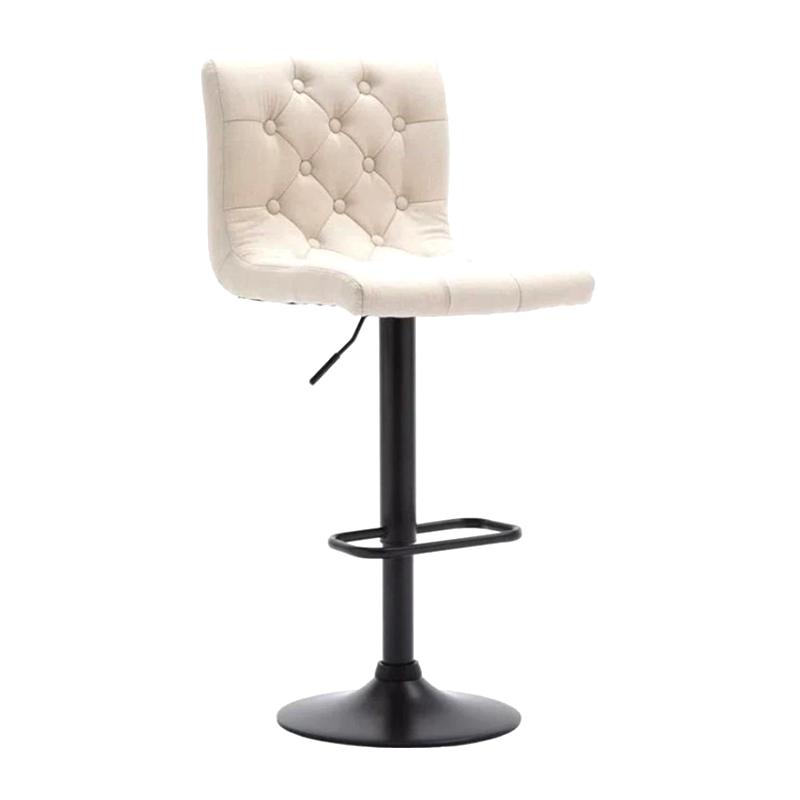

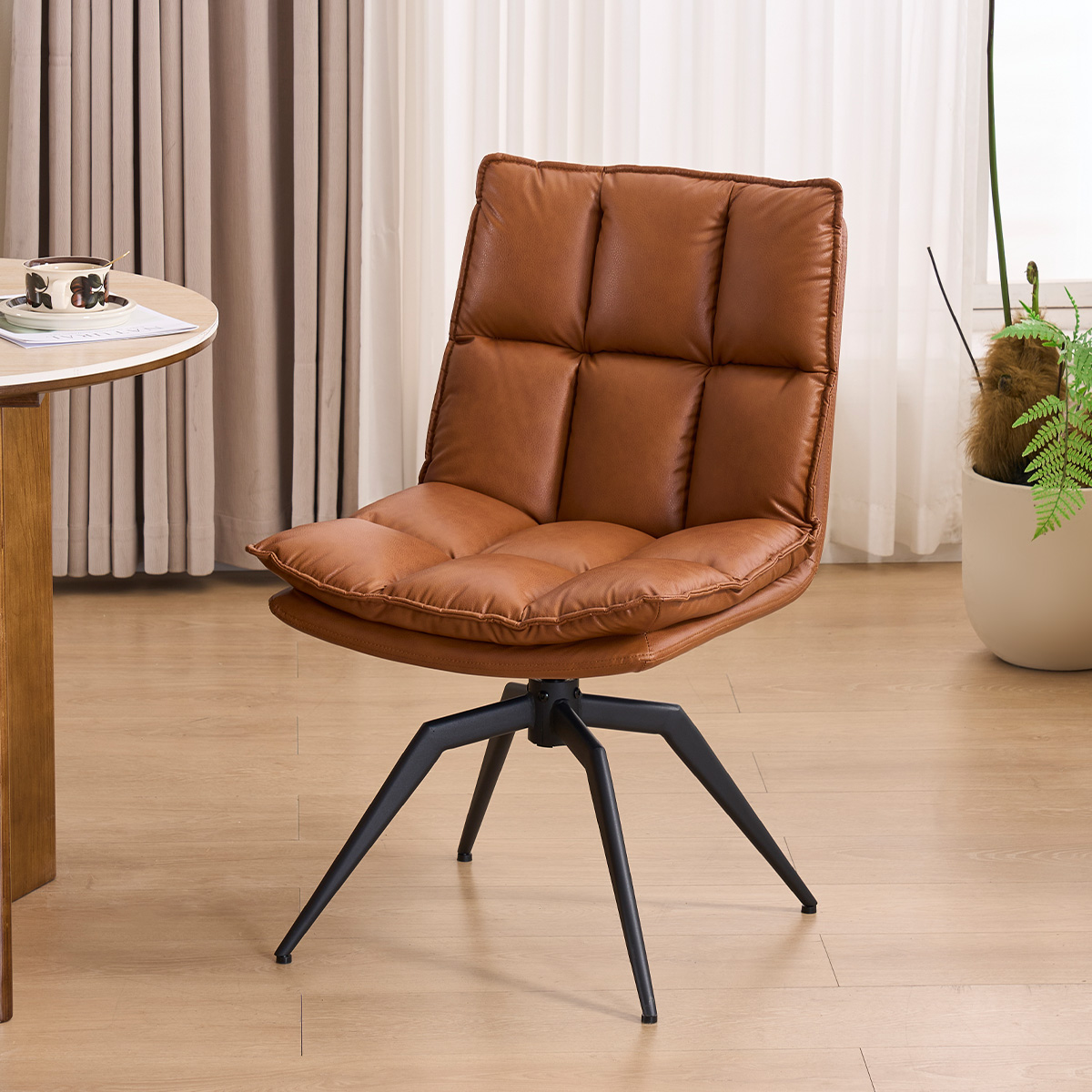
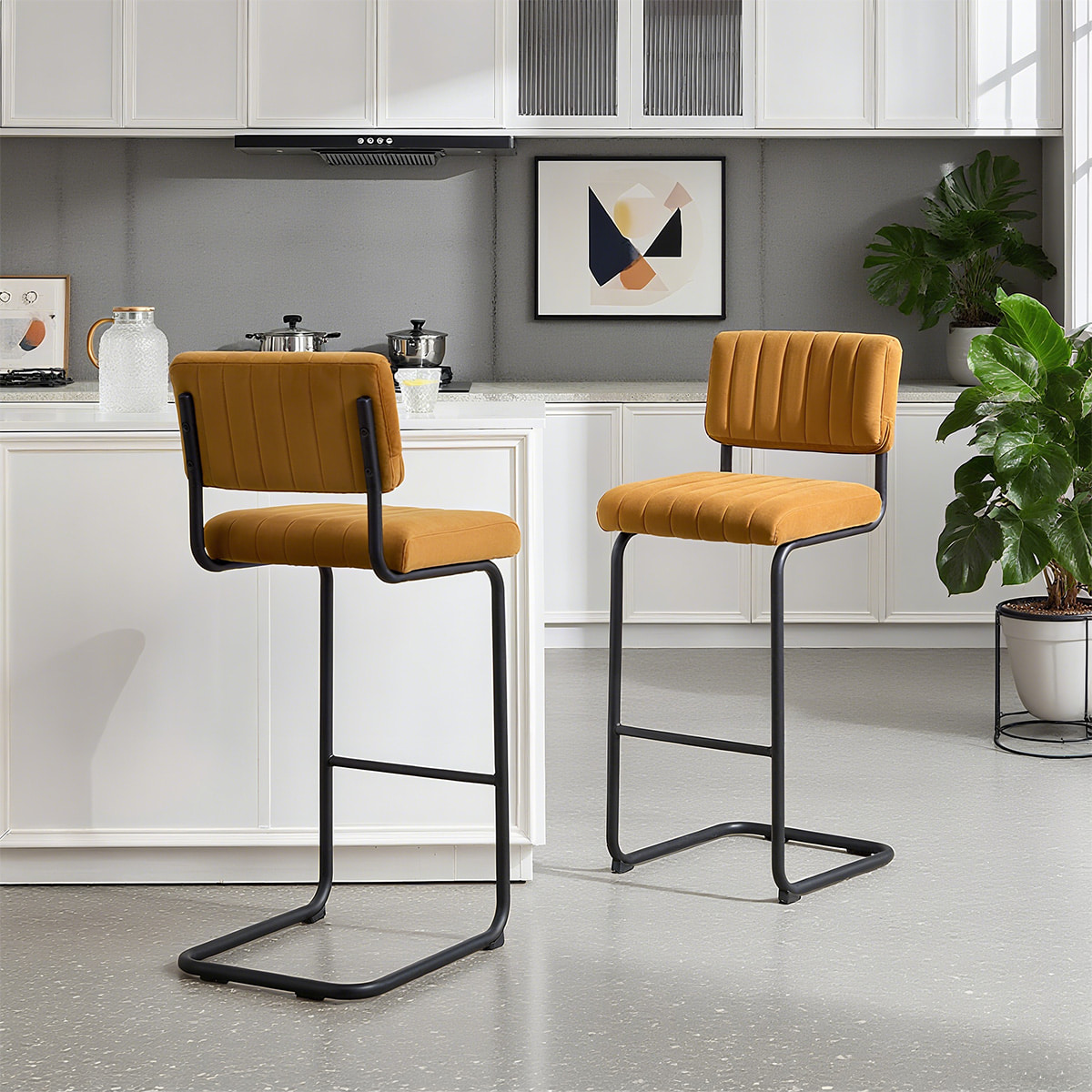
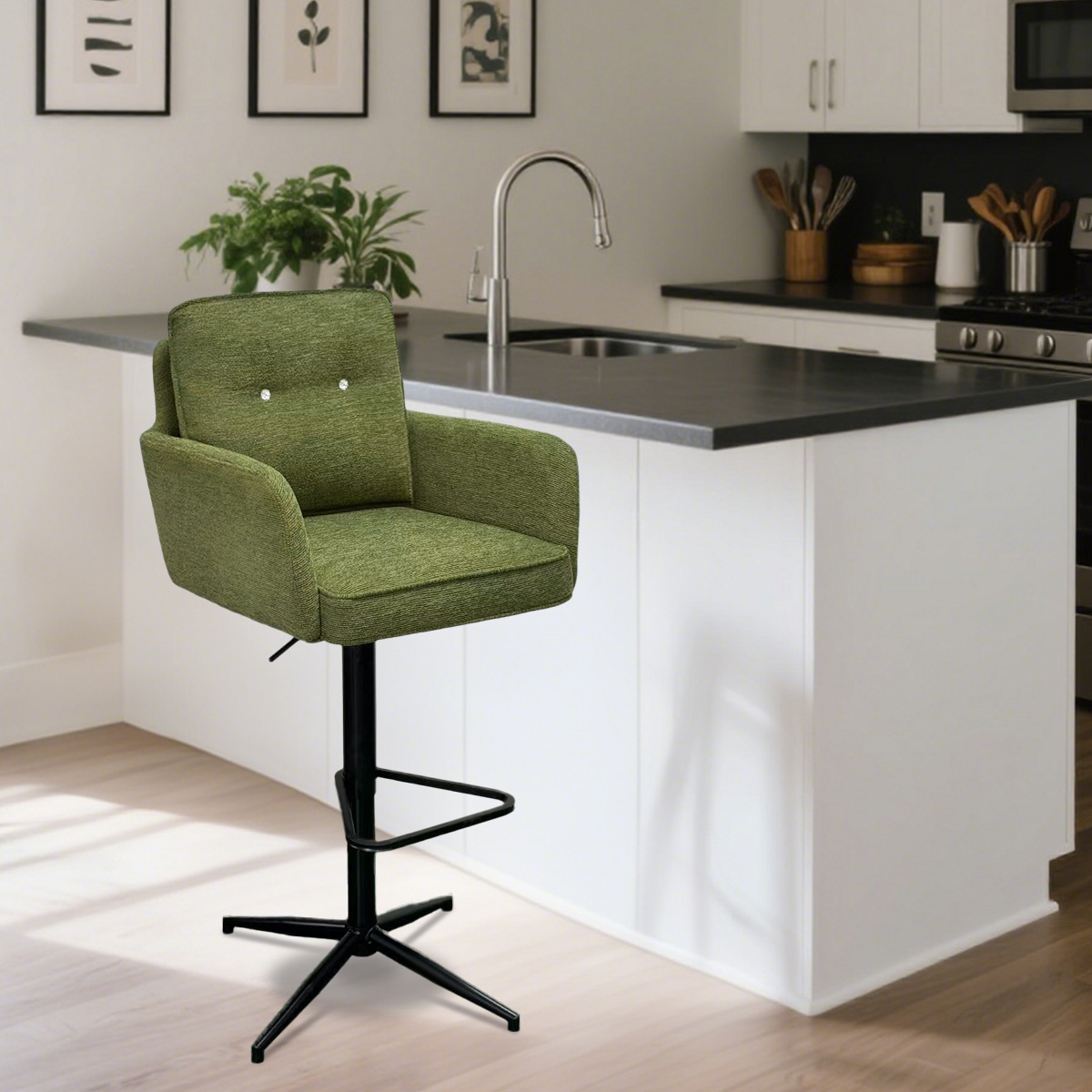
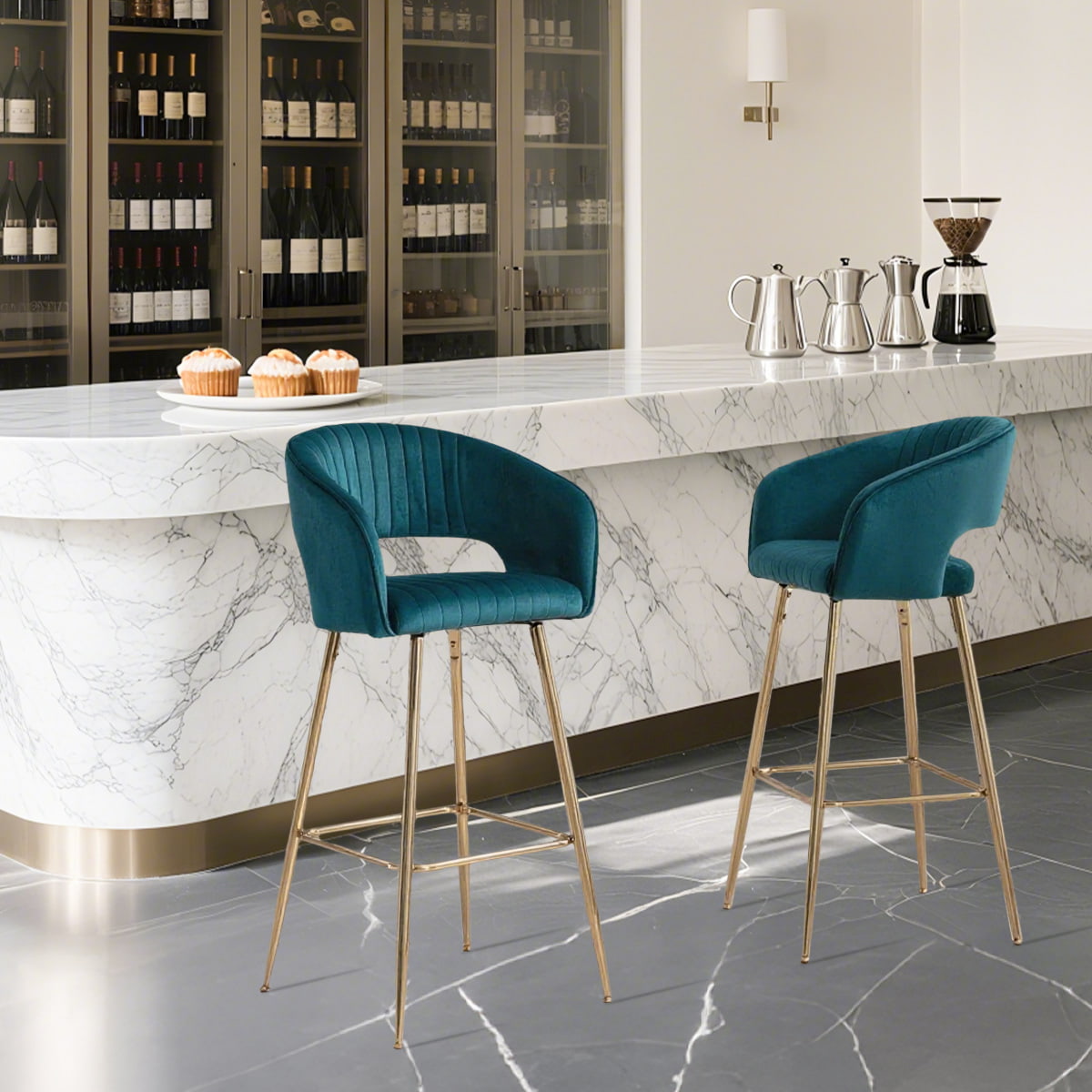
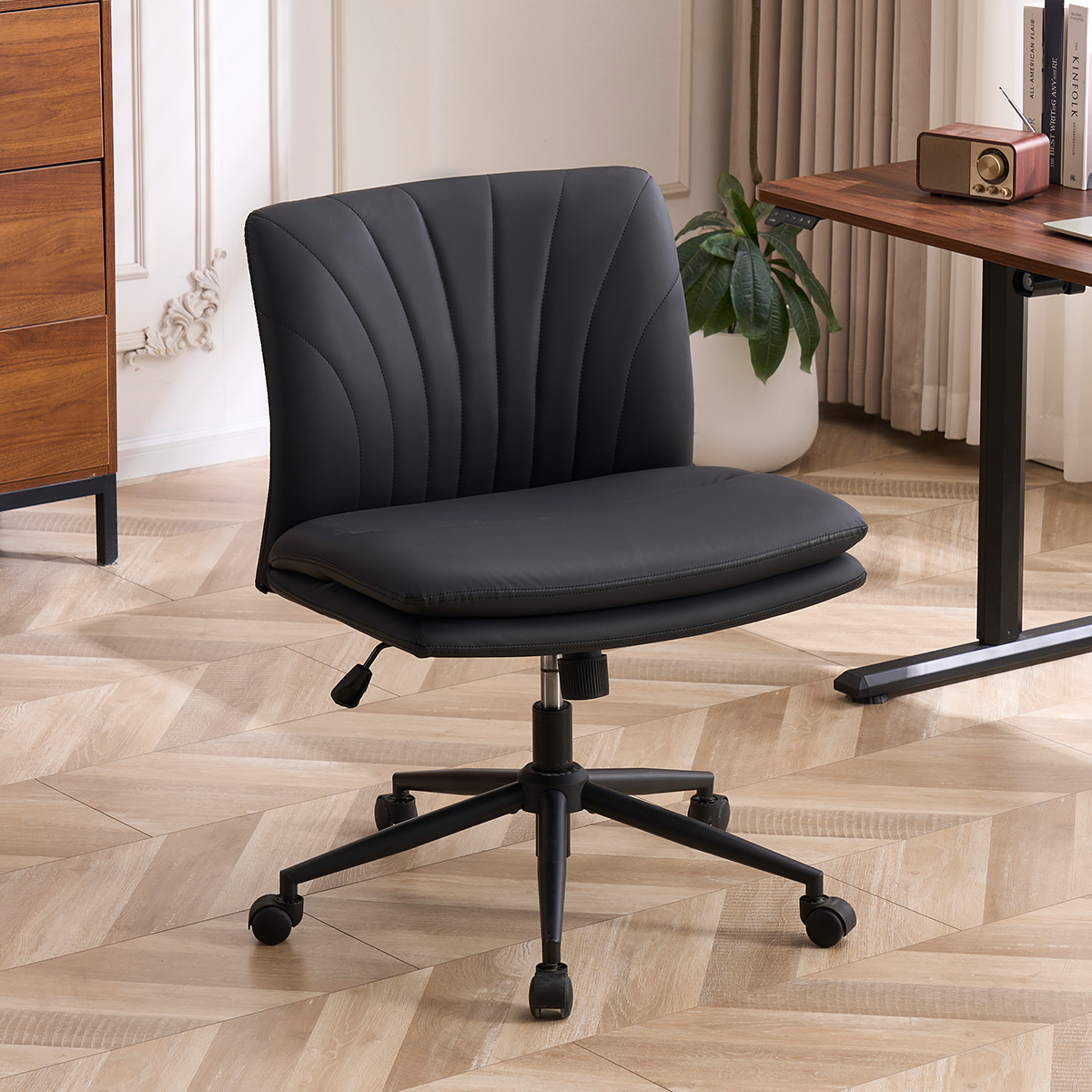

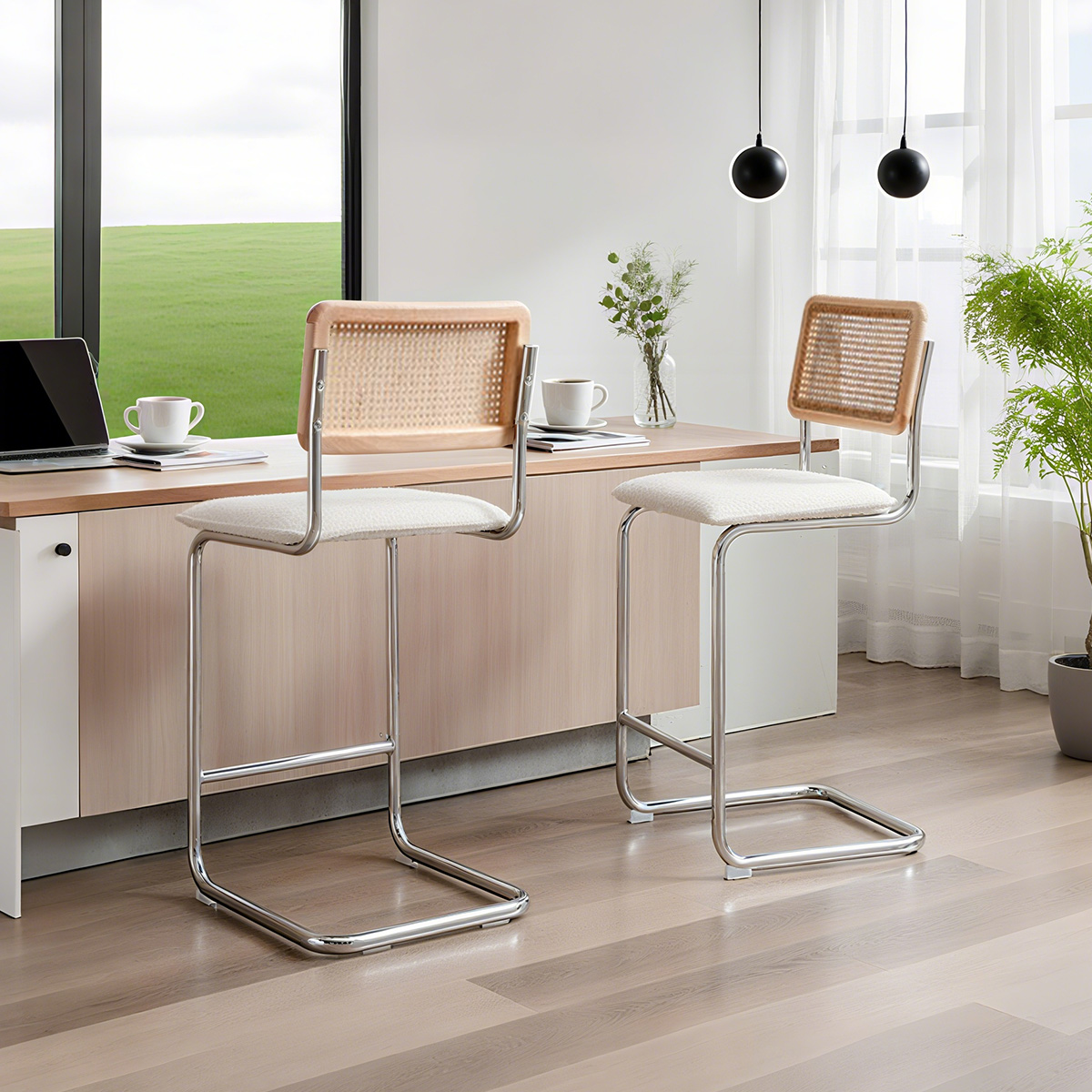

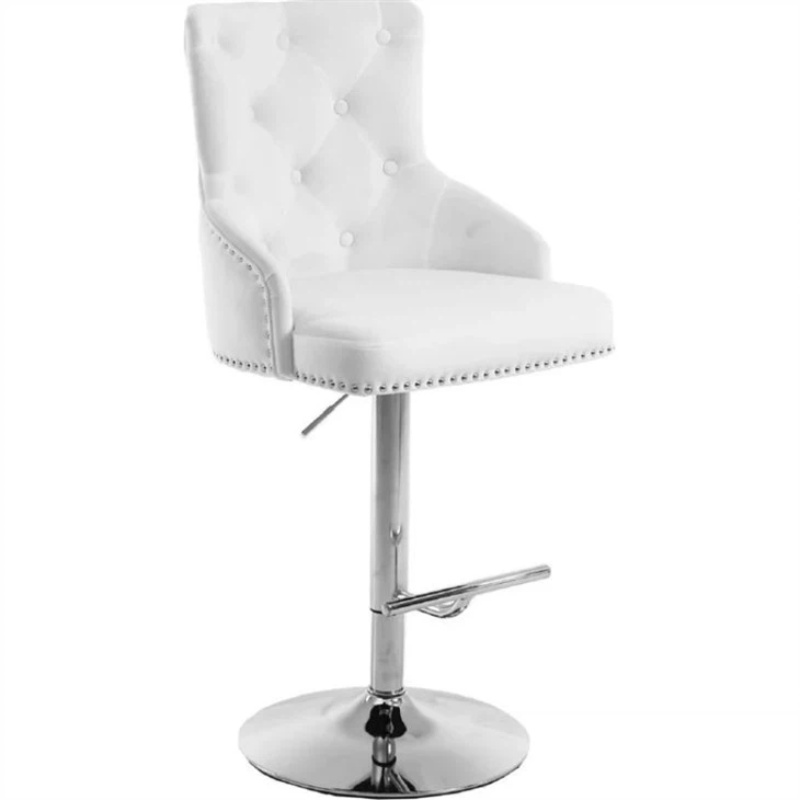
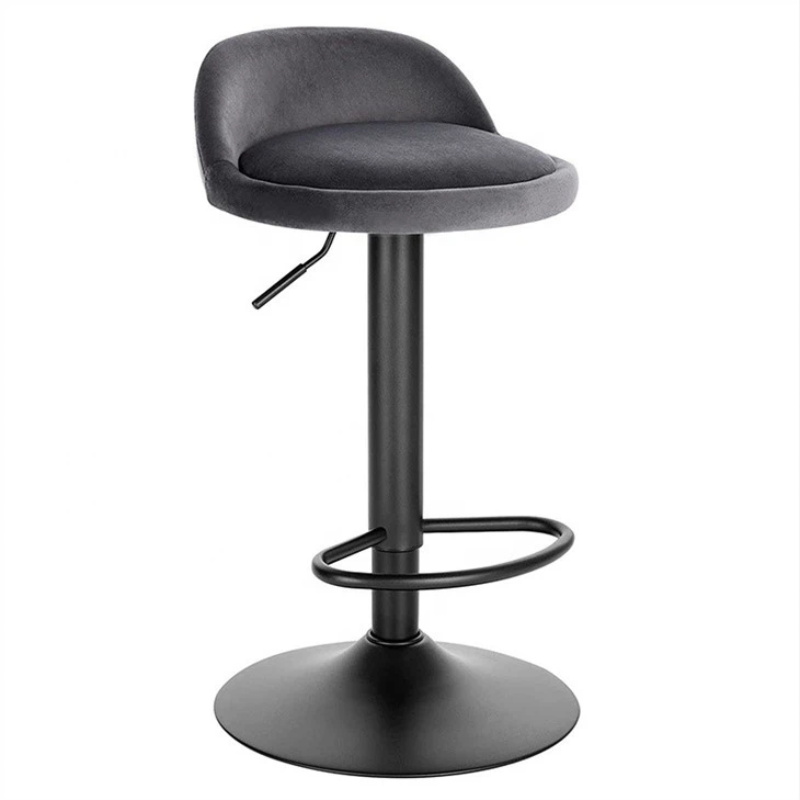
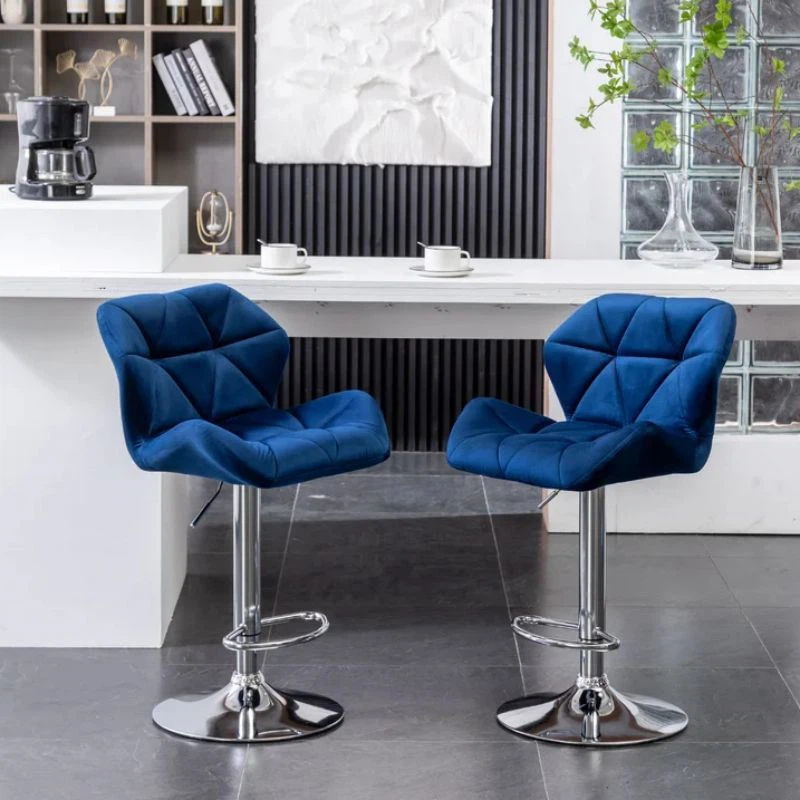
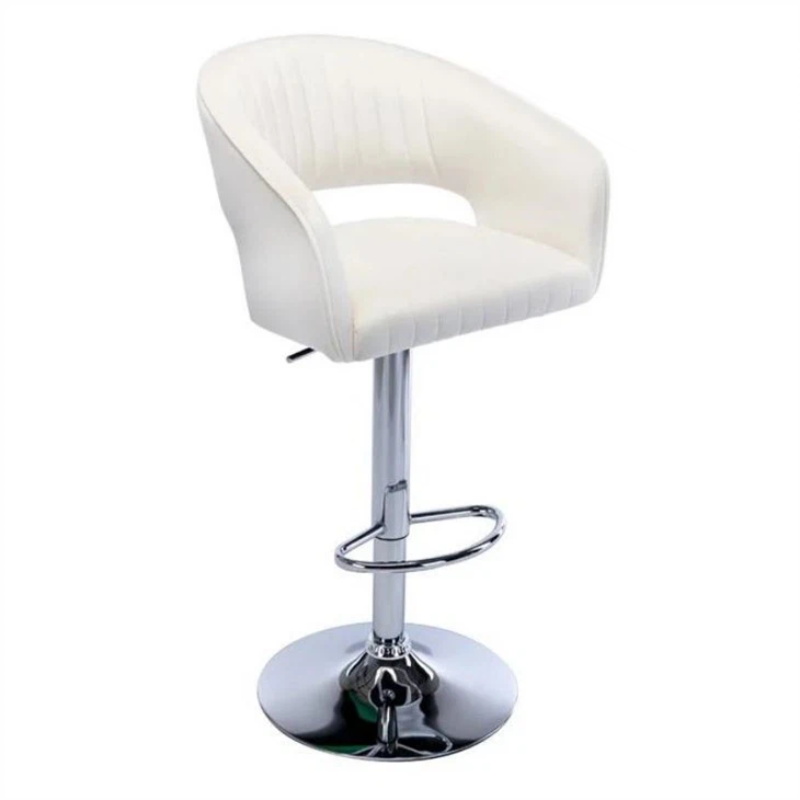
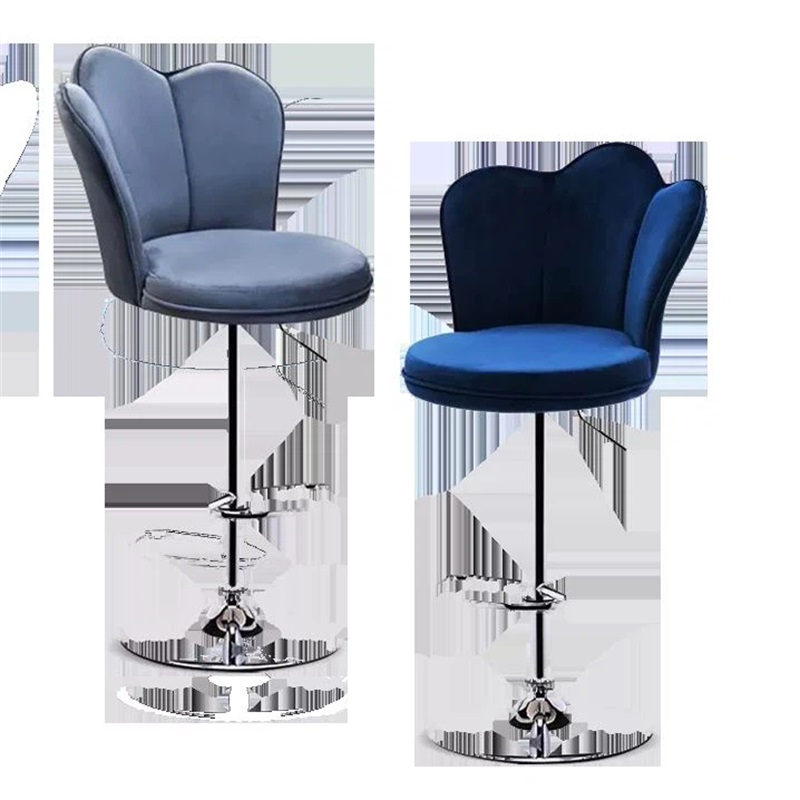
PU Leather Bar Stools with Metal Bases
PU Leather Bar Stools with Metal Bases combine upholstered seating surfaces, cushioned support, and metal base structures for residential furniture collections and commercial seating projects.
These bar stools feature PU leather upholstery over a padded seat, with a supporting metal structure that can be designed in different shapes and finishes. Depending on the model, configurations may include upholstered backrests, integrated footrests, fixed-height legs, swivel mechanisms, or pedestal bases. Buyers can evaluate upholstery specifications, frame construction, dimensions, and packaging requirements according to their target market and project needs.
COMBINATION
Key Advantages of PU Leather Bar Stools
Product performance depends on the coordination of upholstery materials, seat construction, metal frame geometry, and finishing specifications.
PU Leather Upholstery
PU leather provides a synthetic leather surface with a consistent appearance and a range of available colors and textures. Its smooth surface can generally be maintained through routine wiping, subject to the manufacturer's cleaning instructions.
Metal Base Construction
Metal supporting structures can be configured with four legs, sled bases, central pedestals, or other model-specific designs.
FRAME STRUCTURECushioned Seating
Foam padding and seat support components can be specified according to the required seat thickness and cushioning characteristics.
SEATING CONSTRUCTIONMultiple Base Finishes
Metal frames can use different surface treatments, including powder coating, plating, and other specified finishes.
SURFACE TREATMENTFlexible Product Configurations
Seat shape, backrest profile, footrest position, frame dimensions, and upholstery colors can vary by model.
PRODUCT OPTIONSProduct Materials and Construction
Each component has a separate role in the overall stool construction. Understanding these material combinations helps wholesale buyers establish product specifications and compare manufacturing proposals.
PU Leather Covering
Polyurethane-coated synthetic leather is used to cover the seat and, where applicable, the backrest. Specifications may include surface texture, backing material, thickness, color, and performance requirements.
Metal Base and Supporting Frame
Steel or other specified metal materials can be used for the base, legs, connecting bars, and footrests. Tube dimensions, welding quality, connection methods, and surface finishing should be confirmed during product development.
Surface Upholstery
PU LEATHERSurface texture, color, material composition, backing, thickness, and resistance to wear.
Cushioning Material
FOAM PADDINGFoam density, thickness, resilience, compression characteristics, and internal shaping.
Seat Support
INTERNAL STRUCTUREPlywood, engineered wood panels, or other specified internal support components.
Metal Frame
BASE CONSTRUCTIONMetal grade, tube dimensions, leg geometry, welding points, and load-bearing design.
Protective Finish
FRAME FINISHINGPowder coating, plating, corrosion protection, finish color, and surface consistency.
Metal Base Designs and Structural Options
The base design affects stool dimensions, installation requirements, stability, and the available seating functions. The following are common structural configurations.
Four-Leg Metal Base
A traditional leg configuration with individual supporting points. Leg spacing, frame connections, and footrest positioning should be coordinated with the seat dimensions.
Sled Metal Base
A continuous metal frame forms the supporting base. Buyers should review the base footprint, tube construction, floor contact, and structural connections.
Pedestal Metal Base
A central support column connects the seat to a wider base plate. Some models can incorporate swivel or height-adjustment mechanisms.
Cross-Leg Metal Base
Cross-connected metal legs create a geometric support structure. The joint design, leg angle, and floor-contact arrangement require dimensional verification.
Different base configurations are not interchangeable without structural evaluation. When changing the base design, confirm the overall center of gravity, seat mounting points, footrest position, and applicable stability requirements.
Functional Features and Available Options
Depending on the product model, PU Leather Bar Stools with Metal Bases can incorporate different seating and functional configurations.
Backrest height, angle, padding, and support structure.
Seat dimensions, cushion thickness, and upholstery coverage.
Footrest height, position, connection strength, and finish.
Mechanism specifications, rotation, locking, and height range.
Color consistency, coating process, and corrosion resistance.
Floor compatibility, noise reduction, and replacement requirements.
Applications of PU Leather Bar Stools with Metal Bases
These stools can be included in different furniture supply programs according to the upholstery specifications, frame design, and seating dimensions.
Kitchen Islands and Home Bars
Used around kitchen islands, breakfast counters, and home bar areas. Buyers should match the seat height and stool footprint to the counter dimensions.
Hotels and Lounges
Specified for hotel bars, reception counters, and lounge seating areas. Review upholstery maintenance and frame performance requirements.
Restaurants and Cafes
Used in counter dining and bar seating layouts. Cleaning procedures, upholstery resistance, and structural inspection are relevant purchasing factors.
Wholesale and Retail Collections
Retailers and distributors can specify coordinated seat colors, metal finishes, and different stool heights for their furniture collections.
Commercial Interior Projects
Suitable for designated seating areas in commercial interiors, residential developments, and hospitality renovation projects.
What Should Buyers Confirm Before Bulk Ordering?
Before placing a purchase order, importers and project buyers should establish the following technical and commercial requirements.
Product Dimensions
Confirm total height, seat height, seat width, seat depth, backrest height, and base footprint. Distinguish between counter-height and bar-height models.
PU Leather Specifications
Specify material composition, surface texture, thickness, color, backing, abrasion requirements, and cleaning instructions.
Metal Frame Specifications
Confirm metal material, tube dimensions, wall thickness, welding requirements, frame geometry, and surface treatment.
Load Capacity and Testing
Establish the required load rating and applicable furniture stability, strength, and durability test standards for the destination market.
Packaging and Logistics
Confirm assembled or knock-down packaging, carton dimensions, protective materials, units per carton, shipping volume, and assembly instructions.
Key specification groups for product confirmation and bulk order communication.
Counter Height vs. Bar Height
Seat height should be selected according to the finished counter or bar surface, rather than the overall stool height.
Counter Stools
Commonly specified for kitchen islands and counter surfaces. The exact seat height should be checked against the counter height and required legroom.
Bar Stools
Commonly specified for taller bar counters and designated commercial bar areas. Confirm the seat-to-counter clearance before finalizing the model.
These are general reference ranges, not universal product standards. Actual dimensions vary by manufacturer and model. A seat-to-counter clearance of approximately 250–300 mm is commonly used as an initial planning reference.
Frequently Asked Questions
Common questions from furniture distributors, importers, and commercial project procurement teams.
Q01 What are PU Leather Bar Stools with Metal Bases made of?
They typically consist of PU leather upholstery, foam cushioning, internal seat support components, and a metal supporting base. Depending on the design, additional components may include an upholstered backrest, footrest, connecting bars, and floor glides. Exact material specifications vary by model.
Q02 What is the difference between PU leather and genuine leather?
PU leather is a synthetic material with a polyurethane surface layer, while genuine leather is made from animal hide. PU leather offers more controlled surface patterns and color options. Buyers should compare backing construction, thickness, abrasion performance, flexibility, and maintenance requirements.
Q03 Which metal materials are commonly used for bar stool bases?
Steel and other specified metal materials are commonly used in stool frames and bases. Material selection depends on the structural design, required load performance, frame dimensions, surface treatment, and target cost requirements.
Q04 Can PU leather bar stools be supplied with different metal finishes?
Depending on the manufacturer's production capabilities, metal bases may be available in powder-coated, plated, or other finishes. Buyers should provide a color reference or approved sample and confirm finish consistency, adhesion, and corrosion resistance requirements.
Q05 How do buyers select the correct bar stool height?
Measure the finished counter or bar surface and select a stool that provides sufficient clearance between the seat and countertop. Seat height, rather than overall stool height, is the main measurement for this comparison. The required clearance also depends on seat thickness and user requirements.
Q06 Are PU leather bar stools suitable for restaurants and hotels?
They can be specified for hospitality environments when the upholstery and frame meet the project's usage and maintenance requirements. Buyers should verify abrasion resistance, cleaning compatibility, frame stability, load capacity, and applicable commercial furniture testing standards.
Q07 Can buyers request customized dimensions and upholstery colors?
Customization availability depends on the product structure, material supply, and manufacturing capabilities. Buyers can provide target dimensions, PU leather color references, metal finish requirements, and drawings for technical evaluation. Sample approval should be completed before bulk production.
Q08 What information is needed for a wholesale quotation?
Buyers should provide product model or reference images, order quantity, seat dimensions, upholstery specifications, metal base design, finish color, packaging requirements, destination country, and any required testing or certification documents.
Specify Your PU Leather Bar Stool Requirements
For wholesale orders, furniture distribution programs, and hospitality projects, product specifications should be confirmed before production. Buyers can provide their preferred PU leather colors, metal base configurations, stool dimensions, functional options, estimated quantities, and packaging requirements for product evaluation and quotation preparation.


