


 En
 English
 Français
 Español

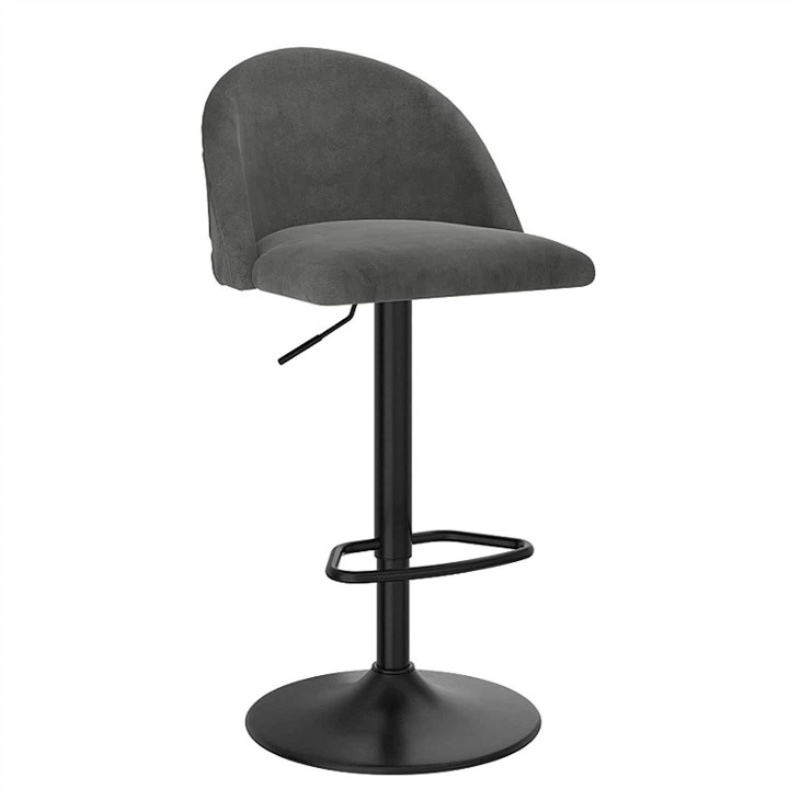
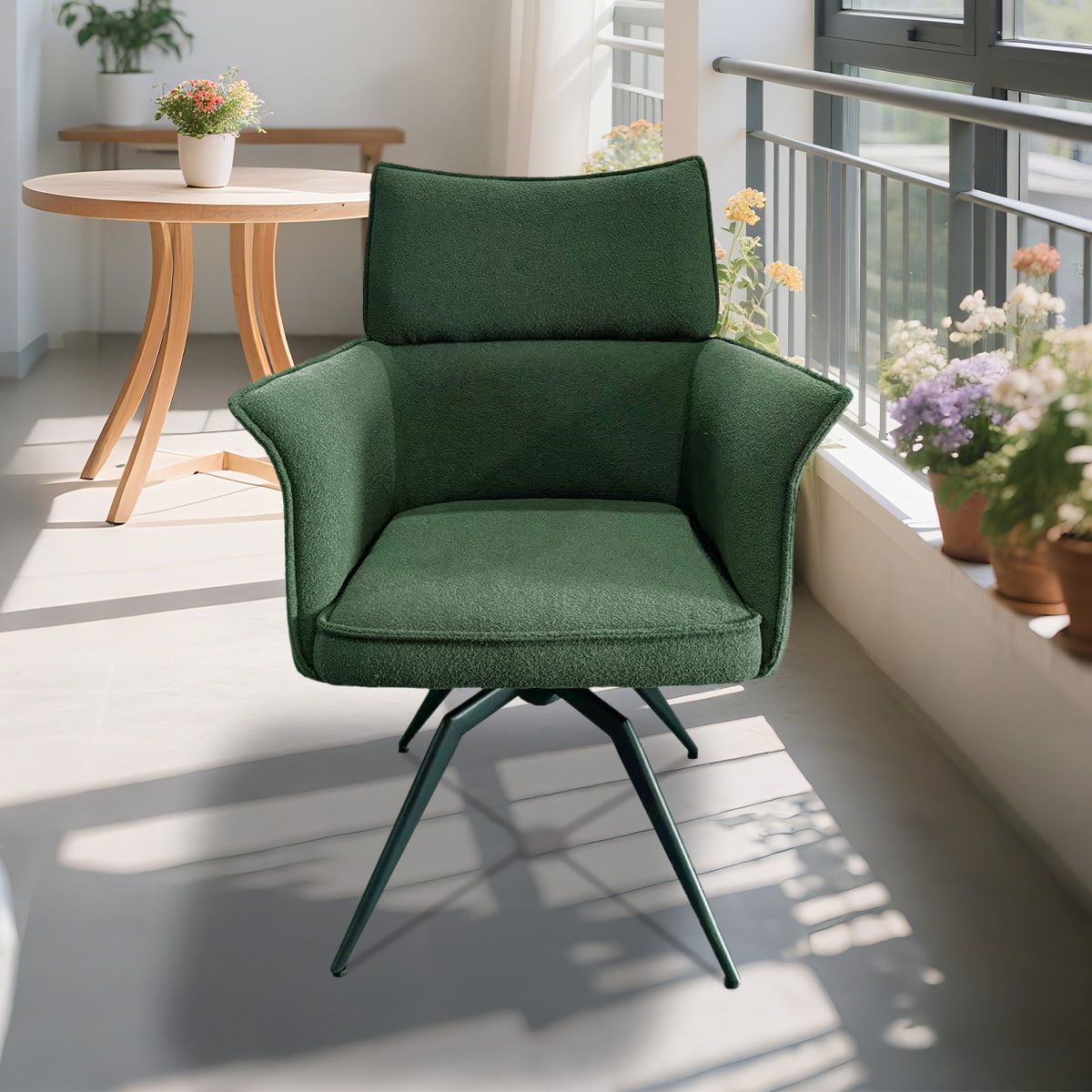
Upholstered Bar Stools with Backrests
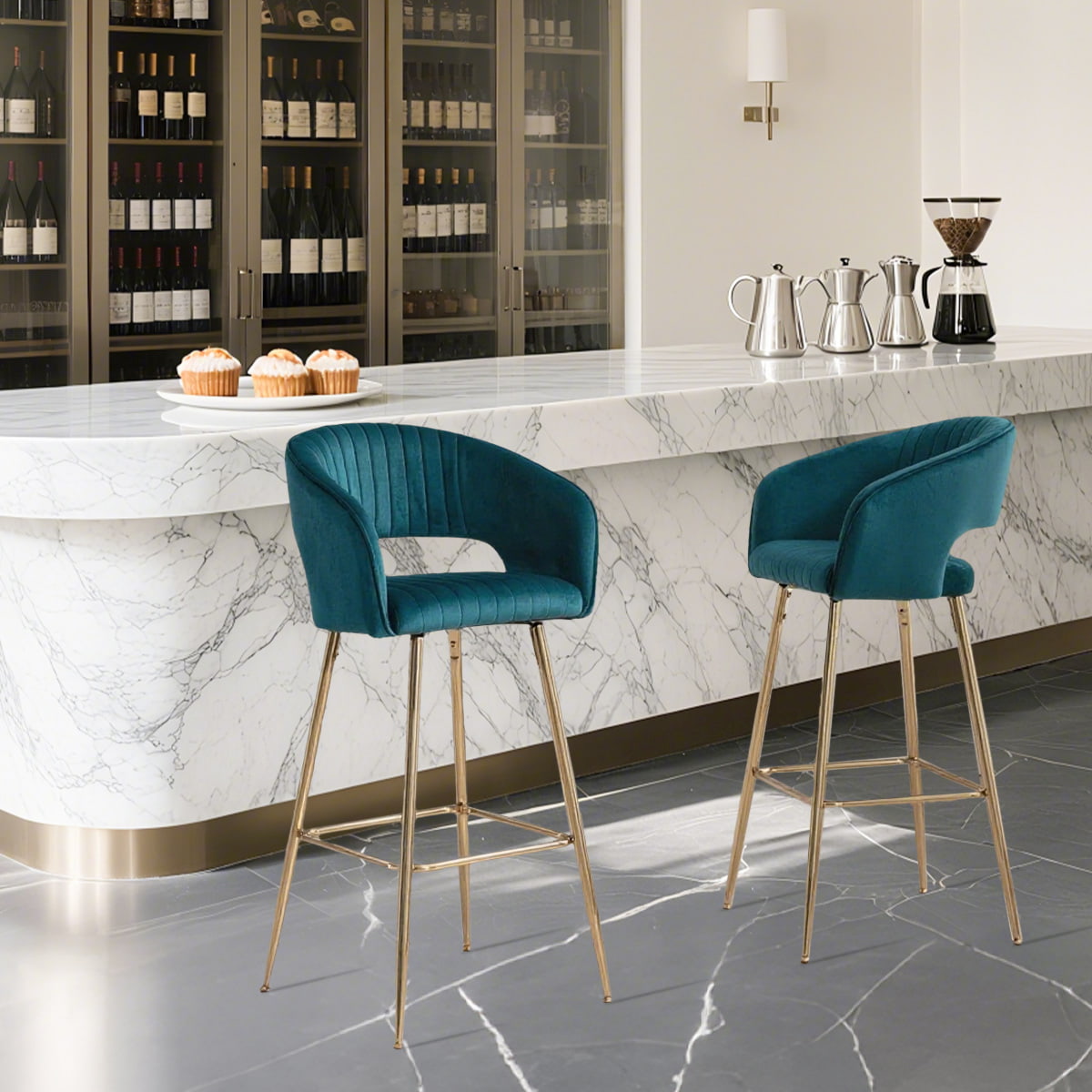
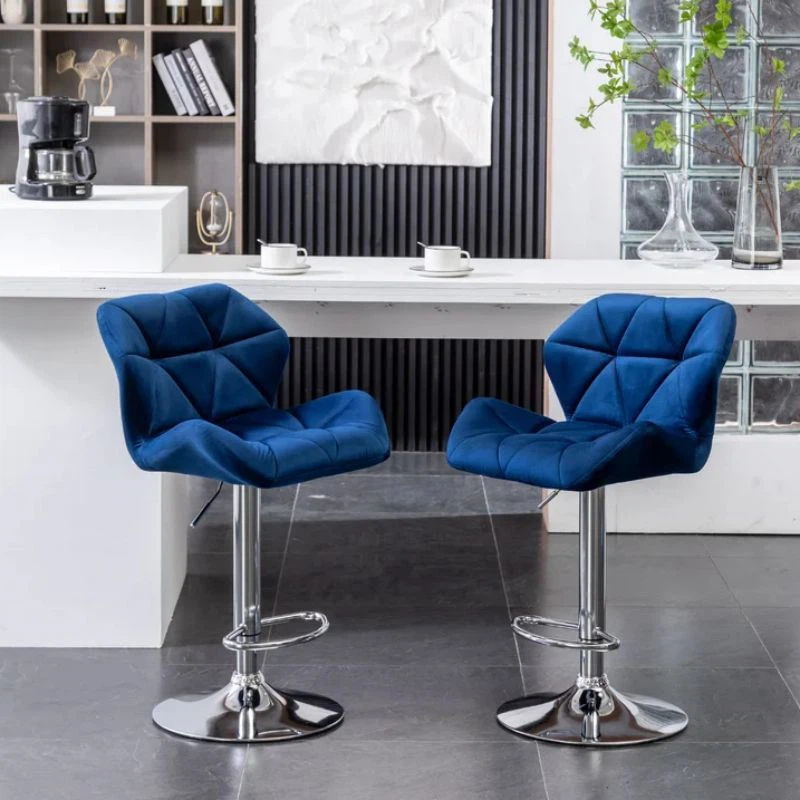
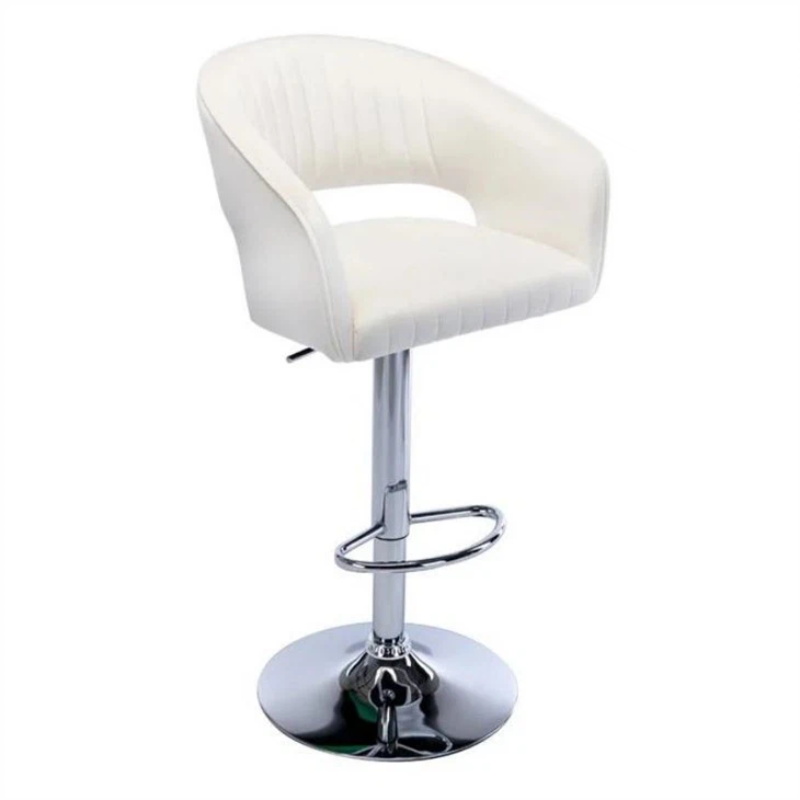
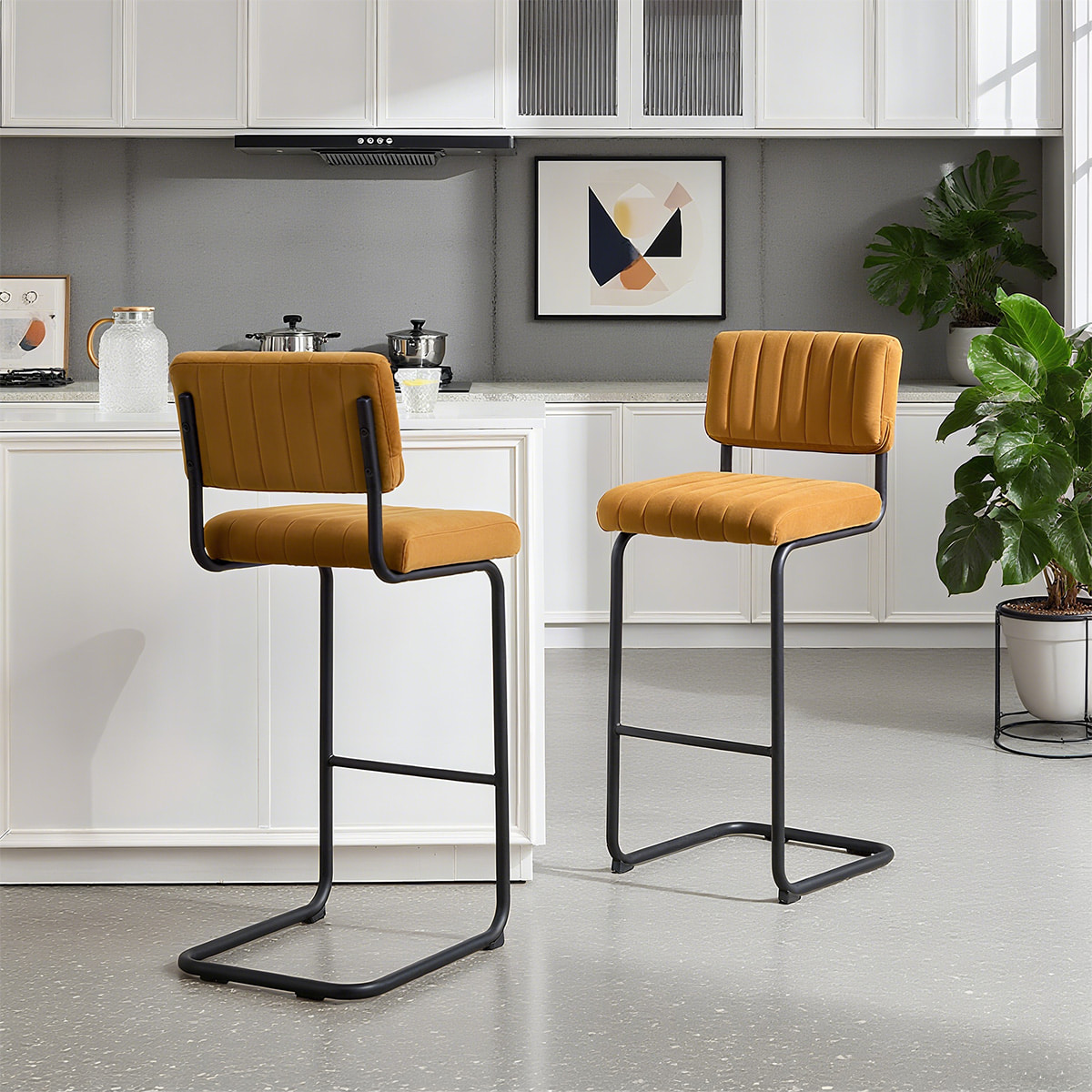
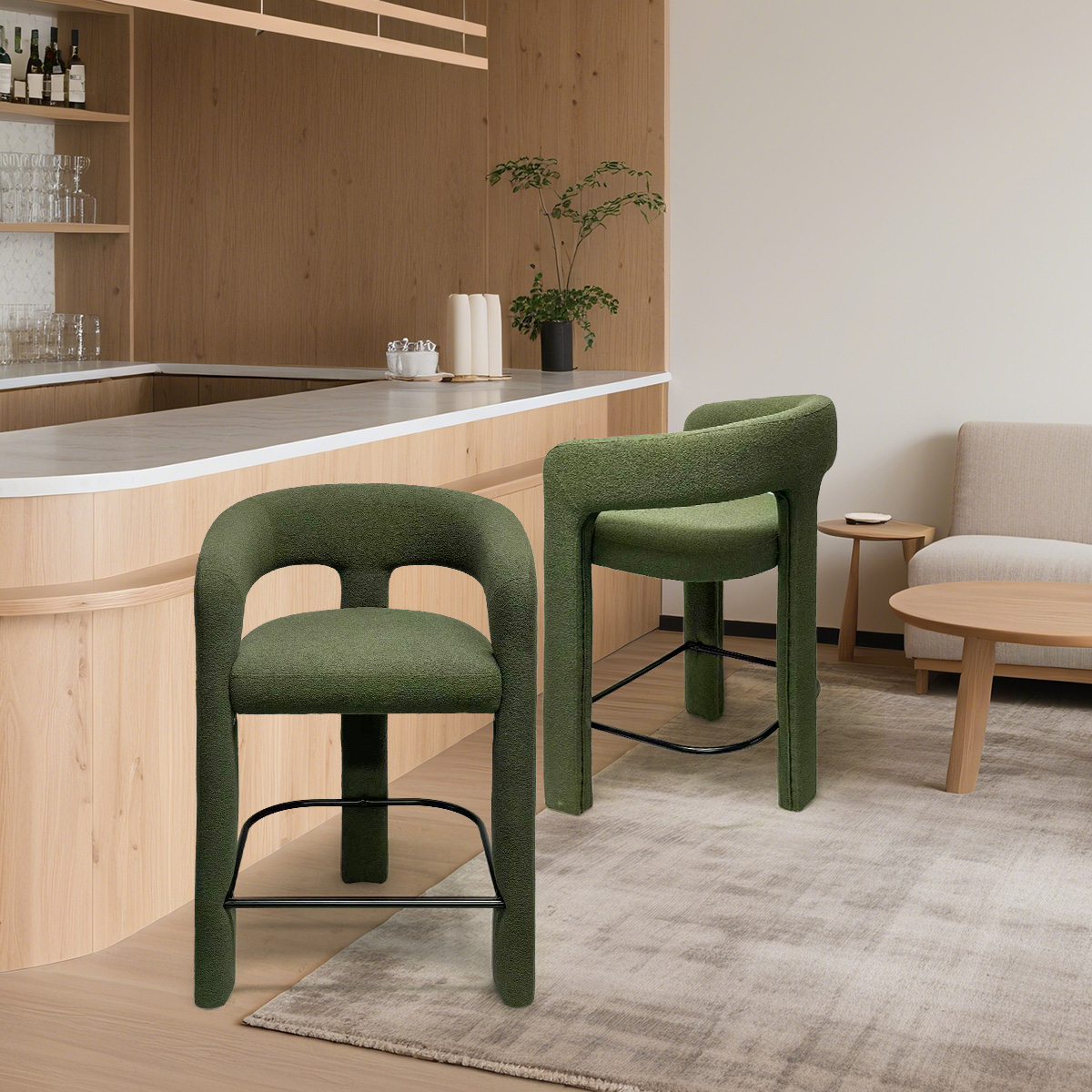
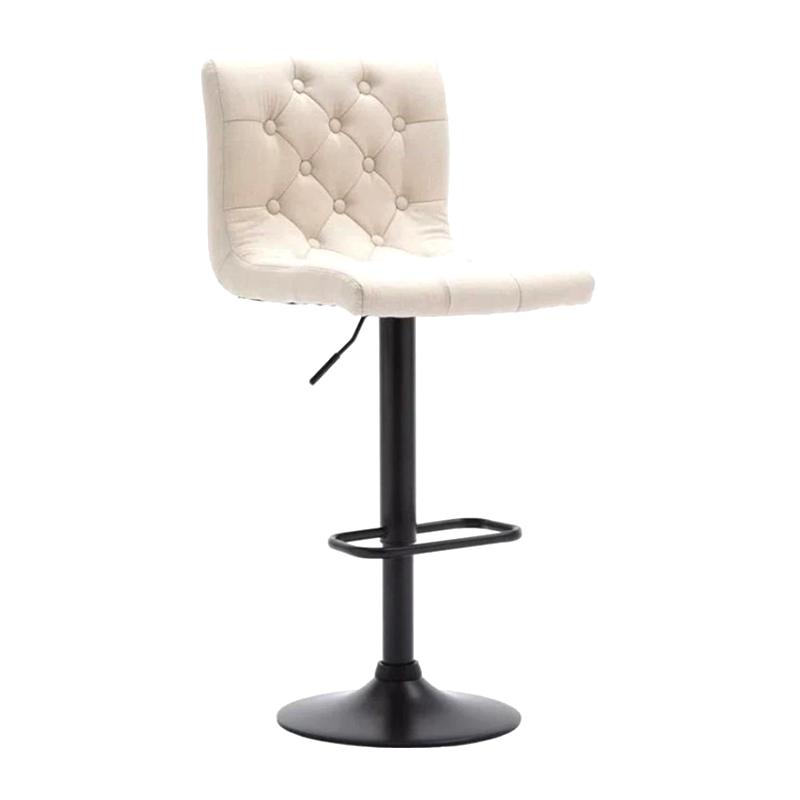
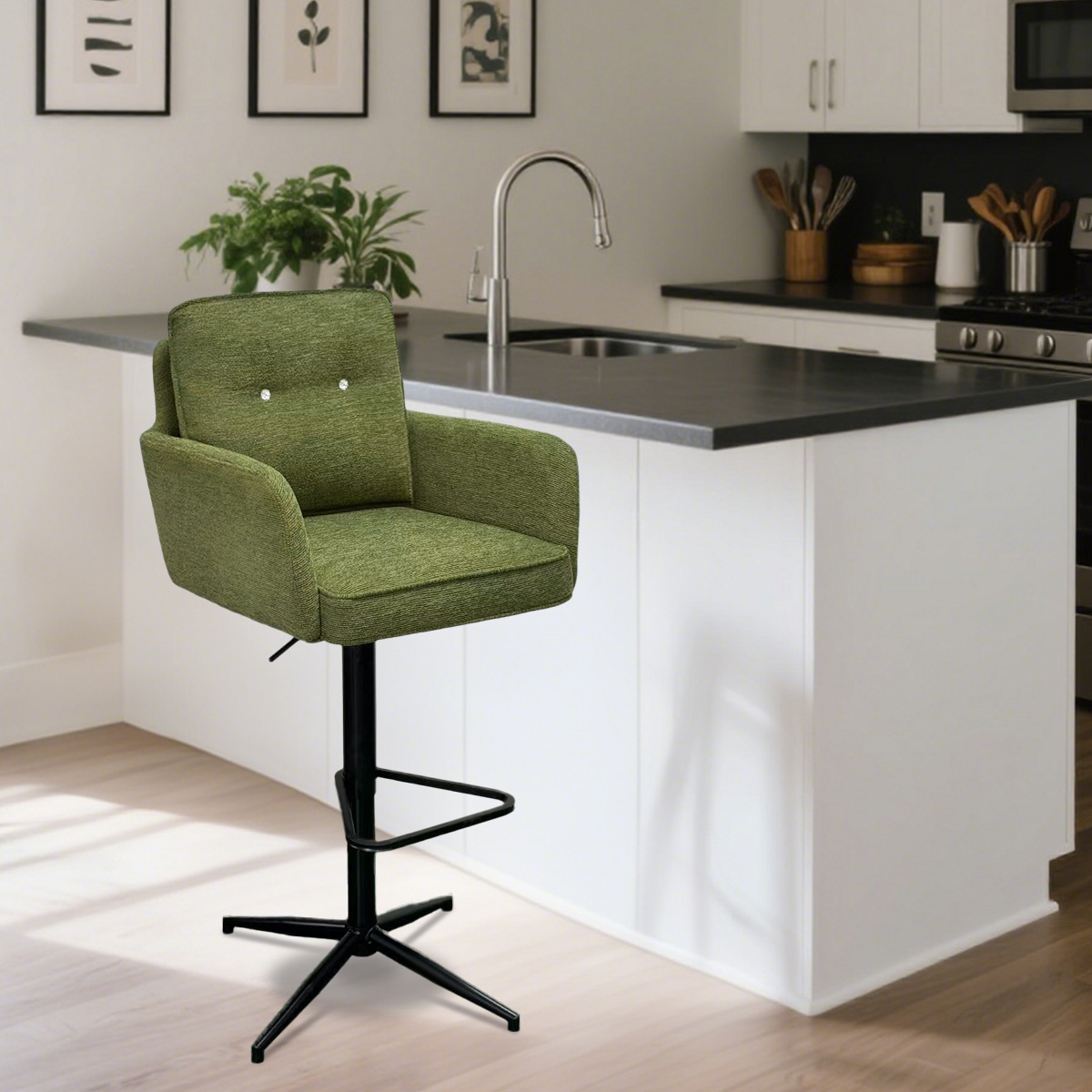
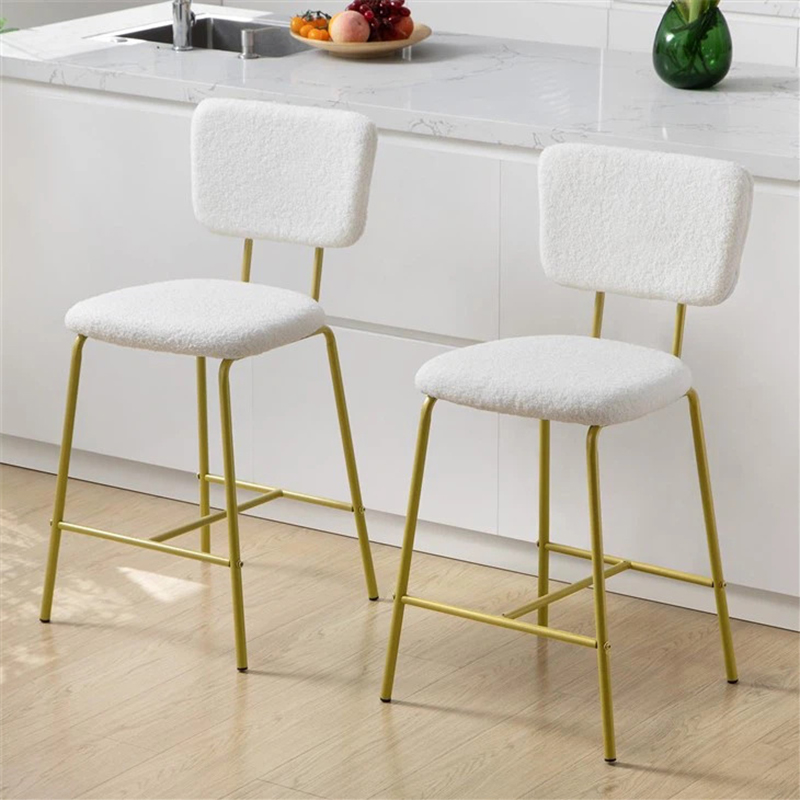
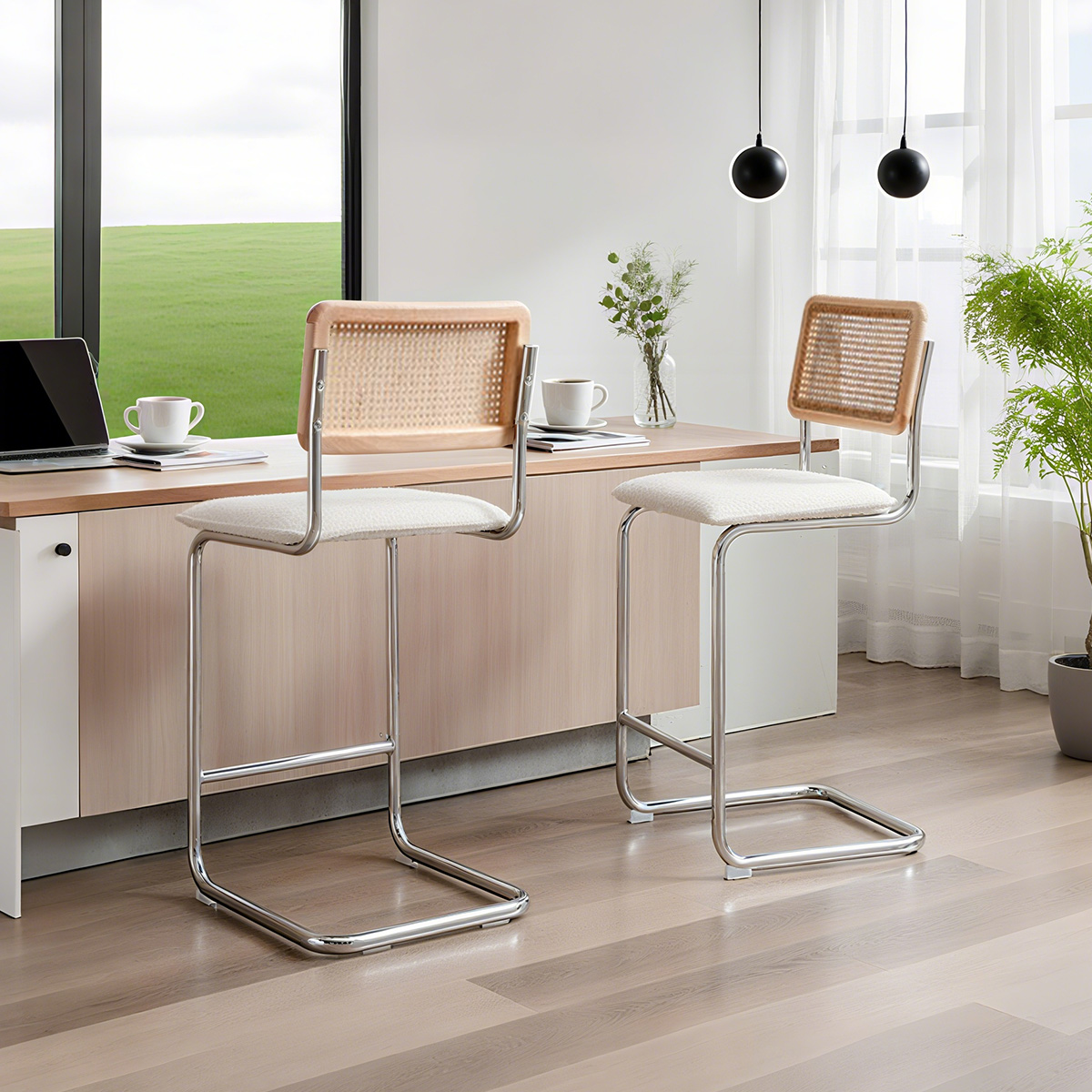
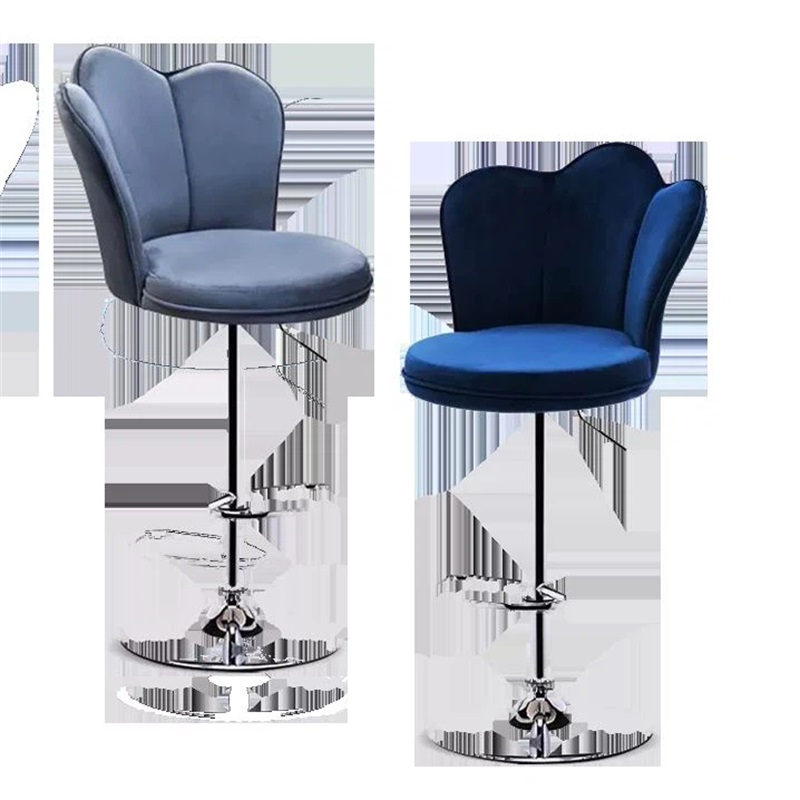
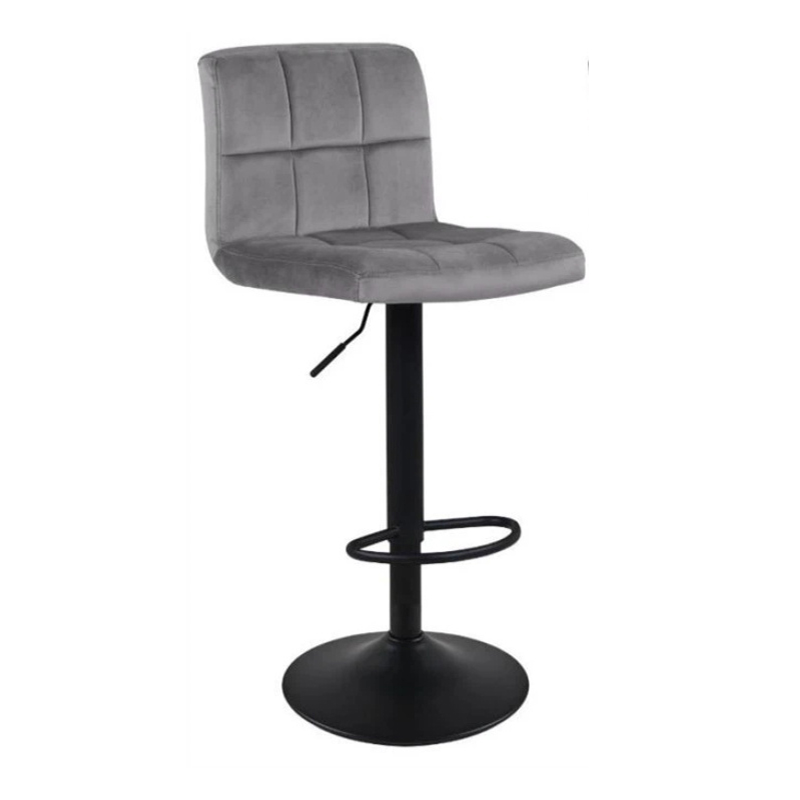
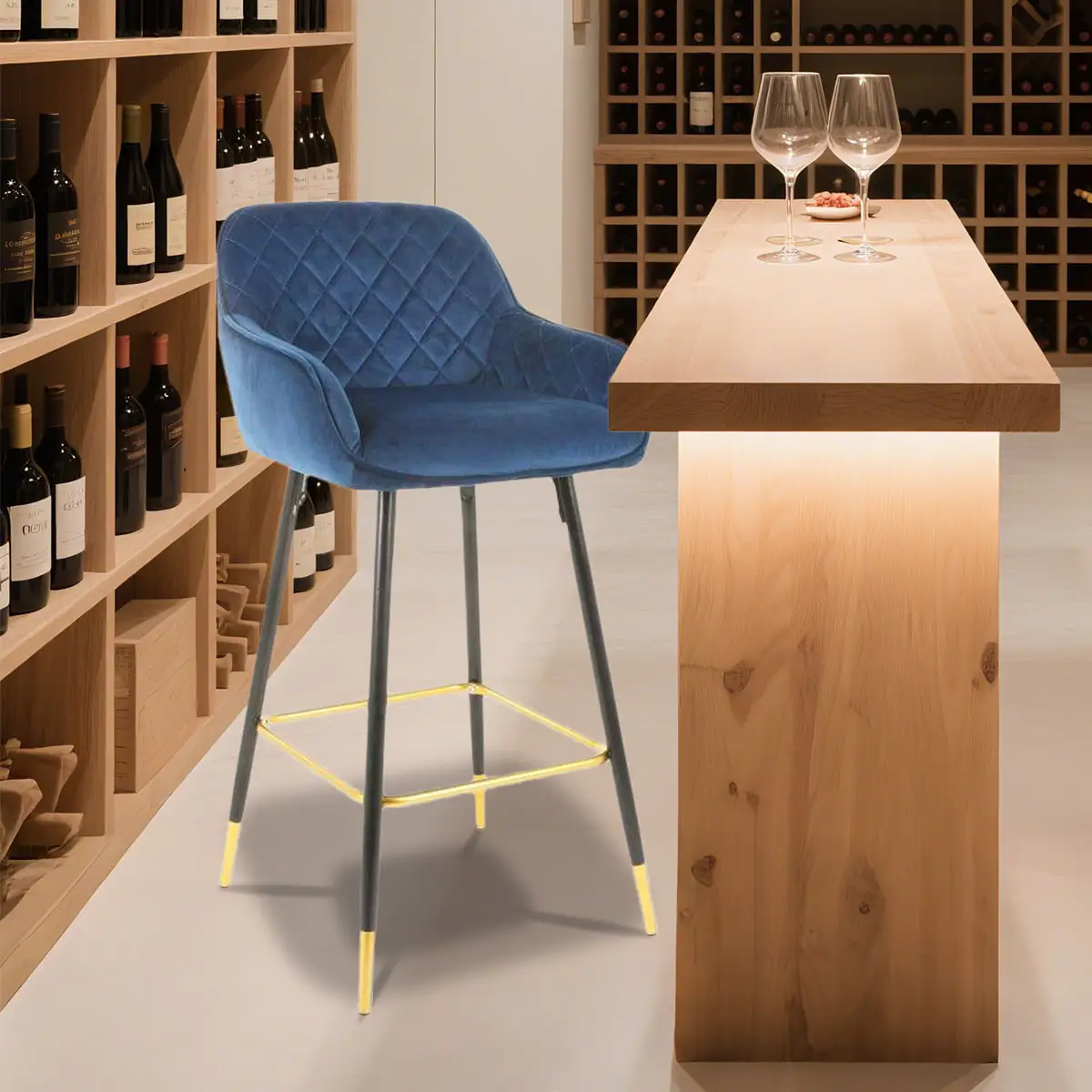
Upholstered Bar Stools with Backrests are designed for commercial and residential seating environments where seating comfort, structural support, and coordinated furniture design are required. They typically combine a padded seat, upholstered surface, supportive backrest, and a base made from metal or wood. Depending on the model, upholstery materials may include fabric, velvet, PU leather, or genuine leather, while frame configurations can feature four legs, pedestal bases, or footrest-supported structures.
For furniture importers, wholesalers, hospitality suppliers, and commercial project buyers, these bar stools can be specified according to seat height, backrest dimensions, upholstery material, frame finish, and color requirements. Manufacturers can also adjust selected structural and finishing details to meet different market requirements, interior design specifications, and bulk purchasing plans.
Seat upholstery, backrest structure, frame material, height, and finishing options can be coordinated according to project specifications.
Key Advantages of Upholstered Bar Stools with Backrests
Backrest Support
The backrest provides additional upper-body support compared with backless bar stools. Its height, angle, and shape can be specified according to the intended seating application.
Padded Seating Surface
Foam padding beneath the upholstery provides a cushioned seating surface. Foam density and thickness can be adjusted according to product design and expected usage frequency.
Multiple Upholstery Options
Fabric, velvet, PU leather, and other upholstery materials allow buyers to coordinate the seating surface with different interior styles and maintenance requirements.
Frame Configuration
Metal and wooden frames support different structural designs. Leg arrangements, footrests, base finishes, and connection methods can vary by model.
Product Features and Structural Components
Material selection and structural configuration influence durability, maintenance, seating dimensions, and suitability for different commercial environments.
Seat Cover and Cushion Construction
The seat generally consists of an internal support board, cushioning material, and an external upholstery layer. Material selection should consider abrasion resistance, cleaning methods, color consistency, and expected usage frequency.
Backrest Shape and Support
Backrests may feature low, medium, or extended profiles, with curved, rectangular, or contoured shapes. The backrest structure and attachment points should be evaluated for stability and repeated-use requirements.
Metal or Wooden Frame
Metal frames commonly use steel or other specified metal materials, while wooden structures can incorporate solid wood or engineered wood components. Frame design determines load distribution, assembly requirements, and surface finishing options.
Foot Support and Ground Contact
Footrests provide a resting point for users and can be integrated into the frame. Floor-contact components, including protective glides, should be selected according to the flooring material and installation environment.
Where Are Upholstered Bar Stools with Backrests Used?
Different seat heights, upholstery materials, and frame configurations allow these stools to serve a range of hospitality, retail, and residential furniture projects.
Bars and Pubs
Used at bar counters and high tables, where upholstered seats and backrests provide additional seating support for customers.
Restaurants and Cafes
Suitable for counter seating areas, breakfast bars, and high dining tables. Upholstery and frame finishes can be coordinated with the overall furniture scheme.
Hotels and Hospitality Projects
Used in hotel bars, lounge counters, and guest entertainment areas. Commercial buyers can specify upholstery materials and structural requirements for project use.
Kitchen Islands and Home Bars
Designed for residential counter seating, kitchen islands, and home entertainment spaces, with dimensions selected to match the counter height.
Commercial Interior Projects
Used in office cafeterias, showroom reception areas, and shared dining spaces where high seating is part of the interior layout.
Furniture Retail and Wholesale
Suitable for furniture distributors and retailers sourcing different upholstery colors, frame finishes, and product configurations for their sales markets.
Important Specifications for Bulk Purchasing
Before placing a bulk order, buyers should confirm the following specifications to reduce dimensional mismatches, material inconsistencies, and installation issues.
| Specification | Details to Confirm | Procurement Considerations |
|---|---|---|
| Seat Height | Counter-height or bar-height configuration | Measure the finished counter height and allow sufficient clearance between the seat and counter underside. |
| Upholstery Material | Fabric, velvet, PU leather, or other specified materials | Confirm abrasion resistance, cleaning requirements, color, and material specifications. |
| Foam Construction | Foam density, thickness, and cushioning structure | Check whether the cushioning specification matches the intended frequency of use. |
| Frame Material | Metal, solid wood, or engineered wood | Review structural connections, surface treatment, and load-bearing test requirements. |
| Backrest Design | Backrest height, width, shape, and angle | Confirm seating support and the dimensional relationship between the backrest and seat. |
| Packaging | Assembled or knock-down packaging | Evaluate carton dimensions, protection materials, assembly instructions, and shipping volume. |
Seat height should be measured from the floor to the top surface of the seat. Buyers should also check the distance between the seat and the counter underside. A preliminary clearance of approximately 250–300 mm is commonly used as a starting reference, but the final dimension should be confirmed against the actual counter design and user requirements.
Frequently Asked Questions About Upholstered Bar Stools
Common technical and purchasing questions from furniture importers, distributors, and commercial project buyers.
What is the difference between counter-height and bar-height upholstered stools?
Counter-height stools are generally designed for counters around 900 mm high, while bar-height stools are commonly used with counters around 1,050–1,100 mm high. Actual seat heights vary by product design. Buyers should confirm counter dimensions before selecting a model.
Which upholstery materials are available for bar stools with backrests?
Common options include polyester fabric, velvet, PU leather, and genuine leather. The appropriate material depends on cleaning procedures, expected wear, appearance requirements, and purchasing budget. Material samples can be reviewed before bulk production.
Can upholstered bar stools be manufactured in different colors?
Color options depend on the selected upholstery material, supplier availability, and order quantity. Buyers should provide reference colors, fabric samples, or specified color codes for confirmation before production.
Are upholstered bar stools with backrests suitable for commercial use?
They can be specified for restaurants, hotels, bars, and other commercial environments. Buyers should evaluate frame construction, joint strength, upholstery wear resistance, load-bearing requirements, and applicable commercial furniture testing standards.
What should importers check before ordering bar stools in bulk?
Importers should confirm product dimensions, seat height, upholstery specifications, frame materials, finish samples, packaging dimensions, assembly requirements, order quantity, and inspection criteria. A pre-production sample can help verify product details before mass manufacturing.
Can the frame and backrest structure be adjusted for furniture projects?
Depending on manufacturing capabilities, selected dimensions, frame finishes, backrest shapes, and upholstery details can be adjusted. Buyers should provide drawings, reference images, or dimensional specifications so the manufacturer can evaluate tooling, structural feasibility, and production requirements.
Discuss Your Upholstered Bar Stool Requirements
For furniture distributors, wholesalers, hospitality suppliers, and commercial project buyers, product specifications should be established before quotation and production. Provide your required seat height, upholstery material, frame configuration, estimated order quantity, and destination market to support product evaluation and quotation preparation.


