Content
Well-made Dining Chairs come from a sequence most buyers never see: material selection, frame construction, ergonomic shaping, upholstery, finishing, quality inspection, packaging, and shipment preparation. For B2B buyers, the manufacturing process is only part of the decision. Order consistency, production lead time, packaging efficiency, customization capability, and delivery reliability can also affect the total value of a dining chair project.
The material chosen for a dining chair frame shapes its appearance, strength, and service life before a single component is cut. For commercial and hospitality buyers, material selection also affects maintenance requirements, shipping weight, product positioning, and long-term operating costs.
Natural appearance and structural stability, common in residential, hotel, and hospitality dining environments.
High strength and modern appearance, favored in restaurants, cafes, and commercial spaces with frequent use.
Lightweight, easy to clean, and available in a wide color range for modern dining and selected outdoor seating applications.
Six production stages turn raw material into a finished, tested dining chair, each one addressing a different requirement of strength, comfort, appearance, and dimensional consistency.
Legs, backrests, and seat supports are precision cut for accurate dimensions and stable assembly.
Components join through wood joints, welding, or reinforced connections for weight support and durability.
Seat height, backrest angle, and seat depth are set to support posture during extended dining use.
Foam or high-density sponge is fitted, then covered with fabric, leather, or synthetic leather.
Sanding, staining, and coating protect wood, while powder coating protects metal from oxidation and wear.
Frame alignment and connection strength are checked to prevent wobbling, loose joints, and dimensional inconsistencies.
A dining chair frame that passes assembly inspection but skips load and stability testing is still an unfinished product. Appearance alone never confirms structural safety or long-term commercial performance.
Quality testing is especially important for B2B dining chair orders because buyers may receive hundreds or thousands of units that need to maintain consistent specifications and appearance. A reliable quality control process should evaluate both individual chair performance and batch consistency.
Illustrative Load Capacity Comparison
Example comparison only. Actual load capacity should be confirmed according to the specific dining chair model, construction, testing method, and manufacturer's test results.
For B2B buyers, the difference between standard and higher-quality dining chairs is not limited to appearance. Frame strength, comfort, surface treatment, inspection procedures, and expected service life can all influence the suitability of a chair for commercial projects.
Standard vs High-Quality Chair Performance
Finished chairs move into different environments, each placing different demands on the same manufacturing process.
Residential spaces use dining chairs in dining rooms, kitchens, and entertainment areas where appearance and comfort matter most. Restaurants and cafes need durable seating that can withstand frequent daily use and routine cleaning. Hotels and hospitality projects often require coordinated designs, consistent quality, and reliable supply across larger quantities.
For wholesalers and importers, the purchasing priorities may be different. Product consistency, carton dimensions, packaging protection, minimum order quantity, production lead time, and shipping efficiency can have a direct effect on inventory planning and landed cost.
When purchasing dining chairs for wholesale, hospitality, restaurant, hotel, or commercial projects, evaluating the product alone is not enough. Buyers should also evaluate whether the manufacturer can support the complete order from sample approval through bulk production and shipment.
MOQ affects purchasing flexibility, inventory investment, and the feasibility of launching a new chair model. Buyers should confirm the MOQ for standard products and customized orders separately.
Lead time should be evaluated together with order quantity, customization requirements, material availability, and production scheduling rather than as a fixed number for every model.
For bulk orders, consistent dimensions, upholstery, color, frame construction, and finishing are often more important than the appearance of a single sample.
OEM and ODM support can be important when buyers need specific fabrics, colors, frame finishes, dimensions, logos, labels, or retail packaging.
Packaging should protect the chair during handling and international transportation while using carton space efficiently.
Carton dimensions, packing method, nesting or knock-down design, container utilization, and shipping method can influence the final landed cost.
Packaging and logistics are often overlooked during product evaluation, but they can significantly influence the cost and condition of a bulk dining chair order. B2B buyers should discuss packaging specifications with the manufacturer before confirming production.
| Logistics Factor | What B2B Buyers Should Check |
| Individual Packaging | Whether each chair is individually packed and whether foam, protective materials, or other internal protection are required. |
| Carton Dimensions | Carton length, width, height, and gross weight should be confirmed because they affect warehouse handling and freight calculations. |
| Stacking or Nesting | Check whether chairs can be stacked, nested, or shipped in knock-down form to improve space utilization. |
| Loading Efficiency | Buyers should consider how many cartons or chairs can be loaded into the selected shipping unit and how the packing method affects available space. |
| Protection During Transit | Packaging should reduce the risk of scratches, crushed cartons, upholstery damage, frame deformation, and surface damage during transportation. |
| Shipping Documentation | Commercial invoices, packing information, product specifications, labeling, and other required export documents should be confirmed before shipment. |
For B2B purchasing, the lowest unit price does not always mean the lowest total cost. Buyers should evaluate the complete landed cost, including product price, packaging, freight, handling, potential damage, and inventory requirements.
A structured purchasing process helps buyers reduce specification errors and avoid unnecessary delays between sample approval and final delivery.
Confirm chair style, quantity, dimensions, materials, upholstery, colors, application, target market, and packaging requirements.
Evaluate manufacturing experience, product range, customization capability, quality control, production capacity, and project support.
Review samples and confirm materials, dimensions, colors, upholstery, construction details, packaging, and other agreed specifications.
Once the specifications and sample are approved, the manufacturer can organize material preparation and bulk production.
Inspect finished products for structural performance, appearance, dimensions, upholstery, finishing, and packaging consistency.
Confirm final packing quantities, shipping documentation, loading arrangements, and delivery requirements before dispatch.
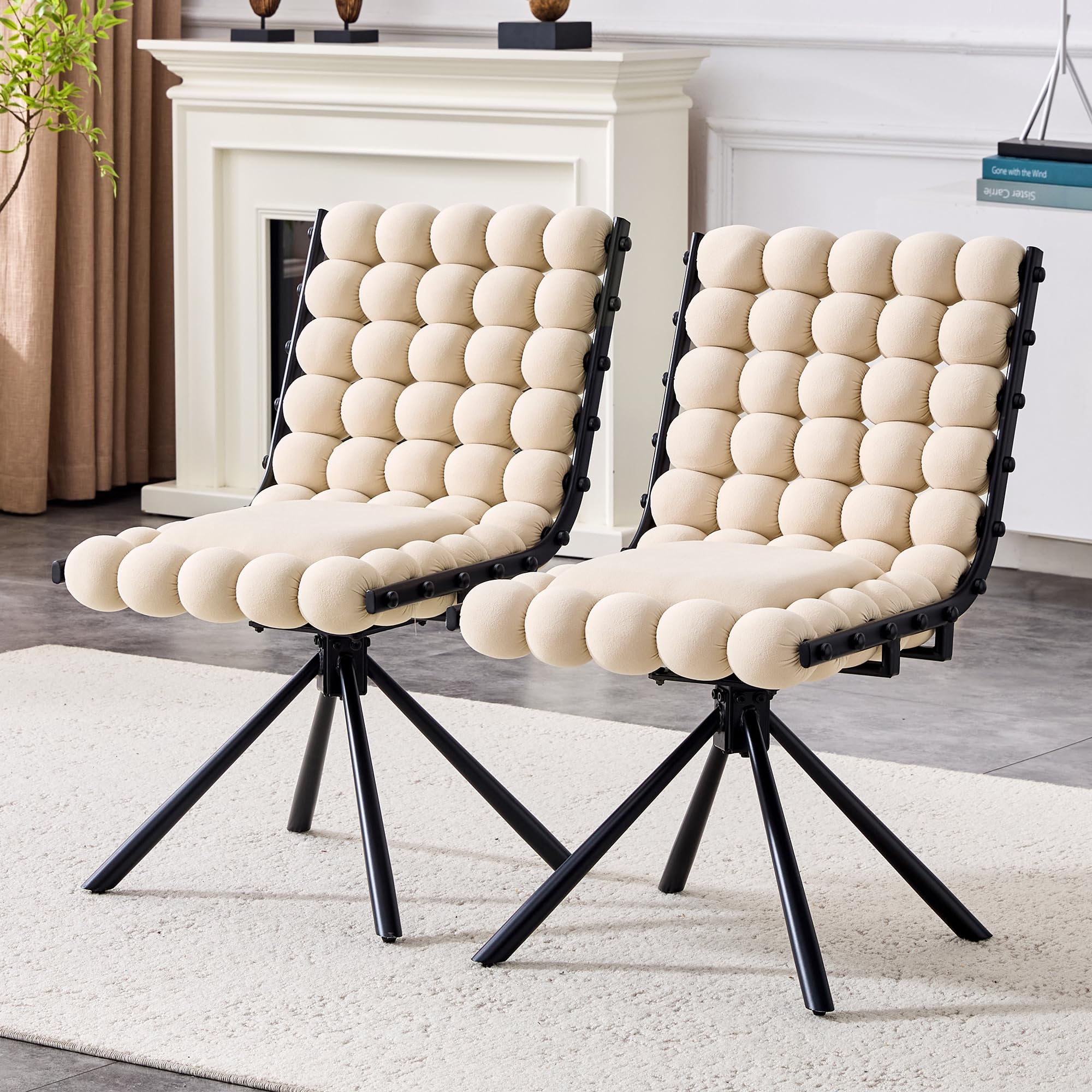
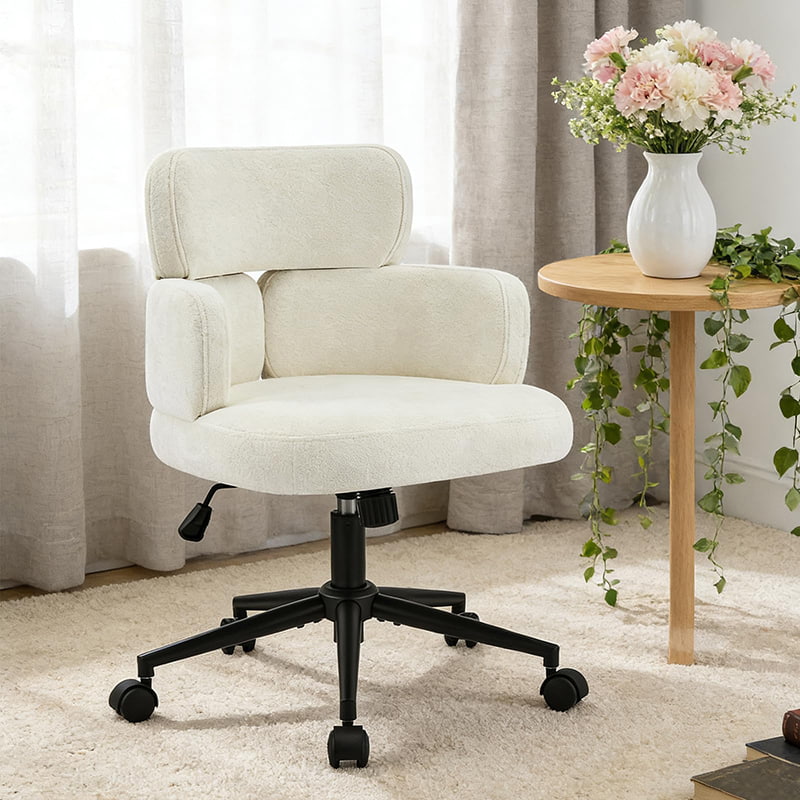
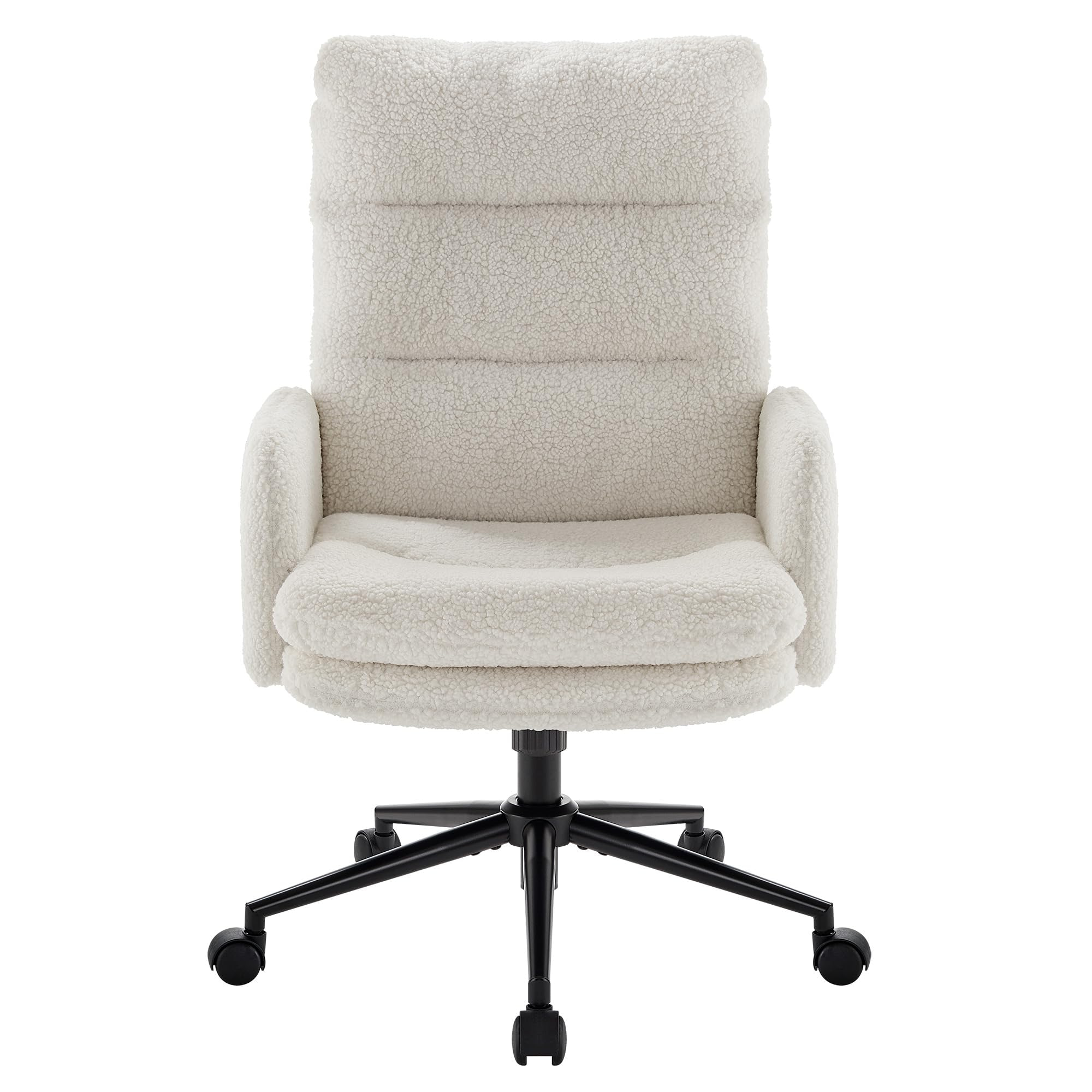
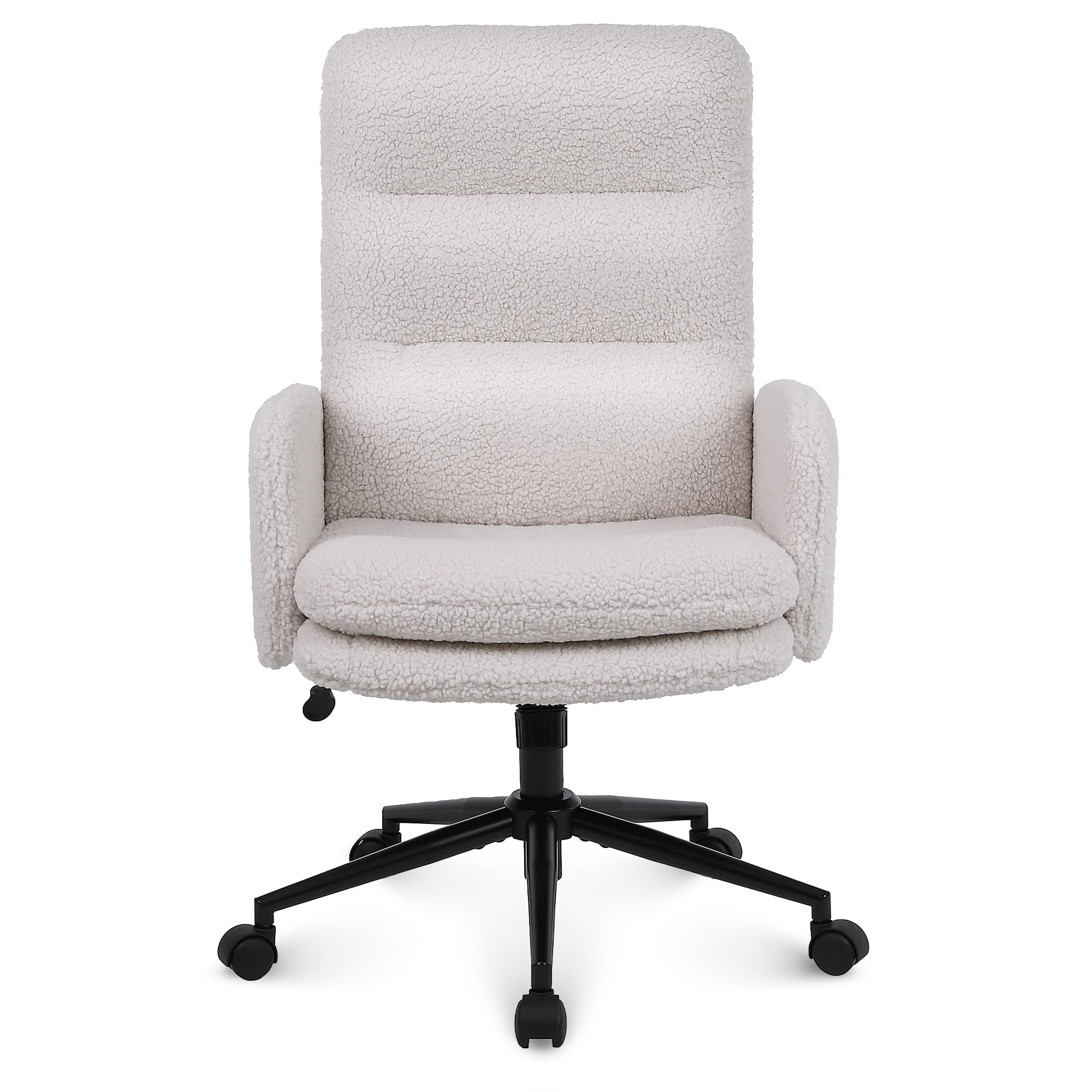
For buyers looking for a dedicated chair manufacturer rather than a general furniture trading source, Duomei provides a product-focused manufacturing option based in Anji, China. Its dining chair product range covers fabric and leather styles, swivel dining chairs, rattan designs, accent seating, and other chair solutions for residential, commercial, hospitality, and project applications.
Duomei supports OEM and ODM projects, allowing B2B buyers to discuss product specifications, upholstery, colors, finishes, and other project requirements. Its dining chair supply service is positioned toward wholesalers, importers, hotel buyers, project managers, and other commercial customers.
For buyers evaluating a supplier, the Dining Chairs product range can also be reviewed alongside the manufacturer's production and customization capabilities before moving to sample and bulk-order discussions.
Suitable for buyers who need product customization, upholstery options, colors, finishes, branding elements, or project-specific chair solutions.
A structured manufacturing and quality control process helps buyers focus on consistent product specifications across larger orders.
Dining chairs can be supplied for wholesalers, importers, hospitality projects, restaurants, hotels, and other commercial furniture requirements.
Before placing a bulk order, buyers should evaluate both the chair itself and the supplier's ability to deliver the required quantity with consistent quality and predictable logistics.
| Evaluation Area | What to Check |
| Manufacturing Experience | Production capability, quality systems, product specialization, and experience with commercial or hospitality orders. |
| Material Quality | Frame materials, upholstery quality, foam or cushioning specifications, hardware, and surface finishing. |
| Production Capacity | Ability to support the required order quantity while maintaining consistent product specifications. |
| Customization Ability | Design support, upholstery options, colors, dimensions, finishes, logos, labels, and packaging requirements. |
| Quality Control | Load testing, stability checks, durability evaluation, appearance inspection, and batch consistency procedures. |
| MOQ and Lead Time | Minimum order quantity and production schedule for the selected model, materials, and customization requirements. |
| Packaging and Shipping | Carton dimensions, gross weight, protective packaging, packing method, loading efficiency, and shipping arrangements. |
| After-Sales Support | Communication process for product issues, replacement requirements, replenishment orders, and long-term project cooperation. |
Reliable Dining Chairs manufacturers combine strong frame construction, comprehensive quality testing, consistent production, practical packaging, and real customization support for hospitality and commercial furniture projects.
Manufacturing quality determines how a dining chair performs long after it leaves the factory floor. From material selection and frame construction to upholstery, finishing, and load testing, every stage contributes to comfort, strength, appearance, and service life.
For B2B buyers, however, product quality is only one part of the purchasing decision. MOQ, production lead time, batch consistency, customization capability, packaging, shipping efficiency, quality inspection, and after-sales communication can all influence the success of a bulk dining chair project. Evaluating these factors together helps importers, wholesalers, hospitality buyers, and project managers choose a supplier that can support both the product and the supply process.
Reinforced joints, high-quality frame materials, precise assembly, suitable structural design, and appropriate quality testing all contribute to a stronger, longer-lasting frame structure.
Manufacturers can use load testing for weight capacity, stability testing for balance, durability testing for repeated-use performance, and visual inspection for construction and finishing quality. Specific testing methods and requirements vary by product and market.
Metal can provide strong structural performance for high-traffic commercial applications, while wood offers a warmer appearance and can be well suited to residential, hotel, and hospitality interiors. The better option depends on the project environment, design requirements, maintenance expectations, and target budget.
Yes. Depending on the manufacturer, customization may include chair design, dimensions, upholstery materials, fabric or leather colors, frame finishes, logos, labels, and packaging. Buyers should confirm the available options during the sampling stage.
MOQ depends on the specific dining chair model, whether the order is standard or customized, and the manufacturer's production requirements. Buyers should confirm the MOQ for the selected model rather than assuming one MOQ applies to every chair.
Production lead time varies according to order quantity, product model, material availability, customization requirements, and factory production scheduling. The lead time should be confirmed after the specifications and order quantity are finalized.
International shipping packaging should protect the chair against scratches, impact, compression, moisture exposure, and handling damage while using carton space efficiently. Buyers should confirm carton dimensions, gross weight, internal protection, packing method, and loading arrangements before shipment.
Important points include product specifications, materials, dimensions, upholstery, color, quantity, MOQ, lead time, sample approval, quality standards, packaging, carton dimensions, shipping arrangements, labeling, and after-sales procedures.
Buyers can evaluate knock-down or space-efficient packing methods, carton dimensions, stacking or nesting possibilities, container utilization, packaging materials, and shipping arrangements. Comparing the complete landed cost rather than only the unit price can provide a more accurate purchasing assessment.
A specialized chair manufacturer may provide deeper product knowledge, more focused production processes, broader chair design options, and better support for customization and repeat orders. This can be particularly useful for wholesalers, importers, hospitality projects, and buyers managing recurring furniture requirements.
Related Products
NO.8, NO.1 Road, Sunshine Industrial Park 2, Anji County, Huzhou City, Zhejiang Province, China.
[email protected]
+86-13567991394