Content
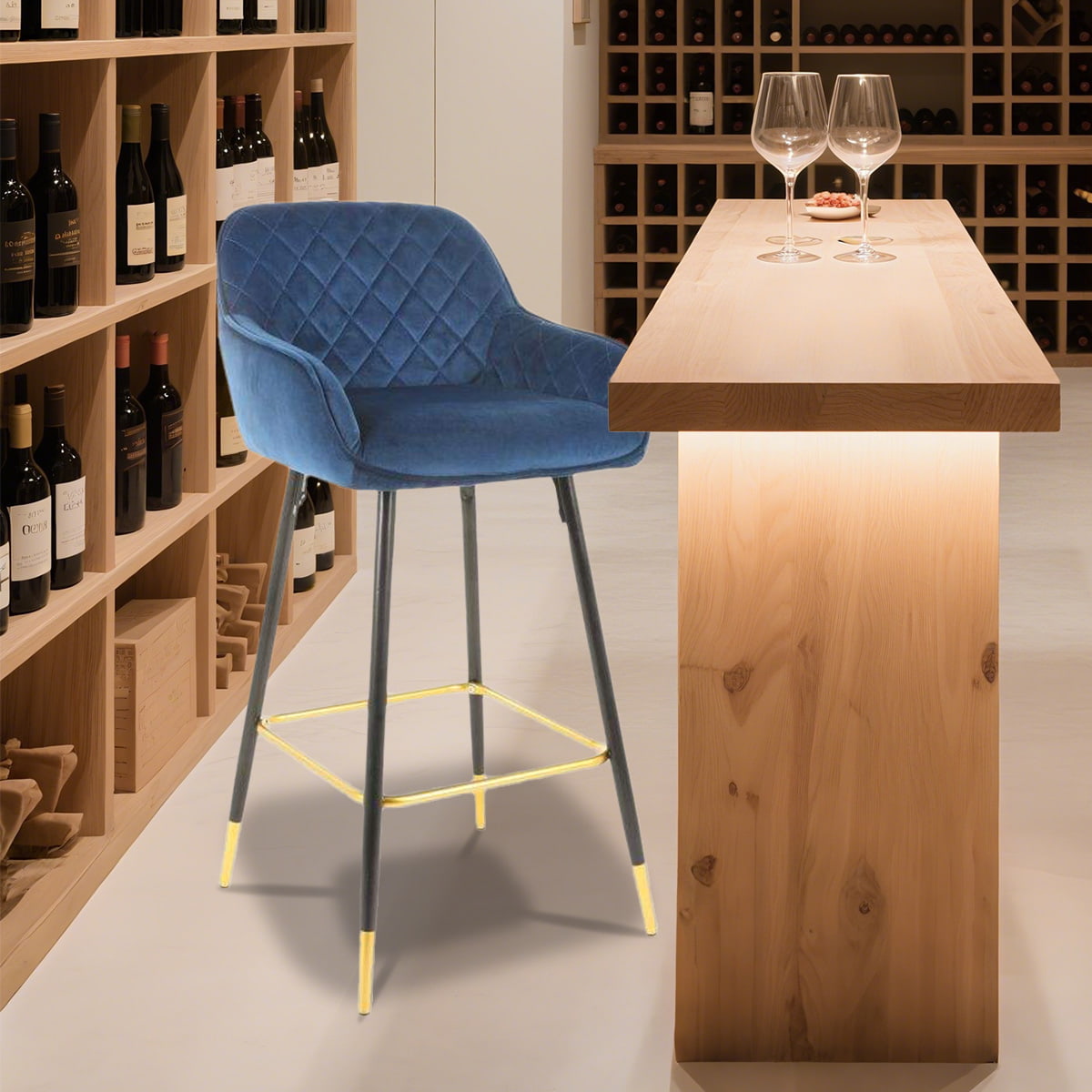
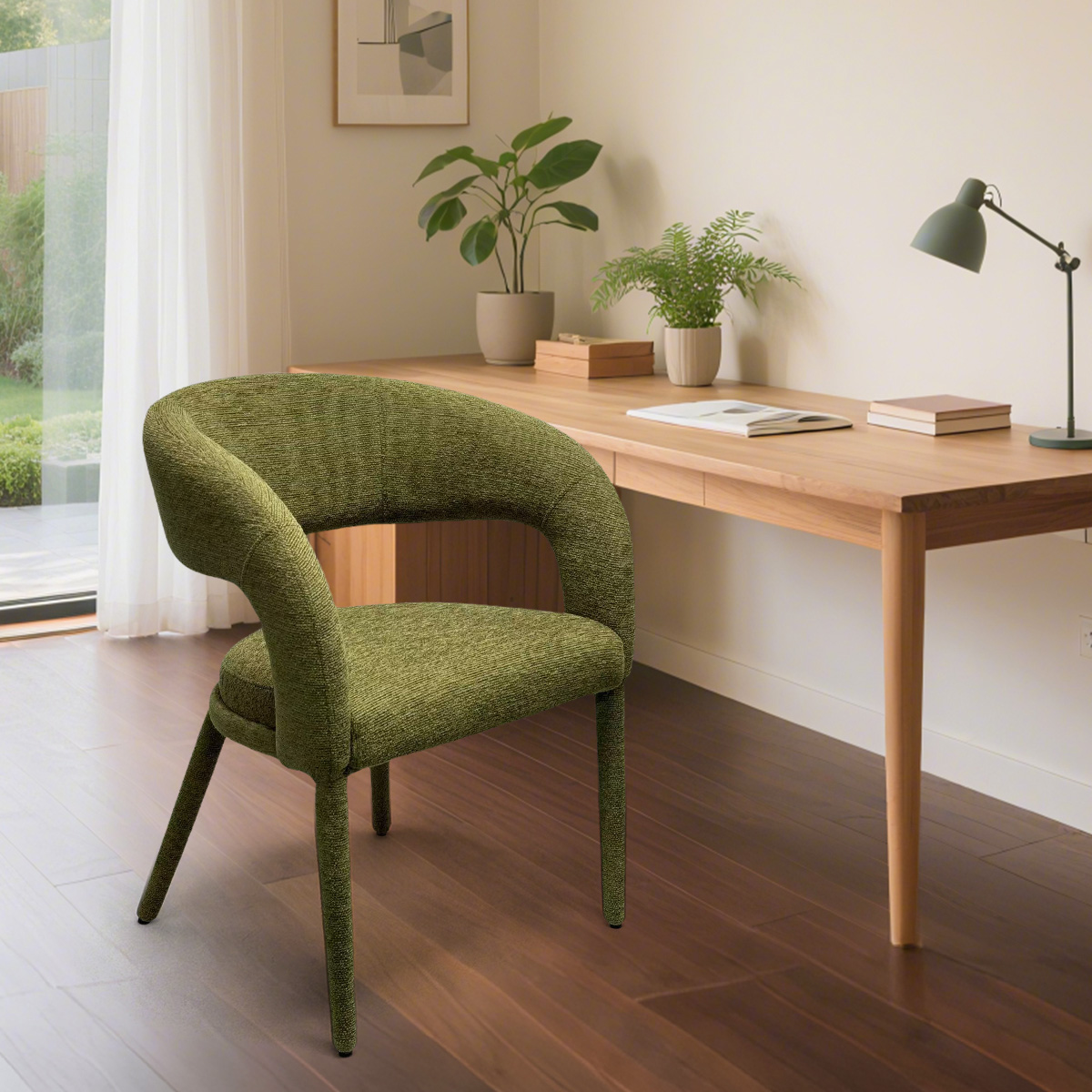
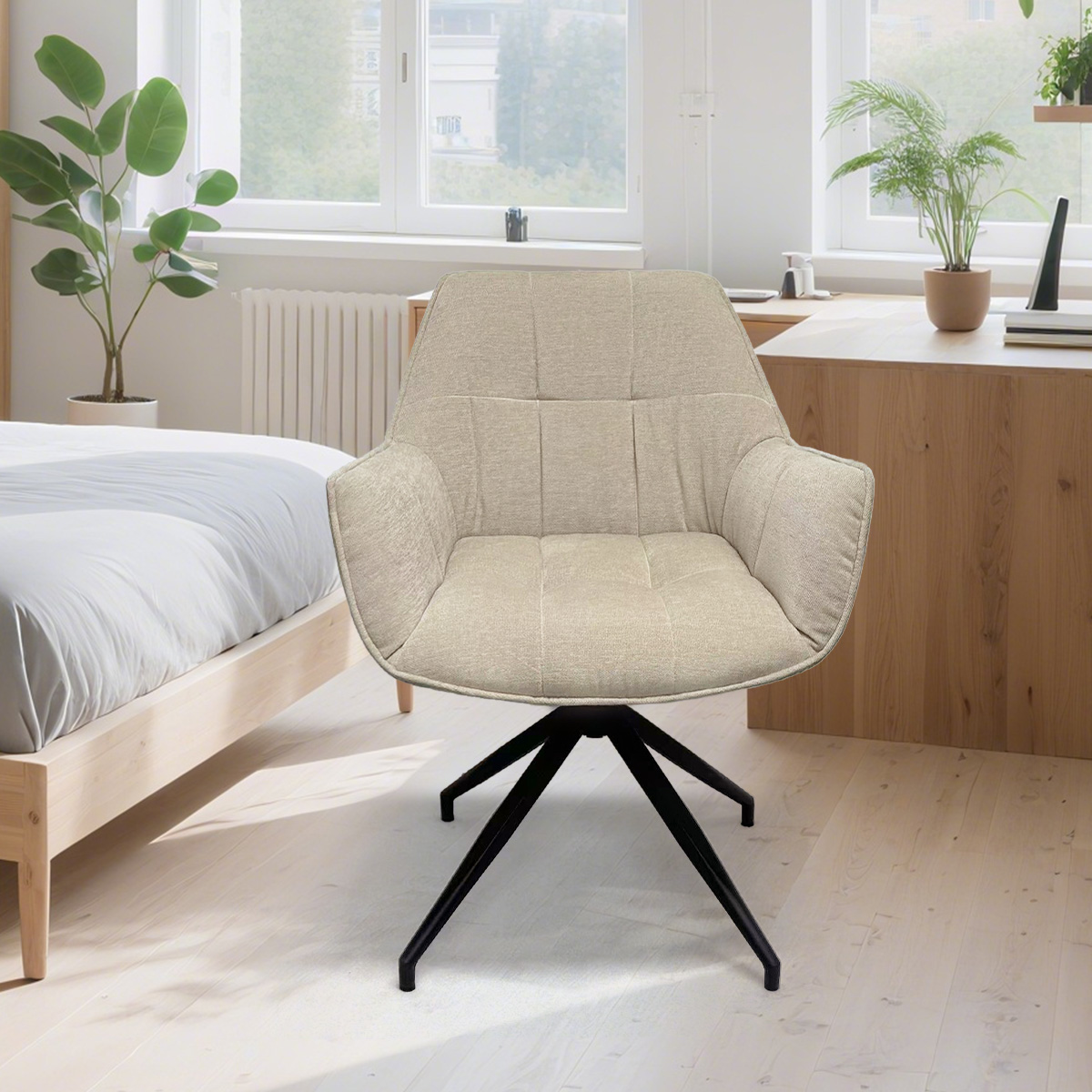
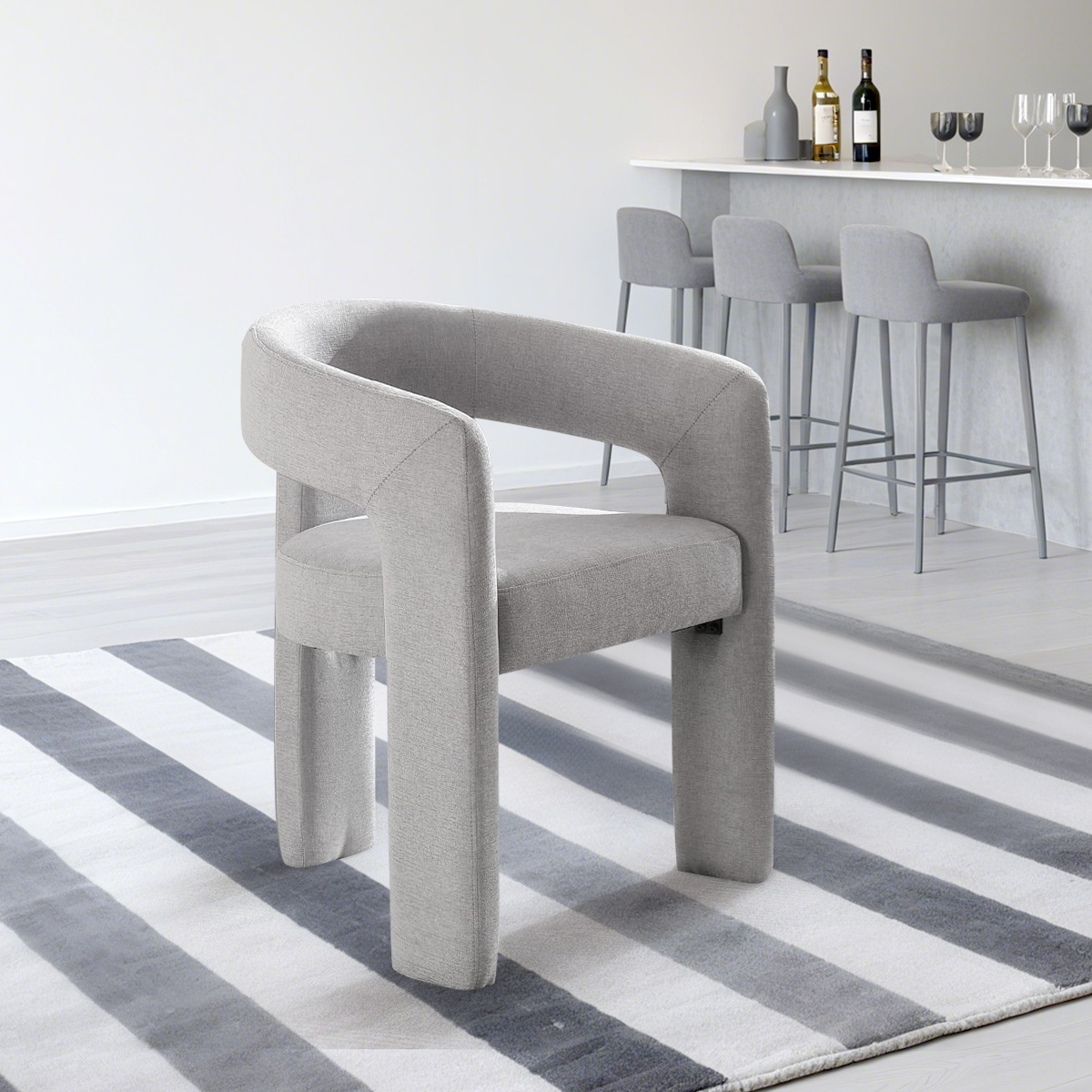
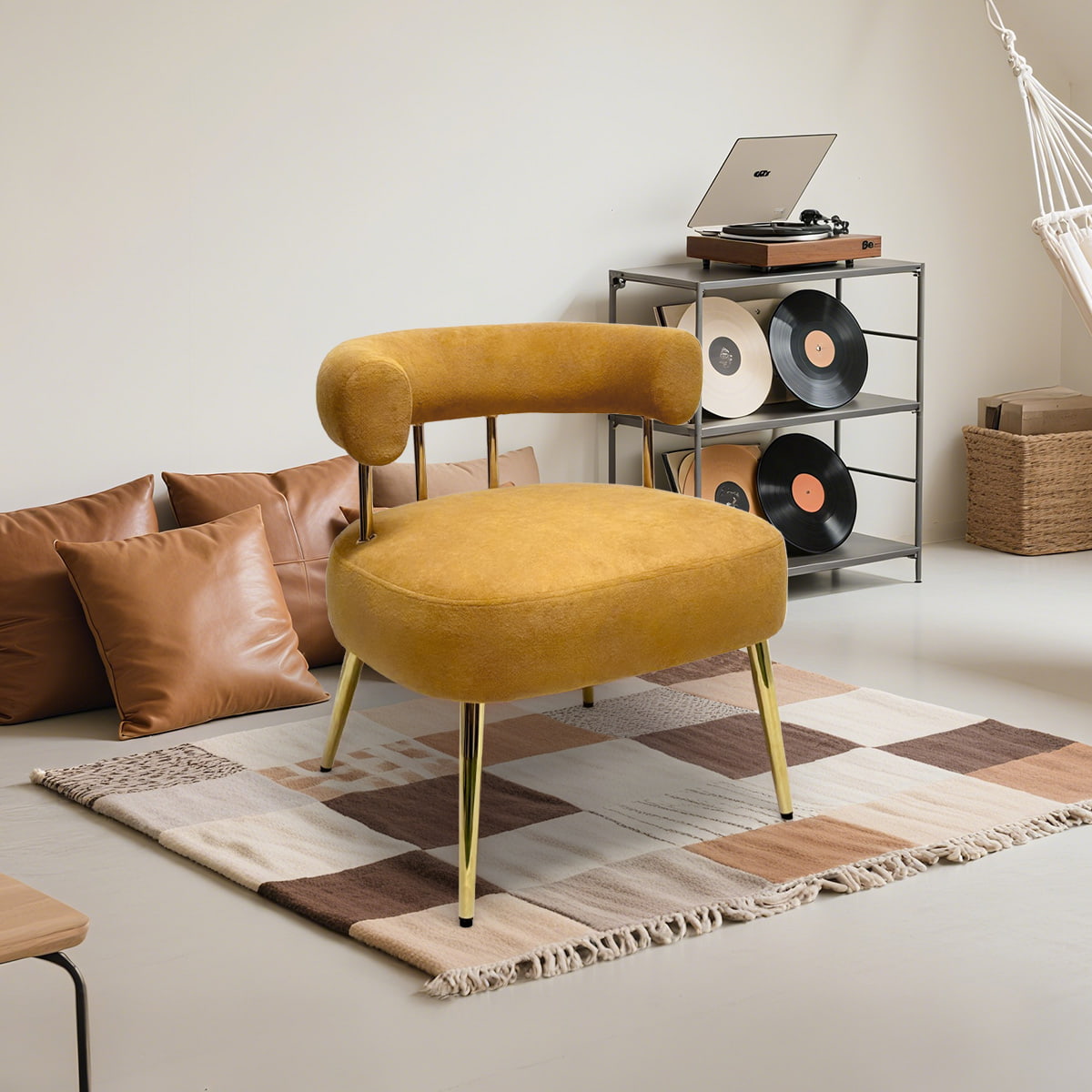
Choosing high-quality fabric dining chairs is a strategic interior decision that prioritizes long-term seating comfort and acoustic dampening. Unlike hard surfaces, upholstered dining chairs provide superior ergonomic support and introduce essential textures that soften the visual and auditory environment of a dining room. For most modern households, fabric chairs are the preferred choice due to their versatility and the availability of advanced performance textiles that resist staining and wear.
The choice between fabric and leather depends on the specific priorities of the household. While leather is often cited for its "wipe-clean" nature, fabric offers several distinct technical and comfort-based advantages.
| Feature | Fabric Dining Chairs | Leather Dining Chairs |
| Temperature Regulation | Breathable; remains comfortable in both summer and winter. | Can feel cold in winter and "sticky" in high humidity. |
| Tactile Comfort | Soft, varied textures (velvet, linen, weave). | Firm and smooth; can be prone to scratching. |
| Acoustics | Absorbs sound, reducing echoes in rooms with hard floors. | Reflects sound, potentially increasing room noise levels. |
| Customization | Infinite color and pattern possibilities. | Limited to natural hide shades or dyed pigments. |
Because dining areas are high-traffic zones prone to spills, the "best" fabric is defined by its durability rating and fiber composition. In professional upholstery, durability is measured by the Wyzenbeek or Martindale test (double rubs).
Preventative maintenance is the key to extending the lifecycle of upholstered furniture. Protecting your fabric dining chairs involves both chemical barriers and physical care routines.
Fabric Protectors: Apply a high-quality fluoropolymer-based fabric protector (such as Scotchgard or Nanotex). These treatments create an invisible molecular shield around each fiber, causing liquids to "bead" on the surface rather than soaking in. For industrial-grade protection, look for fabrics that are "solution-dyed," where the color and protection are integrated into the polymer before the yarn is even spun.
Regular Maintenance: Dust and food crumbs act as micro-abrasives. Vacuuming the chair seats once a week prevents these particles from being ground into the fibers when someone sits down, which is the leading cause of premature fabric thinning.
Technically, you can paint fabric upholstery, but it is a restorative measure rather than a standard design practice. To successfully paint a fabric dining chair, you must use specialized "textile medium" mixed with acrylic paint or dedicated fabric spray paints. This ensures the paint remains flexible and does not crack when the foam underneath is compressed. While this can refresh an old chair's appearance, it will alter the original hand-feel of the fabric, often resulting in a texture similar to outdoor canvas or vinyl.
When sourcing chairs for specific projects, consider the following environmental factors to ensure material compatibility:
| Environment | Recommended Fabric Type | Technical Reason |
| High-Traffic Family Room | Crypton or Performance Weave | Permanent stain, odor, and moisture resistance. |
| Formal Dining Room | Jacquard or Heavyweight Velvet | High visual impact and superior light-fastness. |
| Commercial/Bistro | High-Denier Polyester | Exceeds 100,000 double rubs for constant use. |
Related Products
NO.8, NO.1 Road, Sunshine Industrial Park 2, Anji County, Huzhou City, Zhejiang Province, China.
[email protected]
+86-13567991394