

 En
En English
 Français
 Español
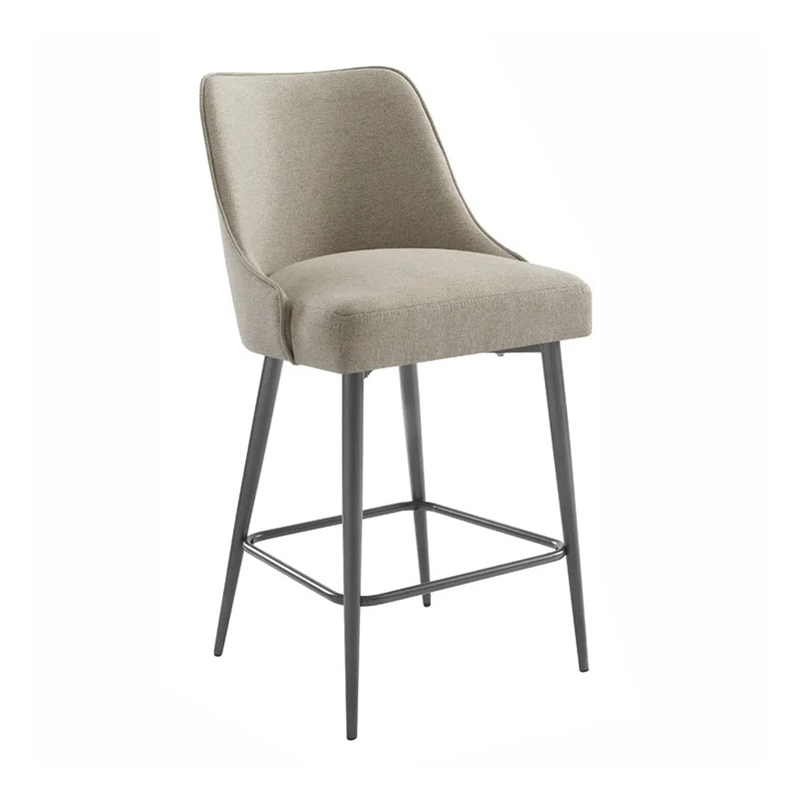
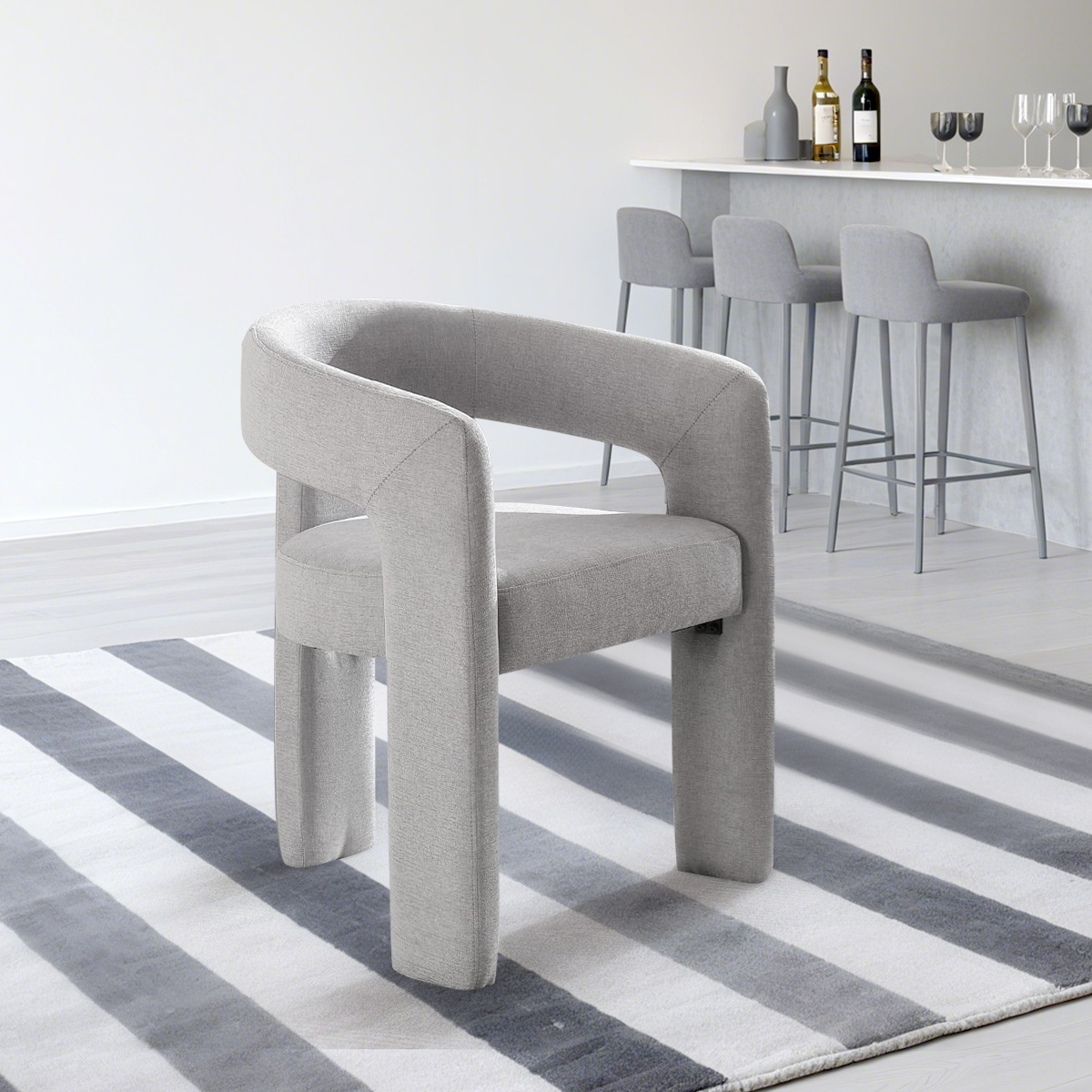
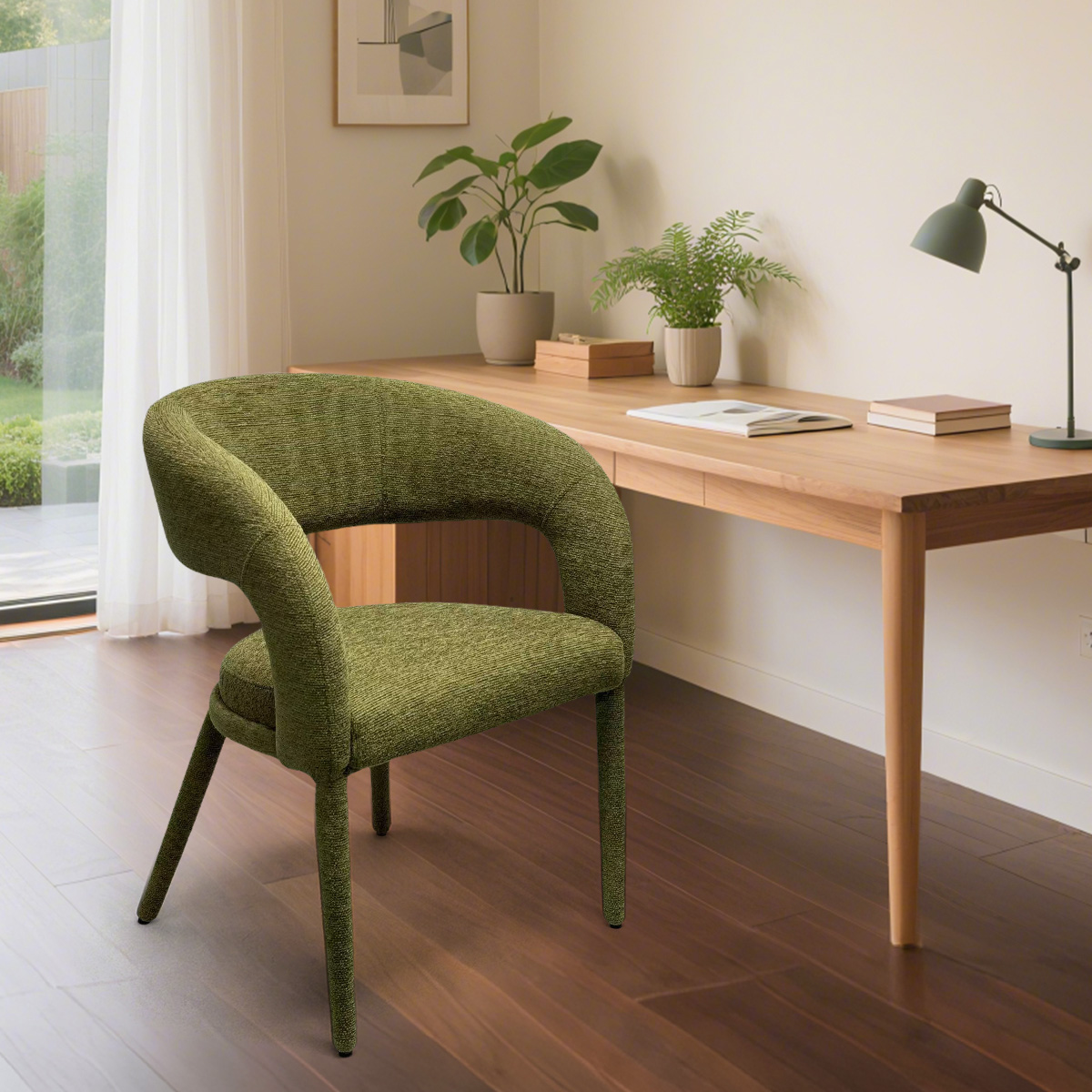
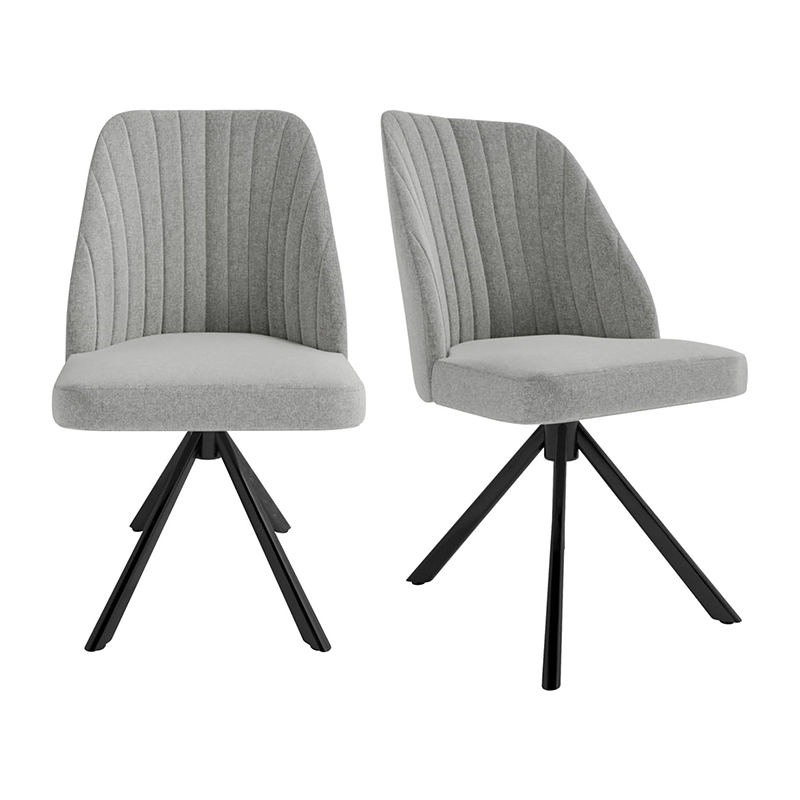
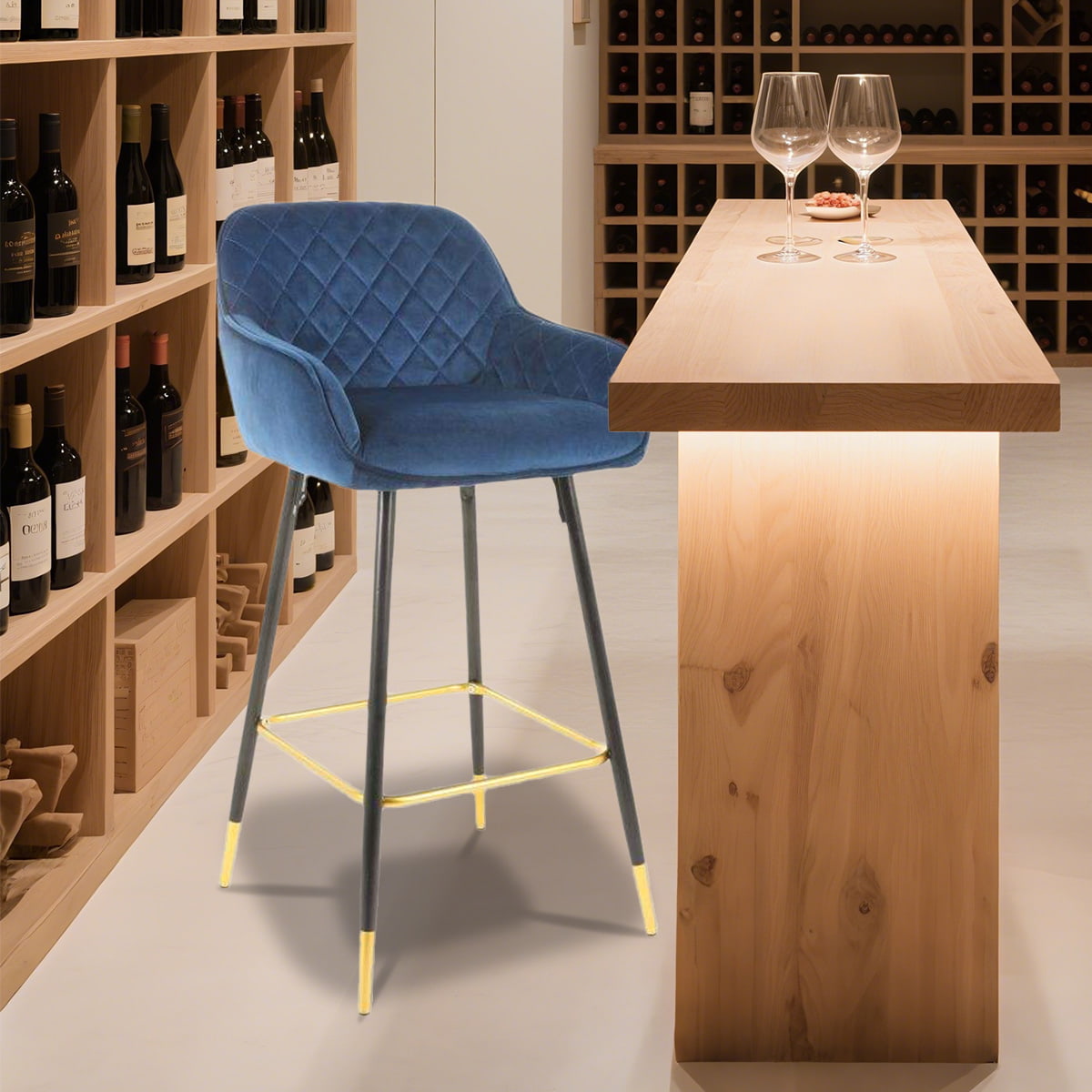
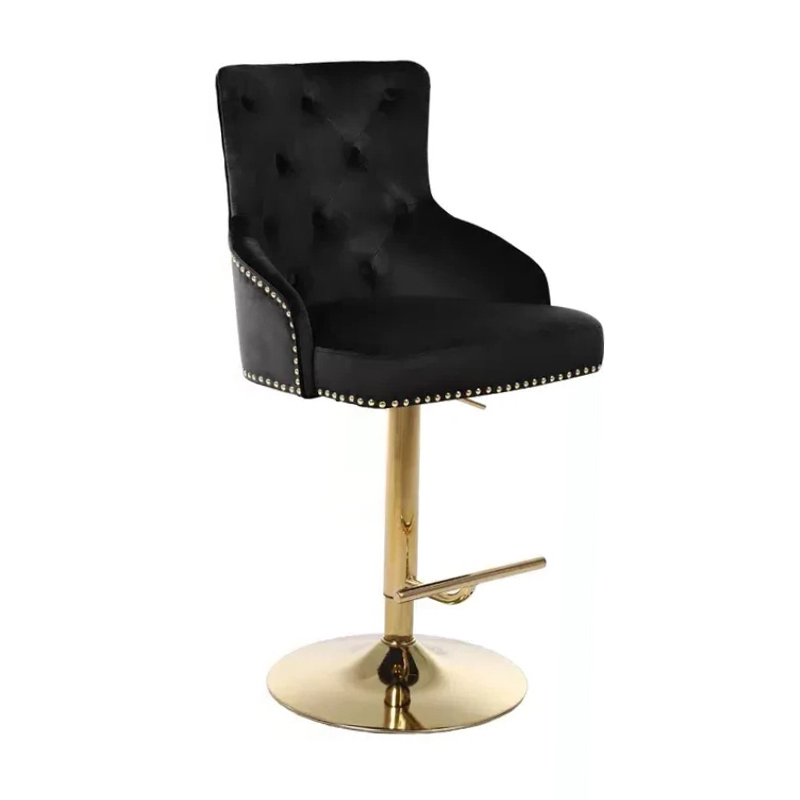
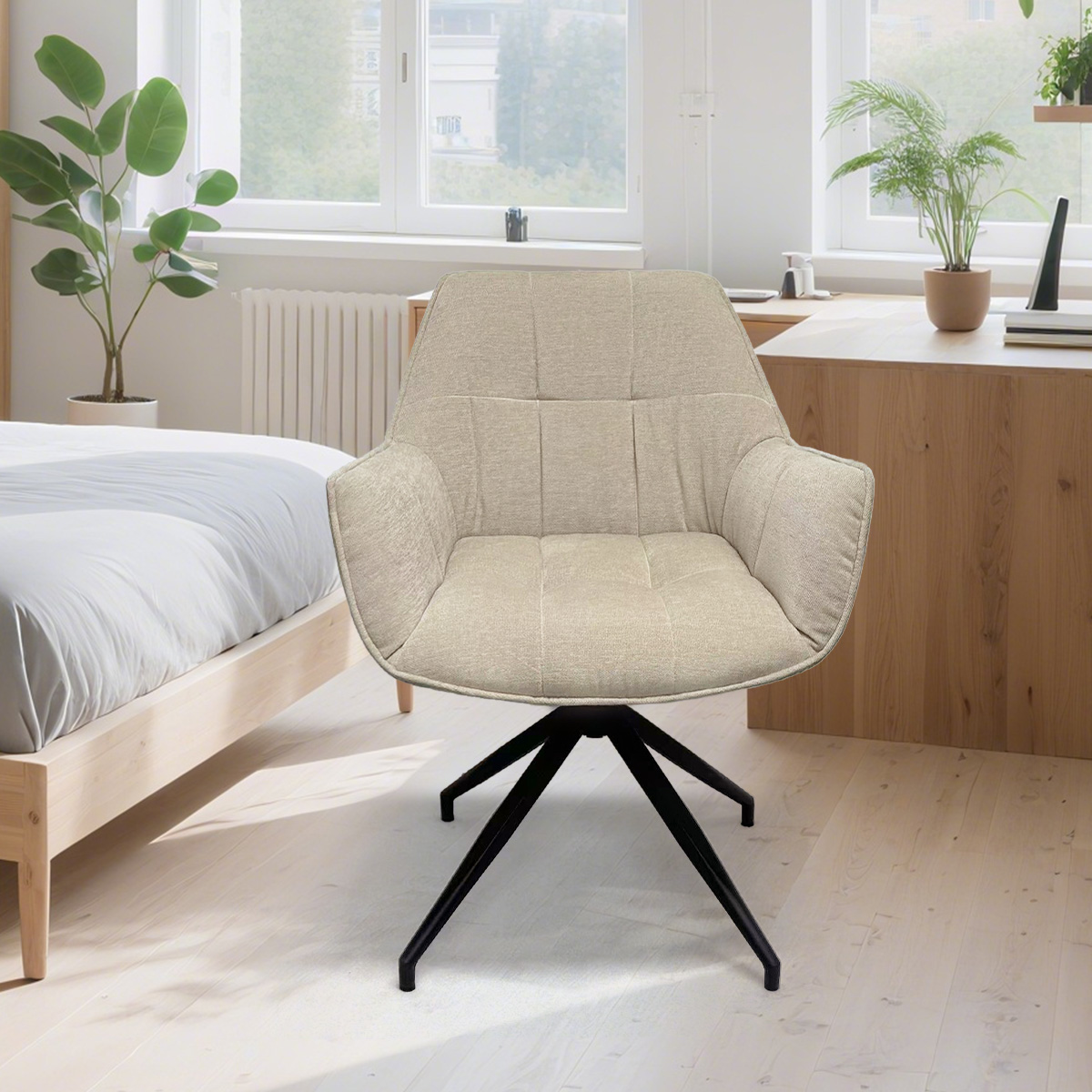
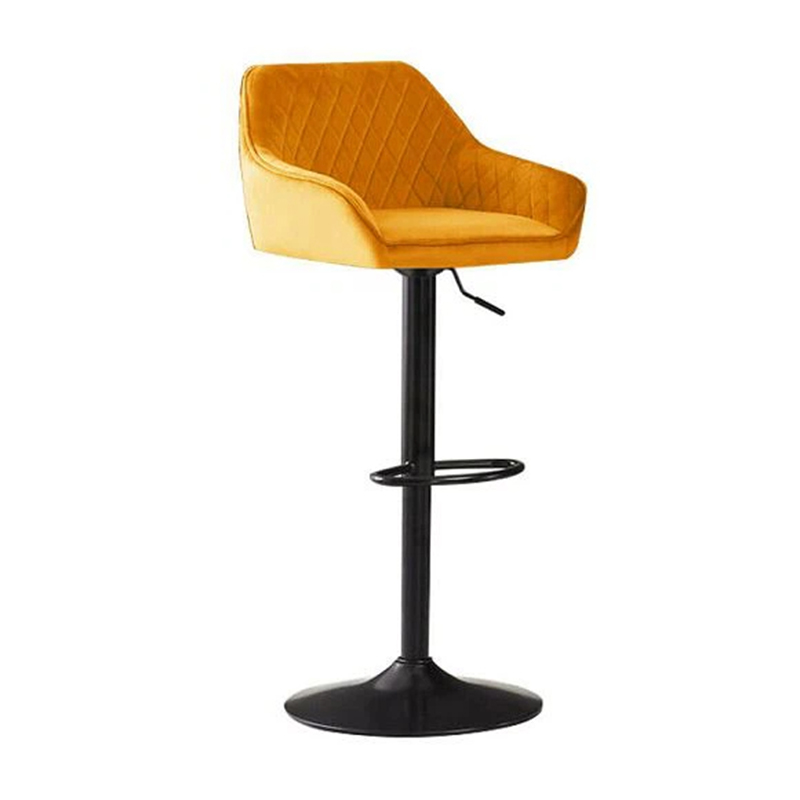
Fabric dining chairs bring warmth, color, and comfort to any dining space — but choosing the right material, calculating yardage, and keeping the upholstery clean are questions every buyer faces. Here's the short answer: you'll need 1–2 yards of fabric per chair depending on the design, performance fabrics like polyester blends or velvet tend to hold up best in dining rooms, and a fabric protector spray plus regular vacuuming is the most effective protection routine. Read on for the full breakdown.
How Much Fabric Do You Need for Dining Room Chairs?
The amount of fabric required depends on the chair style — whether it has a drop-in seat pad only, a fully upholstered back, or a skirted design. As a practical rule of thumb:
| Chair Style | Fabric Needed Per Chair |
|---|---|
| Seat pad only (drop-in) | 0.5 – 0.75 yards |
| Seat + inside back | 1 – 1.25 yards |
| Fully upholstered (seat, back, sides) | 1.5 – 2 yards |
| Chair with skirt or cushion ties | 2 – 2.5 yards |
Key Factors That Affect Yardage
- Pattern repeat: Fabrics with a large pattern repeat (4 inches or more) require up to 30% extra yardage to match the pattern across chairs. A 6-inch repeat on a fully upholstered chair can add an extra 0.5 yards per chair.
- Fabric width: Most upholstery fabric is 54 inches wide. Narrower decorator fabric (45 inches) requires more yardage to cover the same surface area.
- Nap direction: Velvet and chenille have a pile direction that must run consistently across all chairs, adding roughly 15–20% extra fabric.
- Number of chairs: Always buy fabric for all chairs at once from the same dye lot — color can vary between batches, even for the same SKU.
Practical tip: For a set of 6 dining chairs with a seat-and-back upholstered design and a solid fabric, budget for 7–8 yards total, plus 0.5 yards as a safety buffer for mistakes or future repairs.
What Material Is Best for Dining Room Chairs?
Dining chairs face heavy, repeated use — spills, crumbs, body oil, and friction are everyday realities. The best fabric balances durability, cleanability, and aesthetics.
Top Fabric Choices Compared
| Fabric | Durability (Rub Count) | Stain Resistance | Best For |
|---|---|---|---|
| Polyester blend | 50,000–100,000+ | High | Family homes, everyday use |
| Performance velvet | 30,000–100,000 | Medium–High | Stylish dining rooms, moderate use |
| Linen blend | 15,000–25,000 | Low–Medium | Formal or low-traffic dining rooms |
| Microfiber | 30,000–50,000 | High | Homes with kids or pets |
| Cotton canvas | 15,000–30,000 | Low | Casual, washable slipcover styles |
| Faux leather (PU) | 50,000+ | Very High | High-spill environments |
Durability is measured by the Wyzenbeek double-rub test. For residential dining use, look for a minimum of 15,000 double rubs; for heavy-use or commercial settings, aim for 30,000+.
The Best All-Around Choice: Performance Fabrics
Performance fabrics — engineered polyester or solution-dyed acrylic blends — are widely considered the smartest choice for dining chairs. Brands like Sunbrella, Crypton, and Revolution Fabrics engineer their textiles to resist moisture, staining, fading, and microbial growth at the fiber level, not just via a surface coating. A Crypton-treated fabric, for example, can be cleaned with a diluted bleach solution without damage — a major advantage in dining environments.
When Natural Fabrics Make Sense
Linen and cotton have a relaxed, organic texture that synthetic fabrics can't fully replicate. If your dining room is used mainly for adult dinners and you're drawn to a more natural aesthetic, a tightly woven linen-cotton blend (look for thread counts above 200) treated with a factory stain guard is a workable option. Just know that spill response time matters more — blot immediately rather than letting liquids sit.
How to Protect Fabric Dining Chairs
The right protection strategy extends the life of upholstered dining chairs significantly. A multi-layer approach works best.
Apply a Fabric Protector Spray
Products like Scotchgard Fabric Protector or 303 Fabric Guard create an invisible barrier that causes liquids to bead and roll off rather than absorb. Apply to new chairs before first use and reapply every 6–12 months, or after any deep cleaning. Hold the can 6 inches from the surface and apply two light coats, allowing full drying between each.
Regular Maintenance Routine
- Vacuum weekly using a soft brush attachment to remove crumbs and dust before they work into fibers.
- Blot spills immediately — never rub, as rubbing spreads the stain and damages fiber structure. Use a clean white cloth and work from the outside edge inward.
- Rotate chairs if possible, so wear patterns distribute evenly across the set.
- Keep out of direct sunlight — UV exposure degrades most upholstery fabrics within 2–3 years; use curtains or UV-filtering window film.
Use Seat Cushion Covers or Chair Pads
Removable, machine-washable seat pad covers act as a sacrificial layer on top of the upholstered surface. This is especially practical in homes with young children. Look for covers with non-slip backing and elastic edges for a secure fit. Replacing a $15 cover is far easier than reupholstering a chair for $80–$150 per seat.
Spot Cleaning by Fabric Type
| Fabric Type | Recommended Cleaner | Avoid |
|---|---|---|
| Polyester / microfiber | Mild dish soap + warm water | Bleach (unless labeled safe) |
| Performance fabric (Crypton, Sunbrella) | Diluted bleach solution (1:4) | Abrasive scrubbing |
| Velvet | Dry cleaning solvent or steam | Rubbing, soaking |
| Linen / cotton | Cool water + enzyme-based cleaner | Hot water (causes shrinkage) |
| Faux leather | Damp cloth + mild soap | Solvent-based cleaners |
Professional Deep Cleaning
For fully upholstered dining chairs, schedule a professional upholstery cleaning every 12–18 months. Hot water extraction (steam cleaning) is effective for most synthetic and natural fabrics and removes embedded oils and odors that vacuuming can't reach. Always check the chair's care tag: a "W" code means water-safe cleaning is fine; an "S" code means solvent only; "X" means vacuum only.
Buying Tips: What to Look for in Fabric Dining Chairs
- Check the double-rub count on the product spec sheet — anything below 15,000 is a short-term investment for a dining chair.
- Look for removable seat pads when possible; they make both reupholstering and cleaning far simpler.
- Frame material matters too — solid hardwood (beech, oak, rubberwood) or metal frames support the upholstery better and last longer than MDF or softwood alternatives.
- Request fabric swatches before purchasing online; colors and textures often differ significantly from screen to reality.
- Consider a uniform fabric across the set — mixing fabrics can work stylistically, but it complicates cleaning and replacement when one chair wears faster than others.