

 En
En English
 Français
 Español
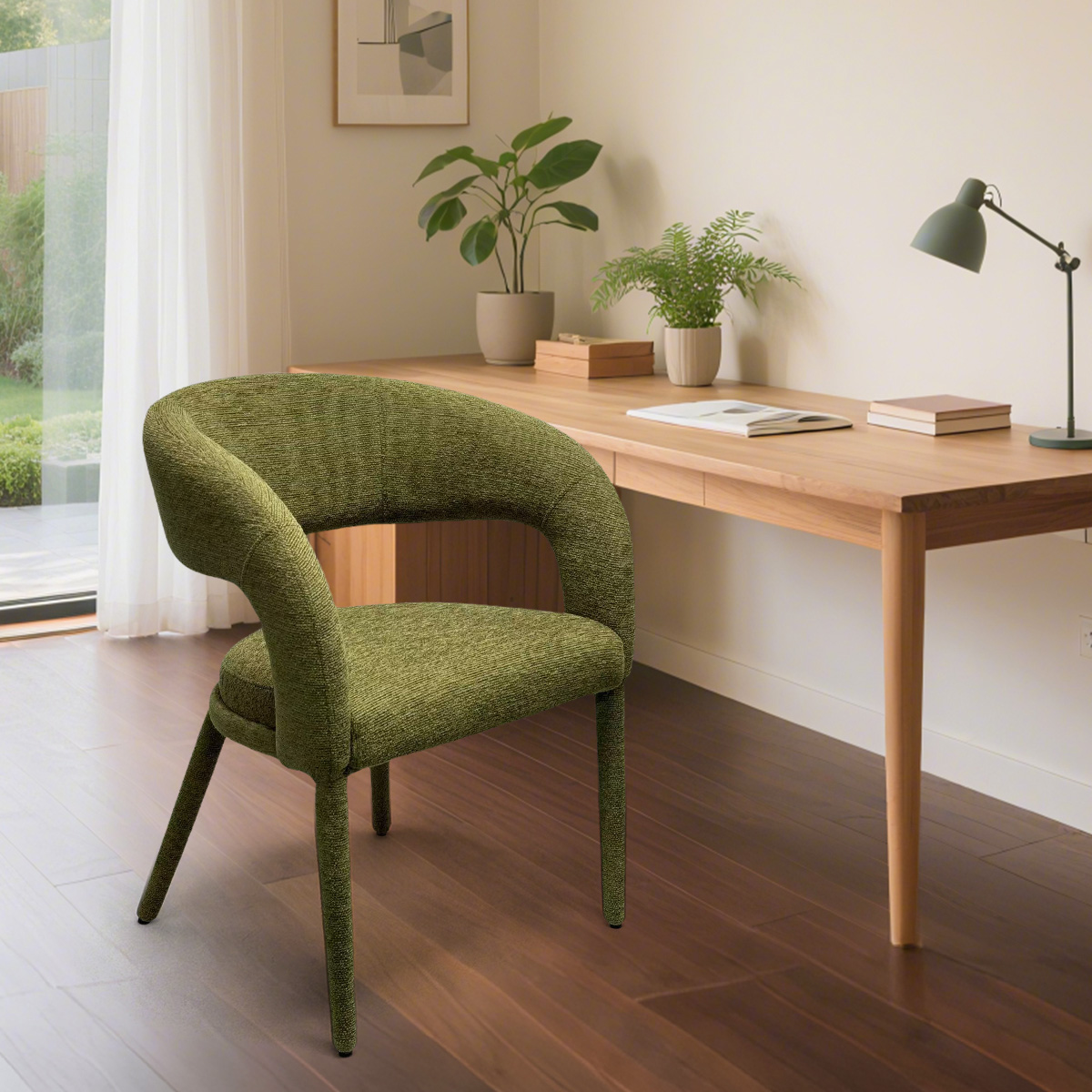
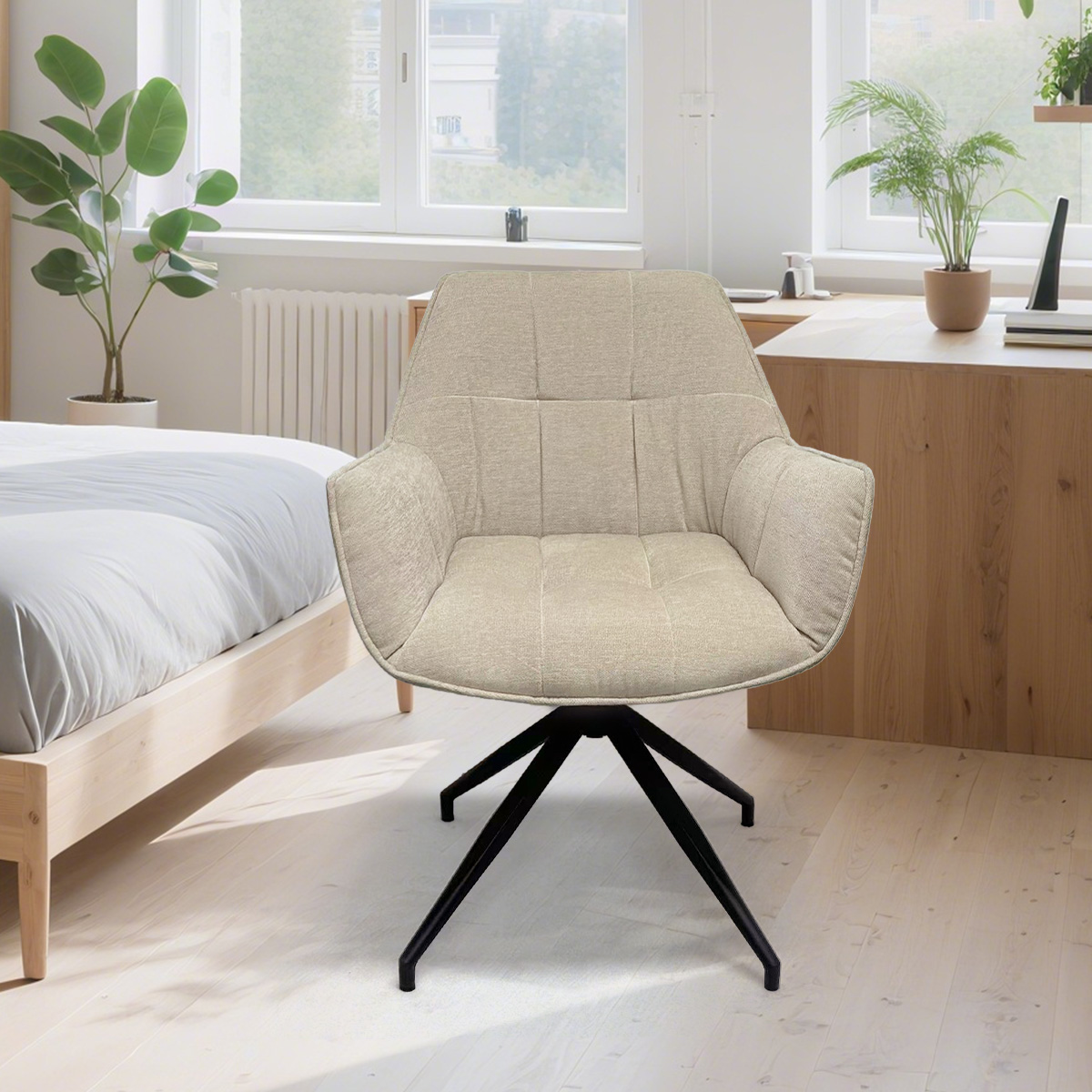
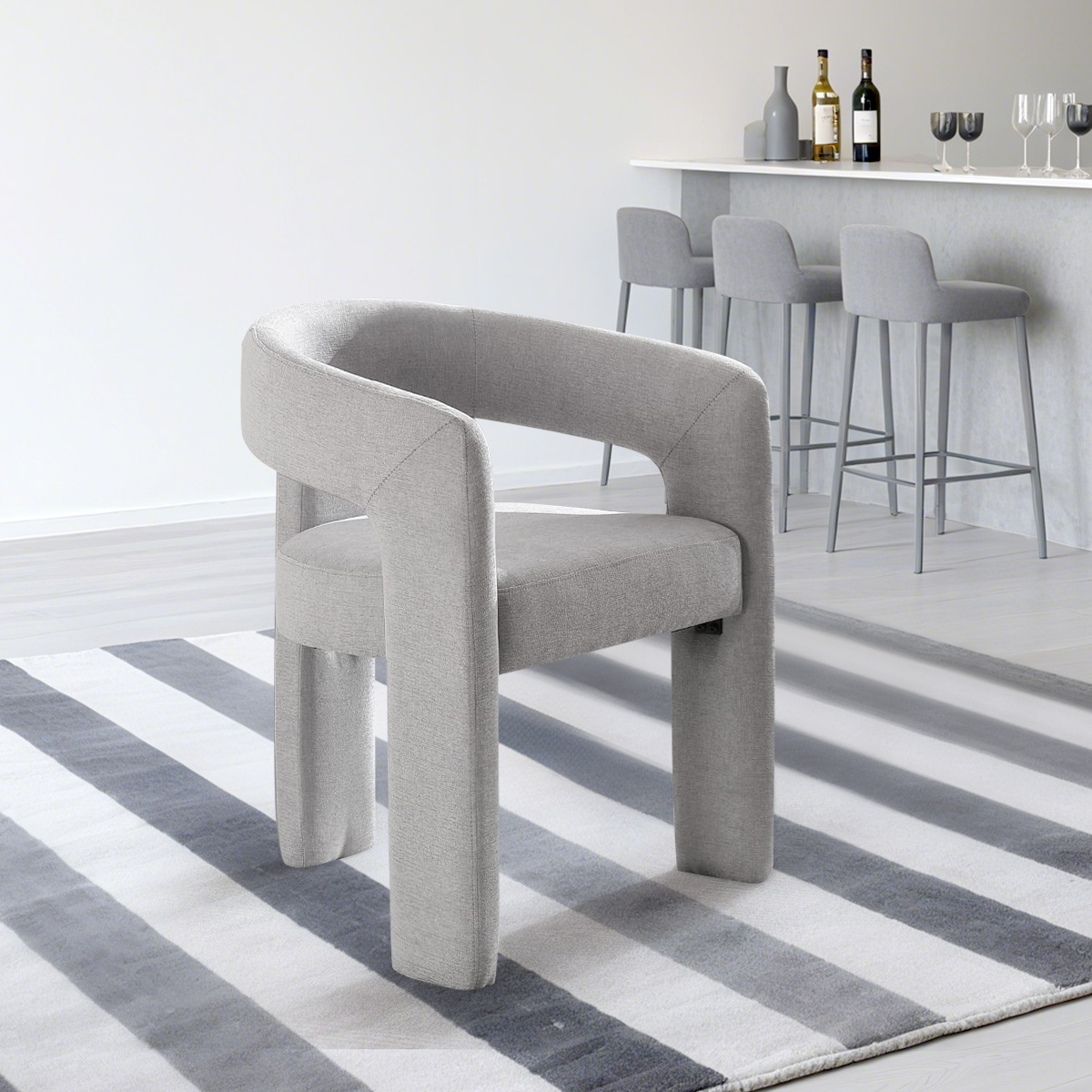
Fabric dining chairs are not a bad idea — they are a practical, comfortable, and stylistically versatile choice for most dining rooms when the right fabric is selected for the household's actual conditions. The best fabrics for dining chairs are performance weaves such as solution-dyed acrylic, polyester microfibre, or crypton-treated upholstery fabric, all of which resist stains, clean easily, and withstand the friction of daily use far better than natural fibres like linen or untreated cotton. With the right material and occasional maintenance, a quality set of fabric dining chairs will last 8–15 years in a family home.
Are Fabric Dining Chairs a Bad Idea?
The short answer is no — but the right answer depends on your specific household. The concerns people have about fabric dining chairs are real, but they apply most strongly to the wrong fabric types rather than to upholstered dining seating as a category. Here is an honest assessment of the main objections and what the evidence actually shows:
| Common Concern | Reality | Practical Solution |
|---|---|---|
| Stains from food and drink | A genuine risk with natural fibres; minimal with performance fabrics | Choose polyester microfibre or crypton-treated fabric; blot spills immediately |
| Difficult to clean | True for woven textures; false for tight-weave or coated fabrics | Select fabrics rated W (water-cleanable) or WS on the cleaning code label |
| Odour absorption | A risk in heavily used rooms or with poor ventilation | Annual professional cleaning or steam cleaning removes embedded odours |
| Wear and pilling at seat edges | Occurs with fabrics below 25,000 Martindale rub cycles | Specify fabric rated 30,000+ Martindale for dining use |
| Not suitable for young children | Accurate for delicate fabrics; performance fabrics handle family use well | Add removable, machine-washable seat pad covers during child-rearing years |
| Allergen accumulation | Fabric does hold more dust than hard surfaces | Vacuum seat surfaces weekly with an upholstery attachment |
Leather and hard-seat alternatives are often cited as the practical choice for families, but they carry their own trade-offs — cold in winter, noisy, and uncomfortable for extended dinner gatherings. Fabric dining chairs provide the cushioning that makes people linger at the table, which is arguably what a dining room is for. The key is matching the fabric specification to the household's realistic conditions rather than selecting purely on aesthetics.
What Is the Best Fabric for Dining Room Chairs?
The best fabric for dining chairs is one that scores well across four criteria simultaneously: stain resistance, abrasion durability, ease of cleaning, and visual appropriateness for the room's style. No single fabric is perfect across all four, but several come close for dining applications specifically.
Performance Polyester and Microfibre
Solution-dyed polyester and polyester microfibre are the workhorses of upholstered dining seating. In solution dyeing, the colour pigment is added to the polymer before the fibre is extruded, meaning the dye penetrates the entire fibre cross-section rather than sitting on the surface. The practical result is a fabric that does not fade even with prolonged UV exposure and resists bleach-based cleaning agents without colour loss — a significant advantage in a dining environment where wine and sauce stains often require aggressive spot treatment.
Microfibre polyester with a tight weave (above 200 grams per square metre) typically achieves 50,000–100,000 Martindale rub cycles in independent testing, compared to the 15,000–25,000 cycles typical of a woven linen or cotton blend. At a practical level, this means the seat surface of a microfibre chair used daily by a family of four will not show wear for 10–15 years, whereas a linen seat may show thinning and pilling within 3–5 years under the same conditions.
Crypton and Performance-Treated Fabrics
Crypton is a proprietary fabric treatment system, not a fibre type, that embeds a moisture barrier and antimicrobial protection into the fabric structure during manufacturing. Unlike topical fabric protectors such as Scotchgard — which sit on the surface and wear off within 12–18 months — Crypton treatment is integrated into the weave and maintains its performance throughout the fabric's life.
Independent testing by the Association for Contract Textiles (ACT) places Crypton-treated fabrics in the highest tier for healthcare and food service environments, which are arguably more demanding than residential dining. For households with young children, pets, or frequent entertaining, the premium price of Crypton fabric (typically 40–80% higher per metre than standard upholstery fabric) is justified by the elimination of irreversible staining.
Velvet — High Style, Moderate Practicality
Polyester velvet has become a popular choice for dining chairs over the past decade, particularly in jewel tones — emerald, navy, and burnt orange. Velvet's pile structure creates a light-reflective surface that makes colours appear richer than flat weaves, contributing to its visual appeal. Polyester velvet (as distinct from silk or cotton velvet) is reasonably practical for dining use — it is machine-washable in many constructions and achieves 25,000–40,000 Martindale rub cycles depending on pile height and density.
The practical limitation of velvet in a dining context is that pile fabrics trap crumbs and fine food particles more readily than smooth weaves, requiring more frequent vacuuming. Crushed pile from sustained pressure — the inevitable result of chair use — can be restored by lightly steaming the affected area, but this is an additional maintenance step that flat-weave fabrics do not require.
Linen and Linen Blends — Beautiful but Demanding
Pure linen is genuinely the most challenging fabric for dining chairs in active households. It wrinkles easily, absorbs liquids rapidly, fades with UV exposure, and achieves only 15,000–20,000 Martindale cycles — well below the 25,000-cycle threshold that most upholstery specifiers recommend as a minimum for dining use. For households with adults only, minimal cooking-in-the-dining-room habits, and a commitment to prompt stain treatment, linen's natural texture and breathability make it an aesthetically rewarding choice. For everyone else, a linen-look polyester blend achieves the visual character of linen with the performance of synthetic fibre.
Comparing the Main Options
| Fabric Type | Martindale Rating | Stain Resistance | Ease of Cleaning | Best For |
|---|---|---|---|---|
| Solution-dyed polyester | 50,000 – 100,000 | Excellent | Very easy — W code | Families, heavy use |
| Crypton-treated fabric | 50,000+ | Outstanding | Very easy, bleach-safe | Children, pets, entertainers |
| Polyester velvet | 25,000 – 40,000 | Good | Moderate — pile traps crumbs | Style-focused households |
| Linen-polyester blend | 25,000 – 35,000 | Good | Moderate | Low-traffic dining rooms |
| Pure linen | 15,000 – 20,000 | Poor | Difficult — dry clean only | Formal rooms, adults only |
| Cotton canvas / duck | 20,000 – 30,000 | Moderate | Easy if pre-treated | Casual dining, slipcover use |
How to Cover Dining Chairs with Fabric
Recovering dining chair seats is one of the most accessible home upholstery projects available — most drop-in seat pads require no specialist tools and can be completed in under 20 minutes per chair. The process for more complex chair backs or fully upholstered frames is more involved but follows the same fundamental principles.
Recovering a Drop-In Seat Pad
The drop-in seat pad — a foam-padded board that lifts out of the chair frame — is found on the majority of traditional and mid-century dining chairs. Here is the complete process:
- Remove the seat pad: Turn the chair upside down and unscrew the four screws securing the seat board to the frame. Most are Phillips head. If no screws are visible, the pad is held by clips or dowels — check the inside corners of the frame.
- Strip the old fabric: Use a flathead screwdriver or staple remover to pull out the existing staples from the underside of the board. Work methodically around the perimeter. Remove and discard the old fabric; inspect the foam beneath. If the foam has compressed to less than half its original height or crumbles when pressed, replace it before recovering.
- Cut the new fabric: Place the seat board face-down on the wrong side of your new fabric. Cut the fabric 8–10 cm larger than the board on all sides. For a standard dining chair seat of 40 x 40 cm, cut a 58 x 58 cm fabric panel.
- Staple the fabric: Starting at the centre of one long side, pull the fabric taut over the board edge and fire a staple gun into the board back (not into the foam). Work outward from the centre staple to each corner, alternating sides — pull the opposite side taut before stapling to keep tension even. Use 10 mm staples at 3 cm intervals.
- Handle the corners: Fold each corner like wrapping a gift — fold one edge flat, then fold the adjacent edge over it and staple. Cut away excess fabric at the corner to reduce bulk before the final fold if necessary. A clean corner fold takes practice; expect the first two corners to be slightly less precise than the last two.
- Reattach the seat pad: Return the recovered pad to the chair frame and replace the screws. Do not overtighten — the board is typically softwood or MDF and strips easily.
Fabric Quantity Guide for Common Chair Configurations
| Chair Type | Fabric Required per Chair | Skill Level | Estimated Time per Chair |
|---|---|---|---|
| Drop-in seat pad only | 0.5 – 0.6 m (54 cm wide fabric) | Beginner | 15 – 25 minutes |
| Seat pad and padded back panel | 0.8 – 1.0 m | Beginner to intermediate | 40 – 60 minutes |
| Fully upholstered seat and back | 1.0 – 1.5 m | Intermediate | 1.5 – 2.5 hours |
| Slipcover (full chair cover) | 2.0 – 3.0 m | Intermediate to advanced | 2 – 4 hours |
Choosing Fabric for a Recovering Project
When selecting fabric for a DIY recovering project, three practical considerations apply beyond the stain and durability criteria already discussed:
- Pattern repeat alignment: A fabric with a large pattern repeat (above 15 cm) requires additional yardage to align the pattern centrally on each seat. Add one full pattern repeat per chair to your fabric quantity when ordering. A centred pattern on a dining seat is immediately noticeable; a random or off-centre pattern on multiple chairs looks amateur.
- Grain direction: Always cut fabric with the warp threads (the lengthwise grain) running front-to-back on the seat. Fabric cut on the bias or cross-grain stretches unevenly under staple tension and will pull diagonally across the seat within a few months of use.
- Fabric weight: For drop-in seat pads, fabric between 280 and 450 grams per square metre is ideal. Lighter fabric telegraphs staple positions and foam imperfections through the surface. Heavier fabric is difficult to fold cleanly at corners without adding bulk that prevents the seat pad from dropping back into its frame recess.
How to Keep Fabric Dining Chairs Looking Good Long-Term
The longevity of upholstered dining chairs depends less on the initial fabric quality than on the consistency of basic maintenance. These practices make a measurable difference to how fabric wears over time:
- Blot spills immediately: The first 30 seconds after a spill determines whether it becomes a stain. Press a clean, dry cloth directly onto the spill — do not rub, which drives the liquid deeper into the weave. Remove as much liquid as possible by blotting, then treat with the appropriate cleaner for the fabric code.
- Vacuum weekly: A handheld vacuum with an upholstery brush attachment removes crumbs and food particles before they work their way into the fabric structure and begin to degrade the fibres from within. This is particularly important for woven and pile fabrics where particles settle between yarns.
- Rotate chairs: If one chair at the table receives significantly more use than others — a head-of-table position, for example — rotate the chairs periodically so wear distributes evenly across the set. This extends the visual life of the set by ensuring no single chair becomes noticeably more worn than its neighbours.
- Apply fabric protector annually: A spray application of fluorocarbon-based fabric protector (applied to clean, dry fabric) restores the stain-resistant finish that wears away from surface friction and cleaning. Apply in a well-ventilated space, allow 24 hours to cure before use, and reapply once per year or after any wet cleaning.
- Professional clean every 2–3 years: Hot-water extraction (steam cleaning) by a qualified upholstery cleaner removes embedded oils, proteins, and odour compounds that routine vacuuming cannot reach. This single intervention can extend the visible life of a fabric dining chair set by several years and is worth the cost of approximately $15–30 per chair.