


 En
En English
 Français
 Español
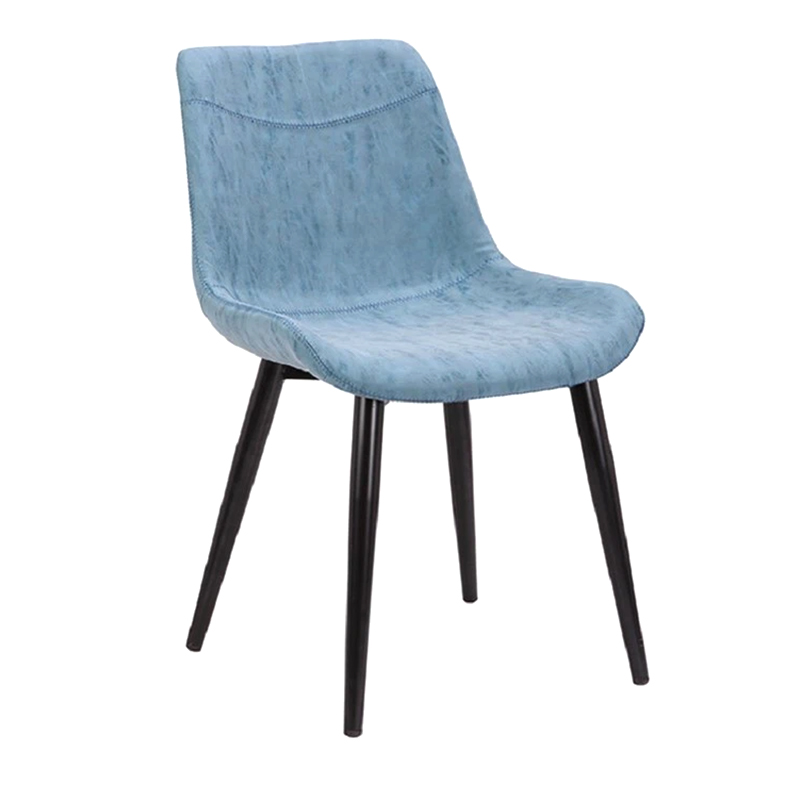
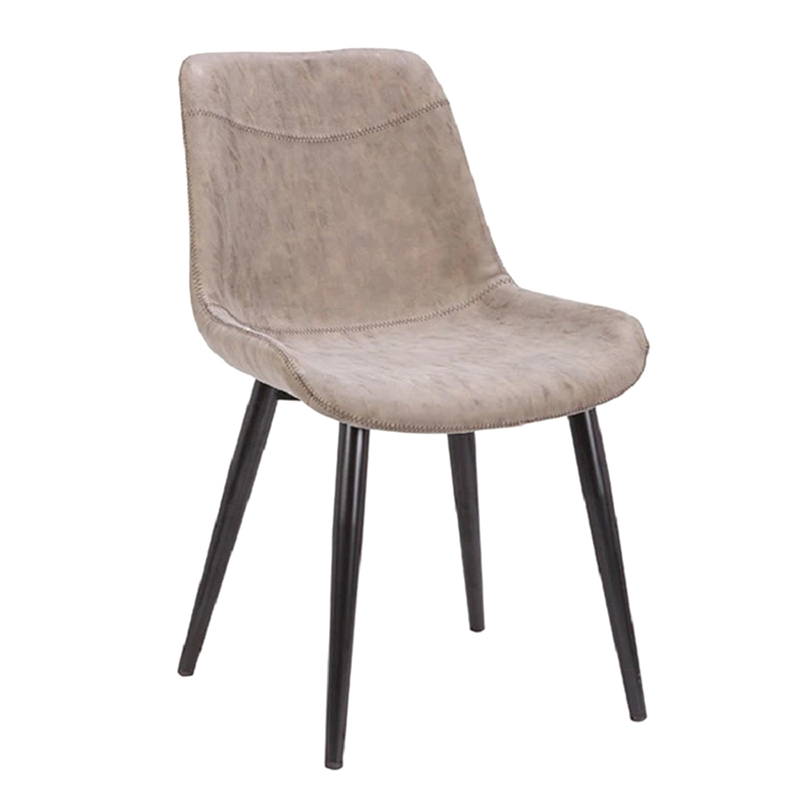
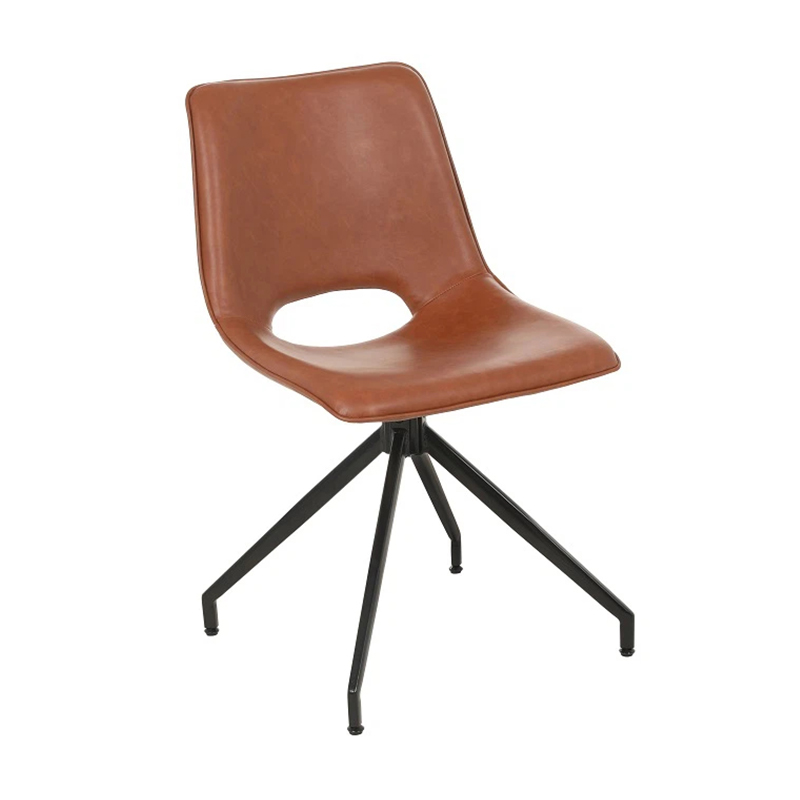
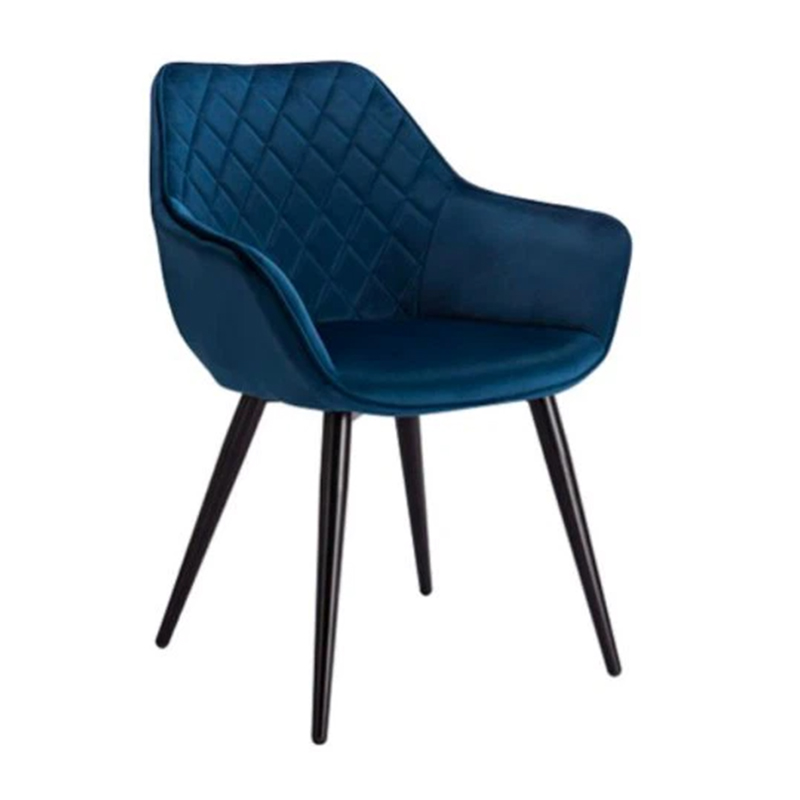
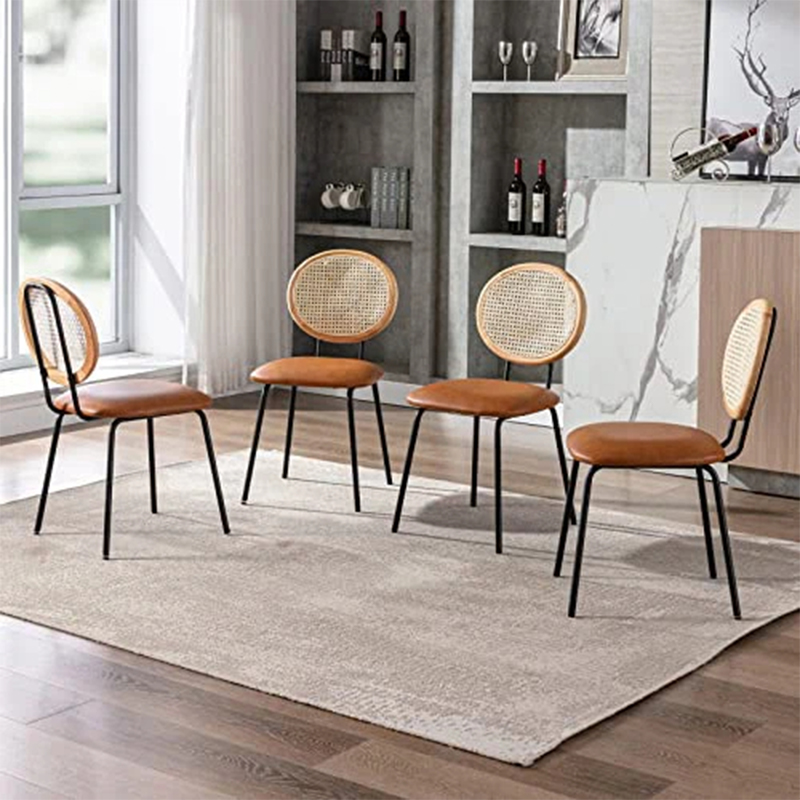
Leather Dining Chairs With Metal Legs Manufacturers
About Us
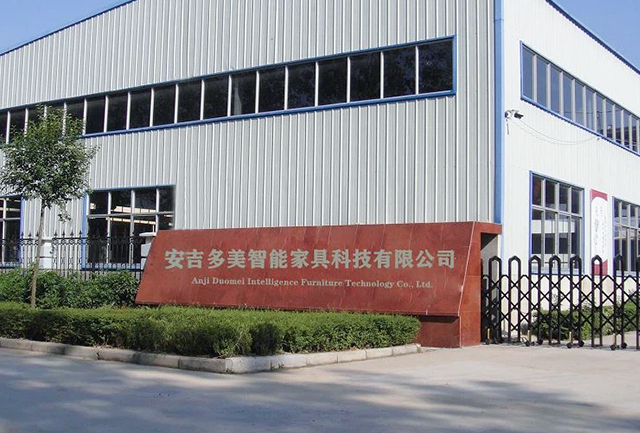
Anji Duomei Intelligent Furniture Technology Co., Ltd.
ANJI DUOMEI is situated at No. 28, Road 7, Sunshine Industrial Zone, Anji County. It is a beautiful place with bamboo everywhere and it is also named the Chinese metropolis of swivel chair. Our factory is a professional contract furniture company that has specialized in producing and exporting leisure chairs, bar chairs, swivel chairs, and salon chairs since 2014. We are Custom Leather Dining Chairs With Metal Legs Manufacturers and China OEM/ODM Leather Dining Chairs With Metal Legs Factory. More than 70 people are employed in ANJI DUOMEI’s 4000 m2 modern plant, 1500 m2 warehouse, and 2 offices. Our well-equipped facilities and quality control throughout all stages of production enable us to guarantee a good reputation among our customers. OEM and ODM are both welcome. Whether selecting a current product from our catalog or seeking engineering assistance for your application, you can talk to our customer service center about your sourcing requirements. We insist on the concept of "quality is the life of the enterprise" and the principle of honesty and business policy of "marketing high-quality products". Duomei welcomes new and old customers from all walks of life to contact us for future business relationships and mutual success.
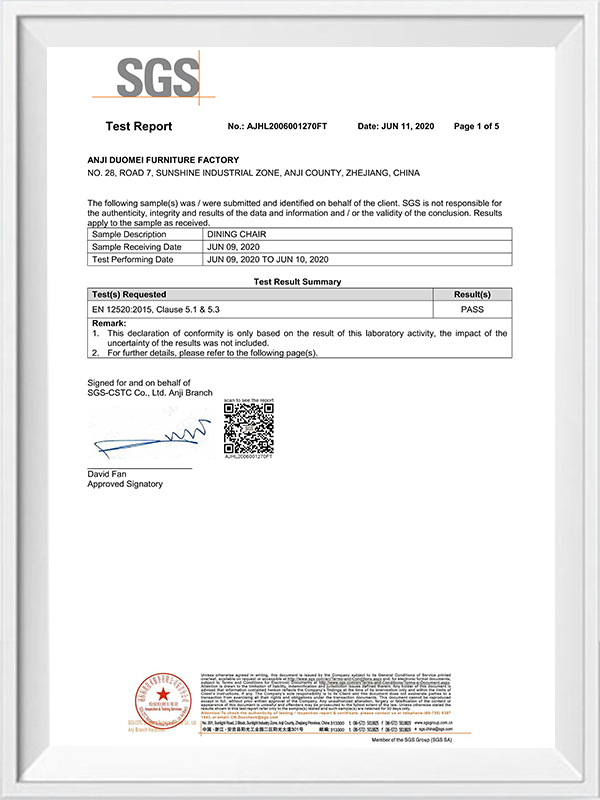
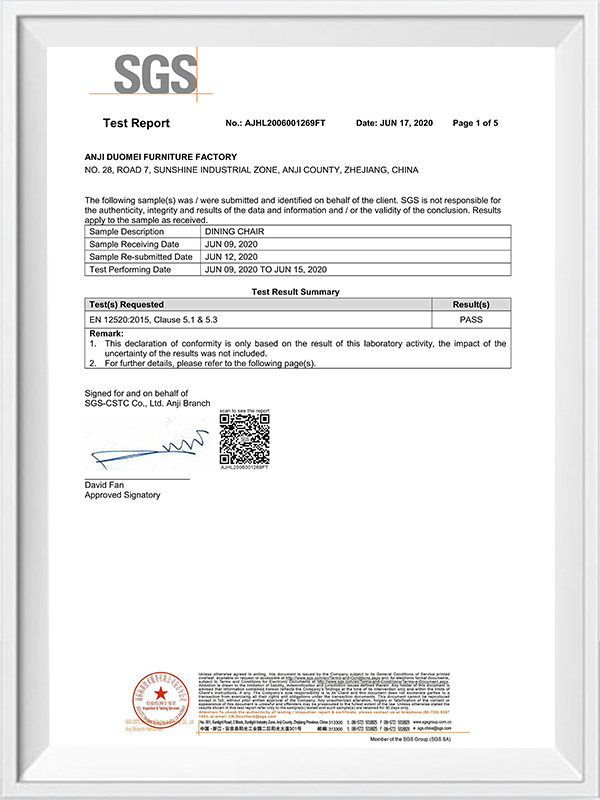
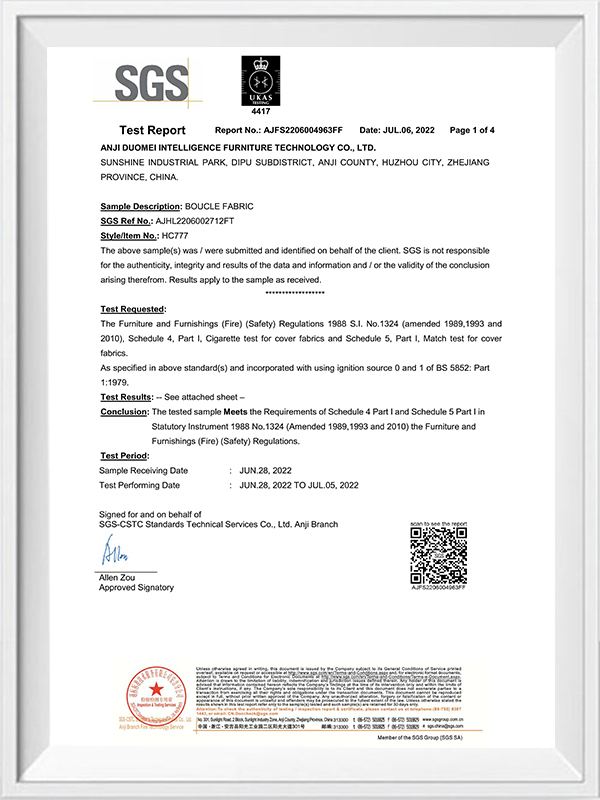
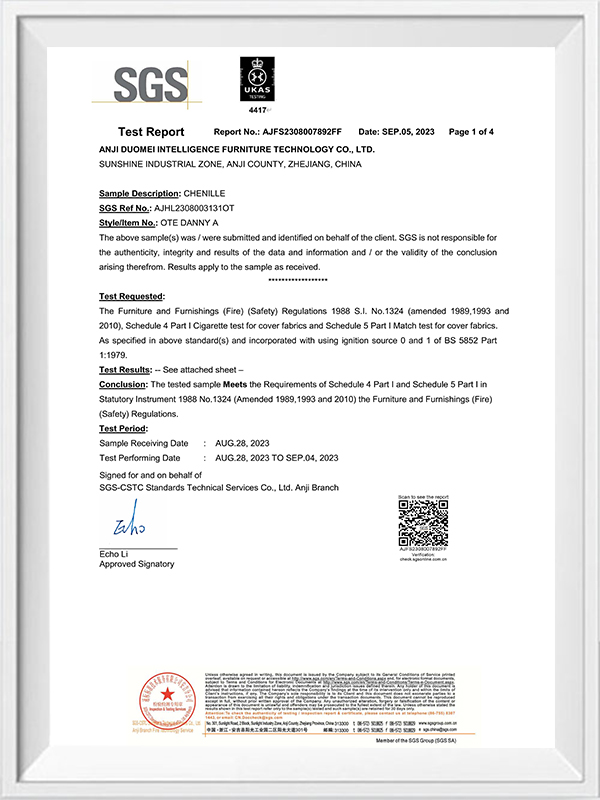
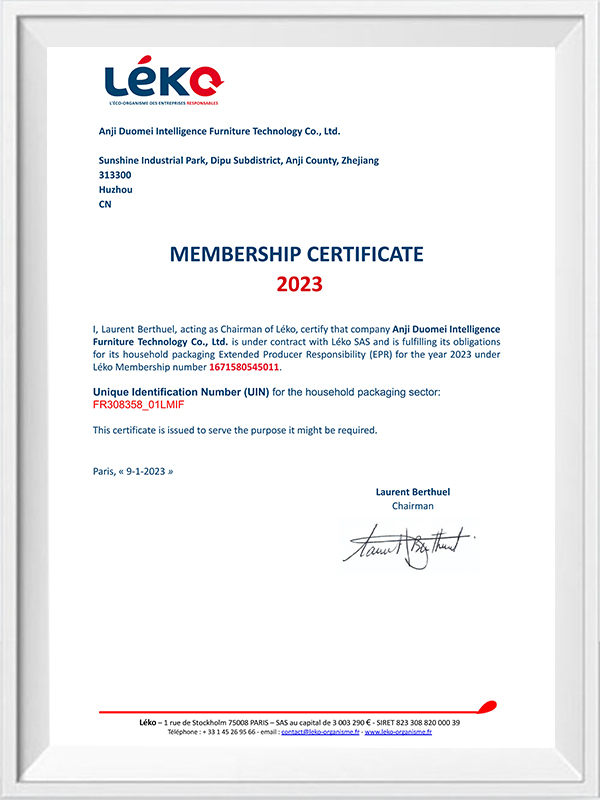
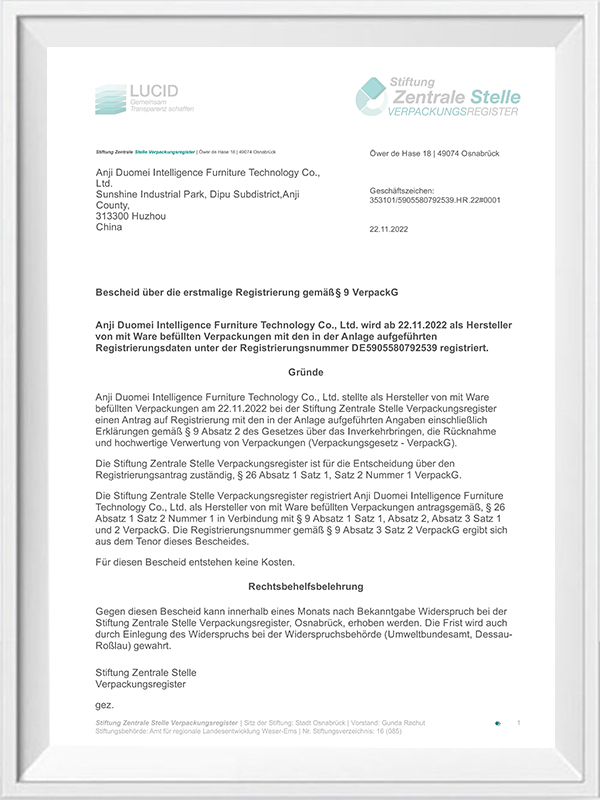
Certificate of Honor
News
-
As we move into 2026, the intersection of interior aesthetics and physiological health has become the primary focus of furniture engineering. For those seeking ...
READ MORE -
In the modern home environment, the boundaries between professional workspaces and relaxation zones have blurred. As more professionals transition to hybrid mod...
READ MORE -
As we move into 2026, the intersection of tactile comfort and high-performance durability continues to redefine the contract furniture landscape. Selecting the ...
READ MORE -
As we navigate the interior design landscape of 2026, the intersection of comfort and minimalism has redefined the aesthetic standards for residential and contr...
READ MORE -
As we move into 2026, the definition of minimalism in interior design has shifted from "stark and cold" to "warm and tactile." Central to this transformation is...
READ MORE
Leather Dining Chairs Industry knowledge
What are the precautions for daily maintenance of leather dining chairs with metal legs? How to effectively clean the leather without damaging the surface?
Daily maintenance and cleaning of leather dining chairs with metal legs require special attention to maintain their beauty and extend their service life. Here are specific precautions and cleaning suggestions:
Daily maintenance precautions:
Avoid direct sunlight
Long-term exposure to sunlight may cause leather to fade and crack; metal legs may oxidize on the surface. Try to place the chair in a location that avoids direct sunlight.
Prevent scratches from sharp objects
The leather surface is more sensitive and should be avoided from contact with sharp objects or hard objects such as zippers and buttons to prevent scratches.
Control the humidity environment
Leather is sensitive to humidity. Too much moisture may cause mildew, and too much dryness may cause cracking. It is recommended to keep the indoor humidity between 40%-60%.
Protect metal legs
Regularly check whether the connection points of the metal legs are loose, clean the dust and stains on the surface, and avoid water accumulation or chemical corrosion.
Effective ways to clean leather:
1. Light cleaning (daily dust cleaning)
Use a clean soft cloth or microfiber cloth to gently wipe the leather surface to remove dust.
For metal legs, wipe with a soft dry cloth or an electrostatic dust brush.
2. Deep cleaning (stain removal)
Choice of cleaning agent: Use a special leather cleaner or mild soapy water (the ratio of soapy water is 1:10). Avoid using cleaning agents containing alcohol, bleach or acidic substances.
Cleaning steps:
Apply the cleaning agent to a damp soft cloth (not directly on the leather).
Gently wipe the stained area, do not apply too much force to avoid damaging the leather.
Wipe off the residual cleaning agent with a clean damp cloth, and then dry it with a dry cloth.
3. Care and maintenance
Regularly use leather care agents (such as moisturizing cream) to moisturize the leather to prevent it from drying and cracking and keep it soft and shiny.
For metal legs, apply anti-rust oil or protective coating after cleaning (especially suitable for humid environments).
4. Special case treatment
Oil stain treatment: Immediately press gently with a dry cloth to absorb the oil to avoid spreading; if there is any residue, use a special leather degreaser.
Liquid spills: quickly absorb the liquid with a dry cloth to avoid penetration into the leather.
Mold cleaning: gently wipe with a soft cloth dipped in a 1:1 ratio of white vinegar and water, then wipe with a damp cloth and air dry.
Notes:
Make sure the leather is completely dry after cleaning to avoid residual moisture.
A deep care treatment once or twice a year can significantly extend the life of the chair.
Avoid using ordinary furniture cleaners to clean leather or metal to avoid surface damage.
CONTACT INFORMATION
-
 NO.8, NO.1 Road, Sunshine Industrial Park 2, Anji County, Huzhou City, Zhejiang Province, China.
-
 [email protected]
[email protected]
[email protected]
[email protected] -
 +86-13567991394
quick link
mobile
QR CODE
CUSTOMIZED FOR YOUR BUSINESS

