


 En
En English
 Français
 Español
How to Choose Fabric Bar Chairs for Kitchen Islands, Bars and Modern Home Seating Solutions
Posted by Admin | 09 Jul
Content
- 1 What types of fabric are used in bar chairs?
- 2 Where are fabric bar chairs commonly used?
- 3 What performance features should fabric bar chairs provide?
- 4 How are fabric bar chairs manufactured?
- 5 How do fabric bar chairs compare with leather and plastic bar stools?
- 6 What are the limitations of fabric bar chairs?
- 7 What is the future trend of fabric bar chairs in interior design?
- 8 FAQ
- 9 Final Thoughts
Kitchen islands, home bars, and casual dining counters have become central gathering spots in modern homes, and the seating chosen for these spaces needs to balance comfort, style, and everyday durability. Fabric bar chairs have become one of the most popular seating choices for these counter-height spaces, offering a softer, more residential feel than traditional hard-surface stools. This guide covers what fabric bar chairs are, the fabric options available, and what to consider before choosing them for a kitchen, home bar, or hospitality setting.
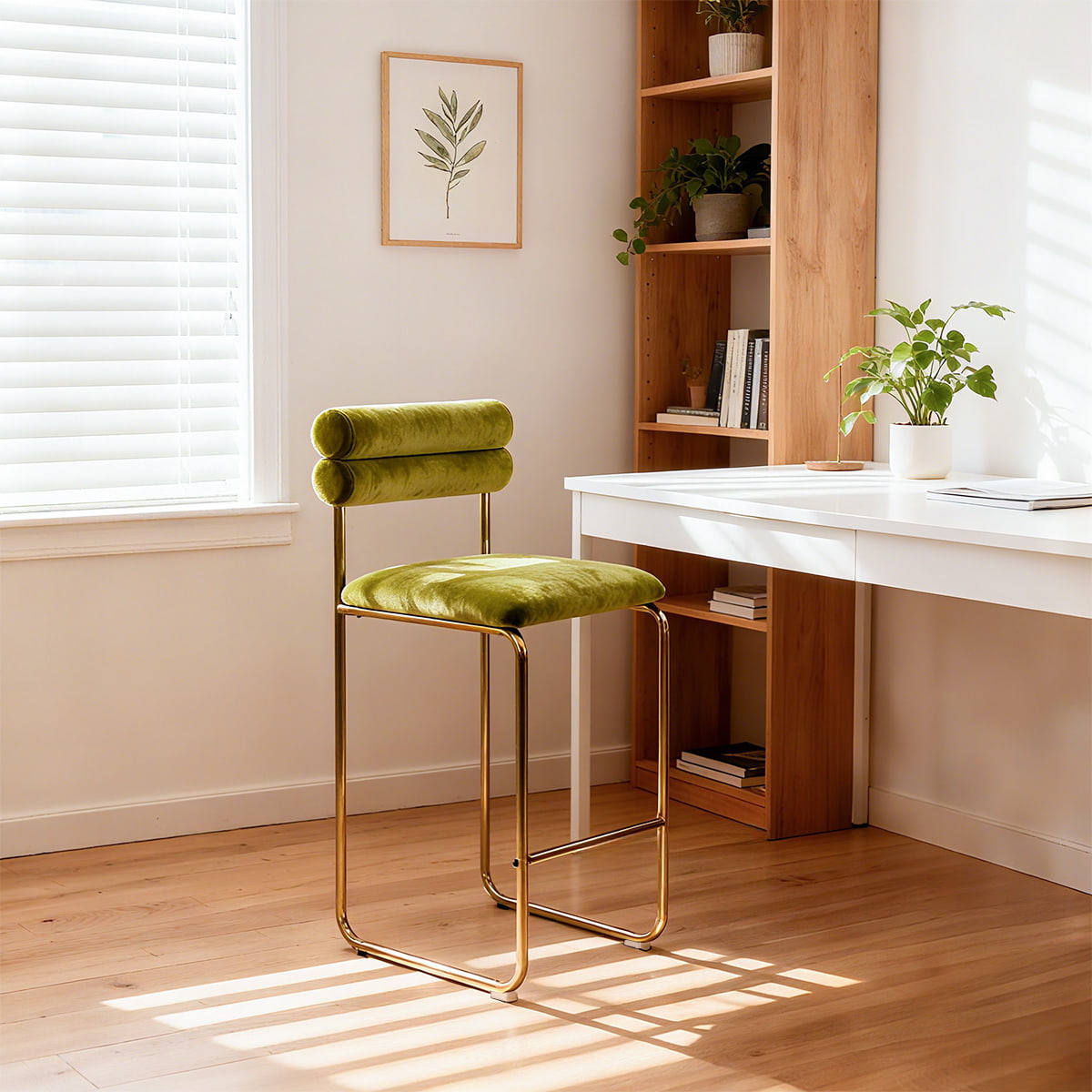
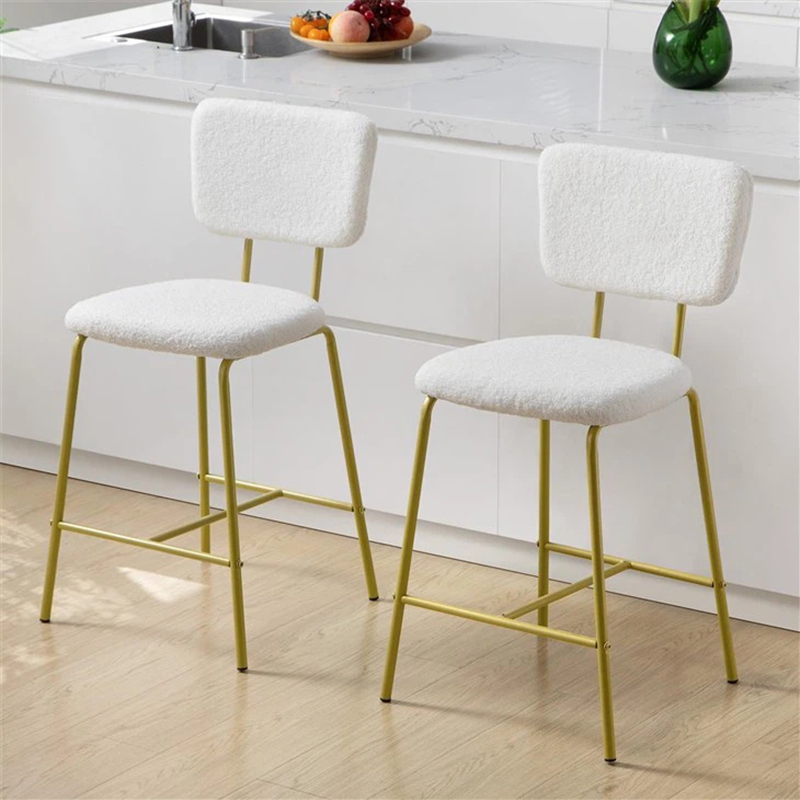
Fabric bar chairs are counter or bar height seats with a cushioned, textile-covered seat and sometimes backrest, distinguishing them from bare wood, metal, or plastic bar stools. As a category of upholstered bar stools, they combine a supportive frame with a padded seating surface, giving them a softer feel underneath the body compared to hard-surface alternatives. Padded bar seating chairs are typically built around a foam core wrapped in fabric, which is then attached to a wood, metal, or composite frame designed to support the elevated seating height used at kitchen counters and bars.
As kitchen counter height stools, fabric bar chairs are sized to match standard counter and bar heights, typically falling into counter height or bar height categories depending on the surface they are paired with. Modern bar seating furniture in fabric finishes has grown in popularity partly because textile upholstery offers a wider range of colors, patterns, and textures than leather or plastic, making it easier to coordinate with existing interior design schemes. The main distinction between fabric bar chairs and leather bar stools comes down to material feel, breathability, and maintenance requirements, which is a factor worth understanding before making a final selection.
Fabric bar chairs are counter or bar height seats with textile-covered, cushioned seating surfaces, offering a softer and more visually varied alternative to leather, wood, or plastic bar stools.
What types of fabric are used in bar chairs?
The fabric chosen for a bar chair affects its appearance, comfort, and how well it holds up to daily use, making material selection an important part of the buying decision.
Linen fabric bar stool
A linen fabric bar stool offers a natural, textured appearance and a breathable feel, though linen blends can be more prone to wrinkling and may require more careful cleaning than synthetic alternatives.
Velvet upholstered bar chair
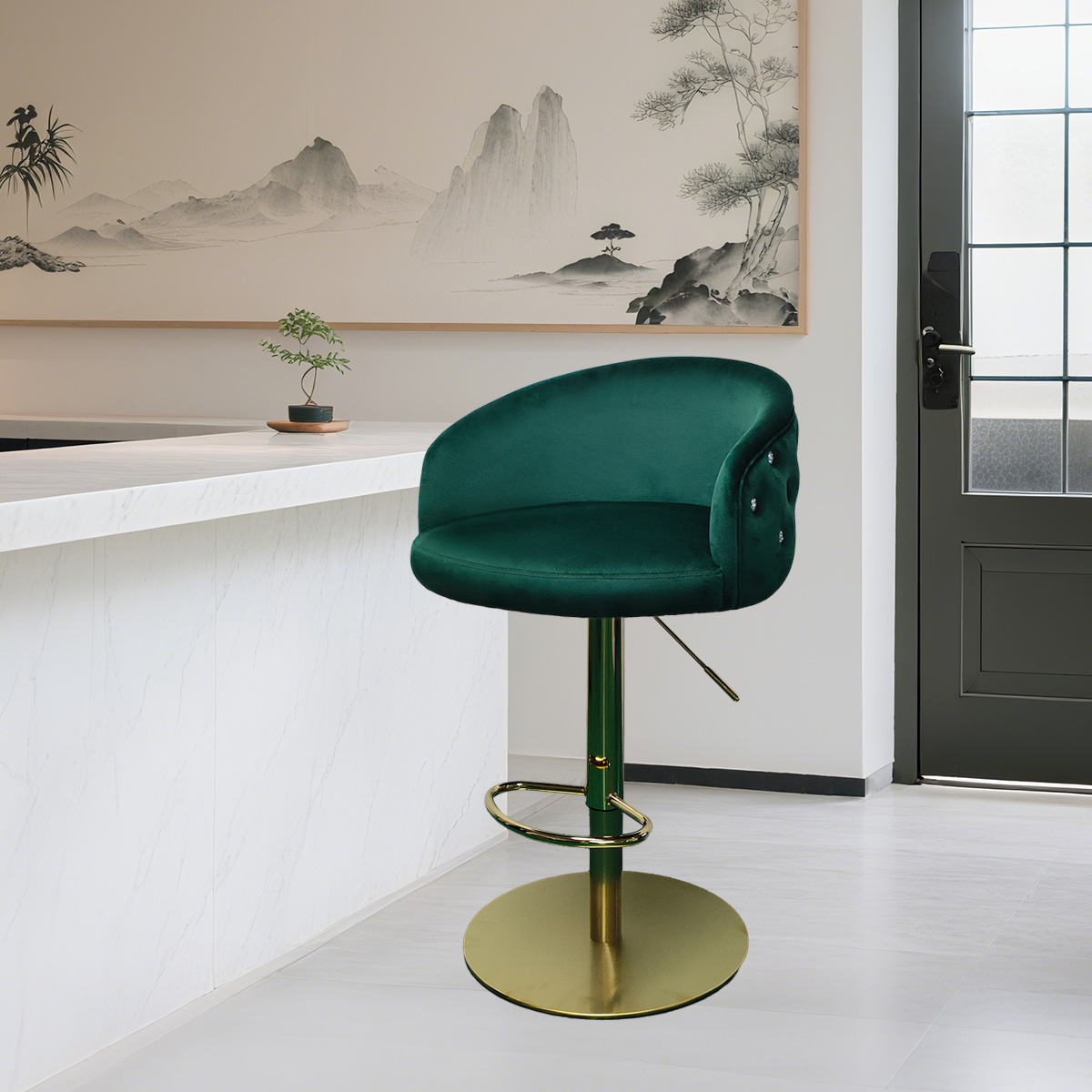
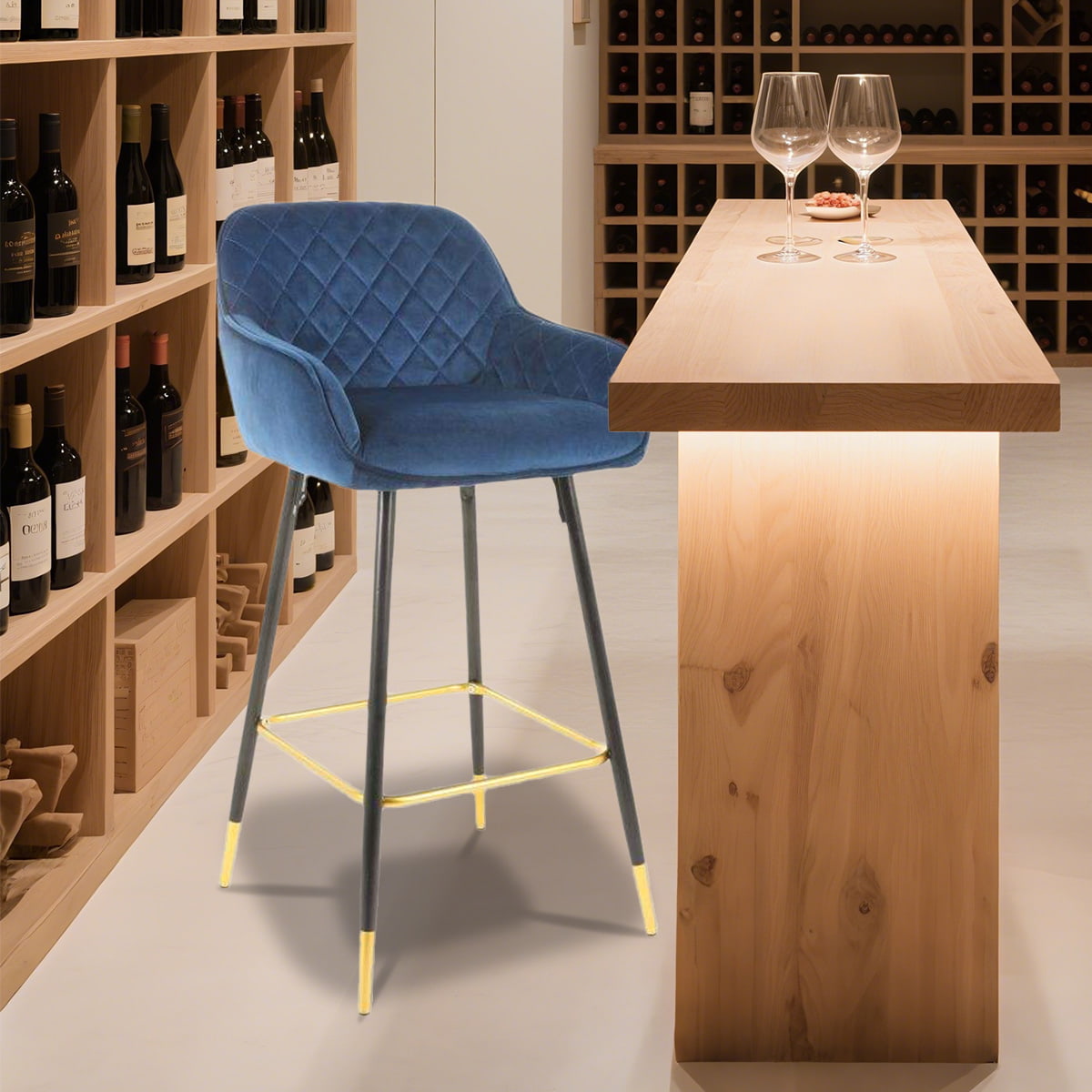
A velvet upholstered bar chair provides a soft, plush surface with a distinctive sheen, often chosen for its upscale appearance, though the pile texture can show wear patterns over time with heavy use.
Polyester fabric seating
Polyester fabric seating is widely used for its durability and resistance to fading, along with generally lower cost compared to natural fiber options, making it a practical choice for high-traffic settings.
Breathable woven upholstery
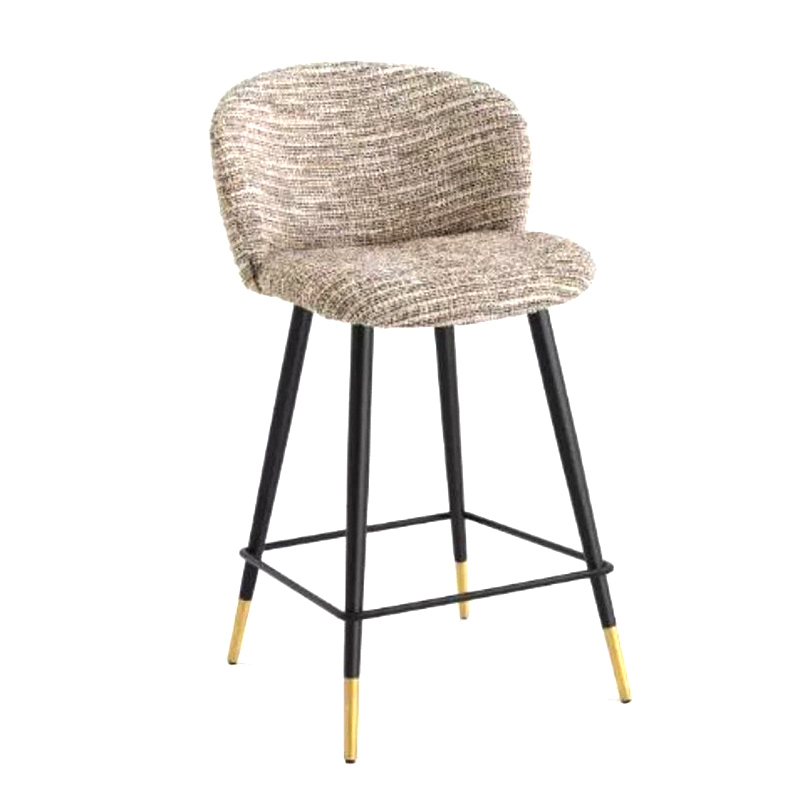
Breathable woven upholstery uses an open weave structure that allows better airflow, which can improve comfort during longer sitting periods compared to denser, less breathable fabrics.
Stain resistant fabric chairs
Stain resistant fabric chairs use treated textiles or tightly woven synthetic fibers designed to resist liquid absorption, making cleanup easier in kitchen and dining environments where spills are common.
Where are fabric bar chairs commonly used?
Fabric bar chairs appear in both residential and commercial settings wherever elevated, counter-height seating is needed alongside a preference for softer, upholstered comfort.
Kitchen island seating is one of the most common residential uses, where fabric bar chairs provide a comfortable perch for casual meals, homework, or conversation while cooking is underway. Home bar furniture seating often incorporates fabric chairs to create a more relaxed, lounge-like atmosphere compared to the harder stools traditionally associated with bar areas. Restaurant bar stools in fabric finishes are used in dining establishments looking to create a warmer, more inviting counter or bar seating area for guests. Café counter seating frequently uses fabric or fabric-blend chairs to encourage longer stays, which can support higher per-visit spending in casual dining environments. Hotel lounge bar areas also commonly feature fabric bar chairs as part of a broader design strategy aimed at creating a comfortable, residential-style atmosphere in shared social spaces.
| Setting | Typical Use | Design Priority |
| Kitchen islands | Casual dining, everyday use | Comfort and easy cleaning |
| Home bars | Entertaining, lounge seating | Style and softness |
| Restaurants | Guest bar seating | Durability, guest comfort |
| Cafés | Counter seating | Encouraging longer stays |
| Hotel lounges | Social bar areas | Residential atmosphere |
What performance features should fabric bar chairs provide?
Beyond appearance, a well-made fabric bar chair needs to deliver consistent comfort and structural reliability across repeated daily use.
How are fabric bar chairs manufactured?
Manufacturing a fabric bar chair combines textile work, foam shaping, and metal or wood frame construction into a single finished piece of furniture.
The upholstery stitching process cuts fabric panels to pattern and stitches them into seat and backrest covers ready for foam wrapping.
Foam molding seat production shapes the cushion core to the seat profile, balancing firmness and comfort for extended sitting.
Metal frame welding structure work joins tubing or bar stock into the finished chair frame, including legs, seat support, and any backrest structure.
A powder coated chair base finish is applied to metal components for corrosion resistance and a consistent, durable surface color.
The finished fabric cover is stretched and secured over the foam and frame, ensuring even tension across the seating surface.
Assembly furniture production steps attach footrests, base plates, and any additional hardware before final quality inspection.
How do fabric bar chairs compare with leather and plastic bar stools?
Choosing between fabric, leather, and plastic bar stools generally comes down to a trade-off between comfort, maintenance, and long-term durability.
Fabric
- Softer feel, wider color and pattern range
- More prone to staining and fading
- Generally mid-range cost
Leather
- Easier to wipe clean than fabric
- More resistant to spills
- Typically higher upfront cost
Plastic
- Least comfortable for long sitting
- Easiest to clean and maintain
- Generally the lowest cost option
A fabric vs leather bar stools comparison typically favors fabric for softness and design variety, while leather tends to win on cleanup and moisture resistance. A fabric vs plastic stool comparison highlights a clear comfort versus maintenance trade-off, since plastic is far easier to clean but offers little cushioning for extended sitting. Comfort vs maintenance seating materials decisions ultimately depend on how the seating will be used, with high-spill environments favoring easier-to-clean materials and comfort-focused spaces favoring fabric or leather. Durability upholstery comparison outcomes vary by fabric quality, but well-made fabric seating can hold up reasonably well under normal residential use. Cost differences bar chairs across these three material categories generally place plastic at the lower end, fabric in the middle, and leather toward the higher end of typical pricing.
What are the limitations of fabric bar chairs?
Fabric bar chairs offer clear comfort and style advantages, but the textile upholstery does introduce some practical drawbacks compared to harder seating surfaces.
Stain absorption fabric upholstery issues are one of the most common concerns, since spilled liquids can soak into the fibers rather than sitting on the surface the way they would on leather or plastic. Cleaning difficulty soft fabric problems follow from this same characteristic, as textile seating generally requires more careful spot cleaning or specialized fabric cleaners rather than a simple wipe-down. Moisture sensitivity seating material concerns are particularly relevant in kitchen and bar environments where spills are frequent, since prolonged dampness can lead to lingering odors or, in some cases, mildew if not addressed promptly. Wear and tear upholstery fabric develops gradually with regular use, showing up as thinning, pilling, or shiny worn patches on frequently contacted areas of the seat and backrest. Color fading fabric furniture is another long-term consideration, particularly for chairs placed near windows or under direct sunlight, where UV exposure can gradually lighten or discolor certain fabric dyes.
What is the future trend of fabric bar chairs in interior design?
Fabric bar chair design continues to evolve alongside broader trends in home furnishings and sustainable materials.
Sustainable furniture materials, including recycled and bio-based textiles, are becoming more common in bar chair upholstery as buyers increasingly factor environmental impact into furniture decisions.
Modular seating design trends are influencing bar chair development as well, with some manufacturers exploring interchangeable seat covers or components that allow chairs to be refreshed without full replacement. Stain resistant textile innovation continues to improve, with newer fabric treatments offering better spill resistance while maintaining a soft, natural hand feel rather than a stiff, plastic-like coating. Minimalist interior furniture style preferences have also shaped fabric bar chair design, favoring cleaner lines and simpler silhouettes over heavily tufted or ornate detailing. Eco friendly upholstery fabrics, including those made from recycled polyester or organic natural fibers, are increasingly available across a range of price points rather than being limited to premium furniture lines. Together, these trends suggest fabric bar chairs will continue to become more durable, more sustainable, and more adaptable to changing interior styles over time.
 |
 |
FAQ
What are fabric bar chairs?
Fabric bar chairs are counter or bar height seats with textile-covered, cushioned seating surfaces, offering a softer alternative to wood, metal, leather, or plastic bar stools.
Are fabric bar stools comfortable?
Fabric bar stools are generally considered more comfortable than hard-surface stools due to their cushioned seating, though comfort also depends on foam density and seat shape.
Do fabric bar chairs stain easily?
Fabric bar chairs can stain more easily than leather or plastic options, particularly with untreated fabrics, though stain resistant textile treatments can reduce this risk.
How do you clean fabric bar stools?
Cleaning fabric bar stools typically involves blotting spills promptly and using a fabric-appropriate cleaner for spot cleaning, following any care instructions provided for the specific upholstery.
Are bar chairs better than bar stools?
Neither is universally better, since bar chairs with backrests and arms generally offer more support for longer sitting, while backless bar stools take up less space and offer more flexible seating arrangements.
What height should bar chairs be?
Bar chair height should match the height of the counter or bar surface it will be used with, typically falling into standard counter height or bar height categories designed to leave comfortable leg clearance.
Final Thoughts
Choosing fabric bar chairs for a kitchen island, home bar, or hospitality setting comes down to balancing textile durability, comfort, and maintenance expectations against the specific conditions of daily use. Buyers who consider fabric type, frame construction, cushion quality, and spill exposure alongside the desired visual style are best positioned to select seating that performs well and looks good across years of everyday use.
Related Products
-
 Yangguang Industrial Park 2, Anji County, Huzhou City, Zhejiang Province, China
-
 [email protected]
[email protected]
[email protected]
[email protected]
[email protected]
[email protected]
-
 +86-18357268872
QR CODE

